YouTube creators today face an endless list of tasks — from scripting and editing to SEO, thumbnails, captions, and content repurposing. Thankfully, AI tools are transforming how videos are planned, produced, and promoted, helping YouTubers of all sizes save time and boost output. Whether you're a solo content creator or running a growing channel, AI can assist with writing scripts, generating B-roll, editing videos, crafting thumbnails, and optimizing for search and engagement. These tools simplify complex workflows, making it easier to stay consistent and scale your content strategy. Many also support automation across platforms like TikTok and Instagram, making cross-promotion effortless. With options available for faceless creators, vloggers, educators, and marketers, there’s an AI solution to suit every style and budget. This page ranks the best AI tools for YouTubers in 2026, highlighting their strengths, pricing, and practical use cases — so you can find the right tools to streamline your creative process and grow your audience.
Best Paid AI Tools for YouTubers
| Rank | Tool | Strength | Price | Limits |
|---|---|---|---|---|
| #1 | Descript | Transcript-based editing + AI voice tools | From $24/month | Minutes/exports depend on plan |
| #2 | Opus Clip | Turn long videos into high-performing Shorts | From $29/month | Clips/credits vary by tier |
| #3 | vidIQ (Max) | AI coaching + YouTube growth insights | $39/month | Best features tied to Max tier |
| #4 | TubeBuddy (Pro / Legend) | Keywords, titles, A/B tests, channel workflow tools | From ≈$12/month | Advanced tools locked to higher tiers |
| #5 | Canva Pro | Thumbnails + channel graphics + AI design tools | Around $15/month | Some features depend on plan/region |
Descript
Descript remains one of the most creator-friendly AI editing platforms because it turns video editing into text editing. You edit the transcript, and Descript applies those changes directly to your video timeline — which makes it dramatically faster to tighten intros, remove tangents, and cut filler words. For YouTubers, that means cleaner pacing and higher retention without spending hours nudging clips around. Descript also supports multi-track editing, screen recording, and quick captions, so it works well for tutorials, commentary, and talking-head content. Its AI features (like studio-style audio cleanup and voice tools) can help you rescue imperfect recordings, maintain consistent audio quality, and iterate on scripts faster when you need to re-record a line. If your workflow involves frequent updates, repurposing, or heavy spoken-word content, Descript is one of the highest ROI tools you can add in 2026 — especially for creators who want speed without sacrificing polish.
Opus Clip
Opus Clip is built for the reality of modern YouTube growth: long-form plus Shorts. Upload a full video (podcast, vlog, interview, tutorial), and Opus uses AI to find the most “clip-worthy” moments, cut them into vertical Shorts, and generate captions designed for fast scanning. It’s ideal for creators who want to multiply output without manually scrubbing timelines for highlights. Opus is especially strong for repurposing content at scale — turning one weekly upload into a consistent stream of Shorts that feed discovery and push new viewers back to your long videos. For channels trying to grow across YouTube Shorts, TikTok, and Reels at the same time, Opus Clip can be the difference between “I should post more” and actually maintaining volume week after week.
vidIQ (Max)
vidIQ is a YouTube growth suite that combines research tools with AI-driven guidance — helpful for creators who want actionable answers instead of generic tips. The Max tier focuses on deeper AI coaching, giving you data-informed feedback on ideas, titles, packaging, and what’s trending in your niche. It’s particularly valuable when you’re stuck: you can use vidIQ to validate topics, identify keyword opportunities, and compare your channel against competitors to spot what’s actually working right now. For creators who treat YouTube like a business (or want to), vidIQ helps you make smarter decisions on what to publish next, how to frame it, and how to improve performance over time. In 2026, when competition is higher and average quality expectations keep rising, having a growth system that supports ideation and optimization can meaningfully improve consistency and results.
TubeBuddy (Pro / Legend)
TubeBuddy is a long-standing YouTube companion tool that still matters because it solves dozens of small, high-impact problems inside your workflow — especially around metadata, channel organization, and optimization. It helps with keyword discovery, tag suggestions, title and description workflows, bulk updates, and publishing utilities that save real time when you’re uploading frequently. For many creators, the biggest benefit is packaging: TubeBuddy supports smarter decision-making around titles, thumbnails, and what to test, so you’re not guessing. Higher tiers add more advanced growth features, but even mid-level plans can pay for themselves if you’re posting regularly or managing multiple channels. If you want a practical “YouTube operations” tool that complements your creative stack, TubeBuddy is a reliable choice in 2026.
Canva Pro
Canva Pro is one of the best upgrades a YouTuber can make for thumbnails and channel branding because it combines speed, consistency, and strong AI-assisted design features in one place. It’s perfect for building a recognizable thumbnail style, maintaining a repeatable template system, and producing titles, arrows, cutouts, and background effects quickly — even if you’re not a designer. Canva Pro also makes it easier to collaborate (if you have editors or partners) and keep brand assets consistent across thumbnails, community posts, Shorts covers, banners, and social promos. With AI-assisted tools for layouts and quick variations, Canva Pro helps you iterate faster and test more designs — which can directly increase CTR over time. If you’re serious about packaging and want a tool that reduces friction every single upload, Canva Pro is a strong pick for 2026.
Best Free AI Tools for YouTubers
| Rank | Tool | Strength | Limitations |
|---|---|---|---|
| #1 | ChatGPT (Free) | Scripts, hooks, titles, and content planning | No native timeline editing |
| #2 | Canva (Free) | Thumbnails, graphics, and channel assets | Some templates/assets are Pro-only |
| #3 | CapCut (Free) | Fast edits, auto captions, Shorts-friendly templates | Some effects/features are paid-only |
| #4 | DaVinci Resolve | Pro-level editing with smart tools built in | Steeper learning curve than mobile editors |
| #5 | YouTube Studio | Analytics, optimization insights, and publishing workflow | Not a creation tool (planning/ops only) |
ChatGPT (Free)
ChatGPT is one of the most useful free tools for YouTubers because it accelerates the “thinking” phase of content — where most creators lose time. You can generate video ideas aligned to your niche, outline a strong structure, write hooks that improve retention, and draft full scripts that sound natural and easy to deliver on camera. It’s also excellent for packaging: you can brainstorm title options, create thumbnail text variations, and rewrite descriptions to be clearer and more searchable. While it doesn’t replace editing software, it helps you show up to the edit with a cleaner plan — which usually leads to better videos and faster production. For creators trying to upload consistently, ChatGPT is a high-leverage assistant you can use daily with no setup required.
Canva (Free)
Canva’s free plan is still one of the best no-cost options for creators who want clean, clickable thumbnails and consistent channel visuals. It includes an easy drag-and-drop editor, a large library of free templates, and a workflow that makes it simple to build repeatable thumbnail formats for different series. Even if you’re not a designer, Canva helps you assemble strong compositions quickly — which matters when you need to publish on a schedule. While Canva Pro unlocks more premium assets and advanced features, the free tier is absolutely enough to build a professional-looking channel brand, create Shorts covers, design community posts, and produce basic graphics for intros/outros and social media.
CapCut (Free)
CapCut is a go-to free editor for YouTubers who want fast turnaround, especially for Shorts and vertical content. It’s designed for speed: quick cuts, built-in templates, and creator-friendly tools that reduce the time between “I recorded something” and “I posted it.” CapCut also supports auto captions and timing-friendly overlays, which can help retention when viewers watch muted or scroll quickly. While some advanced effects and assets require a paid plan, the free version is still extremely capable for most Shorts workflows — making it a strong pick for creators who prioritize volume, momentum, and iteration.
DaVinci Resolve
DaVinci Resolve is a free, professional-grade editing suite that’s powerful enough for serious YouTube production — especially if you want long-term control over your post-production quality. It’s widely used for editing and color work, and it scales well from simple projects to advanced timelines. For YouTubers, Resolve is a great “level up” tool when you’re ready to move beyond basic editors and want more precision, better organization, and a workflow that can handle bigger projects. The main limitation is the learning curve: it takes longer to master than lightweight apps. But if you invest the time, Resolve can become a long-term cornerstone of your editing stack without requiring a subscription.
YouTube Studio
YouTube Studio is free and essential because it’s where growth decisions actually happen. It gives you analytics that tell you what topics pull viewers in, where retention drops, which traffic sources matter, and how your thumbnails and titles perform over time. For creators, this is “AI-adjacent” leverage: instead of guessing what to make next, you can use Studio’s real performance signals to guide your content strategy, packaging choices, and upload cadence. It also centralizes publishing, scheduling, comments, and channel management — so your workflow stays organized even as your channel grows. If you’re optimizing for results in 2026, YouTube Studio should be part of your daily routine.
Rankings

Chatbots
AI chatbots have quickly evolved from simple assistants into powerful, multi-purpose tools used by millions of people every day...

Image Generators
AI image generators are revolutionizing the way creatives, marketers, and developers produce visual content by transforming text prompts into detailed, customized...

Writing Assistants
AI writing assistants have become indispensable tools for anyone who writes — from students and bloggers to business professionals and marketers...

Deepfake Detection
As deepfake technology becomes more advanced and accessible, detecting AI-manipulated content is now a critical challenge across journalism, education, law, and...
Productivity & Calendar
AI productivity and calendar tools have become essential for professionals, entrepreneurs, and students looking to make the most of their time without getting overwhelmed...
Natural Language To Code
Natural language to code tools are transforming software development by enabling users to build apps, websites, and workflows without needing advanced programming...
Blog
How AI Actually Works
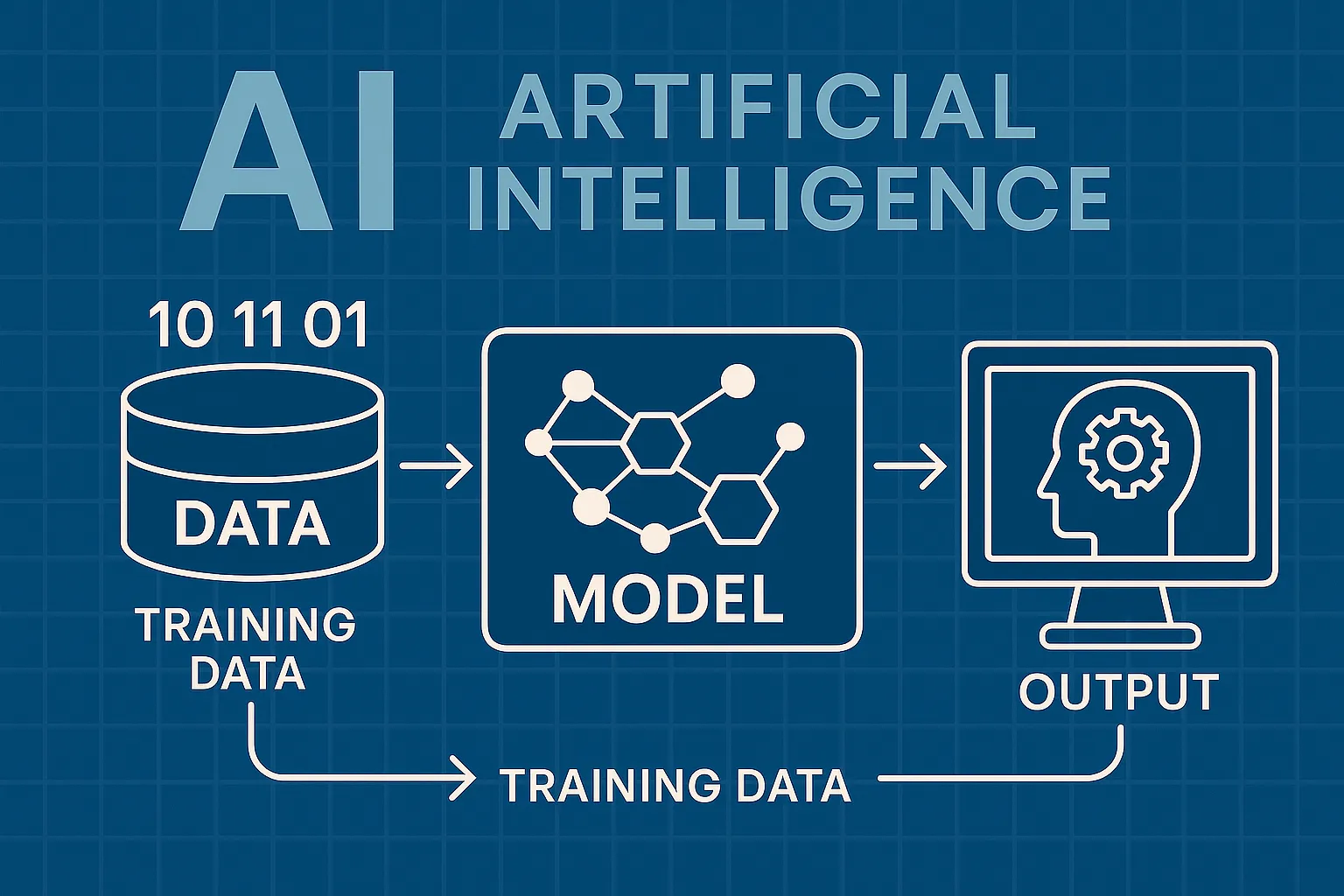
Understand the basics of how AI systems learn, make decisions, and power tools like chatbots, image generators, and virtual assistants.

What Is Vibe Coding?
Discover the rise of vibe coding — an intuitive, aesthetic-first approach to building websites and digital experiences with help from AI tools.

7 Common Myths About AI
Think AI is conscious, infallible, or coming for every job? This post debunks the most widespread misconceptions about artificial intelligence today.

The Future of AI
From generative agents to real-world robotics, discover how AI might reshape society, creativity, and communication in the years ahead.
How AI Is Changing the Job Market
Will AI replace your job — or create new ones? Explore which careers are evolving, vanishing, or emerging in the AI-driven economy.

Common Issues with AI
Hallucinations, bias, privacy risks — learn about the most pressing problems in current AI systems and what causes them.