AI-powered web scraping tools have redefined how data is collected online, offering intuitive, no-code solutions for extracting information from virtually any website. These tools use artificial intelligence to automatically detect page structure, identify relevant data fields, and export clean, structured content — all without requiring programming knowledge. Whether you're monitoring e-commerce prices, gathering real estate listings, tracking SEO rankings, or conducting large-scale market research, AI scrapers streamline the entire process with precision and speed. In 2026, the best tools go beyond simple point-and-click functionality, offering smarter auto-detection, reliable scheduling, anti-blocking technology, and seamless integrations with spreadsheets, APIs, and cloud workflows. With options available for both casual users and enterprise teams, AI web scraping platforms provide scalable, user-friendly ways to automate online data collection. This page highlights the top AI web scraping tools as of February 2026, comparing their automation capabilities, ease of use, output formats, and pricing — so you can find the right solution to power your next data project or competitive intelligence task.

Top Paid AI Web Scraping Tools
| Rank | Tool | Key Feature | Price | Output Formats |
|---|---|---|---|---|
| #1 | Browse AI | No-code bots + AI auto-detection | From $48/month | CSV, Sheets, API |
| #2 | Apify | Marketplace “Actors” + custom automation | From $29/month | JSON, CSV, API |
| #3 | Zyte | Anti-blocking + extraction API at scale | Pay-as-you-go | Structured API (JSON) |
| #4 | Octoparse | Visual workflow builder + cloud scheduling | From $75/month | Excel/CSV, API |
| #5 | Diffbot | AI extraction + entity enrichment/knowledge graph | Enterprise plans | JSON, Knowledge Graph |
Browse AI
Browse AI is one of the easiest ways to turn websites into structured datasets without writing a single line of code. You “train” a bot by clicking the fields you want (prices, names, links, stock status, reviews, etc.), and the platform uses AI to understand page structure and keep your extraction stable as the site changes. It’s especially strong for recurring tasks like competitor monitoring, lead list collection, product tracking, and marketplace research. In addition to multi-page navigation and scheduled runs, Browse AI supports change alerts so you can get notified when values update — perfect for price watching or inventory monitoring. Exports are straightforward (CSV and Google Sheets) and the API makes it easy to push data into dashboards, automations, or internal tools. If you want a fast setup, clean output, and reliable automation for everyday scraping workflows, Browse AI remains a top-tier paid choice in 2026.
Apify
Apify is a powerful scraping and automation platform that works for both non-coders and developers, which is why it’s consistently ranked among the best web scraping ecosystems. The biggest advantage is its massive marketplace of ready-to-run “Actors” (prebuilt scrapers and crawlers) for common targets and use cases — plus the ability to build your own custom scrapers in JavaScript when you need full control. Apify shines on complex jobs: large crawling runs, dynamic sites, login flows, JavaScript rendering, proxy rotation, scheduling, and integrations via API. Output options are flexible, with clean JSON/CSV exports and pipelines that can feed data into products, monitoring systems, or internal dashboards. For teams that need scraping to be scalable, repeatable, and production-grade — without locking into a single no-code workflow — Apify is one of the strongest paid platforms available as of February 2026.
Zyte
Zyte focuses on reliable web data extraction at scale — especially when websites are difficult, dynamic, or aggressive about blocking scrapers. Instead of building everything from scratch, you get infrastructure designed to reduce the most common scraping pain: CAPTCHAs, IP bans, throttling, and JavaScript-heavy pages. Zyte’s approach is ideal for data teams and developers who want consistent results with fewer “scraper maintenance” headaches. For recurring high-volume tasks like e-commerce intelligence, travel aggregation, market monitoring, and directory crawling, Zyte’s anti-blocking capabilities and structured API output help keep pipelines stable. Pay-as-you-go pricing is also useful for teams that don’t want to commit to a big monthly plan upfront. If your primary problem is reliability on hard targets — not just building a basic extractor — Zyte is one of the best paid options in 2026.
Octoparse
Octoparse remains a go-to solution for people who want a visual, point-and-click scraping workflow that still handles advanced website behavior. You can build extraction tasks by selecting elements on the page, then layer in logic for pagination, infinite scroll, AJAX content, and multi-step navigation. For many business users, researchers, and growth teams, this is the sweet spot: you get a strong GUI instead of writing selectors and scripts, but you still end up with structured datasets that are ready for analysis. Octoparse also supports cloud execution and scheduling for recurring jobs, which is essential if you’re running scrapes daily or weekly. Export formats like Excel/CSV make it easy to share results, and API options help connect your data to apps and workflows. If you need an approachable interface with serious scraping capability behind it, Octoparse is a strong paid choice for 2026.
Diffbot
Diffbot is designed for teams that want more than raw scraping — it’s about AI extraction plus enrichment that turns web pages into usable knowledge. Instead of manually defining rules for every site, Diffbot focuses on identifying page meaning (articles, products, organizations, people, and other entities) and returning structured fields through APIs. This is especially valuable for competitive intelligence, large-scale content analysis, product catalog aggregation, and data pipelines where entity resolution matters. Diffbot can also build knowledge-graph style datasets that help you connect information across many sources, which is a major advantage for enterprises working with millions of pages. While pricing is typically enterprise-focused, the time saved on extraction logic and maintenance can be huge for teams doing serious web data work. If you want structured output with semantic context — not just a scraped table — Diffbot is one of the most advanced paid tools available in 2026.
Top Free AI Web Scraping Tools
| Rank | Tool | Key Feature | Limitations | Ideal For |
|---|---|---|---|---|
| #1 | Thunderbit (Free Plan) | AI Chrome extension → spreadsheet in minutes | Small monthly quota on free tier | Quick lists, leads, research |
| #2 | Browse AI (Free Plan) | No-code bots + monitoring alerts | Limited credits and bots | Lightweight recurring scrapes |
| #3 | Diffbot (Free Plan) | AI extraction API with monthly credits | Free credits cap; advanced features paid | Testing structured extraction APIs |
| #4 | Instant Data Scraper (Chrome) | Auto-detects tables/lists using heuristics | Best for visible page data; less control | Fast exports to CSV/XLSX |
| #5 | Web Scraper (Free Extension) | Point-and-click sitemaps for crawling | Manual setup; learning curve | Multi-page crawling without code |
Thunderbit (Free Plan)
Thunderbit is a modern, AI-first web scraping assistant that works as a Chrome extension, designed for people who want data fast without building complicated scraping workflows. The core experience is simple: open a page, run the scraper, confirm the suggested fields, and export the results to a spreadsheet-style table. It’s especially useful for lead generation lists, directory scraping, product research, and quick competitive checks where you don’t want to spend time on selectors or brittle rules. The free plan is intentionally lightweight, but it’s still enough to validate whether Thunderbit’s AI understands the layout you’re scraping and to knock out small one-off tasks. If you want “two clicks to a spreadsheet” for quick projects, Thunderbit is one of the best free ways to get started in 2026.
Browse AI (Free Plan)
Browse AI’s free plan is a strong entry point into no-code scraping because it includes the same core workflow as the paid product: train a bot by clicking the fields you want, run it on a schedule, and export results to common formats. The difference is scale — the free tier limits how often you can run bots, how many bots you can maintain, and how many credits you get per month. Still, it’s a great “starter scraper” for anyone tracking a small set of pages like a competitor’s product list, a real estate search results page, or a frequently updated directory. If your goal is to automate basic data extraction and monitoring without writing code, Browse AI’s free tier is one of the most practical options available as of February 2026.
Diffbot (Free Plan)
Diffbot’s free plan is ideal if you want to test AI extraction APIs on real-world web pages without committing to an enterprise contract right away. Instead of building site-specific rules, Diffbot focuses on understanding page content and returning structured fields through APIs — which can be a big time saver for developers and analysts experimenting with automation, entity extraction, or content pipelines. The free plan’s monthly credits are best used for proofs of concept: validating output quality on your target sites, checking which endpoints return the cleanest structure, and testing how well extraction holds up across different page types. If you’re exploring AI-based structured extraction rather than basic table scraping, Diffbot’s free plan is one of the most useful “try before you scale” options in 2026.
Instant Data Scraper (Chrome)
Instant Data Scraper is a fast, no-setup Chrome extension that attempts to automatically detect the most relevant table or list data on a webpage and export it immediately. It’s great when you’re looking at a directory page, a product listing grid, a search results page, or any site where the data you need is already visible and structured. Since the tool focuses on speed and convenience, you don’t get the same level of control you’d have in full scraping platforms — but that’s also why it’s so useful for quick jobs. For students, marketers, or founders who need to grab a dataset quickly and move on, Instant Data Scraper is one of the best free “export this page to Excel” tools available.
Web Scraper (Free Extension)
Web Scraper (from webscraper.io) is a well-known free scraping extension that uses a sitemap-style configuration to crawl websites and extract structured fields. While it’s not “AI-driven” in the same way as newer tools, it remains extremely valuable because it can handle multi-page navigation, deeper crawling, and more deliberate extraction logic when you’re willing to configure it. The tradeoff is that you’ll spend some time learning the interface and building selectors — but once a sitemap is set up, it can be reused and adjusted for similar sites. If you want a free tool that can go beyond single-page exports and you don’t mind a bit of setup, Web Scraper is still a reliable option in 2026.
Rankings

Chatbots
AI chatbots have quickly evolved from simple assistants into powerful, multi-purpose tools used by millions of people every day...

Image Generators
AI image generators are revolutionizing the way creatives, marketers, and developers produce visual content by transforming text prompts into detailed, customized...

Writing Assistants
AI writing assistants have become indispensable tools for anyone who writes — from students and bloggers to business professionals and marketers...

Deepfake Detection
As deepfake technology becomes more advanced and accessible, detecting AI-manipulated content is now a critical challenge across journalism, education, law, and...
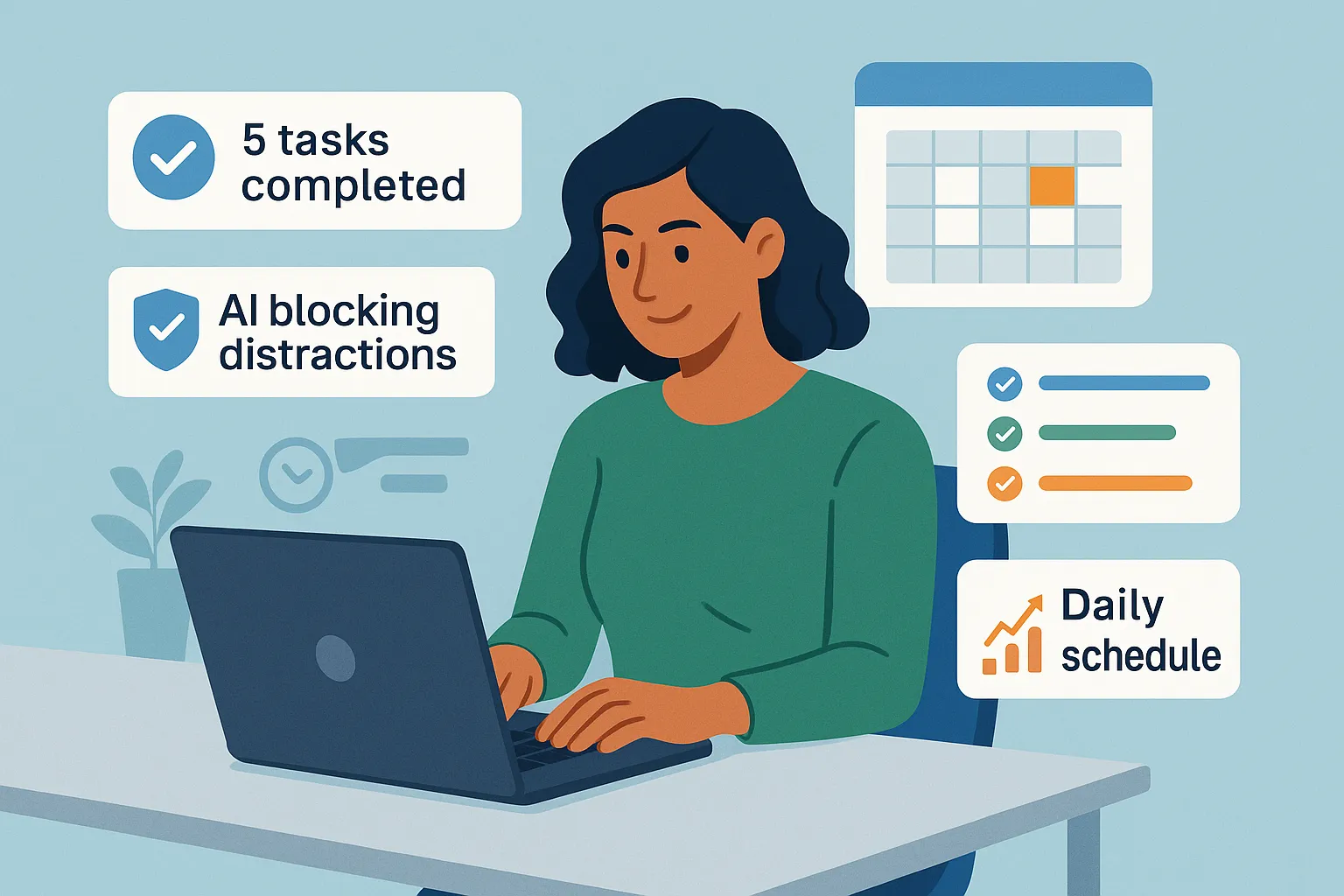
Productivity & Calendar
AI productivity and calendar tools have become essential for professionals, entrepreneurs, and students looking to make the most of their time without getting overwhelmed...
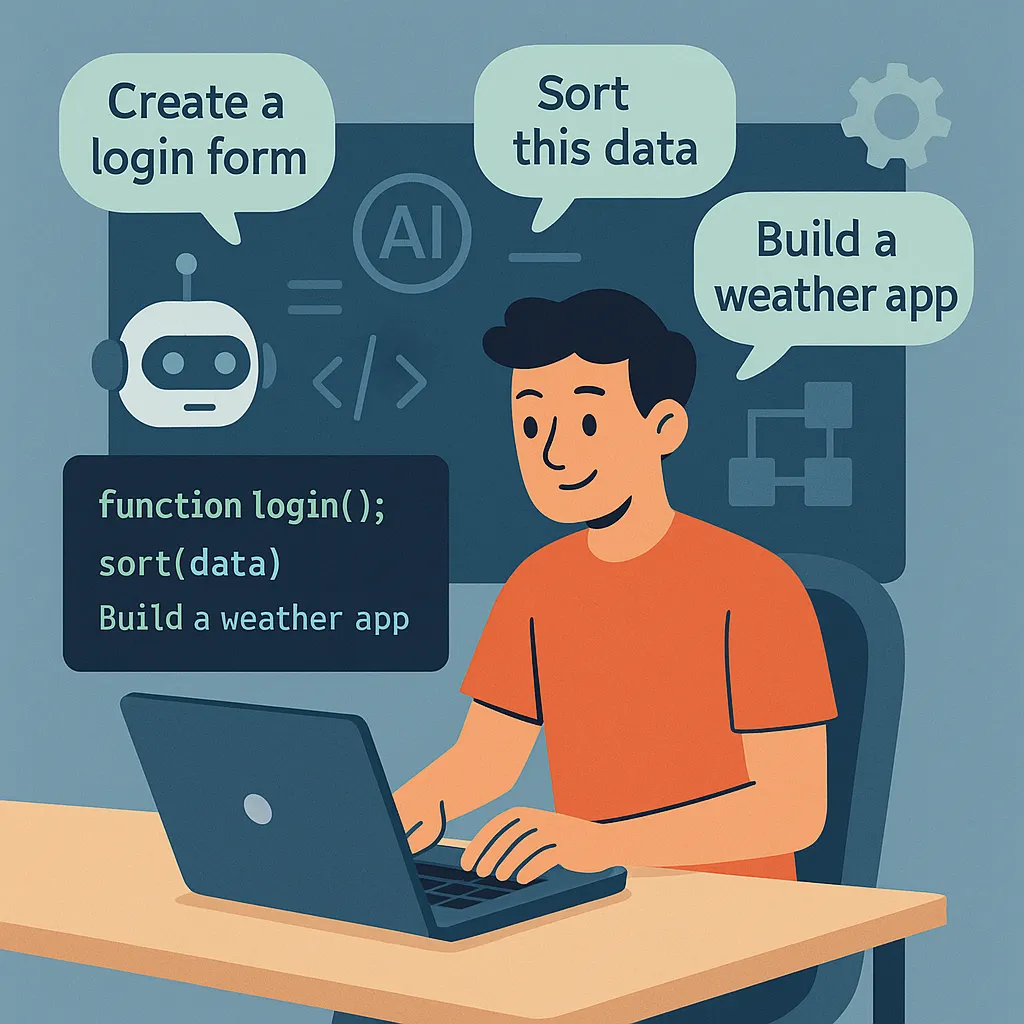
Natural Language To Code
Natural language to code tools are transforming software development by enabling users to build apps, websites, and workflows without needing advanced programming...
Blog
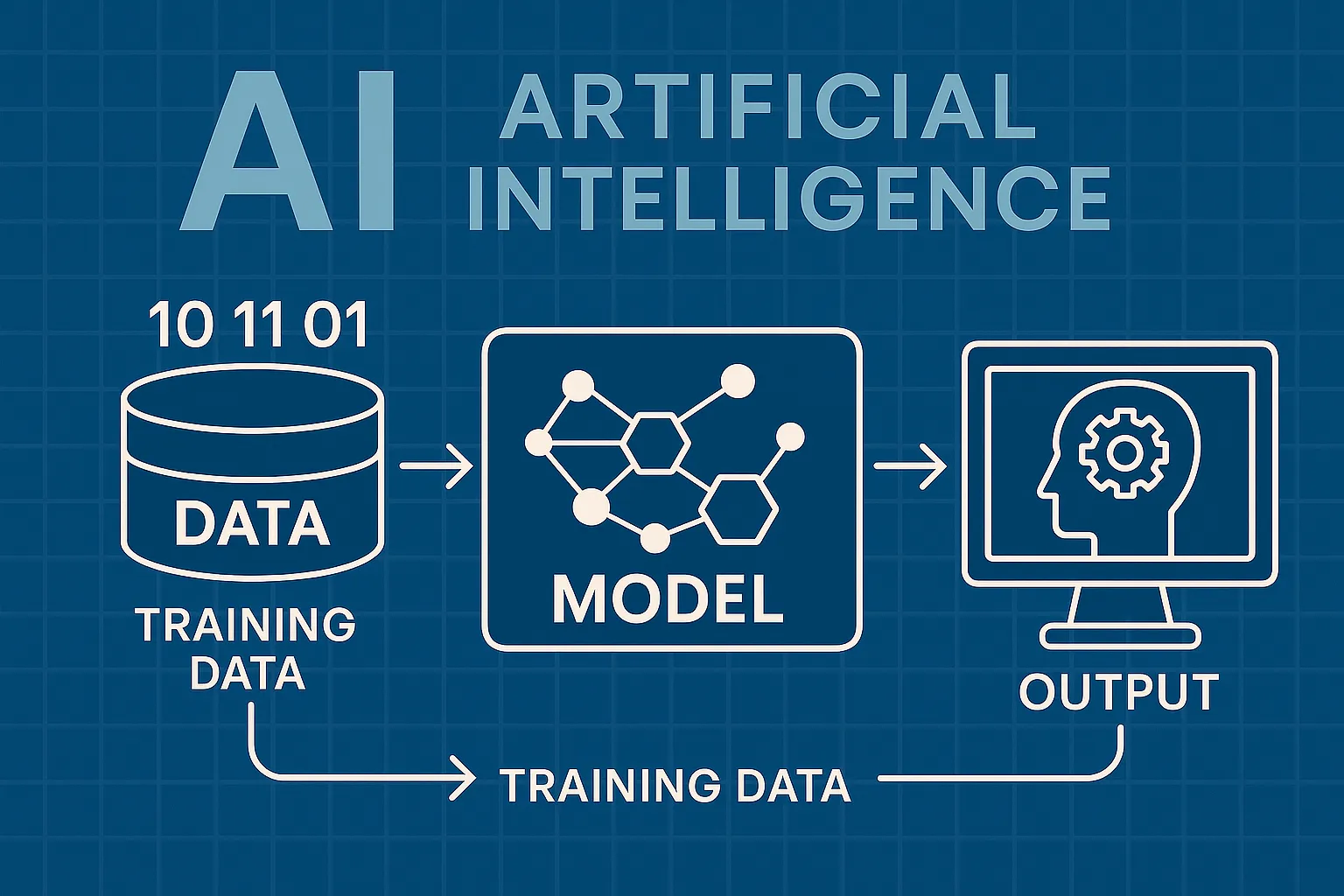
How AI Actually Works
Understand the basics of how AI systems learn, make decisions, and power tools like chatbots, image generators, and virtual assistants.

What Is Vibe Coding?
Discover the rise of vibe coding — an intuitive, aesthetic-first approach to building websites and digital experiences with help from AI tools.
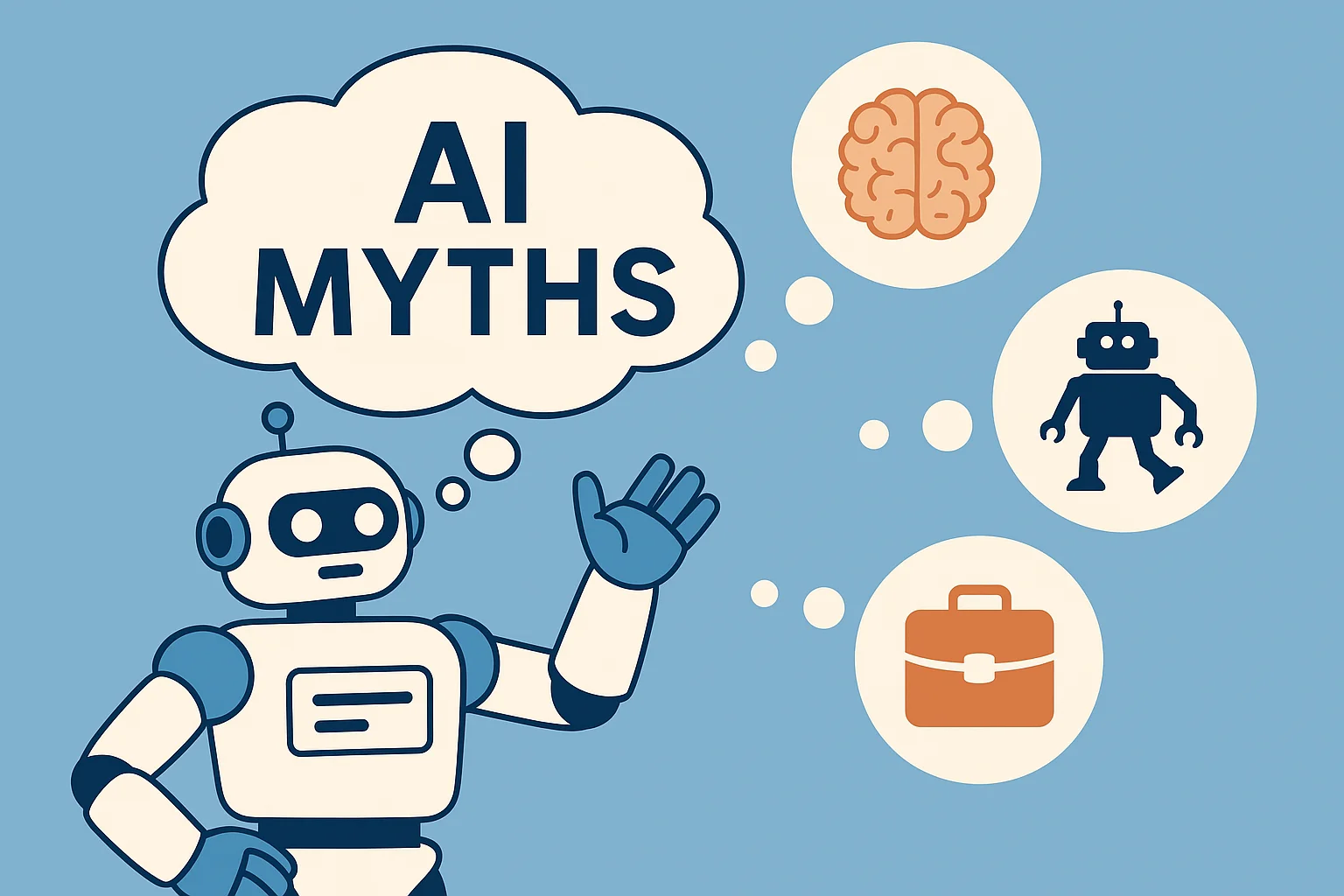
7 Common Myths About AI
Think AI is conscious, infallible, or coming for every job? This post debunks the most widespread misconceptions about artificial intelligence today.

The Future of AI
From generative agents to real-world robotics, discover how AI might reshape society, creativity, and communication in the years ahead.
How AI Is Changing the Job Market
Will AI replace your job — or create new ones? Explore which careers are evolving, vanishing, or emerging in the AI-driven economy.

Common Issues with AI
Hallucinations, bias, privacy risks — learn about the most pressing problems in current AI systems and what causes them.