AI is rapidly becoming a vital part of modern web development, empowering developers to write code faster, reduce bugs, and streamline their entire workflow. From intelligent autocompletion and code refactoring to UI generation and real-time debugging, today’s AI tools integrate seamlessly with popular IDEs, frameworks, and deployment platforms. These tools help developers build responsive websites, scalable apps, and user-friendly interfaces more efficiently — often cutting development time significantly while improving code quality. Whether you're freelancing, contributing to a startup, or working within a larger engineering team, AI can automate repetitive tasks, assist with problem-solving, and speed up the design-to-deployment pipeline. In February 2026, the strongest options go beyond “autocomplete” and include agent-style workflows, codebase-aware chat, and prompt-to-UI generators that can produce production-ready components in minutes. With tools tailored to both front-end and back-end work, and platforms designed for beginners and professionals alike, web developers now have unprecedented access to smart assistants that can elevate productivity without sacrificing control. This page ranks the best AI tools for web developers in 2026, comparing features, integrations, and value to help you choose the right platforms for your stack.

Best Paid AI Tools for Web Developers
| Rank | Tool | Strength | Price | Limits |
|---|---|---|---|---|
| #1 | GitHub Copilot | Best all-around AI pair programmer | $10/month | Plan-based premium request quotas |
| #2 | Cursor | Agentic coding in a fast AI-first editor | $20/month | Model usage credits by plan |
| #3 | JetBrains AI Assistant | Deep IDE integration for serious dev workflows | From $100/year | AI credits/quota based on plan |
| #4 | Replit Agent | Prompt-to-app building + instant deployment | From $20/month | Credits and capability vary by tier |
| #5 | v0 by Vercel | Generate modern UI components fast | From $20/month | Credit-based prompts/attachments |
GitHub Copilot
GitHub Copilot remains the gold-standard AI companion for web developers in 2026 because it fits naturally into real coding workflows without forcing you into a new platform. It provides strong context-aware suggestions for JavaScript/TypeScript, React, Next.js, Node, Python, and more, and it’s especially good at accelerating common web tasks like component scaffolding, API routes, form validation, database queries, and unit tests. Copilot shines in the day-to-day: writing boilerplate faster, suggesting clean patterns, generating docs and comments, and helping you debug by explaining errors and proposing targeted fixes. Since it works inside mainstream editors and supports modern frameworks, it scales from solo devs to teams shipping production web apps. If you want the most reliable “turn down the friction” tool for building and maintaining web projects, Copilot is still the safest #1 choice.
Cursor
Cursor is an AI-first code editor built for developers who want a tighter feedback loop than traditional “plugin-only” assistants. In 2026, it’s one of the most popular choices for agent-style workflows: you can ask it to implement features across files, refactor components, explain unfamiliar code, and help troubleshoot bugs while keeping the work grounded in your actual repository. Cursor is particularly useful for web developers working with larger codebases, because it can reason across context, propose multi-file edits, and speed up tasks like migrating UI libraries, converting components to TypeScript, reorganizing routes, or cleaning up build and lint errors. It’s also strong for rapid prototyping when you want to go from idea → working UI quickly, then iterate in the same environment. If you like the idea of “AI that actively helps build” instead of “AI that only suggests lines,” Cursor is a top-tier paid tool.
JetBrains AI Assistant
JetBrains AI Assistant is an ideal pick for web developers who live inside JetBrains IDEs and want AI support that feels native rather than bolted on. It integrates directly into the editor experience for tasks like code completion, refactoring guidance, documentation generation, test creation, and debugging help — the kinds of everyday actions that can save hours across a month of development. For web stacks, it’s especially helpful when you’re juggling large TypeScript codebases, complex backend logic, or multi-module projects where navigation and context matter. Because it’s built around professional IDE workflows, it tends to pair well with serious engineering practices: consistent formatting, safe refactors, clearer code reviews, and better long-term maintainability. If you already prefer JetBrains tooling for productivity and structure, AI Assistant is a natural upgrade that makes those workflows faster.
Replit Agent
Replit Agent is one of the most practical “from prompt to deployed web app” tools in 2026, especially for developers who want to prototype quickly, share builds instantly, or build in a browser-first environment. Instead of only assisting with code, Replit Agent helps you create full applications: it can generate project structure, write front-end and back-end logic, and guide you through debugging while you run the app in the same workspace. For web developers, it’s useful for spinning up MVPs, building demo dashboards, testing integrations, creating internal tools, and iterating on ideas with stakeholders who just want a link they can click. It won’t replace careful engineering for large production systems, but for fast iteration, learning, and shipping functional prototypes with minimal setup time, Replit Agent is hard to beat.
v0 by Vercel
v0 by Vercel is one of the best additions to a modern web developer toolkit when you want to build UI faster without starting from a blank file. It focuses on generating clean, modern interface components from prompts, making it especially useful for landing pages, dashboards, forms, and common product UI patterns. In 2026, v0 is a strong complement to frameworks like React and Next.js because it helps you explore layouts quickly, iterate on styling, and produce components you can refine into production code. It’s also great for developers who aren’t designers: you can describe the UI you want, get a strong starting point, and then customize it to match your design system. If your bottleneck is front-end velocity — building UI structure, spacing, states, and variations — v0 can save a lot of time in the early and mid stages of a build.
Best Free AI Tools for Web Developers
| Rank | Tool | Strength | Limitations |
|---|---|---|---|
| #1 | GitHub Copilot (Free) | Real AI coding help with a free tier | Lower monthly limits vs paid plans |
| #2 | Cursor (Hobby Free) | Try agent workflows in an AI-first editor | Limited agent requests and completions |
| #3 | Codeium (Free) | Fast autocomplete for web stacks in IDEs | Some advanced team features are paid |
| #4 | Continue (Open Source) | Bring your own model for privacy/control | Requires setup; quality depends on model |
| #5 | v0 (Free) | Free credits to generate UI and components | Credit limits; heavy use needs paid plan |
GitHub Copilot (Free)
GitHub Copilot now includes a free tier that makes it much easier for web developers to try high-quality AI coding assistance before paying. For beginners and students, it’s one of the best “learn by building” tools because it can suggest working patterns, explain code, and help fix errors while you stay inside a real editor workflow. For experienced developers, the free tier still provides meaningful acceleration for small projects, quick bug fixes, and repetitive tasks like form handling, API scaffolding, and component boilerplate. The main tradeoff is monthly limits, so heavy daily usage typically pushes you toward a paid plan. But as a free starting point that still feels professional, Copilot Free is one of the strongest options available in 2026.
Cursor (Hobby Free)
Cursor’s Hobby plan is a great way to experience modern “agentic” development without committing to a subscription. Even with free limits, it lets you test the core workflows that make Cursor popular: asking the editor to implement changes, explain code, and help you iterate faster across a project. This is especially useful for web developers who want to speed up tasks like wiring up routes, converting components, cleaning up TypeScript errors, or restructuring UI code while staying in a familiar editor environment. Because usage is capped on the free tier, it’s best for experimentation and lighter projects — but it’s still one of the most compelling free ways to try AI-first coding in 2026.
Codeium (Free)
Codeium’s free plan is a strong Copilot-style alternative for web developers who want fast autocomplete and reliable code suggestions inside popular IDEs. It’s particularly helpful for front-end work where speed matters: generating JSX/TSX structure, writing CSS utility patterns, building small helper functions, and cleaning up repetitive code. Many developers like Codeium for its low-latency feel — suggestions show up quickly, which makes it easier to stay in flow while building UI or fixing bugs. While advanced enterprise controls and some team workflows sit behind paid tiers, the free version is still genuinely useful for solo developers, students, and anyone building web projects on a budget.
Continue (Open Source)
Continue is a powerful choice for web developers who want an AI coding assistant that’s flexible and privacy-friendly. Instead of locking you into a single vendor, Continue is designed to connect to the model you want (including local or self-hosted options), which is ideal if you’re working on sensitive code or you simply want more control over how AI fits into your workflow. You can use it for code chat, refactoring help, explanations, and development tasks directly in your editor. The main limitation is setup and model selection: it can take a bit of configuration, and your experience will depend heavily on which model you connect. But if you want a free, customizable AI assistant that can grow with your stack, Continue is one of the best picks available.
v0 (Free)
v0’s free tier is one of the best ways for web developers to speed up UI creation without paying upfront. It typically provides a small pool of free credits that you can use to generate layouts and components, which is perfect for exploring ideas, building landing page sections, and rapidly iterating on common UI patterns like pricing pages, dashboards, sign-up forms, and navigation systems. The biggest limitation is credit usage: if you rely on it heavily during a build, you’ll likely need to upgrade. But for prototyping, quick UI generation, and accelerating the “blank page → working layout” phase, v0 Free is a genuinely useful tool in 2026.
Rankings

Chatbots
AI chatbots have quickly evolved from simple assistants into powerful, multi-purpose tools used by millions of people every day...

Image Generators
AI image generators are revolutionizing the way creatives, marketers, and developers produce visual content by transforming text prompts into detailed, customized...

Writing Assistants
AI writing assistants have become indispensable tools for anyone who writes — from students and bloggers to business professionals and marketers...

Deepfake Detection
As deepfake technology becomes more advanced and accessible, detecting AI-manipulated content is now a critical challenge across journalism, education, law, and...

Productivity & Calendar
AI productivity and calendar tools have become essential for professionals, entrepreneurs, and students looking to make the most of their time without getting overwhelmed...
Natural Language To Code
Natural language to code tools are transforming software development by enabling users to build apps, websites, and workflows without needing advanced programming...
Blog
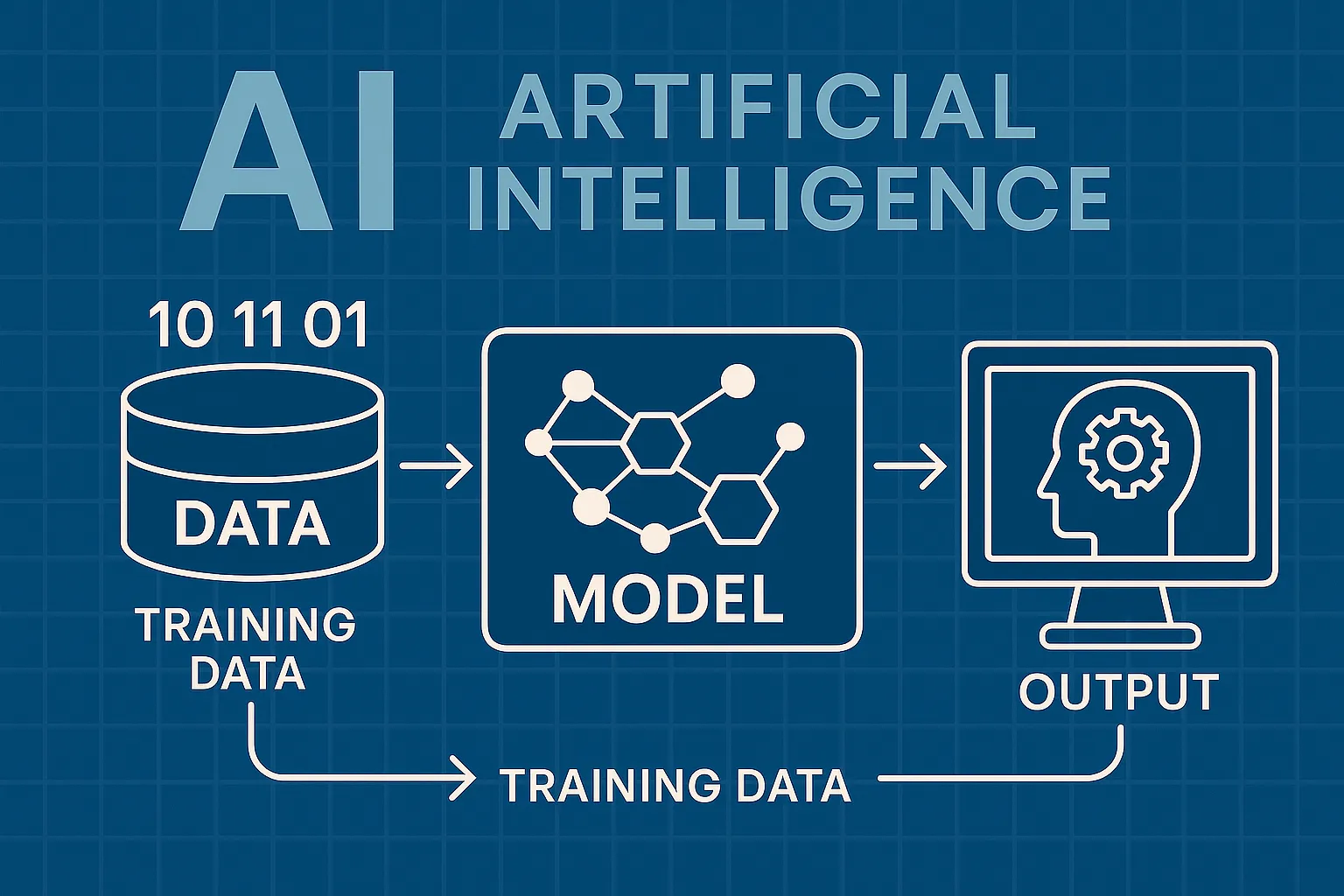
How AI Actually Works
Understand the basics of how AI systems learn, make decisions, and power tools like chatbots, image generators, and virtual assistants.

What Is Vibe Coding?
Discover the rise of vibe coding — an intuitive, aesthetic-first approach to building websites and digital experiences with help from AI tools.

7 Common Myths About AI
Think AI is conscious, infallible, or coming for every job? This post debunks the most widespread misconceptions about artificial intelligence today.

The Future of AI
From generative agents to real-world robotics, discover how AI might reshape society, creativity, and communication in the years ahead.

How AI Is Changing the Job Market
Will AI replace your job — or create new ones? Explore which careers are evolving, vanishing, or emerging in the AI-driven economy.

Common Issues with AI
Hallucinations, bias, privacy risks — learn about the most pressing problems in current AI systems and what causes them.