AI transcription tools have become essential for anyone working with audio or video — from content creators and educators to journalists, businesses, and podcasters. These platforms use modern speech recognition models to convert spoken words into accurate, time-stamped text, making content searchable, editable, and far easier to repurpose. In 2026, the best transcription tools go well beyond “speech-to-text”: they add speaker labeling, summaries, highlights, action items, multilingual support, and exports like SRT, VTT, DOCX, and TXT for captions or documentation. Many integrate directly with Zoom, Google Meet, Microsoft Teams, and popular editing workflows, while team-ready options offer shared folders, permissions, and collaboration notes. With both free and paid tiers available, you can choose the right fit based on your transcription volume, accuracy needs, privacy requirements, and whether you want lightweight captioning or a complete meeting-and-content pipeline. This guide ranks the top AI transcription tools of 2026 — comparing speed, accuracy, workflow features, and overall value — so you can turn speech into clean, usable text with minimal effort and maximum productivity.
Best Paid AI Transcription Tools
| Rank | Tool | Strength | Price | Use Case |
|---|---|---|---|---|
| #1 | Otter.ai | Live transcription + summaries + collaboration | From ~$8.33/user/month (annual) | Meetings, education, teams |
| #2 | Descript | Transcript-based audio/video editing | From ~$16/month | Podcasts, creators, editors |
| #3 | Rev AI Transcription | Fast, on-demand AI transcripts by the minute | ~$0.25/minute (pay-as-you-go) | Interviews, legal prep, quick turnaround |
| #4 | Sonix | Multilingual transcription + subtitles + sharing | From ~$10/hour (usage-based) | Agencies, global content, subtitles |
| #5 | Trint | Collaborative transcription editor for media teams | From ~$80/month | Journalism, research, editorial workflows |
Otter.ai
Otter.ai remains one of the most practical “meeting-first” transcription platforms in 2026 because it combines live transcription, speaker labeling, and AI summaries in a workflow that teams actually use day-to-day. It’s especially strong for recurring meetings where you want searchable history, highlights, and easy sharing — not just a raw transcript. Otter supports common video-call platforms and is designed to reduce post-meeting admin: you can skim key moments, pull quotes, and turn outcomes into action items without rewriting everything from scratch. For students and educators, it’s useful for lectures and study notes, while professionals benefit from consistent formatting and collaboration features. If your main need is accurate, fast meeting transcripts with organization and recap tools built in, Otter is a reliable paid option.
Descript
Descript is the best fit when transcription is only the beginning — especially for creators who want to turn spoken audio into polished content. Its standout advantage is transcript-based editing: you remove words and sentences in text, and Descript edits the underlying audio/video automatically. That makes it ideal for podcasts, YouTube workflows, course content, and marketing clips where you’re cutting filler, tightening pacing, and exporting captions. Beyond transcription, it supports fast corrections, speaker-aware editing, and flexible exports that help you repurpose content into show notes, social captions, and subtitles. In 2026, Descript is still a top choice for creators because it merges transcription with a production pipeline, so you spend less time bouncing between tools and more time shipping finished media.
Rev AI Transcription
Rev is a strong paid choice when you want simple, dependable transcripts on demand without committing to a complex workspace. Its AI transcription is straightforward: upload audio or video and get a transcript back quickly, with a clean editor and convenient export formats for documents and captions. This makes Rev especially useful for interview-heavy workflows (journalism, research, hiring), where you might transcribe irregularly but still want consistent formatting and easy sharing. It’s also a practical option for teams that need a “just get it transcribed” solution today, then optionally refine and annotate later. Rev’s broader ecosystem can be helpful if you ever need higher-stakes accuracy or accessibility-focused outputs, but its AI transcription offering alone is already a strong paid tool for fast turnaround and reliable exports.
Sonix
Sonix is a powerful transcription platform for users who care about language coverage, subtitle workflows, and a clean browser-based editor. In 2026, it’s particularly popular with agencies and global teams because it supports multilingual transcription and makes it easy to generate captions (SRT/VTT), search transcripts, and collaborate across projects. Sonix also fits “batch processing” needs well — for example, transcribing many client interviews, webinars, or training videos and organizing outputs in a predictable structure. Its usage-based approach is convenient if your workload changes month to month, and the editor is designed for fast cleanup with time syncing, speaker separation, and export flexibility. If you produce content across multiple languages or frequently need subtitles, Sonix is one of the most scalable paid options.
Trint
Trint is built for teams who treat transcripts as working documents — not just files to export and forget. It’s a strong pick for journalism, research, and editorial environments where multiple people need to review, highlight, correct, and collaborate on the same transcript. The platform emphasizes a structured, time-coded editor that makes it easy to jump between text and audio, pull quotes accurately, and keep projects organized across shared workspaces. Trint’s value shows up when speed and collaboration matter: teams can move from recording to usable text quickly, then polish and annotate in a consistent system. If you’re building a transcript-driven workflow for content production, investigations, or documentation — especially with multiple stakeholders — Trint is a premium tool that’s designed specifically for that process.
Best Free AI Transcription Tools
| Rank | Tool | Strength | Limitations | Notes |
|---|---|---|---|---|
| #1 | OpenAI Whisper (Open Source) | High-quality multilingual transcription | Manual setup required | Best free engine for DIY workflows |
| #2 | YouTube Studio Auto Captions | Free captions you can edit + export | Requires upload to YouTube | Great for creators needing SRT/VTT |
| #3 | Tactiq (Free) | Live meeting transcripts in the browser | Monthly caps on transcripts/AI credits | Fast setup for Meet/Zoom/Teams |
| #4 | Notta (Free Tier) | Clean UI + file uploads + exports | Monthly transcription quota | Best “easy” free plan to test |
| #5 | Google Docs Voice Typing | Instant speech-to-text in the browser | Not a file-based transcription tool | Great for live dictation and notes |
OpenAI Whisper (Open Source)
Whisper is one of the most respected free transcription engines available because it delivers strong accuracy across many languages and audio conditions. In practice, it’s best for DIY users who want a high-quality transcription pipeline without paying a subscription — for example, transcribing podcasts, interviews, lectures, or archived audio. The tradeoff is convenience: Whisper is a model (not a polished app), so you’ll typically run it locally or through a developer-friendly wrapper, then export transcripts into your editor of choice. Once set up, it’s extremely flexible: you can batch transcribe files, choose model sizes for speed vs accuracy, and integrate it into custom workflows. If you want maximum control and the strongest “free core engine,” Whisper is the top pick — especially for creators who don’t mind a bit of setup.
YouTube Studio Auto Captions
YouTube Studio’s automatic captions are a surprisingly effective free option when your goal is subtitles rather than full transcript collaboration. Upload your video, let YouTube generate captions, then edit them for accuracy and formatting before exporting. This is especially useful for creators who need SRT/VTT files for short-form clips, repurposed content, or accessibility compliance — and it works well as a “free captioning step” even if YouTube isn’t your main platform. The biggest limitation is the workflow requirement: you need to upload content to YouTube (public, unlisted, or private depending on your needs) and wait for captions to generate. But for many creators, it’s one of the fastest free ways to turn video into editable captions you can reuse elsewhere.
Tactiq (Free)
Tactiq is a lightweight way to get meeting transcripts without changing your entire workflow. As a browser-based extension, it’s designed for live transcription during calls — making it a great fit for students, managers, and remote workers who want searchable notes right after a meeting ends. The free plan is best for lower-volume use: it gives you a small monthly allowance (transcripts and AI credits) and basic exporting/sharing, so you can test whether the format and accuracy work for your meetings. Tactiq’s biggest advantage is speed-to-value: install, join a call, and start capturing text with minimal setup. If you want quick meeting transcripts and basic summaries without committing to a full paid suite, Tactiq is one of the most practical free starting points.
Notta (Free Tier)
Notta’s free tier is a strong “easy mode” option for transcription because it provides a clean interface, file-based transcription, and useful exports without requiring technical setup. It’s well-suited for casual transcription needs like short interviews, voice notes, or occasional meeting recordings — and it’s a great way to validate whether you need a paid plan at all. Notta typically limits free users by monthly transcription minutes and/or usage caps, so heavy workloads will hit the ceiling quickly. Still, the overall experience is smooth: upload audio, get a transcript with timestamps and speaker support (depending on the file), then export into common formats for editing or sharing. If you want a friendly UI and simple end-to-end transcription for light usage, Notta is an excellent free option.
Google Docs Voice Typing
Google Docs Voice Typing isn’t a traditional “upload audio and transcribe” tool, but it’s still one of the most useful free speech-to-text options for live transcription and rapid note capture. If you’re in a lecture, brainstorming session, or interview (with permission), you can dictate directly into a document and get instant text that’s already editable and shareable. This makes it a great companion tool for writers, students, and professionals who want quick drafts, meeting notes, or structured outlines without touching a keyboard. The limitation is that it works best for real-time speaking into a microphone, not transcribing existing audio files with timestamps and speaker separation. But for live dictation and fast documentation, it’s a dependable free option that’s available to almost everyone.
Rankings

Chatbots
AI chatbots have quickly evolved from simple assistants into powerful, multi-purpose tools used by millions of people every day...

Image Generators
AI image generators are revolutionizing the way creatives, marketers, and developers produce visual content by transforming text prompts into detailed, customized...

Writing Assistants
AI writing assistants have become indispensable tools for anyone who writes — from students and bloggers to business professionals and marketers...

Deepfake Detection
As deepfake technology becomes more advanced and accessible, detecting AI-manipulated content is now a critical challenge across journalism, education, law, and...
Productivity & Calendar
AI productivity and calendar tools have become essential for professionals, entrepreneurs, and students looking to make the most of their time without getting overwhelmed...
Natural Language To Code
Natural language to code tools are transforming software development by enabling users to build apps, websites, and workflows without needing advanced programming...
Blog
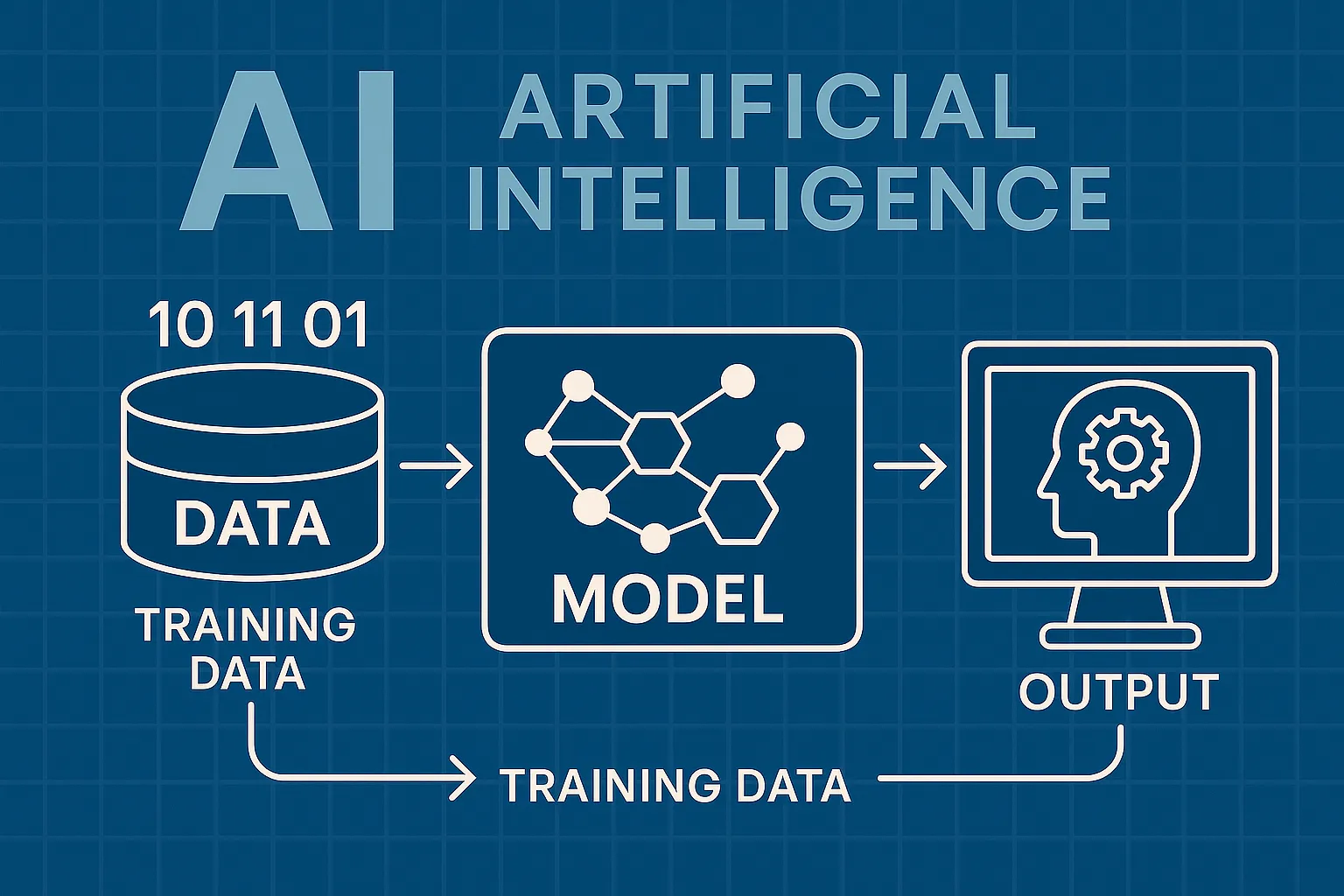
How AI Actually Works
Understand the basics of how AI systems learn, make decisions, and power tools like chatbots, image generators, and virtual assistants.

What Is Vibe Coding?
Discover the rise of vibe coding — an intuitive, aesthetic-first approach to building websites and digital experiences with help from AI tools.

7 Common Myths About AI
Think AI is conscious, infallible, or coming for every job? This post debunks the most widespread misconceptions about artificial intelligence today.

The Future of AI
From generative agents to real-world robotics, discover how AI might reshape society, creativity, and communication in the years ahead.
How AI Is Changing the Job Market
Will AI replace your job — or create new ones? Explore which careers are evolving, vanishing, or emerging in the AI-driven economy.

Common Issues with AI
Hallucinations, bias, privacy risks — learn about the most pressing problems in current AI systems and what causes them.