Teachers are increasingly turning to AI to streamline the growing demands of modern education — from lesson planning and differentiation to grading, feedback, and parent communication. The best education-focused AI tools in 2026 are designed to support real classroom workflows: generating standards-aligned materials, adapting readings to multiple levels, building engaging activities, and helping teachers respond faster without losing a professional, human tone. Whether you're crafting quizzes, simplifying reading materials, designing visuals, or generating custom lesson content, AI can enhance productivity without sacrificing personalization when used responsibly. Many platforms now offer tailored solutions for K-12 teachers, special education, ESL, and subject-specific instruction, allowing educators to focus more on teaching and less on repetitive tasks. With both free and paid options available, teachers at every level can access smart tools that align with their goals, curriculum, and student needs. This guide highlights the top AI tools for teachers in 2026 — ranked for usefulness, ease of use, and overall classroom impact — so you can work smarter, reduce burnout, and make learning more dynamic and inclusive for your students.

Top Paid AI Tools for Teachers
| Rank | Tool | Use Case | Price | Limits |
|---|---|---|---|---|
| #1 | MagicSchool AI | Lesson plans, rubrics, IEP supports, teacher writing | $99.99/year | Some tools require educator account |
| #2 | Curipod | AI-generated interactive lessons & slide decks | $8/month | Advanced templates and exports are Pro |
| #3 | Edpuzzle | Video lessons with questions, tracking, and analytics | $11.50/month | Storage and class features vary by tier |
| #4 | Diffit | Differentiate readings + generate worksheets fast | $6.99/month | Free plan has fewer formats and controls |
| #5 | Canva Pro (Teachers) | Lesson visuals, worksheets, slides, and classroom media | $14.99/month | Education access depends on verification |
MagicSchool AI
MagicSchool AI is one of the most teacher-specific AI platforms available in 2026, and it’s built around the tasks that actually create burnout: lesson planning, differentiation, feedback, and communication. Instead of forcing teachers to “prompt engineer” a general chatbot, MagicSchool provides a large library of educator tools that generate standards-friendly lesson materials, rubrics, quick feedback comments, parent emails, and supports for diverse learners. It’s especially useful for turning one core objective into multiple versions of an activity (different levels, accommodations, extension tasks) without rewriting everything from scratch. The outputs are designed to sound like a teacher, not a robot, and the workflow is fast enough to use during planning periods. If you want a single paid tool that consistently saves time across many teacher responsibilities, MagicSchool is one of the strongest all-around picks.
Curipod
Curipod uses AI to generate full lesson slide decks centered around participation, not passive lecturing. Teachers enter a topic, objective, or essential question, and Curipod creates a structured presentation that can include interactive prompts, checks for understanding, short reflection moments, and classroom-friendly visuals. This is particularly effective for teachers who rely on projector-based instruction and want lessons that feel more engaging without spending hours building slides. Curipod also helps with pacing: you get a clear flow that moves from hook to instruction to student response, which is ideal for mixed-ability classrooms. If you want fast, interactive, “ready-to-teach” lessons that keep students involved, Curipod is a high-impact upgrade.
Edpuzzle
Edpuzzle is a classroom staple for making video instruction measurable. Teachers can take a YouTube video or their own recorded content and embed questions, notes, and checkpoints directly into the timeline, then track who watched and how students responded. In 2026, Edpuzzle remains especially useful for flipped classrooms, substitute plans, blended learning, and asynchronous review days because it turns “watching a video” into an accountable learning task. The analytics make it easy to spot gaps — who didn’t finish, which question most students missed, and where confusion spikes — so you can follow up with targeted mini-lessons instead of reteaching everything. If you already use video instruction, Edpuzzle is one of the most reliable ways to turn it into real assessment data.
Diffit
Diffit is designed for one of the most time-consuming classroom needs: differentiation. Teachers can paste a reading passage, link an article, or enter a topic and quickly generate leveled versions of the text, vocabulary support, and comprehension questions — all in a format that’s ready to use. This is especially valuable for inclusive classrooms with a wide range of reading abilities, ESL learners, or students who need extra scaffolding. Instead of spending your prep time rewriting resources at multiple levels, Diffit helps you build a “same concept, different access point” approach quickly and consistently. The paid plan adds more control and output formats, making it a practical everyday tool for teachers who differentiate frequently and need speed without sacrificing quality.
Canva Pro (Teachers)
Canva Pro remains one of the best paid upgrades for teachers who want to create professional, student-friendly visuals without design skills. Teachers use Canva to build worksheets, slides, anchor charts, newsletters, posters, and classroom resources that look clean, consistent, and engaging. It’s also a strong fit for project-based learning because students can create polished deliverables quickly, especially when teachers provide templates. Canva’s AI-powered features can help generate design variations and draft text, which speeds up classroom content creation even more. Education access and free Pro eligibility depend on verification, but even as a paid tool, Canva Pro is worth it for teachers who create visuals weekly and want to reduce time spent formatting and searching for assets.
Top Free AI Tools for Teachers
| Rank | Tool | Use Case | Limitations |
|---|---|---|---|
| #1 | ChatGPT (Free) | Lesson ideas, feedback stems, explanations, emails | Not education-specific; verify outputs |
| #2 | Google Gemini (Free) | Planning help, quick drafts, classroom examples | Features vary by region/account |
| #3 | Canva for Education | Design classroom materials and student templates | School verification may be required |
| #4 | Diffit (Free) | Quick reading levels + questions | Fewer export formats and customization |
| #5 | Slidesgo | Free slide templates for lessons and units | Account needed for some downloads |
ChatGPT (Free)
ChatGPT (Free) is one of the most useful “general” AI tools for teachers because it can help with almost any writing or planning task in minutes. Teachers use it to brainstorm lesson hooks, generate examples, draft exit tickets, create discussion questions, write rubrics, and polish parent communication with a calm, professional tone. It can also help you differentiate by suggesting simpler explanations, alternate practice problems, or scaffolding steps for a concept. Because it’s not built specifically for education, it’s important to review outputs for accuracy and alignment to your curriculum, but it’s still an excellent free assistant for speeding up preparation and reducing decision fatigue. If you want one no-cost tool that handles a wide range of tasks, ChatGPT is hard to beat.
Google Gemini (Free)
Google Gemini (Free) is a helpful option for teachers who want fast drafts, quick explanations, and classroom-ready examples without paying for a subscription. It works well for generating lesson plan outlines, turning standards into learning targets, drafting parent updates, and creating short practice activities. Many teachers also use it as a “rephrasing engine” to simplify directions, adjust tone, or create alternate versions of a prompt for different learners. Like most free AI assistants, the experience can vary depending on account settings and product changes, so it’s best treated as a flexible helper rather than a guaranteed curriculum tool. Still, for quick everyday teaching tasks, Gemini is a strong free resource.
Canva for Education
Canva for Education gives teachers access to a massive library of classroom-ready templates, visuals, and design tools that make lessons feel more engaging without extra prep time. Teachers commonly use it to create worksheets, slides, posters, classroom routines, newsletters, and student project templates — all with a drag-and-drop editor that’s easy to learn. It’s especially valuable for visual learners and project-based instruction, since teachers can provide polished templates that help students focus on content instead of formatting. Education access may require verification through a school, but when available, Canva for Education is one of the best free tools for elevating classroom materials and communication.
Diffit (Free)
Diffit (Free) is a quick, practical differentiation tool that helps teachers turn a single text or topic into leveled reading resources. Even on the free plan, you can generate simplified versions of passages, vocabulary lists, and comprehension questions that make it easier to support ESL learners, students with IEPs, and mixed reading-level groups. It’s especially helpful when you find a great article or resource that’s too advanced for part of your class — Diffit lets you keep the same content while adjusting accessibility. The free version has fewer export options and customization controls, but it still saves time and makes differentiation more realistic for everyday teaching.
Slidesgo
Slidesgo is a fast way for teachers to improve lesson visuals using ready-made slide templates that work with Google Slides and PowerPoint. The templates cover a wide range of subjects and classroom themes, and they’re especially useful when you want a unit to feel consistent and “professional” without spending time designing layouts. Teachers use Slidesgo for direct instruction decks, student project templates, classroom routines, and review games — and because the slides are editable, it’s easy to adapt them to your content and grade level. Some assets require an account, but the free library is still strong enough to save hours over a semester if you make presentations regularly.
Rankings
Chatbots
AI chatbots have quickly evolved from simple assistants into powerful, multi-purpose tools used by millions of people every day...

Image Generators
AI image generators are revolutionizing the way creatives, marketers, and developers produce visual content by transforming text prompts into detailed, customized...
Writing Assistants
AI writing assistants have become indispensable tools for anyone who writes — from students and bloggers to business professionals and marketers...

Deepfake Detection
As deepfake technology becomes more advanced and accessible, detecting AI-manipulated content is now a critical challenge across journalism, education, law, and...
Productivity & Calendar
AI productivity and calendar tools have become essential for professionals, entrepreneurs, and students looking to make the most of their time without getting overwhelmed...
Natural Language To Code
Natural language to code tools are transforming software development by enabling users to build apps, websites, and workflows without needing advanced programming...
Blog
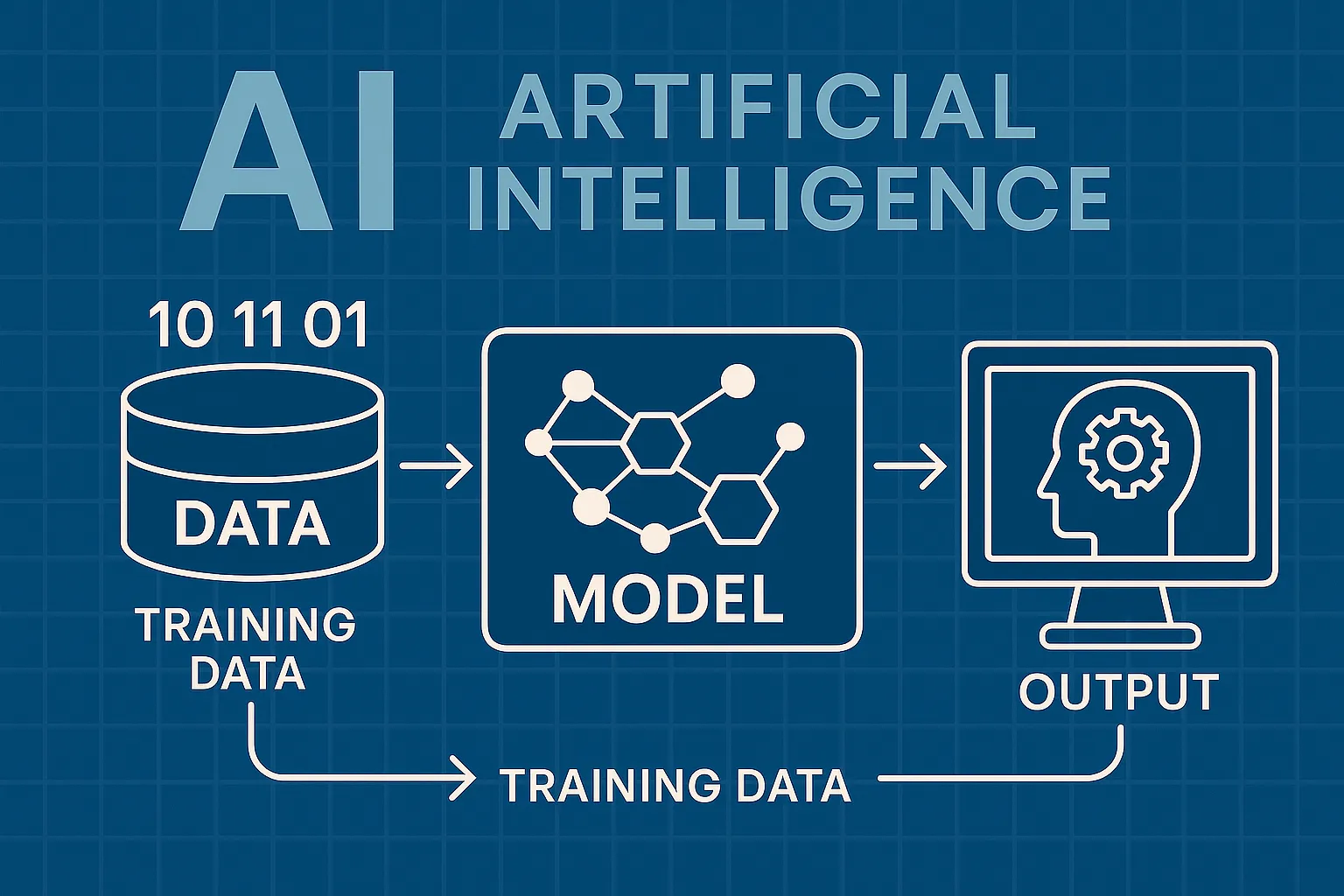
How AI Actually Works
Understand the basics of how AI systems learn, make decisions, and power tools like chatbots, image generators, and virtual assistants.

What Is Vibe Coding?
Discover the rise of vibe coding — an intuitive, aesthetic-first approach to building websites and digital experiences with help from AI tools.
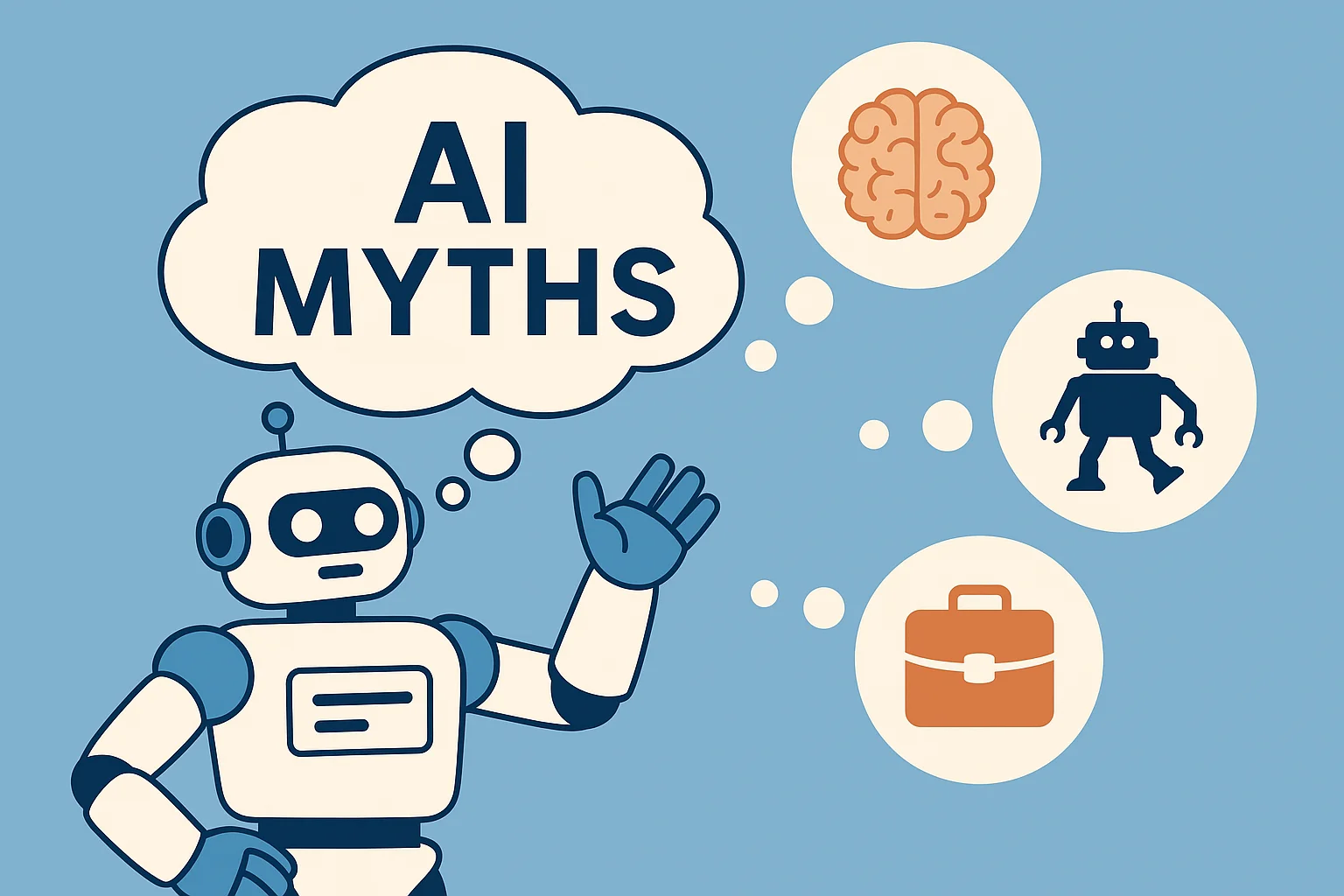
7 Common Myths About AI
Think AI is conscious, infallible, or coming for every job? This post debunks the most widespread misconceptions about artificial intelligence today.

The Future of AI
From generative agents to real-world robotics, discover how AI might reshape society, creativity, and communication in the years ahead.
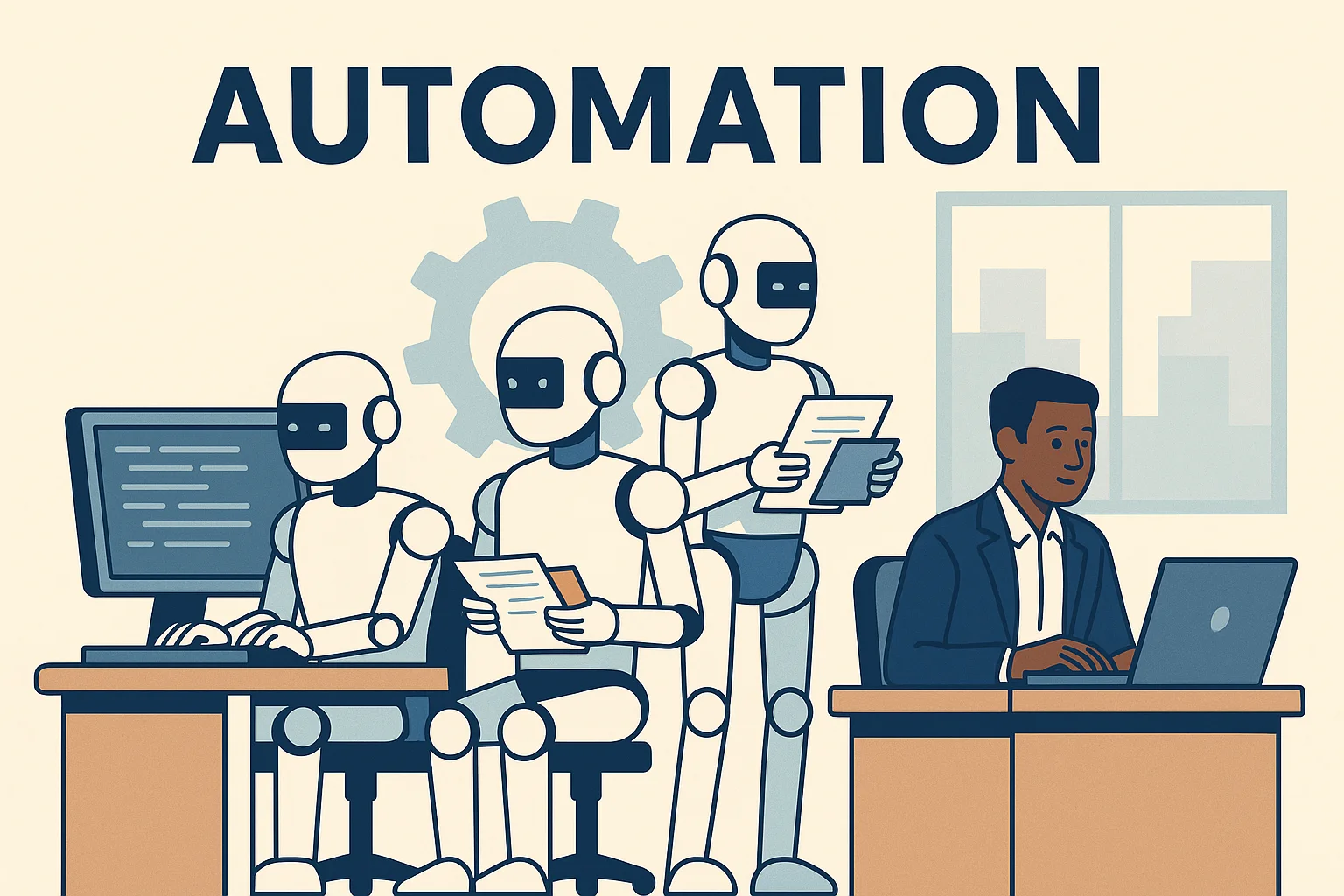
How AI Is Changing the Job Market
Will AI replace your job — or create new ones? Explore which careers are evolving, vanishing, or emerging in the AI-driven economy.

Common Issues with AI
Hallucinations, bias, privacy risks — learn about the most pressing problems in current AI systems and what causes them.