In today’s classrooms, AI tools are quickly becoming essential companions for students navigating assignments, tests, and projects. From writing support and study aids to research assistance and organization, these tools offer a smarter, faster way to learn and create — especially when used responsibly. Whether you're in middle school, high school, or prepping for college, AI can simplify tough concepts, improve writing quality, and help you stay organized across subjects. Many platforms now include interactive features like smart summarization, citation-friendly research, quiz creation, step-by-step problem solving, and even AI-powered tutoring — all accessible from your laptop or phone. With both free and paid options available, students can choose tools that fit their needs and budget, from lightweight helpers to full-featured study companions. This guide highlights the best AI tools for students in 2026, ranked for usefulness, safety, and subject versatility. Whether you're aiming to boost your grades, save time on homework, or become a more independent learner, these AI tools can make academic success more achievable than ever.

Best Paid AI Tools for Students
| Rank | Tool | Strength | Price | Limits |
|---|---|---|---|---|
| #1 | Khanmigo | Guided AI tutoring for core subjects | $4/month | Best with Khan Academy content |
| #2 | ChatGPT Plus | Study help, writing, practice, and explanations | $20/month | Usage limits apply |
| #3 | QuillBot Premium | Paraphrasing, summaries, and writing polish | $8.33/month (billed annually) | Single-user plan |
| #4 | Grammarly Pro | Academic writing clarity + AI drafting support | $12/month (billed annually) | Plagiarism features vary by plan |
| #5 | Wolfram|Alpha Pro | Step-by-step math & science problem solving | $5/month (billed annually) | Not a writing/research assistant |
Khanmigo
Khanmigo is Khan Academy’s AI-powered learning companion designed to support students across subjects like math, science, and writing with a strong emphasis on learning the “why,” not just getting the answer. Instead of dumping solutions, it guides learners step by step, asks helpful follow-up questions, and encourages students to show their reasoning — which makes it far more useful for real studying and test prep than quick-answer bots. It’s especially effective for middle and high school students who want consistent tutoring support without the pressure of a live tutor. Because it’s built around Khan Academy’s curriculum and education-focused safeguards, Khanmigo is also one of the safer options for younger students. For families who want reliable, structured academic support that builds confidence over time, Khanmigo is a standout paid study companion.
ChatGPT Plus
ChatGPT Plus is one of the most flexible “all-in-one” AI options for students because it can help across nearly every subject and assignment type. Students use it to brainstorm essay ideas, outline reports, simplify confusing readings, generate practice questions, create study schedules, and get clear explanations for math, science, and humanities concepts. It’s also useful for study workflows beyond writing — like turning class notes into flashcards, building revision plans, or drafting a presentation script. While it’s not a replacement for learning or academic integrity, it’s extremely effective when used as a tutor-style assistant: asking it to explain concepts, check understanding, and suggest ways to improve work. Plus includes stronger capabilities than most free chatbots and typically offers better speed, quality, and tools — making it a strong upgrade for students who rely on AI weekly.
QuillBot Premium
QuillBot Premium is a student-focused writing companion that shines when you need to rewrite, refine, or compress text while keeping your original meaning. It’s especially useful for polishing essays, improving clarity, adjusting tone, and making writing sound more natural — without forcing students to start from scratch. Premium unlocks more advanced paraphrasing modes, longer inputs, and more powerful summarization features, which is helpful for turning long readings into digestible notes and study guides. Many students also use it for grammar cleanup and for reworking awkward sentences that weaken an otherwise strong paper. Used responsibly, QuillBot can help students improve the quality of their writing and learn better phrasing over time. For students who write frequently — essays, lab reports, discussion posts, scholarship applications — Premium is one of the most practical paid upgrades available.
Grammarly Pro
Grammarly Pro is ideal for students who want consistently cleaner, more professional writing across essays, emails, applications, and long-form assignments. Beyond basic grammar and spelling, it helps with clarity, sentence structure, tone, and readability — which is especially valuable when you’re writing under pressure and don’t have time for multiple edits. Its AI features can also help students generate drafts, rephrase confusing passages, and strengthen arguments without losing their voice. This makes it useful not just for English class, but for lab reports, business cases, and any assignment where precise communication matters. Grammarly also fits naturally into student workflows because it works across browsers and common writing tools, making it easy to improve writing “as you type.” If you’re looking for an AI tool that boosts grades by reducing careless mistakes and improving clarity, Grammarly Pro remains one of the strongest options.
Wolfram|Alpha Pro
Wolfram|Alpha Pro is one of the best paid tools for STEM students because it goes beyond final answers and provides step-by-step solutions, stronger computation time, and richer explanations for math and science problems. It’s particularly valuable for algebra, calculus, physics, chemistry, and statistics — the kinds of courses where you can get stuck on one step and lose huge amounts of time. Students use it to verify homework, understand how to solve a problem properly, and practice variations of the same concept until it “clicks.” Unlike general chatbots, Wolfram|Alpha is designed for rigorous computation, so it’s reliable when you need exact results and symbolic math. It won’t write essays or summarize readings, but for students whose grades hinge on problem sets and exam practice, it’s a high-impact upgrade that can quickly pay for itself in saved study time.
Best Free AI Tools for Students
| Rank | Tool | Strength | Limitations |
|---|---|---|---|
| #1 | ChatGPT (Free) | Homework help, explanations, and writing support | Quality and tools are more limited than paid tiers |
| #2 | Google Gemini (Free) | Fast Q&A and study help with Google ecosystem | Responses can vary by region/account settings |
| #3 | Perplexity (Free) | Research with sources and quick summaries | Advanced features are paywalled |
| #4 | Notion for Education | Student organization, notes, and project planning | AI add-ons may not be included for everyone |
| #5 | Scribbr Citation Generator | Free citations in APA, MLA, Chicago, and more | You must still verify source details |
ChatGPT (Free)
ChatGPT (Free) is a strong starting point for students who want on-demand help with explanations, brainstorming, and writing support without paying a monthly fee. You can use it to break down difficult concepts, generate study questions, outline essays, improve paragraph structure, and even get help building a study plan for an upcoming exam. It’s also great for quick clarification — like asking for examples, definitions, or simplified summaries of a topic you didn’t fully understand in class. Because it’s a general assistant, it works across most subjects, from English and history to science and basic math. That said, free access can come with feature limits and fluctuating performance depending on demand, and students should still fact-check important information. Used responsibly, it’s one of the most useful free learning companions available.
Google Gemini (Free)
Google Gemini (Free) is a practical alternative for students who want quick answers, study explanations, and help generating ideas — especially if they already live inside Google’s ecosystem for school. It’s useful for clarifying topics, turning rough notes into cleaner summaries, brainstorming paper angles, and getting simple step-by-step guidance when you’re stuck. Students often like Gemini for fast back-and-forth Q&A and for general productivity tasks like drafting emails to teachers, planning schedules, or organizing project steps. The main limitation is that features and performance can vary by region, account type, and product updates, so it’s best treated as a flexible helper rather than a guaranteed “one tool for everything.” Still, for a free AI assistant with strong everyday utility, Gemini is an easy recommendation.
Perplexity (Free)
Perplexity (Free) is one of the best tools for student research because it focuses on answering questions with linked sources, making it easier to trace where information comes from. Students commonly use it to get quick overviews of a topic, compare viewpoints, build reading lists, and summarize what multiple sources say — which is especially helpful for history papers, social science assignments, and current-event topics. It can also speed up early-stage research by helping you find relevant terms, keywords, and credible references faster than traditional searching. While some advanced features are reserved for paid plans, the free version is still very capable for everyday school research. For students who want faster research without losing track of citations and sources, Perplexity is a reliable free option.
Notion for Education
Notion for Education is a favorite among students who want to stay organized across classes, deadlines, and projects without juggling multiple apps. It’s perfect for building a “student hub” where you track assignments, store lecture notes, plan exam schedules, and manage group work in one place. Many students create templates for weekly planners, reading trackers, lab report checklists, and study dashboards — and because Notion supports databases, it scales well as your workload grows. It’s also great for collaboration, making it easier to coordinate with classmates on shared notes, study guides, and group project tasks. Depending on eligibility and setup, AI add-ons may not be included for everyone, but even without AI, Notion is a powerful productivity system that makes school life easier and less chaotic.
Scribbr Citation Generator
Scribbr’s Citation Generator is a straightforward, student-friendly tool for creating properly formatted citations in major styles like APA, MLA, and Chicago. It’s especially useful when you’re building bibliographies under time pressure and want a reliable starting point that’s cleaner than ad-heavy citation sites. Students can generate citations for books, articles, websites, and other common sources, then copy them directly into their reference list. Like all citation tools, it still requires basic verification — you should double-check author names, publication dates, and URLs to avoid small formatting mistakes that cost marks. For students who want a fast, free way to stay organized and reduce citation stress, Scribbr is a strong pick.
Rankings

Chatbots
AI chatbots have quickly evolved from simple assistants into powerful, multi-purpose tools used by millions of people every day...

Image Generators
AI image generators are revolutionizing the way creatives, marketers, and developers produce visual content by transforming text prompts into detailed, customized...

Writing Assistants
AI writing assistants have become indispensable tools for anyone who writes — from students and bloggers to business professionals and marketers...

Deepfake Detection
As deepfake technology becomes more advanced and accessible, detecting AI-manipulated content is now a critical challenge across journalism, education, law, and...

Productivity & Calendar
AI productivity and calendar tools have become essential for professionals, entrepreneurs, and students looking to make the most of their time without getting overwhelmed...
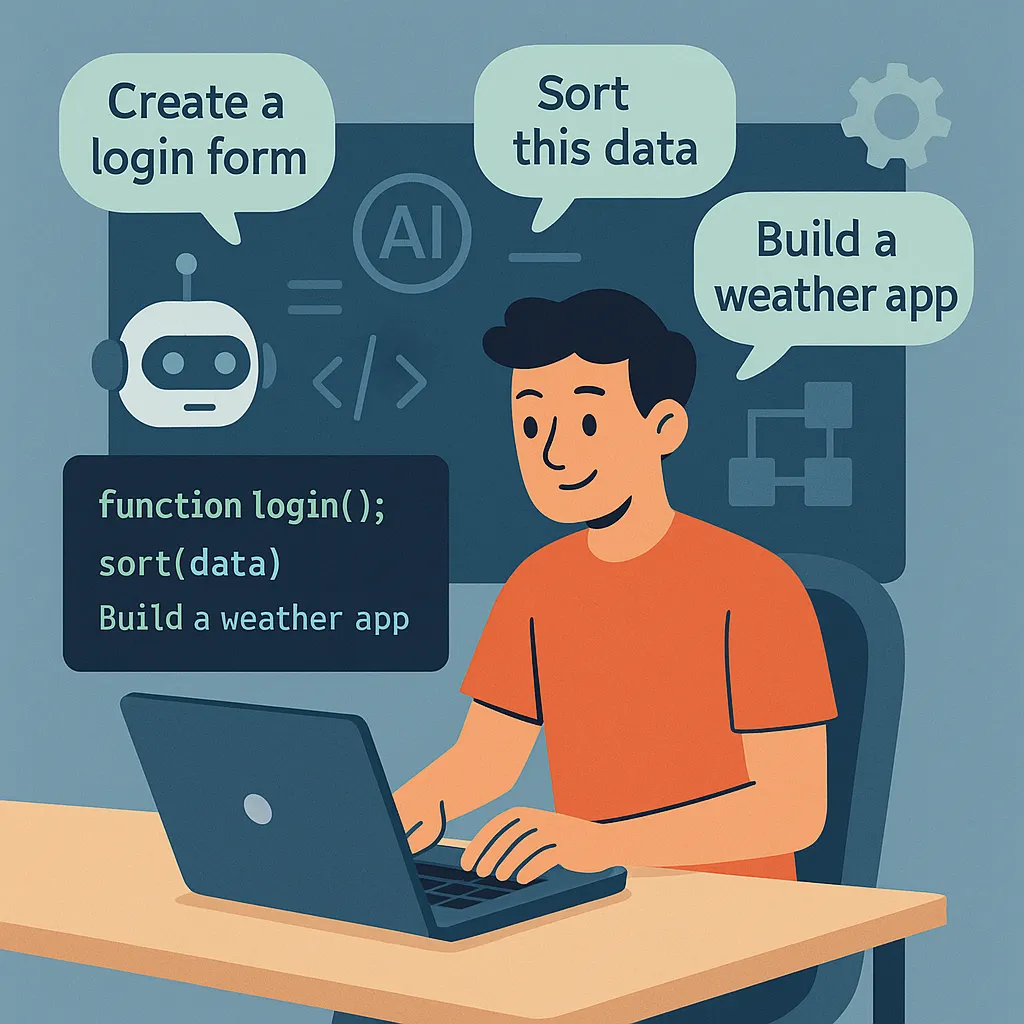
Natural Language To Code
Natural language to code tools are transforming software development by enabling users to build apps, websites, and workflows without needing advanced programming...
Blog
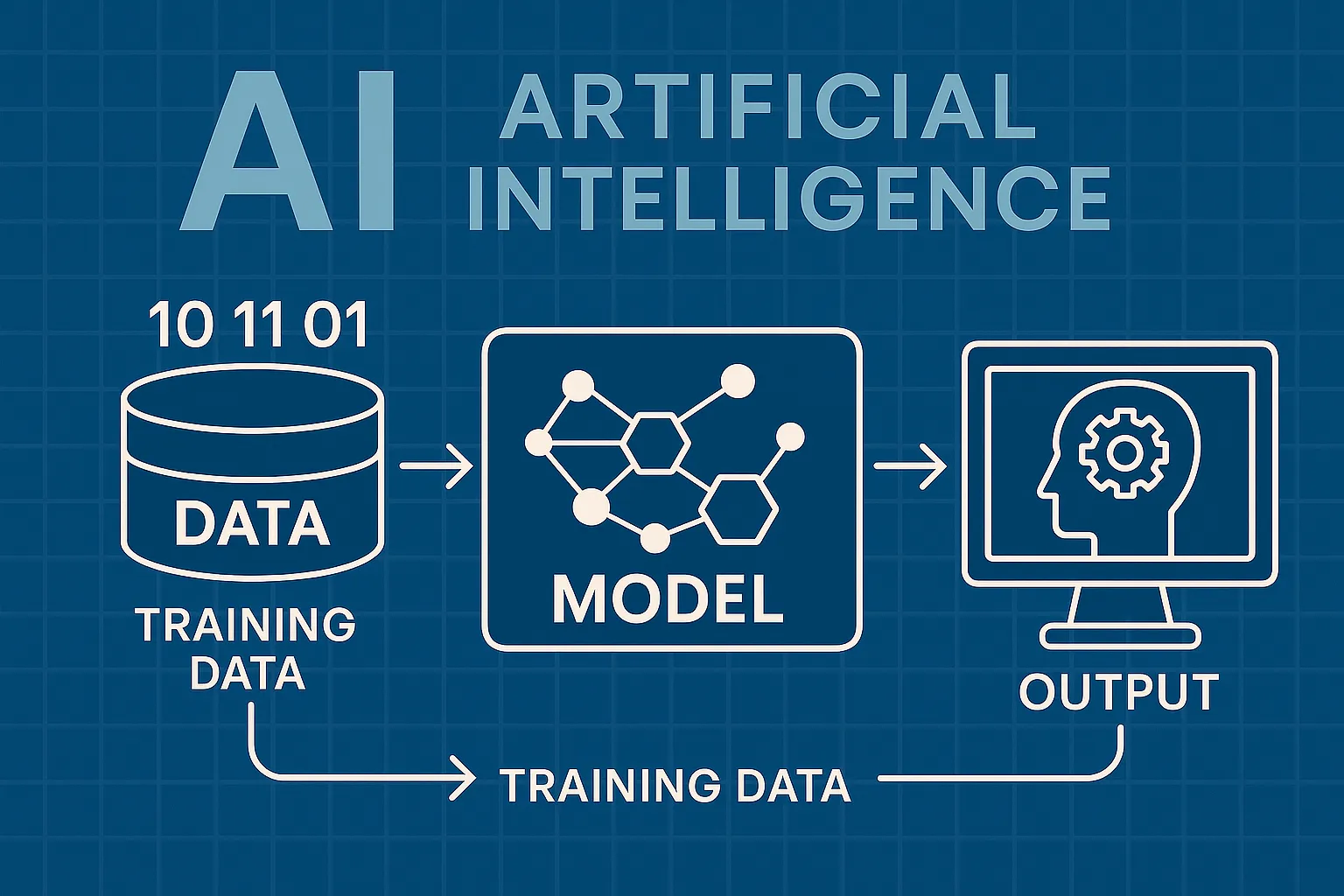
How AI Actually Works
Understand the basics of how AI systems learn, make decisions, and power tools like chatbots, image generators, and virtual assistants.

What Is Vibe Coding?
Discover the rise of vibe coding — an intuitive, aesthetic-first approach to building websites and digital experiences with help from AI tools.
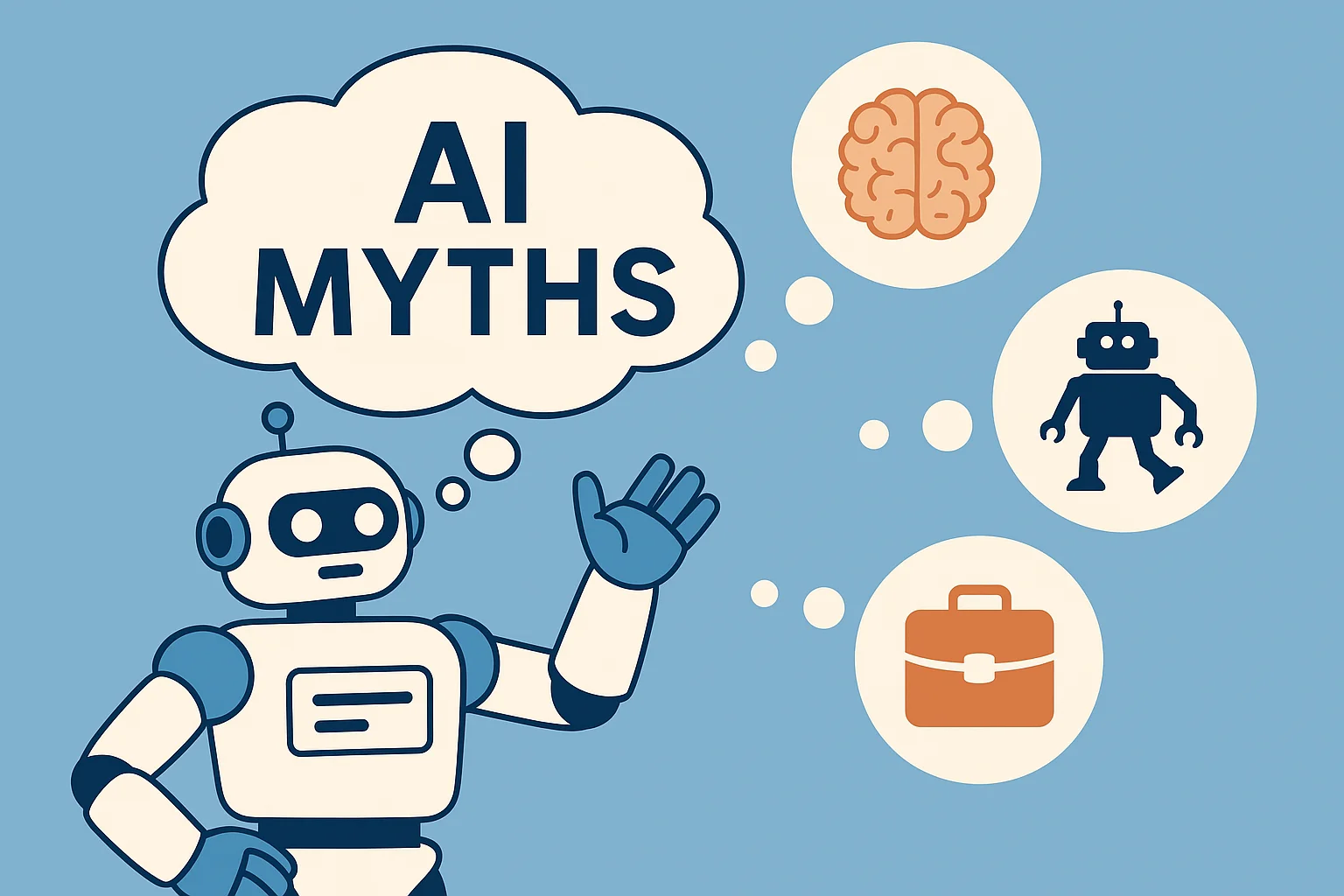
7 Common Myths About AI
Think AI is conscious, infallible, or coming for every job? This post debunks the most widespread misconceptions about artificial intelligence today.

The Future of AI
From generative agents to real-world robotics, discover how AI might reshape society, creativity, and communication in the years ahead.

How AI Is Changing the Job Market
Will AI replace your job — or create new ones? Explore which careers are evolving, vanishing, or emerging in the AI-driven economy.

Common Issues with AI
Hallucinations, bias, privacy risks — learn about the most pressing problems in current AI systems and what causes them.