Spreadsheets remain essential for data analysis, reporting, forecasting, and planning — but manual work (cleaning data, writing formulas, building dashboards, and maintaining recurring reports) can still eat up hours every week. In February 2026, AI spreadsheet tools are making those workflows dramatically faster by translating plain language into formulas, turning messy tables into structured datasets, auto-generating summaries and charts, and helping teams query data without learning SQL. The best platforms now work directly inside Excel or Google Sheets, or offer “spreadsheet-like” interfaces that connect to databases, APIs, and business apps while keeping the familiar grid-style workflow. That means you can upgrade how you work without rebuilding everything from scratch. This guide covers the top AI-powered spreadsheet tools available in 2026 — including both paid and free options — to help you boost productivity, reduce errors, and scale reporting and analysis with less effort. If you want smarter formulas, cleaner data, and faster insights, these tools are the most reliable places to start.

Best Paid AI Spreadsheet Tools
| Rank | Tool | Strength | Price | Limits |
|---|---|---|---|---|
| #1 | Microsoft 365 Copilot (Excel) | AI analysis, formula help, summaries in Excel | $25.20/user/month | Requires qualifying Microsoft 365 plan |
| #2 | Google Workspace + Gemini (Sheets) | AI assistance built into Google Sheets | $16.80/user/month | Per-user license; features vary by plan |
| #3 | Airtable (with AI) | Spreadsheet-like database + AI workflows | $20/user/month (annual) | Per-seat pricing; capacity varies by plan |
| #4 | Rows | AI data analyst + automations inside a spreadsheet | $8/user/month (Plus) | AI tasks/month depend on plan |
| #5 | Coda (with AI) | Interactive docs + tables + AI automations | $12/month (Pro) | Pricing is “Doc Maker”-based; AI usage depends on credits |
Microsoft 365 Copilot (Excel)
Microsoft 365 Copilot is the most “native” AI upgrade for teams that already live in Excel and want real productivity gains without switching platforms. Inside Excel, Copilot can help you summarize datasets, explain what’s happening in a sheet, suggest next steps for analysis, and support formula building when you’re working with complex logic or multi-step calculations. In practice, it’s best for business reporting workflows: taking raw exports, turning them into cleaner tables, drafting insights for stakeholders, and reducing the back-and-forth that usually happens when someone asks, “What changed this month and why?” It also shines when you need quick clarity on an inherited spreadsheet: Copilot can help interpret structure, highlight patterns, and accelerate your first pass at validation. For organizations already standardized on Microsoft 365, Copilot is the fastest path to smarter spreadsheets because it builds directly on Excel’s existing strengths (models, pivots, tables, and charts) while adding a conversational layer that cuts down time spent searching menus or debugging formulas.
Google Workspace + Gemini (Sheets)
Google Sheets remains the default spreadsheet for many teams because it’s collaborative, lightweight, and always accessible — and Gemini takes it further by adding AI assistance directly into the workflow. Instead of bouncing between separate tools, you can use AI features to speed up common spreadsheet tasks like summarizing data, drafting interpretations, and improving the way you present results. For teams that rely on shared dashboards, weekly scorecards, campaign reporting, or operational trackers, this built-in approach is especially valuable: you keep the same file-sharing and real-time editing behavior, but you gain a faster route from “data in a grid” to “insight you can act on.” The biggest advantage is adoption — because the tool is still Sheets, even non-technical teammates can use AI features to get better results without learning new software. If your organization runs on Google Workspace already, this is one of the most seamless upgrades you can make for spreadsheet productivity in 2026.
Airtable (with AI)
Airtable sits in the sweet spot between spreadsheets and databases: you get a familiar grid view, but with structure, relations, permissions, and app-style interfaces that make complex workflows easier to manage. In 2026, Airtable’s AI features are most compelling for teams turning messy spreadsheet processes into reliable systems — like intake forms, content pipelines, inventory and asset tracking, lightweight CRM dashboards, or operations reporting that needs clean data at scale. Instead of manually cleaning inputs, writing the same formulas repeatedly, or rebuilding reports each month, you can build reusable bases and automate the repetitive steps with AI-powered enrichment and summarization. Airtable is especially strong when your “spreadsheet” is really a business process: multiple collaborators, controlled edits, auditability, and consistent outputs. If Excel/Sheets feel too fragile for your workflow, Airtable is a premium upgrade that stays spreadsheet-like while dramatically reducing breakage and manual maintenance.
Rows
Rows is a modern, cloud-based spreadsheet built around the idea that spreadsheets should behave more like live apps: connected to data sources, capable of automation, and able to generate outputs (summaries, reports, formatted text) without constant manual work. Rows’ AI capabilities are designed for “analysis plus action” — extracting information from files, importing business data, generating insights, and helping you build repeatable reporting flows. It’s a great fit for marketing, growth, and ops teams who constantly pull data from different sources and want dashboards that update cleanly. Unlike classic spreadsheets that become a maze of broken links and hidden tabs, Rows pushes you toward a more structured workflow with integrations, controlled automation, and AI tasks you can use for quick analysis or ongoing data processing. If you like spreadsheets but want a tool that feels purpose-built for modern reporting, Rows is one of the strongest AI-first options you can adopt today.
Coda (with AI)
Coda is ideal when your “spreadsheet work” is inseparable from documentation, decision-making, and team workflows. It combines docs and tables into one interactive workspace, so you can write context, store data, build lightweight apps, and automate actions without juggling separate tools. Coda’s AI features are useful for drafting summaries, generating structured content from tables, cleaning up messy inputs, and accelerating the “explain this to the team” step that often slows down reporting. Where Coda really stands out is workflow design: you can create tables that behave like spreadsheets, add buttons and automations, connect external tools, and keep everything readable for stakeholders who don’t want to dig through raw data. For teams building operating systems — weekly reporting hubs, project trackers, content calendars, hiring pipelines, or client dashboards — Coda is a paid upgrade that reduces tool sprawl while keeping a spreadsheet-like core. If you want spreadsheets that live inside a broader work context (not just a file), Coda is one of the most practical options in 2026.
Best Free AI Spreadsheet Tools
| Rank | Tool | Strength | Limitations |
|---|---|---|---|
| #1 | Rows (Free Plan) | AI-powered analysis in a modern spreadsheet | Limited AI tasks per month |
| #2 | Airtable (Free) | Structured “spreadsheet database” for small teams | Lower capacity; advanced features require paid plan |
| #3 | Coda (Free) | Tables + docs in one workspace for lightweight tracking | Doc/table size limits; advanced automation is paid |
| #4 | ExcelBot (Free) | Instant Excel formulas + VBA snippets from plain English | Only a few free generations |
| #5 | ChatGPT (Free) | Formulas, Apps Script, VBA, data-cleaning steps | No direct spreadsheet integration |
Rows (Free Plan)
Rows’ free plan is one of the best ways to test what an “AI-native spreadsheet” feels like without committing to a subscription. You still get the core spreadsheet experience, but with built-in AI capabilities that help you analyze data, pull meaning from columns, and speed up repetitive reporting tasks. For small projects, personal dashboards, or early-stage experiments, the free tier is enough to validate workflows like importing data, summarizing trends, or generating quick writeups from tables. The main constraint is usage — AI tasks are capped — so the free plan works best when you’re learning the platform, building a prototype, or running occasional analysis rather than using it as your daily reporting engine. If you want to evaluate a modern alternative to classic spreadsheets (and you like the idea of AI “inside the grid”), Rows Free is a strong starting point in 2026.
Airtable (Free)
Airtable’s free plan is a great option when you’ve outgrown messy spreadsheets but still want a grid-based workflow. It gives you the building blocks to organize information into structured bases, create views (like Kanban or calendar), and collaborate on lightweight workflows without paying upfront. For spreadsheet-style use cases like tracking inventory, content schedules, client lists, or simple operations dashboards, Airtable Free can be surprisingly capable — especially when you care about consistent structure and cleaner collaboration. The tradeoff is capacity and advanced features: as your bases scale, or as you need more automation, permissions, and AI-enabled workflows, you’ll likely hit limits and need a paid plan. Still, for individuals and very small teams, Airtable Free is one of the most practical “smarter than a spreadsheet” upgrades you can adopt at $0.
Coda (Free)
Coda Free is ideal if your spreadsheets are always tied to notes, meeting outcomes, project context, or team documentation. Instead of keeping a separate spreadsheet file and trying to explain it in Slack or a doc, Coda lets you combine tables, text, and lightweight workflows in one place. That makes it perfect for trackers that need explanation: budgets with assumptions, weekly metrics with commentary, project dashboards, or simple pipelines where context matters. The free plan is best for personal use or small internal docs with modest table sizes; when you need larger docs, advanced packs, deeper automation, or more scalable workflows, you’ll eventually want a paid tier. But as a free option, Coda gives you a “spreadsheet plus documentation” workflow that’s often more usable (and easier to maintain) than a traditional grid file.
ExcelBot (Free)
ExcelBot is a focused, no-friction tool for one of the biggest spreadsheet pain points: getting the formula right, fast. You describe what you want in plain English — like “return the last non-empty value,” “sum values by multiple conditions,” or “extract text between two characters” — and it generates a working Excel formula you can copy and paste immediately. It also supports generating VBA snippets, which is helpful if you’re doing basic automation and don’t want to write macros from scratch. The free tier is intentionally limited, but that’s exactly why it’s useful: it’s a quick emergency tool for those moments when you’re stuck, short on time, and don’t want to dig through forums. If you only need occasional help (or you’re learning Excel formulas), ExcelBot Free punches above its weight.
ChatGPT (Free)
ChatGPT remains one of the most flexible free “spreadsheet assistants” because it can help across the entire workflow — not just formulas. You can ask it to generate Excel formulas, Google Sheets formulas, regex patterns for cleaning text, step-by-step transformations in Power Query, Google Apps Script for automation, or VBA for macros. It’s also excellent for debugging: paste a formula or describe what’s breaking, and you’ll usually get a clearer explanation plus corrected logic. While it doesn’t connect directly to your spreadsheet (so you still need to copy/paste and validate results), it’s a strong companion for anyone who wants to work faster without paying for a dedicated AI add-on. For students, analysts, and DIY builders, ChatGPT Free is still one of the best general-purpose resources for leveling up spreadsheet speed and confidence.
Rankings

Chatbots
AI chatbots have quickly evolved from simple assistants into powerful, multi-purpose tools used by millions of people every day...

Image Generators
AI image generators are revolutionizing the way creatives, marketers, and developers produce visual content by transforming text prompts into detailed, customized...

Writing Assistants
AI writing assistants have become indispensable tools for anyone who writes — from students and bloggers to business professionals and marketers...

Deepfake Detection
As deepfake technology becomes more advanced and accessible, detecting AI-manipulated content is now a critical challenge across journalism, education, law, and...
Productivity & Calendar
AI productivity and calendar tools have become essential for professionals, entrepreneurs, and students looking to make the most of their time without getting overwhelmed...
Natural Language To Code
Natural language to code tools are transforming software development by enabling users to build apps, websites, and workflows without needing advanced programming...
Blog
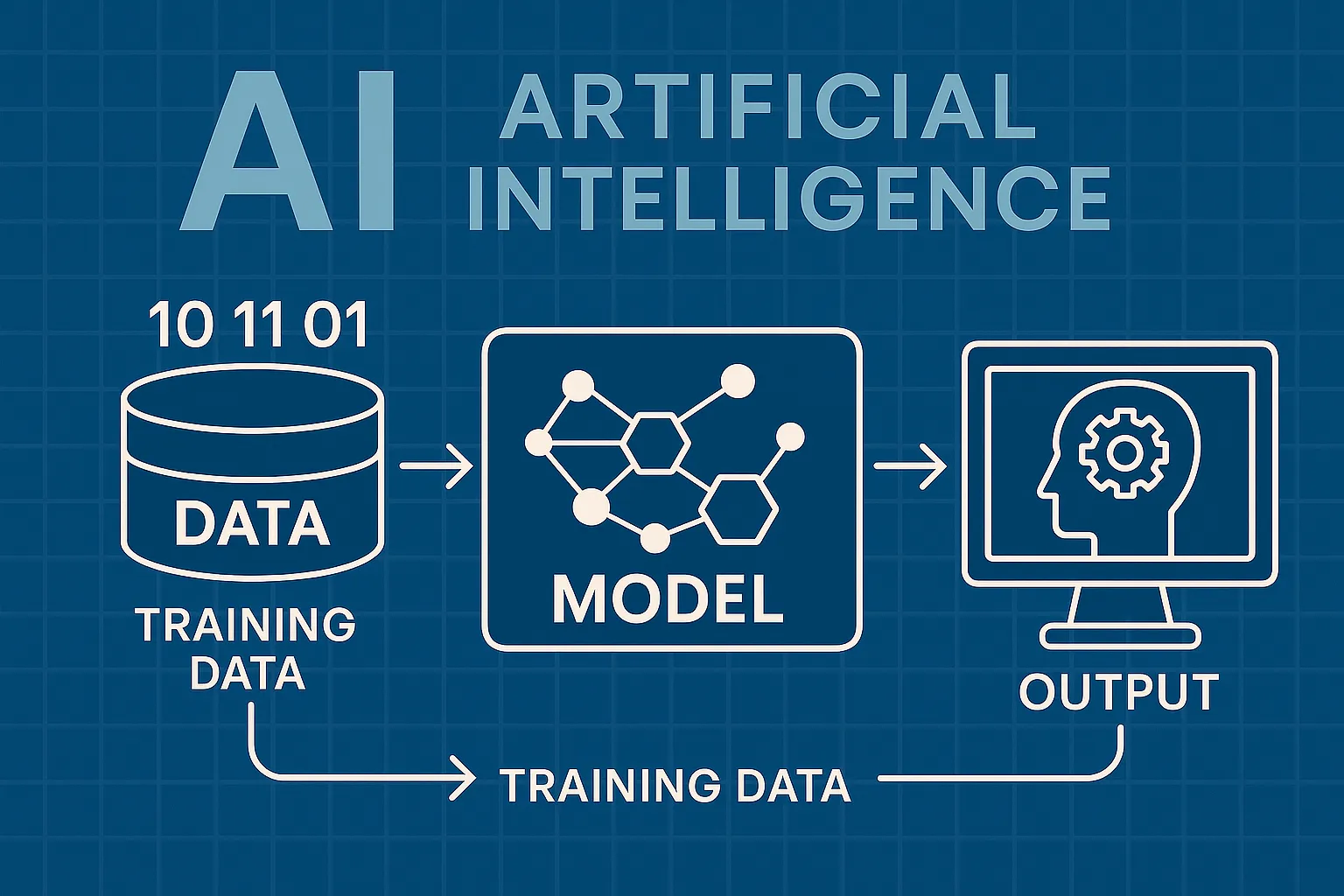
How AI Actually Works
Understand the basics of how AI systems learn, make decisions, and power tools like chatbots, image generators, and virtual assistants.

What Is Vibe Coding?
Discover the rise of vibe coding — an intuitive, aesthetic-first approach to building websites and digital experiences with help from AI tools.

7 Common Myths About AI
Think AI is conscious, infallible, or coming for every job? This post debunks the most widespread misconceptions about artificial intelligence today.

The Future of AI
From generative agents to real-world robotics, discover how AI might reshape society, creativity, and communication in the years ahead.
How AI Is Changing the Job Market
Will AI replace your job — or create new ones? Explore which careers are evolving, vanishing, or emerging in the AI-driven economy.

Common Issues with AI
Hallucinations, bias, privacy risks — learn about the most pressing problems in current AI systems and what causes them.