Small businesses face growing demands across marketing, customer service, operations, and content creation — and AI tools offer a practical way to stay competitive without growing overhead. These intelligent platforms help automate repetitive tasks, generate professional content, streamline communication, and analyze data, freeing up owners and lean teams to focus on growth. Whether you're a solo entrepreneur, a local service provider, or a digital-first brand, AI can serve as a powerful assistant that enhances output while saving time. With user-friendly interfaces and scalable pricing, many tools are now accessible even to those without technical backgrounds. This guide showcases the top AI tools for small businesses in 2026, with options for both paid and free users. From CRM and email marketing to automation, design, and bookkeeping, the right AI stack can drive efficiency, improve professionalism, and help small businesses scale smarter — all without the need for large teams or big budgets. The picks below focus on tools that are widely adopted, actively maintained, and realistic for small teams to implement quickly.

Top Paid AI Tools for Small Businesses
| Rank | Tool | Use Case | Price | Limits |
|---|---|---|---|---|
| #1 | HubSpot Starter Customer Platform | AI CRM + marketing, sales, and support | $20/month | Per-seat pricing; feature caps by hub/tier |
| #2 | Intercom (Fin AI Agent) | AI customer support automation + inbox | $29/seat/month + $0.99/resolution | Seat-based; AI costs scale with resolved chats |
| #3 | Zapier | AI-powered workflow automation | From $19.99/month | Task-based billing; higher tiers needed for scale |
| #4 | Canva Pro | Design + AI marketing assets at scale | From ~$15/month | AI + premium assets tied to subscription tier |
| #5 | QuickBooks Online (Intuit Assist) | AI-assisted bookkeeping + reporting | From $38/month | Users/features vary by plan; advanced automation costs more |
HubSpot Starter Customer Platform
HubSpot is one of the most practical “all-in-one” AI platforms for small businesses because it connects marketing, sales, and customer service around a single CRM. In 2026, HubSpot’s AI features are especially useful for turning messy, day-to-day work into repeatable systems: drafting outreach emails, summarizing contact history, generating follow-up tasks, improving website copy, and helping teams stay consistent with messaging. For small teams, the real advantage is not just the AI itself — it’s the workflow: leads captured on forms, emails tracked automatically, deals moved through pipelines, and support conversations tied to the same customer record. That makes it easier to see what’s working (and what isn’t) without juggling five separate tools. HubSpot Starter is ideal for early-stage businesses that want a clean CRM foundation with room to grow into more advanced automation, segmentation, and reporting when budget allows.
Intercom (Fin AI Agent)
Intercom is a premium choice for small businesses that take customer experience seriously and want to reduce support workload without sacrificing quality. Its Fin AI Agent is designed to resolve common customer questions automatically, using your existing help content and support knowledge so answers stay on-brand and accurate. This is especially valuable for ecommerce stores, SaaS products, and service businesses where the same questions repeat daily (shipping, billing, setup, refunds, scheduling, account access). Intercom also shines for human support: shared inbox tools, routing, internal notes, and AI assistance that helps agents respond faster and more consistently. The pricing model matters: you’ll typically pay per seat, and Fin adds a usage component based on successful resolutions — which can be efficient when it replaces a large chunk of repetitive tickets, but it can also scale up quickly as volume grows. For businesses aiming for “always-on” support, Intercom is one of the strongest AI helpdesk options available.
Zapier
Zapier is the small business automation backbone: it connects thousands of apps and turns busywork into workflows that run 24/7. In practice, this means fewer manual steps (and fewer mistakes): auto-saving leads from your website to a CRM, sending follow-up emails, updating spreadsheets, creating tasks, posting updates to Slack, generating invoices, and syncing customer details across tools. Zapier’s 2026 direction leans even more into AI-assisted building and “AI actions,” helping non-technical users create automations faster and troubleshoot issues without digging through complex menus. For lean teams, the value is compounding: every automation you build saves time every week, and those saved hours can go into sales, fulfillment, or product improvements. The main trade-off is task-based billing — workflows that run frequently can burn through tasks faster than expected — but for most small businesses, a well-designed set of Zaps delivers outsized ROI by preventing your operations from becoming a bottleneck.
Canva Pro
Canva Pro remains one of the best “force multipliers” for small business marketing because it lets non-designers produce consistently professional visuals at speed. Beyond templates, Canva’s AI features (often grouped under its Magic Studio tools) help generate and adapt designs quickly: resizing content for multiple platforms, generating backgrounds, refining images, and producing on-brand variations for ads, social posts, flyers, menus, and landing page assets. The biggest small-business win is consistency: brand kits, shared folders, and reusable templates prevent the “random look” problem that makes small brands feel untrustworthy. Canva Pro is also useful beyond social graphics — it’s a fast way to create presentations, simple product mockups, lead magnets, and polished PDFs without outsourcing. For businesses that publish often (or need to look credible immediately), Canva Pro is usually cheaper than hiring design help for every asset, while still keeping quality high.
QuickBooks Online (Intuit Assist)
For many small businesses, the most expensive mistakes aren’t marketing mistakes — they’re financial blind spots. QuickBooks Online is a widely used accounting platform, and in 2026 its AI layer (including Intuit’s AI features and “Assist” style guidance) helps business owners move faster on the tasks that usually get delayed: categorizing expenses, reconciling accounts, spotting anomalies, tracking cash flow, and turning raw transactions into readable reports. The practical benefit isn’t “AI for the sake of AI,” it’s getting accurate books sooner so you can make decisions with real numbers — pricing, hiring, inventory, taxes, and profitability by product or service. QuickBooks is also strong for small teams because you can collaborate with a bookkeeper or accountant without emailing files back and forth, and many banks and payment tools integrate directly. Plan limits matter (users, automation, advanced reporting), but if you want a finance system that scales with your business, QuickBooks is a dependable choice.
Top Free AI Tools for Small Businesses
| Rank | Tool | Use Case | Limitations |
|---|---|---|---|
| #1 | ChatGPT (Free) | Writing, planning, research, templates | Usage limits; fewer advanced tools than paid tiers |
| #2 | HubSpot CRM (Free) | Free CRM + pipeline and contact tracking | Advanced automation/reporting gated |
| #3 | Canva (Free) | Social media, flyers, simple brand assets | Pro templates/AI tools and brand kit gated |
| #4 | Zapier (Free) | Basic automations between apps | Low task cap; limited multi-step workflows |
| #5 | Grammarly (Free) | Professional writing quality control | Advanced rewrites and tone controls gated |
ChatGPT (Free)
ChatGPT is one of the highest-leverage free tools a small business can use because it replaces a huge range of “blank page” work with fast, usable first drafts. You can generate email responses, customer support templates, FAQ pages, product descriptions, ad variations, social captions, blog outlines, proposal structures, and even simple operating procedures for your team. It’s also valuable for decision support: turning a messy idea into a clear plan, listing pros and cons, building checklists, or role-playing customer objections so your messaging improves. In 2026, the free plan remains extremely capable for everyday business tasks, but it does come with usage limits and fewer premium features than paid tiers. The best way to use it is as a drafting and thinking partner: you provide the business context (audience, offer, tone, constraints), and it helps you produce cleaner communication and faster iteration. For many small businesses, it’s the easiest “AI entry point” with immediate ROI.
HubSpot CRM (Free)
HubSpot’s free CRM is an excellent foundation for small businesses that want structure without committing to expensive software upfront. It helps you track contacts, conversations, deals, and tasks so leads don’t slip through the cracks — a common growth problem when everything lives in inboxes and spreadsheets. Even on the free plan, you can centralize customer history, keep basic pipeline visibility, and improve follow-up consistency across your team. This matters because “good operations” often beats “more marketing”: the faster you respond, the more you follow up, and the more organized your pipeline, the more revenue you capture from the same lead flow. The free tier does have limitations: more advanced automation, segmentation, and reporting typically require upgrades, and some deeper AI functionality will be tied to paid hubs. But as a free starting point that can scale into a full customer platform later, HubSpot’s CRM is one of the most practical choices for small businesses building systems for the first time.
Canva (Free)
Canva’s free plan is a go-to for small businesses because it turns “design needs” into a repeatable, simple process. You can create social graphics, flyers, menus, business cards, simple logos, and basic ad creatives using templates that are already sized correctly for common platforms. That saves time and avoids the classic beginner issues (wrong dimensions, inconsistent fonts, cluttered layouts). Canva also helps with speed: when you need a quick promo graphic or a clean announcement post, you can build and publish in minutes without learning professional design software. The free tier includes plenty of templates and elements, but advanced features — like deeper brand kit controls, premium assets, and many of the more powerful AI tools — are typically locked behind Pro. Still, for businesses on a tight budget, Canva Free is one of the easiest ways to look more credible and consistent online, and it pairs well with a writing assistant (like ChatGPT) to produce complete marketing assets quickly.
Zapier (Free)
Zapier’s free plan is ideal for small businesses that want to start automating without committing budget right away. Even a few basic automations can eliminate annoying daily tasks: sending form submissions into a spreadsheet, creating CRM contacts from new emails, posting order notifications to a team channel, or syncing leads between tools. The main value is reliability — workflows run the same way every time, which reduces errors and keeps your team focused on higher-impact work. Zapier’s free tier does have strict limits, especially around task volume and more advanced multi-step logic, so it’s best used for “high-signal” automations that run only when needed (new lead, new order, new appointment). Once you find workflows that clearly save time every week, upgrading becomes a straightforward ROI decision. For small businesses that use multiple apps and want them to behave like one connected system, Zapier is one of the simplest ways to get there.
Grammarly (Free)
Grammarly is a small business essential because your writing is your brand — and most businesses write constantly: emails, proposals, job posts, customer messages, product pages, and social captions. Grammarly Free improves professionalism by catching grammar and spelling mistakes in real time, and it helps clean up unclear sentences so your message lands more confidently. This matters more than people think: unclear writing creates friction, and friction lowers conversions, replies, and trust. Grammarly also works across common tools and browsers, which makes it easy to adopt without changing your workflow. The free plan focuses on core correctness and clarity, while premium features (more advanced rewrites, tone controls, and deeper suggestions) are typically gated behind paid tiers. Even so, Grammarly Free is one of the quickest “quality upgrades” you can add to your business stack — especially if multiple team members write customer-facing messages.
Rankings
Chatbots
AI chatbots have quickly evolved from simple assistants into powerful, multi-purpose tools used by millions of people every day...

Image Generators
AI image generators are revolutionizing the way creatives, marketers, and developers produce visual content by transforming text prompts into detailed, customized...
Writing Assistants
AI writing assistants have become indispensable tools for anyone who writes — from students and bloggers to business professionals and marketers...

Deepfake Detection
As deepfake technology becomes more advanced and accessible, detecting AI-manipulated content is now a critical challenge across journalism, education, law, and...
Productivity & Calendar
AI productivity and calendar tools have become essential for professionals, entrepreneurs, and students looking to make the most of their time without getting overwhelmed...
Natural Language To Code
Natural language to code tools are transforming software development by enabling users to build apps, websites, and workflows without needing advanced programming...
Blog
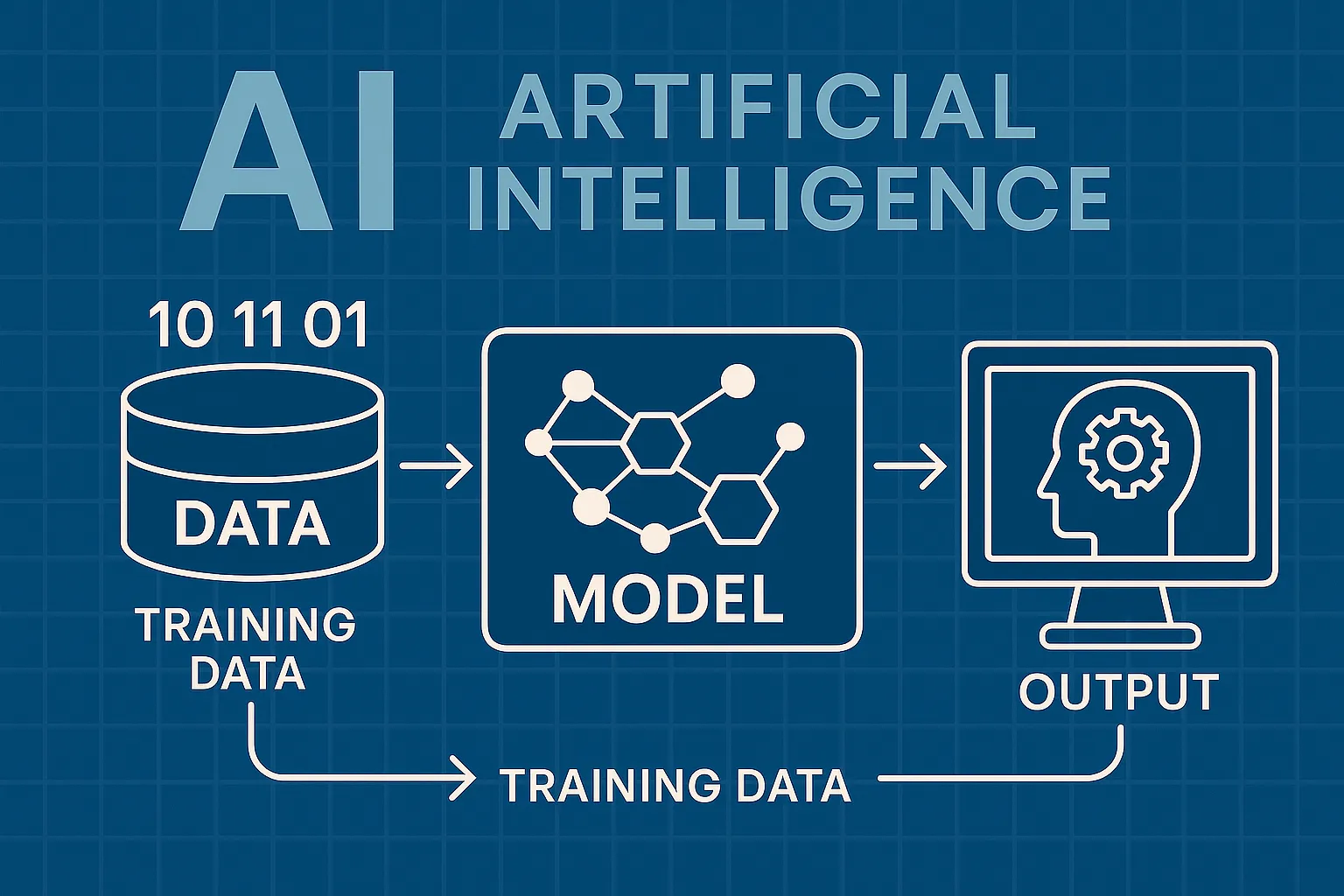
How AI Actually Works
Understand the basics of how AI systems learn, make decisions, and power tools like chatbots, image generators, and virtual assistants.

What Is Vibe Coding?
Discover the rise of vibe coding — an intuitive, aesthetic-first approach to building websites and digital experiences with help from AI tools.
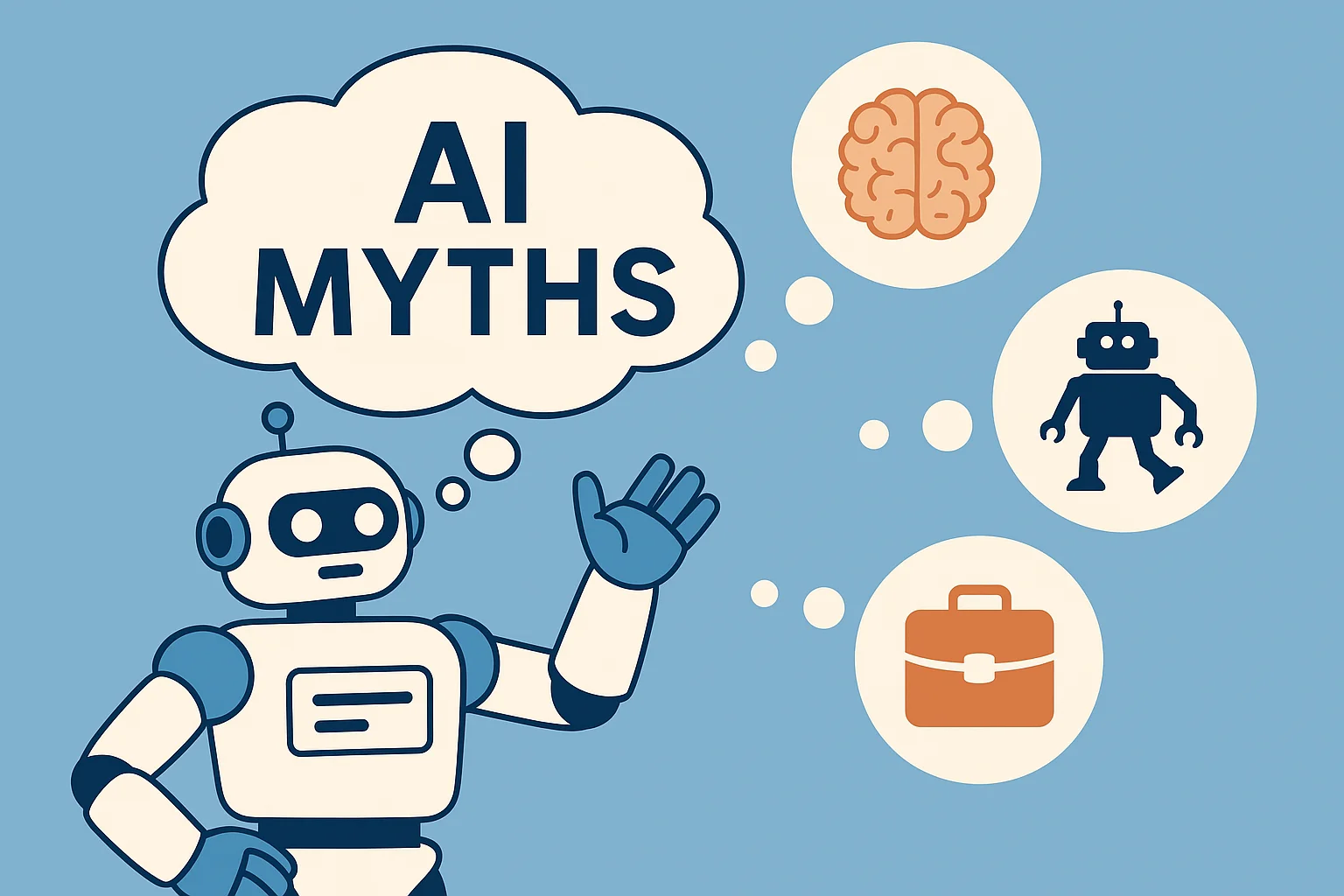
7 Common Myths About AI
Think AI is conscious, infallible, or coming for every job? This post debunks the most widespread misconceptions about artificial intelligence today.

The Future of AI
From generative agents to real-world robotics, discover how AI might reshape society, creativity, and communication in the years ahead.
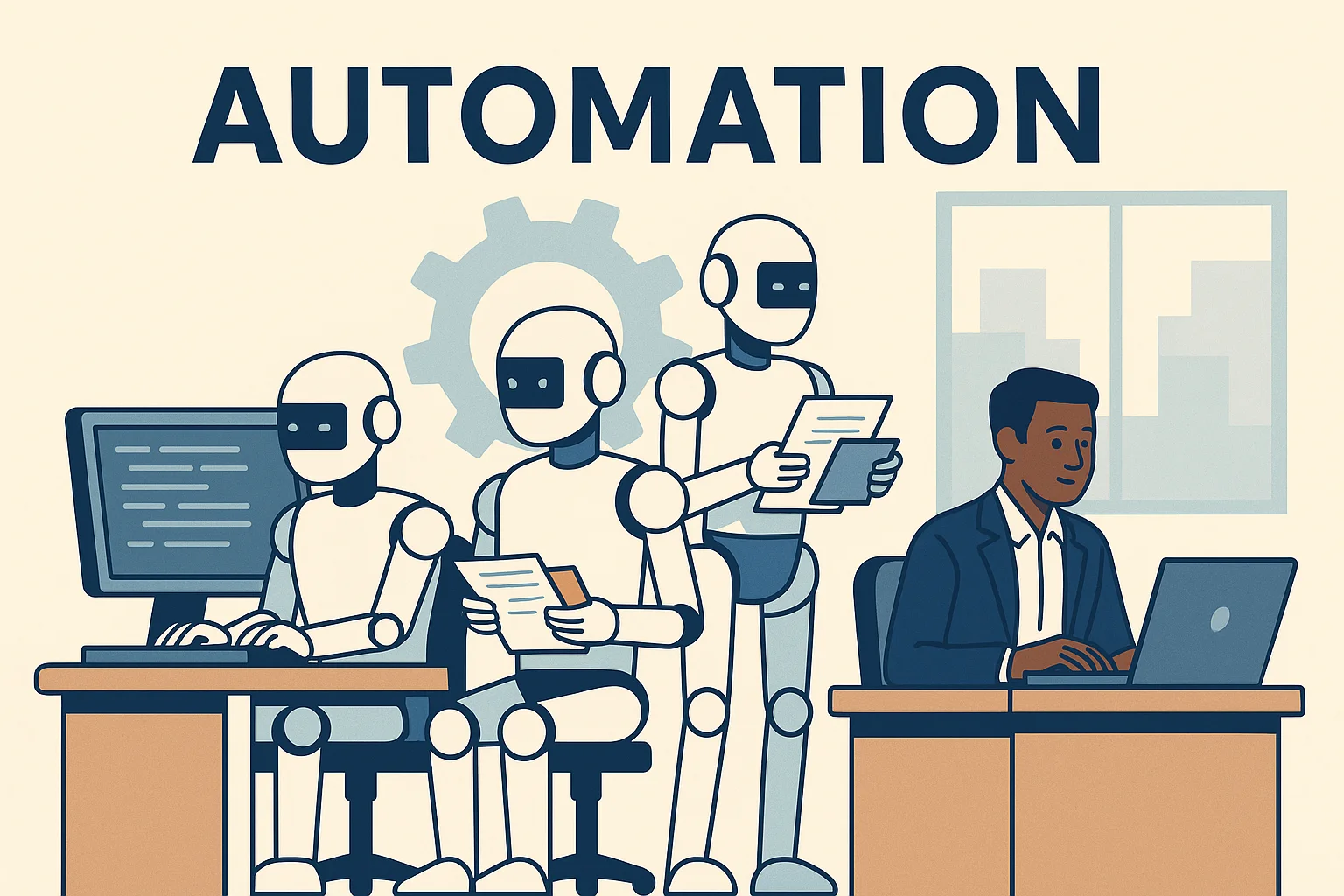
How AI Is Changing the Job Market
Will AI replace your job — or create new ones? Explore which careers are evolving, vanishing, or emerging in the AI-driven economy.

Common Issues with AI
Hallucinations, bias, privacy risks — learn about the most pressing problems in current AI systems and what causes them.