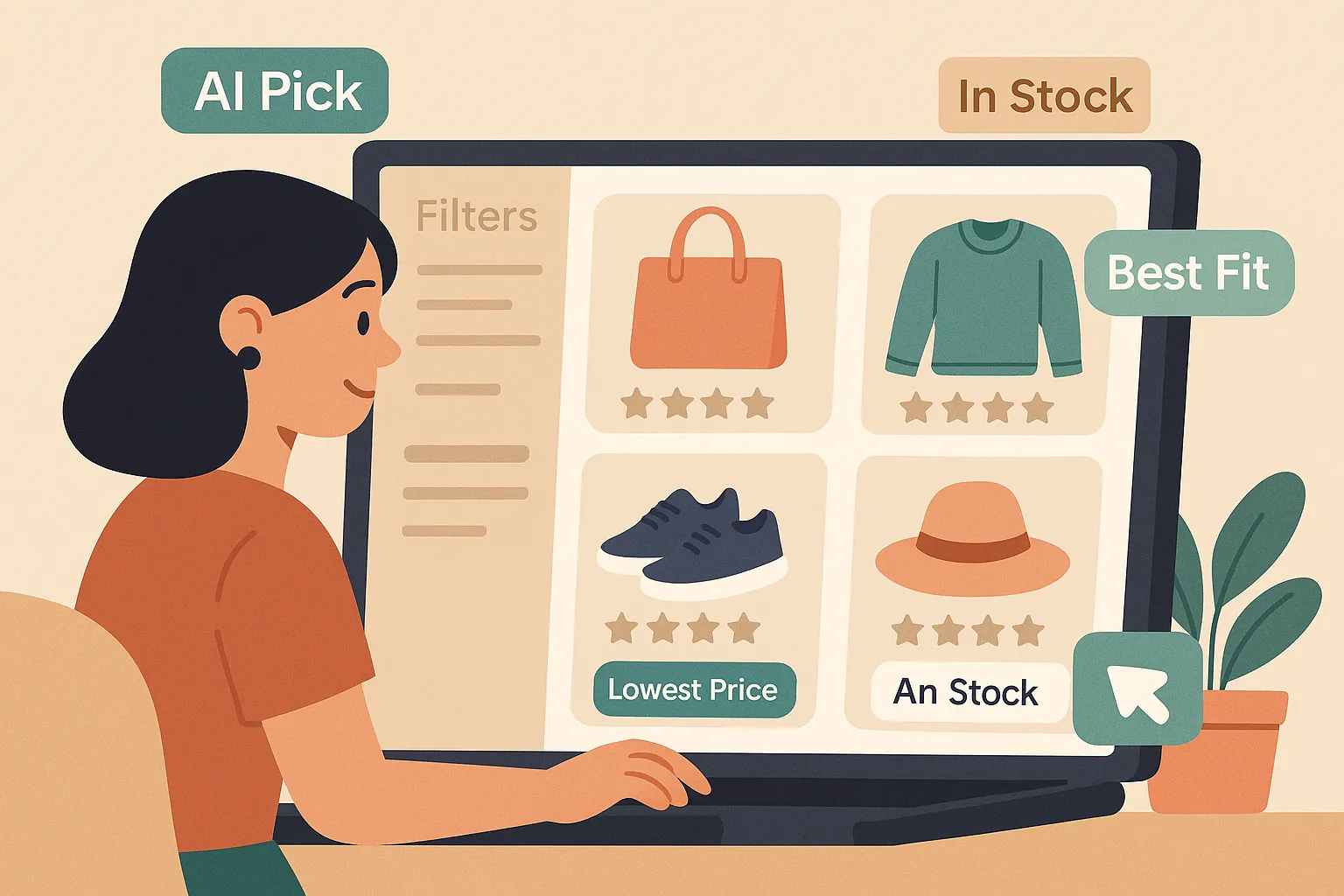
AI shopping tools are changing the way consumers discover, compare, and save on products across the internet. These intelligent assistants automate everything from finding coupons and tracking price drops to comparing product reviews and recommending top-rated items tailored to your preferences. Whether you're shopping for tech gadgets, household essentials, or unique gifts, AI tools help simplify the process and maximize value. With features like real-time deal alerts, cashback programs, and smart wishlists, shoppers can enjoy a more personalized and efficient buying experience. Many tools now integrate directly into your browser or mobile device, offering seamless support at every stage of the shopping journey — from research to checkout and even post-purchase tracking. This page highlights the best AI shopping tools available in February 2026, with both free and paid options to suit different shopping habits and goals. If you're looking to save time, reduce effort, and get better deals, these AI-driven platforms offer powerful solutions to make online shopping smarter and more rewarding.
Top Paid AI Shopping Tools
| Rank | Tool | Best For | Price | Limitations |
|---|---|---|---|---|
| #1 | Klarna (AI Shopping Assistant) | Personalized product discovery + price tracking | Free (optional financing) | Not all stores or regions supported |
| #2 | Perplexity Pro | AI product research with citations + shopping workflows | $20/month | Shopping features vary by market/merchant |
| #3 | PayPal Honey | Auto-apply coupons + rewards while you shop | Free | Not every store/code will work |
| #4 | Capital One Shopping | Coupon testing + price comparisons + rewards | Free | Best experience with browser extension |
| #5 | Rakuten Browser Extension | Cash back stacking + coupon prompts | Free | Cash back depends on participating stores |
Klarna (AI Shopping Assistant)
Klarna has evolved into one of the most complete AI-assisted shopping hubs for everyday consumers. Its built-in AI assistant helps you quickly narrow down choices, compare options across retailers, and stay organized through wishlists and deal tracking — which is especially useful when you’re shopping across multiple stores and categories. The experience is designed to reduce “tab overload” by bringing discovery, comparison, and post-purchase tracking into one place. Klarna is also known for flexible payment options (where available), but the real value in 2026 is how it helps shoppers make faster, more confident decisions by surfacing relevant alternatives, highlighting key product differences, and helping you shop with a clearer budget plan. If you want a single app that supports the full shopping journey — research, purchase, and tracking — Klarna remains one of the strongest picks.
Perplexity Pro
Perplexity Pro is one of the best “research-first” shopping tools in February 2026, especially when you want to compare products without relying on a single review site or influencer roundup. Instead of giving you a generic list, Perplexity can summarize what multiple sources say, show citations you can click, and help you refine your query until the recommendations match your exact needs (budget, use case, must-have features, and deal-breakers). This is ideal for big purchases like laptops, appliances, office chairs, or cameras — where one small spec difference matters. Pro also unlocks advanced capabilities for deeper comparisons and more complex, multi-step queries. If you want an AI shopping assistant that feels like a high-speed research analyst — and not just a coupon tool — Perplexity Pro is a premium option worth considering.
PayPal Honey
PayPal Honey is a classic “set it and forget it” savings tool that still earns its place among top AI shopping helpers in 2026. Once installed, it can automatically check coupon codes at checkout and surface savings opportunities without forcing you to manually hunt through coupon sites. For many shoppers, that alone is a huge time saver. Honey also supports rewards/cash-back style offers (where available), which can turn routine purchases into incremental long-term savings. The key limitation is that coupons aren’t guaranteed on every site — but when they work, Honey reduces friction and consistently pays off over time for frequent online shoppers. If you want passive savings with minimal effort, Honey remains one of the most practical tools you can add to your shopping stack.
Capital One Shopping
Capital One Shopping focuses on automated savings through coupon testing, price checks, and deal discovery — all designed to happen while you shop, not before. In practice, it’s most useful for shoppers who want a browser-based assistant that pops up at the right moment and helps avoid overpaying. The extension can try codes at checkout and may highlight better offers or alternatives, which is especially helpful when you’re buying from large retailers where pricing shifts frequently. It’s free and doesn’t require you to be a Capital One customer, making it accessible for most shoppers. If your goal is simple — spend less with fewer steps — Capital One Shopping remains a strong mainstream option that fits naturally into everyday browsing and checkout habits.
Rakuten Browser Extension
Rakuten’s browser extension is built for shoppers who want cash back and coupon prompts to appear automatically as they browse. Instead of making you remember to start through a portal, the extension can alert you when cash back is available and help you stack savings with eligible coupons or offers. For frequent shoppers, that convenience matters: it reduces the chance of missing rewards, especially during seasonal sales or when buying from a wide mix of retailers. Rakuten’s biggest strength is consistency — it works quietly in the background, and when you shop with participating stores, it’s a low-effort way to make online purchases feel more rewarding. If you care about long-term “stackable savings,” Rakuten is an excellent addition alongside coupon tools and price trackers.
Top Free AI Shopping Tools
| Rank | Tool | Best For | Limitations |
|---|---|---|---|
| #1 | ChatGPT (Free) | Gift ideas, comparisons, and shopping shortlists | No guaranteed live pricing or stock |
| #2 | Perplexity (Free) | Product research with source links | Fewer advanced features than Pro |
| #3 | Amazon Rufus | Shopping Q&A inside Amazon product pages | Amazon-only ecosystem |
| #4 | CamelCamelCamel | Amazon price history + drop alerts | Amazon-only tracking |
| #5 | Keepa | Advanced price charts + watchlists for Amazon | Interface can feel technical for beginners |
ChatGPT (Free)
ChatGPT is a versatile AI assistant that helps shoppers brainstorm gift ideas, compare products, and make sense of overwhelming choices through simple conversation. While it won’t reliably provide live prices or real-time inventory on its own, it excels at clarifying what features matter, translating confusing specs into plain English, and producing a clean shortlist based on your needs and budget. It’s especially useful early in the buying journey — when you’re still deciding between categories (for example: “tablet vs laptop,” “air fryer vs toaster oven,” or “office chair vs standing desk”). You can also use it to draft questions to ask sellers, build a pros/cons table, or create a “best value” checklist before you buy. For zero cost, ChatGPT remains one of the most helpful tools for decision-making and shopping planning.
Perplexity (Free)
Perplexity’s free tier is one of the best ways to research products quickly while still seeing where the information comes from. Instead of opening ten tabs and manually piecing together reviews, you can ask one clear question and get a summarized answer with source links that you can verify. This is ideal for comparing brands, checking common problems, learning what to look for, and finding reputable reviews or discussion threads. It won’t replace a dedicated coupon extension or price tracker, but it does replace a huge amount of “research friction” and helps you buy with more confidence. If you want smarter shopping answers without paying for a subscription, Perplexity (Free) is a top-tier pick.
Amazon Rufus
Amazon Rufus is Amazon’s built-in AI shopping assistant that helps you ask questions directly while browsing products in the Amazon app or on Amazon.com. It’s designed to speed up purchase decisions by answering practical shopping questions (for example: “Is this good for small rooms?” “What’s the difference between these models?” or “Will this work with iPhone/Android?”) using context from product listings and Amazon’s ecosystem. The biggest benefit is convenience — it’s right where you already shop, and it reduces the time spent scanning long descriptions or hunting through reviews. The tradeoff is that it’s limited to Amazon’s catalog and information. If you do a lot of Amazon shopping, Rufus is an excellent free assistant for faster, clearer buying decisions.
CamelCamelCamel
CamelCamelCamel is one of the most trusted free tools for Amazon price tracking because it focuses on a single job: showing you price history and alerting you when the price drops. This is extremely useful during major sale periods, when “discounts” can be misleading or temporary. By viewing price trends over time, you can see whether a deal is actually good, whether the price fluctuates frequently, and what a realistic target price should be. You can set alerts, monitor items you want to buy later, and avoid impulse purchases when the pricing isn’t truly favorable. If you shop on Amazon regularly and want data-driven buying decisions, CamelCamelCamel is still a must-have in 2026.
Keepa
Keepa takes Amazon price tracking to a more advanced level with detailed charts, watchlists, and price-drop alerts across a massive range of products. It’s popular with power shoppers because it can reveal deeper patterns — including seasonal price cycles, suspicious discount spikes, and long-term ranges that help you time purchases strategically. Keepa’s charts and controls can feel more technical than simpler trackers, but the payoff is better insight and better timing, especially for expensive purchases like electronics, tools, and appliances. If you want a “serious mode” free tracker that helps you buy at the right moment instead of the convenient moment, Keepa is one of the strongest options available.
Rankings

Chatbots
AI chatbots have quickly evolved from simple assistants into powerful, multi-purpose tools used by millions of people every day...

Image Generators
AI image generators are revolutionizing the way creatives, marketers, and developers produce visual content by transforming text prompts into detailed, customized...

Writing Assistants
AI writing assistants have become indispensable tools for anyone who writes — from students and bloggers to business professionals and marketers...

Deepfake Detection
As deepfake technology becomes more advanced and accessible, detecting AI-manipulated content is now a critical challenge across journalism, education, law, and...
Productivity & Calendar
AI productivity and calendar tools have become essential for professionals, entrepreneurs, and students looking to make the most of their time without getting overwhelmed...
Natural Language To Code
Natural language to code tools are transforming software development by enabling users to build apps, websites, and workflows without needing advanced programming...
Blog
How AI Actually Works
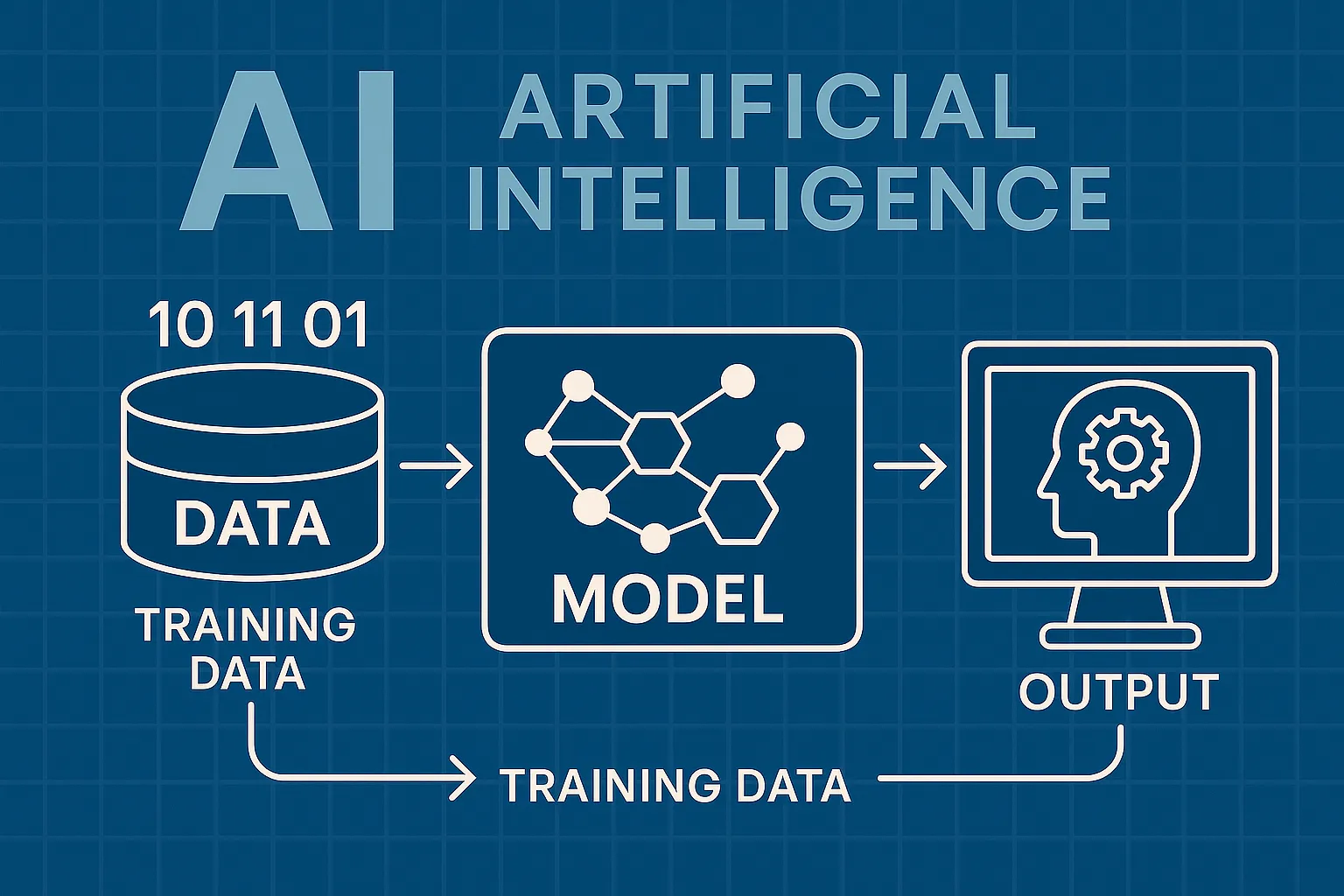
Understand the basics of how AI systems learn, make decisions, and power tools like chatbots, image generators, and virtual assistants.

What Is Vibe Coding?
Discover the rise of vibe coding — an intuitive, aesthetic-first approach to building websites and digital experiences with help from AI tools.

7 Common Myths About AI
Think AI is conscious, infallible, or coming for every job? This post debunks the most widespread misconceptions about artificial intelligence today.

The Future of AI
From generative agents to real-world robotics, discover how AI might reshape society, creativity, and communication in the years ahead.

How AI Is Changing the Job Market
Will AI replace your job — or create new ones? Explore which careers are evolving, vanishing, or emerging in the AI-driven economy.

Common Issues with AI
Hallucinations, bias, privacy risks — learn about the most pressing problems in current AI systems and what causes them.