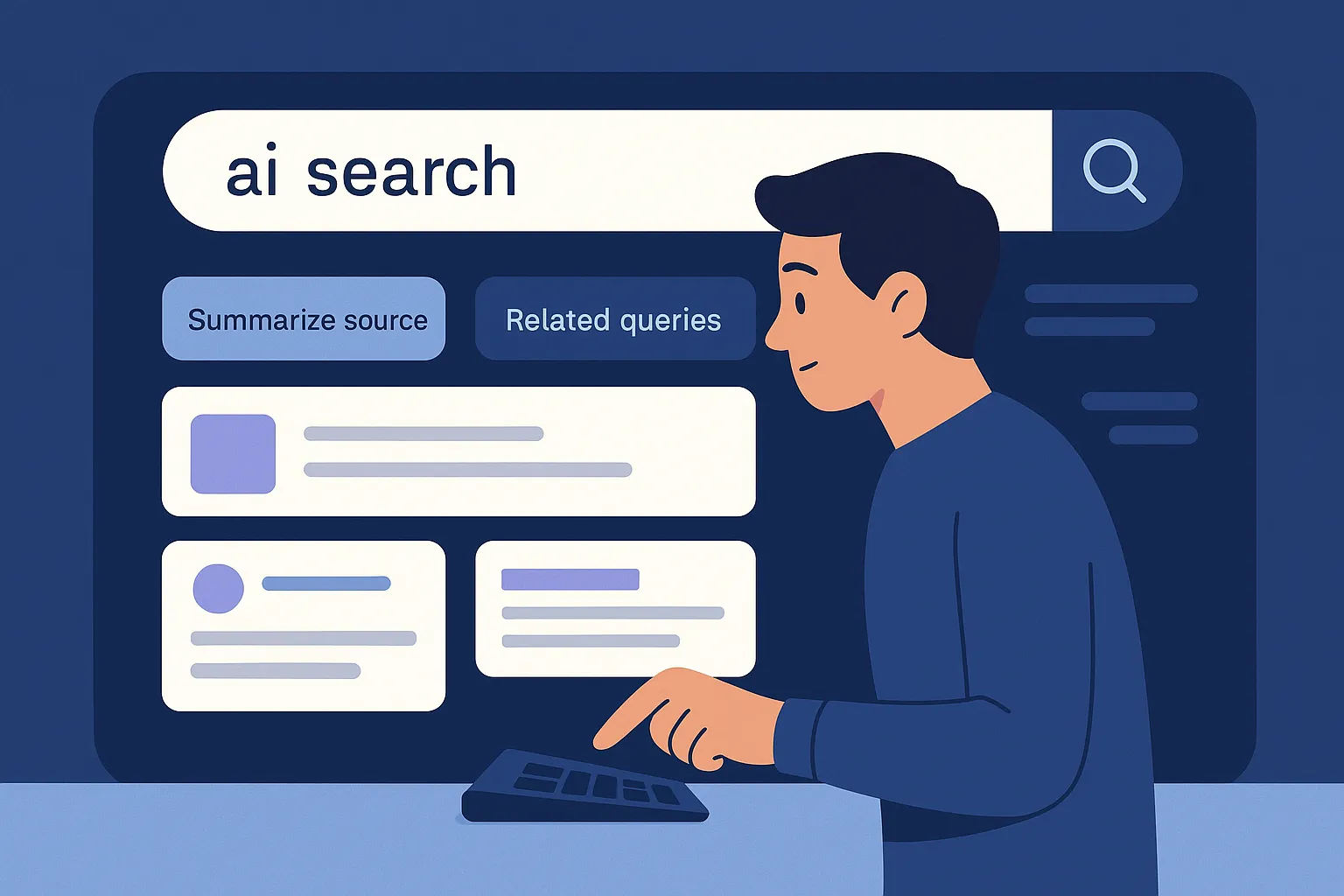
AI search tools are reshaping how we find, understand, and interact with information online. Unlike traditional search engines that rely on keyword matching, these advanced platforms use natural language processing, real-time data access, and context-aware algorithms to deliver fast, intelligent answers. Whether you're researching academic topics, exploring technical documentation, or looking for reliable summaries of complex content, AI-powered search assistants help you extract insights more efficiently. They’re particularly useful for professionals, students, and content creators who need accurate, up-to-date information without sifting through dozens of irrelevant results. In February 2026, the best tools go beyond simple “answer engines” by offering multi-source comparisons, better citation workflows, cleaner interfaces, and stronger controls over how results are generated and summarized. Many platforms also include document parsing, web browsing, and research-focused modes that support deeper workflows without locking you into one ecosystem. With both free and paid options available, users can choose the right balance of performance, customization, privacy, and reliability. This guide highlights the best AI search tools available today, helping you navigate an overwhelming digital landscape with ease. Explore our curated selections to upgrade your research and discovery process in 2026.
Best Paid AI Search Tools
| Rank | Tool | Strength | Price | Limits |
|---|---|---|---|---|
| #1 | Perplexity Pro | Cited answers + fast deep research across the live web | $20/month | Higher-tier features vary by plan |
| #2 | You.com Pro | AI search + agents for research, writing, and productivity | $20/month | Advanced tools and usage vary by tier |
| #3 | Kagi (Ultimate) | Premium search quality + AI assistant in one interface | $25/month | Plan selection affects AI modes and features |
| #4 | Brave Search Premium | Private search with an ad-free, cleaner results experience | $3/month | Primarily improves the search experience (not a full AI suite) |
| #5 | Consensus Pro | Evidence-based search across peer-reviewed research | $15/month | Deep-search style features are metered by month |
Perplexity Pro
Perplexity Pro remains one of the strongest AI search upgrades in February 2026 because it’s built around real browsing and transparent sourcing. Instead of dumping a list of links, it generates clear, digestible answers with citations you can click and verify, which is essential for research, business decisions, and technical learning. It’s especially good at multi-step questions where you need comparisons, pros and cons, and up-to-date context — without spending 30 minutes opening tabs. Pro users typically get faster “deep research” style workflows, stronger model access, and a smoother experience when you need repeated follow-ups that stay grounded in real sources. If you want an AI search tool that feels like a research assistant (not just a chatbot), Perplexity Pro is still the benchmark.
You.com Pro
You.com Pro is a strong pick for users who want AI search plus built-in productivity features in one place. It blends web search with AI responses, and layers in agent-style workflows that can help summarize topics, draft content, brainstorm, and handle practical research tasks without constantly switching between separate tools. For professionals and creators, this “search + action” approach can be a major time saver: you can research a topic, compile takeaways, and produce a structured output in the same session. The Pro tier adds more capable features and a smoother experience for frequent use, making it a great option for people who need an everyday tool for both discovery and execution.
Kagi (Ultimate)
Kagi is a premium alternative search engine that appeals to users who care about higher-quality results, fewer distractions, and more control over how information is ranked. While many “AI search” tools focus on generating answers, Kagi also improves the foundational discovery step: finding genuinely useful pages faster, with less SEO noise. On top of that, Kagi includes an assistant layer that helps summarize, clarify, and explore topics when you want speed without losing context. For researchers, developers, and power users who search constantly and want a cleaner experience, Kagi can feel like a meaningful upgrade — not because it’s flashy, but because it improves the quality of what you discover in the first place.
Brave Search Premium
Brave Search Premium is a simple but practical paid option for anyone who wants private search without ads and clutter. While it’s not an “answer engine” in the same way as Perplexity or You.com, it offers a cleaner, more focused search experience that helps you scan results quickly and keep your attention on the content that matters. For users who care about privacy and don’t want their searches shaping ad profiles, Brave’s approach is appealing — and the premium plan is one of the lowest-cost upgrades in the category. If your goal is better discovery (not necessarily AI-generated summaries), Brave Search Premium is a lightweight, budget-friendly improvement that pairs well with other AI tools.
Consensus Pro
Consensus Pro is ideal for people who want research-grade answers rather than internet opinions. It focuses on searching peer-reviewed literature and returning evidence-backed insights that help you understand what scientific studies actually support. This is especially valuable for health topics, psychology, education research, or any area where misinformation spreads quickly online and you need reliable grounding. Pro unlocks deeper workflows, stronger summaries, and more advanced research tools that make it easier to move from a question to credible sources without drowning in PDFs. If your definition of “AI search” is “show me what the research says,” Consensus Pro is one of the best paid options available in 2026.
Best Free AI Search Tools
| Rank | Tool | Strength | Limitations |
|---|---|---|---|
| #1 | Perplexity (Free) | Cited answers with strong web discovery | Lower limits and fewer advanced features than Pro |
| #2 | Microsoft Copilot | Fast AI answers and web discovery in a simple interface | Quality varies by query; citations may be inconsistent |
| #3 | Brave Search | Private search with clean results and strong independence | Not as “answer-first” as dedicated AI search engines |
| #4 | You.com (Free) | AI search plus writing and coding utilities | Some tools are locked; experience may be ad-supported |
| #5 | Phind | Developer-friendly AI search with technical clarity | Best for coding/technical topics vs general research |
Perplexity (Free)
The free version of Perplexity is still one of the best no-cost AI search tools in 2026 because it delivers quick, readable answers that stay anchored to real sources. Instead of forcing you to open ten tabs, it summarizes what it finds and provides citations so you can verify claims and dig deeper when needed. For everyday research — product comparisons, technical questions, learning a concept, or getting a quick overview of a topic — Perplexity (Free) is far more efficient than traditional search alone. The main trade-off is that the free tier typically has fewer advanced capabilities and lower usage compared to Pro, but it’s still an excellent default tool for fast, source-aware discovery.
Microsoft Copilot
Microsoft Copilot is a convenient free option for users who want AI assistance blended with web discovery. It’s great for fast explanations, quick summaries, and exploratory research where you’re trying to understand a topic before you go deeper. For students and professionals, Copilot can be a helpful “first pass” tool: use it to get oriented, generate keywords, outline what to look for, and refine your next searches. Like most free AI experiences, results can vary based on the query and the tool’s current behavior, so it’s best used as a discovery accelerator rather than a final authority. For speed and convenience, though, it’s a strong free addition to your search toolkit.
Brave Search
Brave Search is a privacy-first search engine that’s useful when you want straightforward discovery without feeling tracked or profiled. For many people, that alone is a major upgrade — especially when doing sensitive research, competitive analysis, or simply wanting cleaner results with less personalization bias. While Brave Search isn’t primarily an “AI answer engine,” it pairs well with AI workflows because it helps you find solid source pages quickly, which you can then summarize or analyze using your preferred assistant. If you care about independent search infrastructure and a calmer, more focused browsing experience, Brave Search is one of the best free tools to keep in your stack.
You.com (Free)
You.com’s free plan combines AI-assisted search with lightweight writing and coding features, making it a flexible option for people who want more than links and snippets. It’s especially handy for quick research sessions where you want both discovery and a usable output — a summary, a draft outline, or a simplified explanation — without switching platforms. The trade-off is that some higher-end features are reserved for Pro, and the free experience may include limitations or prompts to upgrade depending on what you use. Still, as a free, multi-purpose AI search tool that can support research, content creation, and technical problem-solving, You.com is one of the more well-rounded options available.
Phind
Phind is built for technical search — the kind where you don’t just need an answer, you need the logic, the steps, and (often) code you can paste into a project. It’s especially useful for developers, students in computer science, data analysts, and anyone working through APIs, frameworks, or debugging issues. Compared to general AI search tools, Phind tends to be more direct and structured for engineering workflows, which saves time when you’re under pressure to implement something quickly. It’s not the best choice for broad “life questions” or general news-style discovery, but for technical research and coding-heavy tasks, it’s one of the strongest free options in the AI search space.
Rankings

Chatbots
AI chatbots have quickly evolved from simple assistants into powerful, multi-purpose tools used by millions of people every day...

Image Generators
AI image generators are revolutionizing the way creatives, marketers, and developers produce visual content by transforming text prompts into detailed, customized...

Writing Assistants
AI writing assistants have become indispensable tools for anyone who writes — from students and bloggers to business professionals and marketers...
Deepfake Detection
As deepfake technology becomes more advanced and accessible, detecting AI-manipulated content is now a critical challenge across journalism, education, law, and...

Productivity & Calendar
AI productivity and calendar tools have become essential for professionals, entrepreneurs, and students looking to make the most of their time without getting overwhelmed...
Natural Language To Code
Natural language to code tools are transforming software development by enabling users to build apps, websites, and workflows without needing advanced programming...
Blog
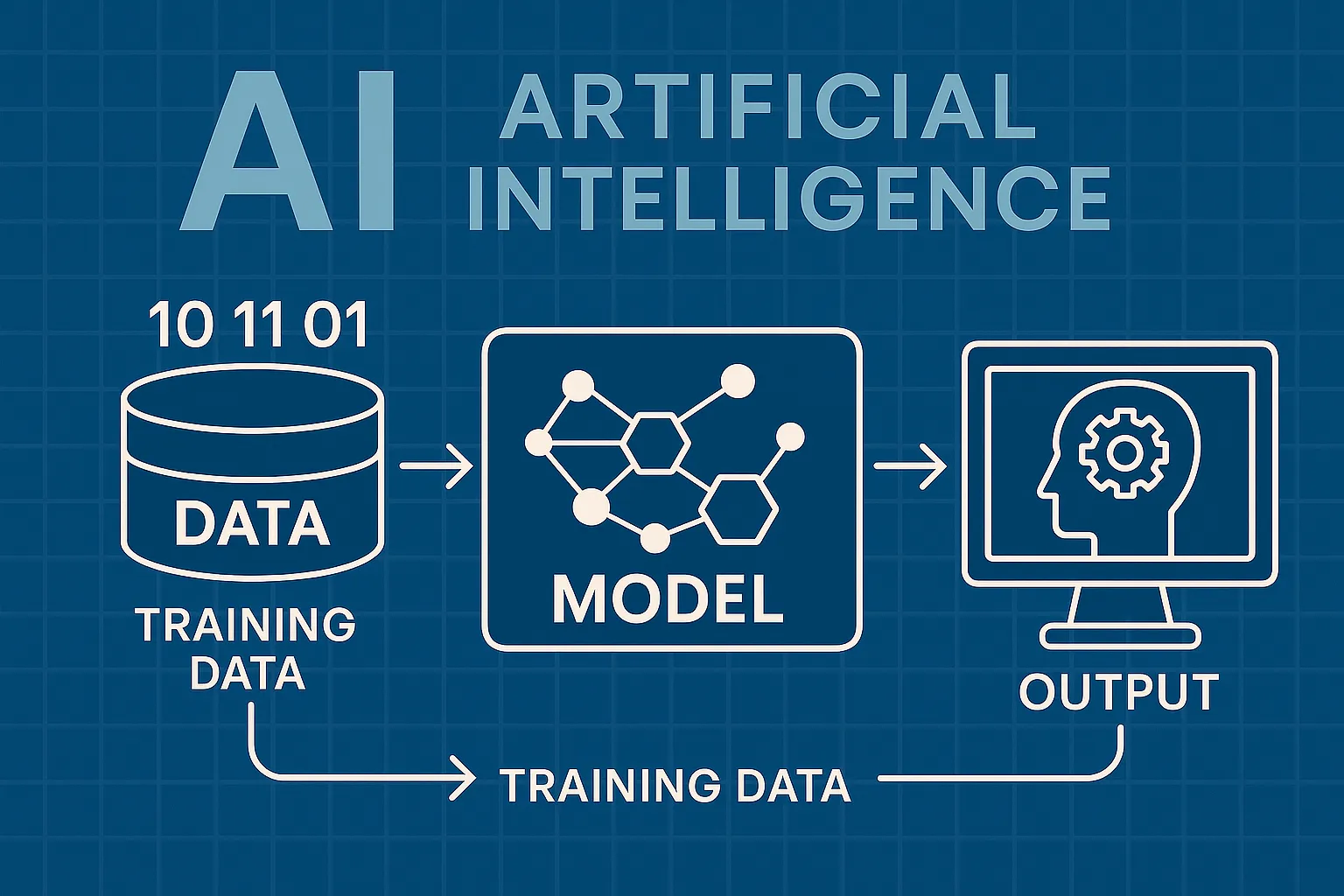
How AI Actually Works
Understand the basics of how AI systems learn, make decisions, and power tools like chatbots, image generators, and virtual assistants.

What Is Vibe Coding?
Discover the rise of vibe coding — an intuitive, aesthetic-first approach to building websites and digital experiences with help from AI tools.

7 Common Myths About AI
Think AI is conscious, infallible, or coming for every job? This post debunks the most widespread misconceptions about artificial intelligence today.

The Future of AI
From generative agents to real-world robotics, discover how AI might reshape society, creativity, and communication in the years ahead.

How AI Is Changing the Job Market
Will AI replace your job — or create new ones? Explore which careers are evolving, vanishing, or emerging in the AI-driven economy.

Common Issues with AI
Hallucinations, bias, privacy risks — learn about the most pressing problems in current AI systems and what causes them.