AI-powered scheduling tools are transforming the way individuals and teams manage their time, eliminating the frustration of endless back-and-forth emails and time zone confusion. These smart assistants analyze your calendar availability, priorities, and preferences to automatically suggest meeting times, adjust plans, and coordinate bookings across platforms. Whether you're organizing team meetings, onboarding new clients, or balancing deep work with personal commitments, AI scheduling software helps streamline your calendar with minimal effort. In February 2026, the top tools go beyond basic booking links by adding intelligent time blocking, conflict detection, focus protection, and dynamic rescheduling when priorities shift. Many also integrate with platforms like Google Calendar, Microsoft Outlook, Zoom, Slack, and task managers — so your schedule stays accurate without manual maintenance. They’re designed not only to optimize your calendar, but also to reduce burnout by protecting deep work, automating routine coordination, and making scheduling feel effortless. From freelancers managing solo workloads to teams needing collaborative booking and meeting policies, the best AI scheduling tools offer the flexibility, intelligence, and automation needed to take back control of your time. Explore our updated picks to find the right fit for your workflow.

Top Paid AI Scheduling Tools
| Rank | Tool | Key Feature | Price | Integrations |
|---|---|---|---|---|
| #1 | Motion | AI auto-scheduling for tasks + calendar | From $19/month | Google, Outlook, Zoom, tasks |
| #2 | Reclaim.ai | Smart time blocking for habits + focus | From $10/month | Google Calendar, Slack |
| #3 | Clockwise | Team calendar optimization + focus protection | From $7/user/month | Google Calendar, Slack |
| #4 | Calendly | Smart scheduling links + routing + buffers | From $10/seat/month | Google, Outlook, Zoom, Stripe |
| #5 | SkedPal | AI time-blocking with priority rules | From $9.95/month | Google, iCloud, Microsoft 365 |
Motion
Motion is one of the strongest “AI calendar optimizer” tools in 2026 because it actively builds (and continuously rebuilds) your schedule around real constraints. Instead of forcing you to manually time-block tasks, Motion automatically places work into open calendar slots based on priority, deadlines, and availability — then reschedules intelligently when meetings move or new work appears. This is ideal for people who feel like their day gets hijacked by interruptions, because Motion keeps your plan realistic and up to date without constant calendar editing. It also works well for teams that need a clearer view of what’s truly possible in a workday, since it encourages better meeting hygiene and preserves deep focus time. If you want your calendar to behave like a living plan (not a static grid), Motion is the most “hands-off” paid option on this list.
Reclaim.ai
Reclaim.ai focuses on protecting your time automatically — especially recurring habits, focus blocks, and “important but easy to skip” tasks. You connect your calendar, choose your priorities (like exercise, learning time, planning time, or project work), and Reclaim intelligently schedules those blocks around your meetings. If your calendar changes, it reshuffles those time blocks to keep your routines alive without requiring you to constantly re-plan. In February 2026, Reclaim remains one of the best options for preventing calendar overload because it helps you say “yes” to meetings while still keeping room for meaningful work. It’s especially useful for busy professionals who want to reduce burnout and maintain consistency, because it turns personal goals into calendar reality — automatically.
Clockwise
Clockwise is built for teams that struggle with fragmented calendars and constant meeting collisions. It automatically rearranges flexible meetings, creates larger focus blocks, and protects heads-down time — without requiring everyone to micromanage availability. The best part is that it respects real-world constraints: recurring commitments, working hours, meeting preferences, and team-wide rules (like no-meeting windows). For organizations that want fewer interruptions and more predictable focus time, Clockwise functions like a behind-the-scenes scheduler that gently improves the health of the team calendar over time. In 2026, it’s still one of the cleanest “set it and forget it” options for meeting-heavy teams that want productivity gains without changing their entire tool stack.
Calendly
Calendly remains a top scheduling pick in 2026 because it’s the simplest way to eliminate back-and-forth coordination — while still offering powerful controls for real workflows. You can create booking links with buffers, limits, and availability rules; add routing forms to send meetings to the right person; and support payment-based bookings for consultations or sessions. While Calendly isn’t a “time-blocking AI” tool in the same way as Motion or SkedPal, it is one of the best scheduling automation platforms for external meetings, client calls, interviews, and inbound requests. If your biggest scheduling pain is coordinating with other people (rather than planning your own tasks), Calendly is often the most reliable upgrade you can make.
SkedPal
SkedPal is a dedicated AI time-blocking scheduler that’s ideal for people who want strict logic-based planning: priorities, constraints, and rules that automatically shape your day. You define what matters, set your available hours, and SkedPal schedules tasks into your calendar while respecting deadlines, time estimates, and your own planning preferences. When your day changes (which it always does), SkedPal recalculates and updates your schedule so you can keep moving without reworking everything manually. It’s especially useful for productivity-focused users who want a “smart assistant” approach to time blocking, but with more control and transparency than typical task apps. If you like time blocking but hate maintaining it, SkedPal is one of the most purpose-built solutions available.
Top Free AI Scheduling Tools
| Rank | Tool | Key Feature | Limitations | Integrations |
|---|---|---|---|---|
| #1 | Cal.com (Free Tier) | Free booking links + workflows | Team features are paid | Zoom, Google, Outlook, Stripe |
| #2 | Notion Calendar | Fast calendar + scheduling + Notion context | Best experience with Google Calendar | Google Calendar, Notion |
| #3 | Google Calendar | Smart scheduling features + task time blocks | Some Gemini features require paid plans | Google Workspace ecosystem |
| #4 | When2Meet | Ultra-fast group availability polling | No calendar sync, no AI | Web only |
| #5 | YouCanBookMe (Free) | Free booking page + confirmations | Branding/watermark on free plan | Google, iCloud, Outlook |
Cal.com (Free Tier)
Cal.com’s free tier is one of the most generous scheduling options available in 2026, offering core booking functionality without the typical “freemium traps.” You can create booking links, connect calendars, embed scheduling on your site, and use workflow-style automations that make the experience feel far more advanced than most free plans. It’s especially attractive for solo creators, freelancers, and developers who want modern scheduling infrastructure without committing to a subscription — and it’s also a strong alternative for privacy-conscious users who prefer a more transparent platform approach. If you need a reliable way to let people book time with you (and you don’t need full team routing), Cal.com’s free plan is an easy #1 pick.
Notion Calendar
Notion Calendar (formerly Cron) is a modern calendar app designed for speed, keyboard-driven scheduling, and context-rich planning. In addition to a clean calendar experience, it can pull in related Notion work so your events feel connected to actual projects and deadlines — which makes planning more actionable than a standard calendar grid. It’s free to use and works particularly well for users who live inside Google Calendar and want a faster interface, better day planning, and lightweight scheduling tools without extra complexity. If you want a “premium-feeling” calendar app that stays simple and helps you move quickly, Notion Calendar is one of the best free upgrades you can make.
Google Calendar
Google Calendar is still a top free scheduling choice in 2026 because it keeps getting smarter while staying familiar. Beyond standard events, it supports appointment scheduling, improved task time blocking, and automation features that help you reserve time without creating “fake meetings.” For users in the Google ecosystem, it’s also the most seamless option for integrating email, video calls, and shared calendars — making coordination across teams and clients much easier. Some newer AI features (like Gemini-assisted scheduling inside Gmail/Workspace) may require paid plans, but even the free experience remains powerful for everyday planning. If you want a trusted, widely compatible scheduling foundation that doesn’t lock you into a niche platform, Google Calendar is the safest default pick.
When2Meet
When2Meet is the classic “no friction” tool for finding overlap across a group. It’s not AI-powered — and it doesn’t need to be. You create an availability poll, share a link, and everyone marks their free times on a simple grid. That’s it. This makes it ideal for casual scheduling: study groups, friend meetups, volunteer teams, and cross-time-zone coordination where no one wants to connect calendars or create accounts. When you need a fast answer to “when are we all free?” without any setup overhead, When2Meet remains one of the most effective free scheduling tools on the internet.
YouCanBookMe (Free)
YouCanBookMe offers a genuinely useful free plan for appointment booking — perfect for educators, small businesses, solo operators, and anyone who needs a simple scheduling page without paying monthly fees. You can share booking links, set availability rules, and send confirmations so meetings get locked in with less manual coordination. The main trade-off on the free plan is branding (a watermark or “powered by” style label), plus fewer customization and advanced automation options than paid tiers. But for basic scheduling that still looks professional and works reliably, YouCanBookMe is a strong free option that covers the essentials without overcomplicating your workflow.
Rankings

Chatbots
AI chatbots have quickly evolved from simple assistants into powerful, multi-purpose tools used by millions of people every day...

Image Generators
AI image generators are revolutionizing the way creatives, marketers, and developers produce visual content by transforming text prompts into detailed, customized...

Writing Assistants
AI writing assistants have become indispensable tools for anyone who writes — from students and bloggers to business professionals and marketers...

Deepfake Detection
As deepfake technology becomes more advanced and accessible, detecting AI-manipulated content is now a critical challenge across journalism, education, law, and...
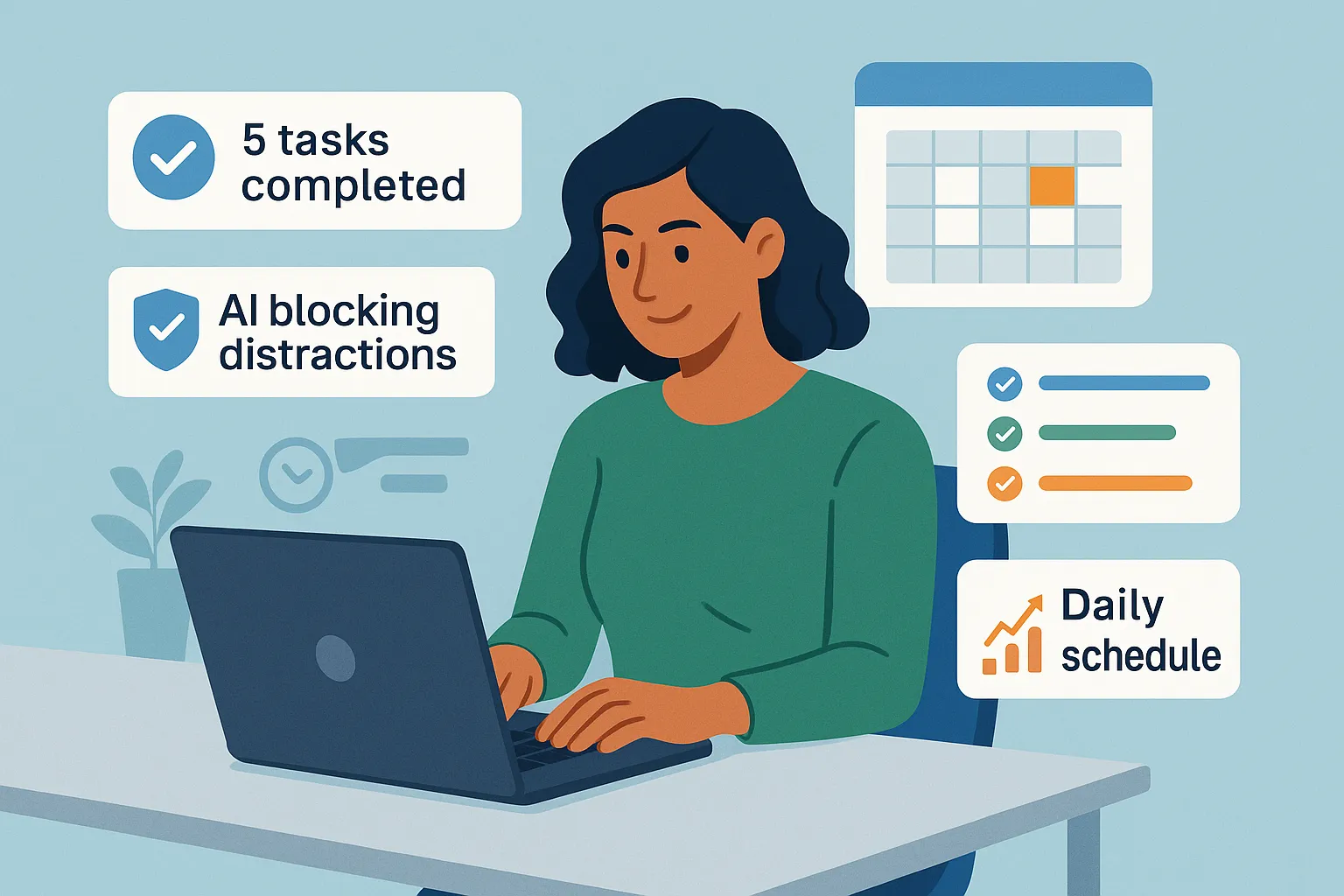
Productivity & Calendar
AI productivity and calendar tools have become essential for professionals, entrepreneurs, and students looking to make the most of their time without getting overwhelmed...
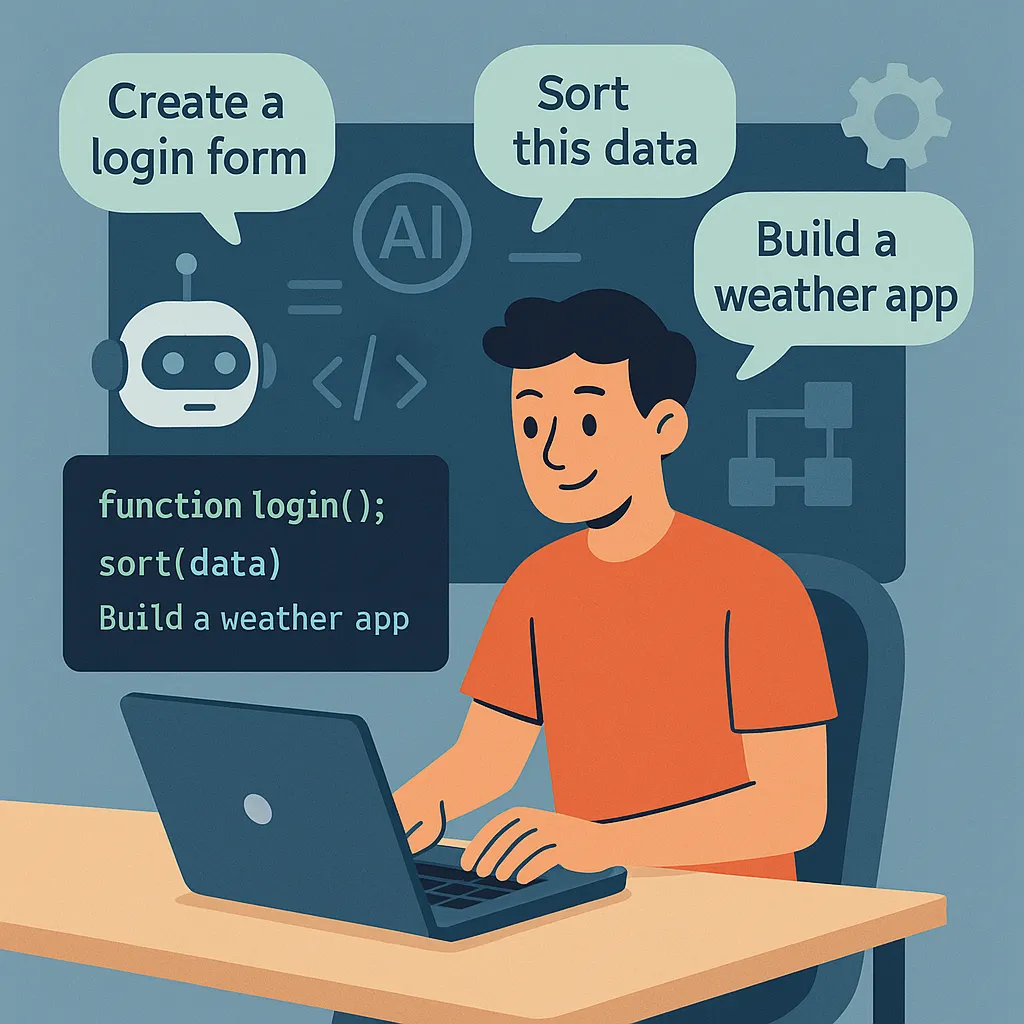
Natural Language To Code
Natural language to code tools are transforming software development by enabling users to build apps, websites, and workflows without needing advanced programming...
Blog
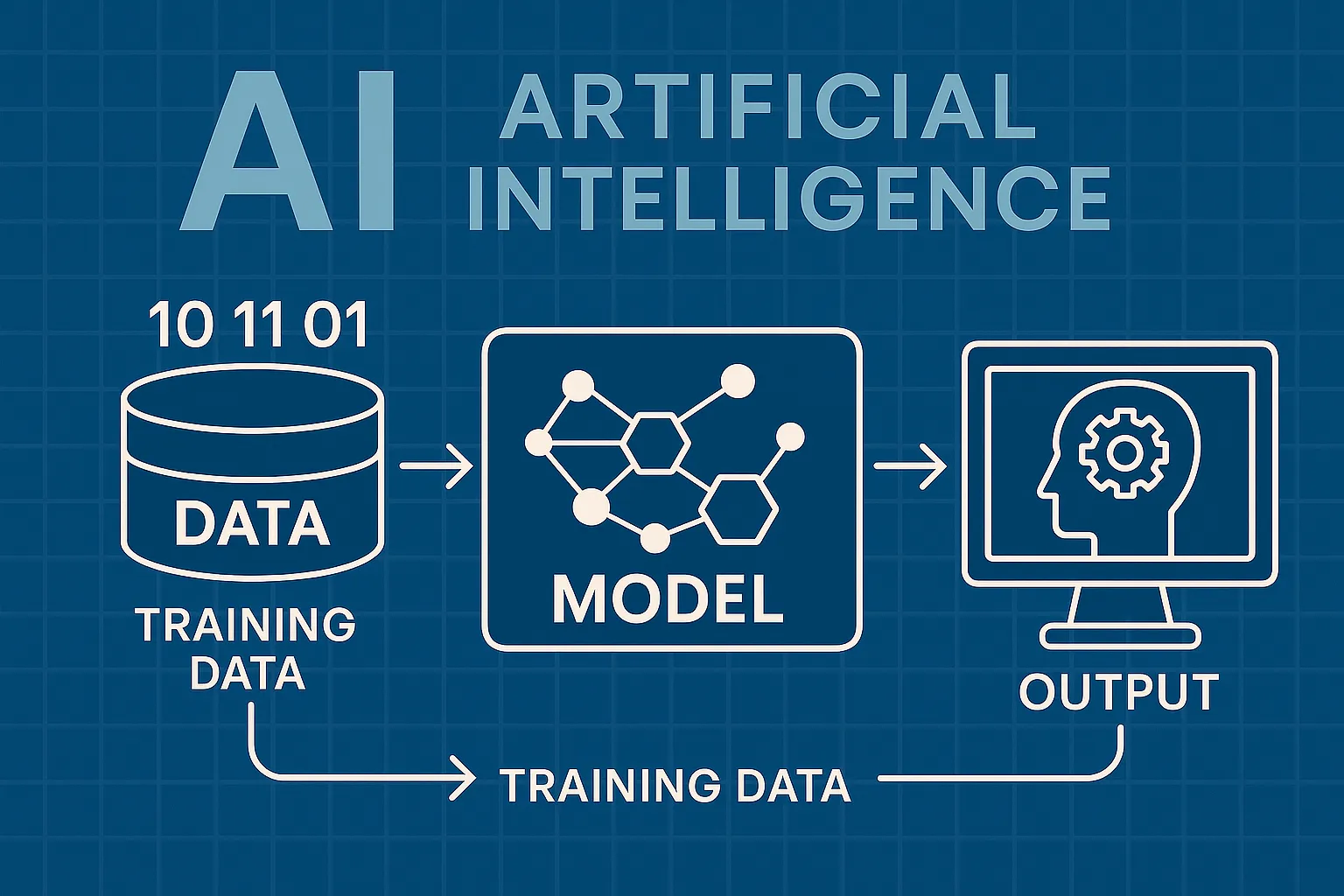
How AI Actually Works
Understand the basics of how AI systems learn, make decisions, and power tools like chatbots, image generators, and virtual assistants.

What Is Vibe Coding?
Discover the rise of vibe coding — an intuitive, aesthetic-first approach to building websites and digital experiences with help from AI tools.
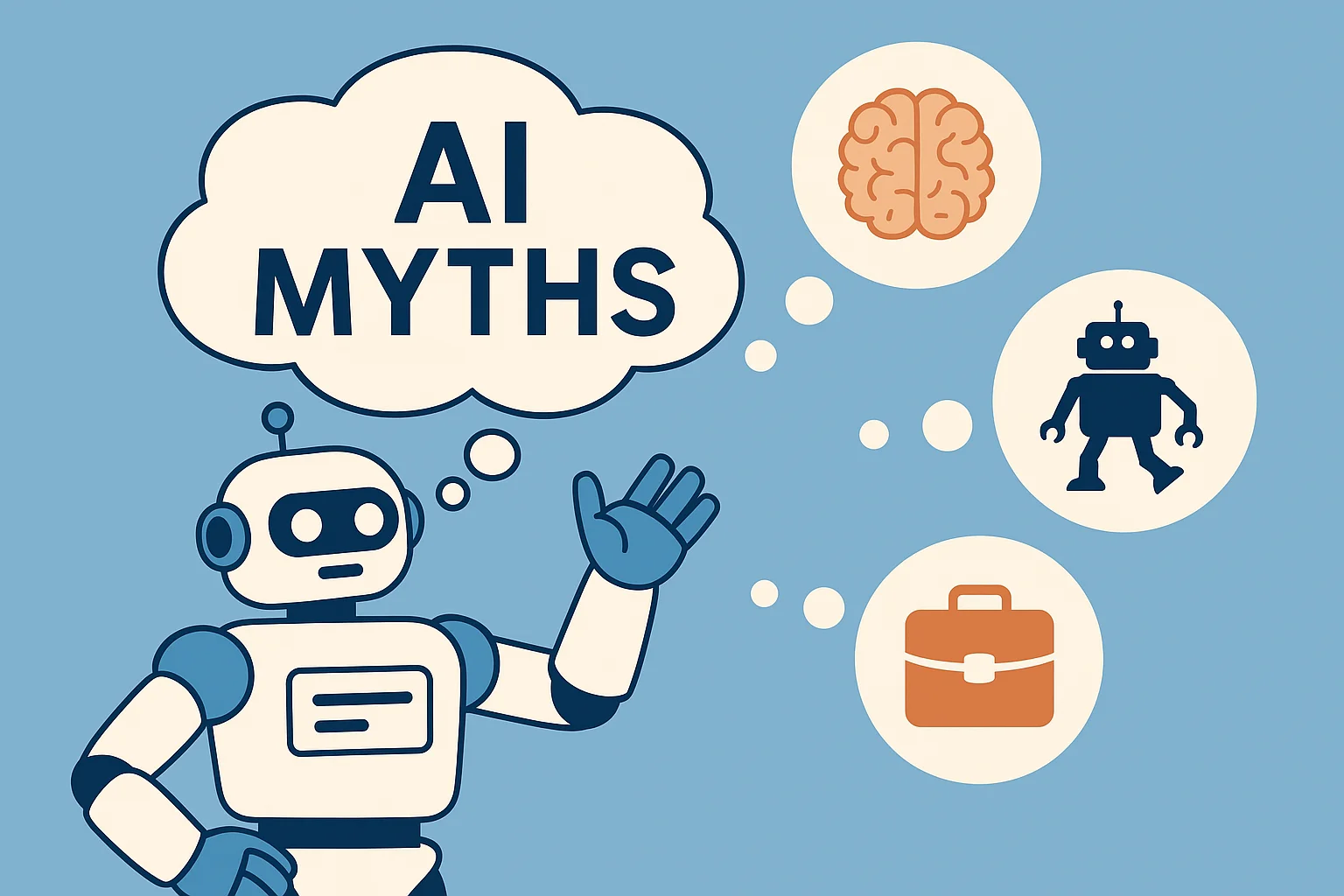
7 Common Myths About AI
Think AI is conscious, infallible, or coming for every job? This post debunks the most widespread misconceptions about artificial intelligence today.

The Future of AI
From generative agents to real-world robotics, discover how AI might reshape society, creativity, and communication in the years ahead.
How AI Is Changing the Job Market
Will AI replace your job — or create new ones? Explore which careers are evolving, vanishing, or emerging in the AI-driven economy.

Common Issues with AI
Hallucinations, bias, privacy risks — learn about the most pressing problems in current AI systems and what causes them.