As artificial intelligence becomes more integrated into everyday tools and workflows, concerns around safety, data privacy, and ethical use have taken center stage. Users are increasingly looking for AI solutions that don’t just perform well, but also protect sensitive information, avoid algorithmic harm, and operate transparently. In 2026, the safest AI tools go beyond compliance — they offer user control over data, enforce moderation policies, and adopt clear ethical frameworks. Whether you're an individual, a business, or an institution, using AI responsibly means choosing platforms that align with your values and privacy expectations. This guide highlights AI tools that prioritize user trust, safeguard your input, and promote ethical design without compromising performance. From “no training on business data” defaults and enterprise data protection to local/offline LLMs that keep everything on your device, these solutions stand out for their commitment to responsible innovation. Explore our rankings of the most secure, privacy-conscious AI platforms available today, and find tools that empower you without putting your data or integrity at risk.

Top Paid Safe AI Tools
| Rank | Tool | Focus Area | Price | Safety Strength |
|---|---|---|---|---|
| #1 | ChatGPT Enterprise | Enterprise-grade data privacy | Custom pricing | Business data not used for training by default |
| #2 | Microsoft 365 Copilot | Enterprise data protection | Varies (organization plans) | Prompts/responses stay in Microsoft 365 boundary |
| #3 | Gemini for Google Workspace | Workspace privacy + admin controls | Varies (Workspace editions/add-ons) | Workspace chats/files not used for training without permission |
| #4 | Writer | Compliance + governance tooling | Custom plans | Enterprise guardrails + controlled workflows |
| #5 | Amazon Bedrock | Private GenAI APIs at scale | Usage-based (varies by model) | Customer content not used to improve base models |
ChatGPT Enterprise
ChatGPT Enterprise is OpenAI’s most security-focused ChatGPT offering, designed for organizations that need strong privacy controls, centralized administration, and dependable compliance-friendly defaults. A major safety advantage is that business inputs and outputs are not used for training by default, reducing the risk of sensitive information becoming part of broader model improvement pipelines. Teams also benefit from workspace controls, identity and access management, and enterprise-grade governance options that make it easier to deploy AI responsibly across departments. Whether you’re handling proprietary strategy, customer communications, financial content, or legal drafts, ChatGPT Enterprise is built to support high-trust workflows while keeping your organization’s data boundaries clear and protected.
Microsoft 365 Copilot
Microsoft 365 Copilot is a strong choice for safety-conscious teams because it’s built around enterprise data protection and the Microsoft 365 security and compliance boundary. In practical terms, that means prompts, retrieved context (like Microsoft Graph data), and generated responses are handled within a controlled environment designed for organizational governance. For companies already standardized on Microsoft 365, Copilot can deliver productivity gains while keeping data access tied to your existing permissions model, audit capabilities, and administrative oversight. This makes it especially appealing for regulated environments where user access, retention policies, and organizational control matter just as much as AI performance.
Gemini for Google Workspace
Gemini for Google Workspace is designed for teams that want AI assistance while preserving workplace privacy expectations and administrative control. Google emphasizes that Gemini’s Workspace experience doesn’t change the security posture of Workspace itself — administrators retain strong controls, and organizations can manage access and deployment across the domain. A key safety differentiator for many professional settings is that Workspace chats and uploaded files are governed under Workspace agreements and aren’t used to train generative AI models outside your domain without permission. For teams working with internal documents, drafts, meeting notes, or customer communications, Gemini for Workspace offers a more governed way to use AI compared to consumer-first chatbot tools.
Writer
Writer is built for organizations that need AI to operate inside policy, not around it. Instead of acting like a general chatbot, Writer emphasizes controlled, enterprise-grade workflows with governance and guardrails — helpful for teams operating under strict editorial rules, compliance requirements, or brand constraints. The platform is commonly used for high-volume content environments where you need repeatable outputs, consistent tone, and safer automation that reduces risk from hallucinations, disallowed claims, or off-brand language. If your “safest AI” definition includes structured controls, oversight, and the ability to constrain what AI is allowed to produce, Writer stands out as one of the most practical and security-minded options available.
Amazon Bedrock
Amazon Bedrock is a go-to option for companies that want to build AI into products and internal systems while maintaining strong privacy and enterprise security posture. AWS positions Bedrock around clear data boundaries: customer content isn’t used to improve the base models and isn’t shared with model providers, which helps reduce the risk of sensitive inputs being reused outside your environment. Bedrock is also well-suited for “secure-by-design” deployments, where you combine private networking, IAM-based access controls, and governed application layers on top of model APIs. For teams building internal assistants, search-and-summarize tools, or private RAG systems over proprietary documents, Bedrock offers a safety-oriented foundation with the operational controls enterprise environments typically require.
Top Free Safe AI Tools
| Rank | Tool | Focus Area | Data Policy | Notes |
|---|---|---|---|---|
| #1 | Duck.ai (DuckDuckGo) | Privacy-first AI chat gateway | Designed to minimize identifiable data | Good “safe default” for casual chats |
| #2 | GPT4All | Offline private chat on desktop | Local-only (no required cloud) | Best for sensitive personal use |
| #3 | LocalAI | Self-hosted local inference | No cloud by default | Great for private internal tooling |
| #4 | Ollama | Run LLMs locally | Local-first (offline capable) | Keep it on localhost for best security |
| #5 | LM Studio | Local LLM UI for beginners | Runs models on your device | Simple, user-friendly private chat |
Duck.ai (DuckDuckGo)
Duck.ai is one of the easiest “safe-by-default” options for people who want AI chat without handing over a rich profile of personal data. Built by DuckDuckGo, it’s designed around privacy-first principles and aims to reduce identifiable information associated with your conversations compared to typical chatbot experiences. That makes it a strong pick for everyday questions, brainstorming, rewriting, and light productivity tasks where you still want to keep personal details minimal. While it may not offer every advanced feature you’d find in dedicated AI suites, it’s an excellent starting point for privacy-conscious users who want quick access to AI chat with fewer data-tracking concerns and a simpler, cleaner experience.
GPT4All
GPT4All is one of the most straightforward ways to get private AI chat on your computer without relying on a cloud account. Because it’s designed for local use, your prompts and chat history can stay on your device rather than being transmitted to a third-party server. That’s a major safety advantage for users who handle sensitive personal notes, confidential drafts, or any content that shouldn’t leave their machine. GPT4All also supports multiple local models, giving you flexibility to pick the best balance of speed and quality for your hardware. If your primary goal is “maximum privacy with minimal setup,” GPT4All remains one of the best free choices available.
LocalAI
LocalAI is a powerful open-source option for running AI models in your own environment, which can significantly reduce data exposure compared to cloud-based tools. Because you control the infrastructure, LocalAI is ideal for privacy-first prototyping, internal assistants, and secure sandbox deployments where you want AI capabilities without sending prompts or documents to external providers. It’s especially useful for developers or small teams who want to host a private “AI layer” behind their own authentication and networking controls. If you’re building safety-conscious workflows (like internal summarization, private document Q&A, or internal support bots), LocalAI gives you the flexibility to keep everything within your own boundaries.
Ollama
Ollama makes local LLMs far more approachable by offering a simple way to download and run models on your computer (often entirely offline). From a safety standpoint, the biggest win is that you can keep prompts, documents, and chat history local instead of sending them to third-party servers. That said, “local” doesn’t automatically mean “secure” if a user accidentally exposes a local endpoint to the public internet — so the safest approach is to keep Ollama bound to localhost, treat it like a private tool, and avoid opening it to untrusted networks. Used properly, Ollama is a strong free option for private brainstorming, drafting, and internal experimentation.
LM Studio
LM Studio is a beginner-friendly local AI interface that helps users run open models on their own device with minimal friction. It’s a great “safe AI starter” for people who want privacy benefits without the complexity of self-hosting servers or wiring up developer tools. Because the models run on your computer, LM Studio can help keep your prompts and outputs local, which is especially useful for private journaling, sensitive drafts, or offline work. It also makes it easier to explore different models and configurations without committing to a cloud subscription. If you want a simple, visual way to use private AI chat for free, LM Studio is one of the best options available.
Rankings
Chatbots
AI chatbots have quickly evolved from simple assistants into powerful, multi-purpose tools used by millions of people every day...

Image Generators
AI image generators are revolutionizing the way creatives, marketers, and developers produce visual content by transforming text prompts into detailed, customized...

Writing Assistants
AI writing assistants have become indispensable tools for anyone who writes — from students and bloggers to business professionals and marketers...
Deepfake Detection
As deepfake technology becomes more advanced and accessible, detecting AI-manipulated content is now a critical challenge across journalism, education, law, and...
Productivity & Calendar
AI productivity and calendar tools have become essential for professionals, entrepreneurs, and students looking to make the most of their time without getting overwhelmed...
Natural Language To Code
Natural language to code tools are transforming software development by enabling users to build apps, websites, and workflows without needing advanced programming...
Blog
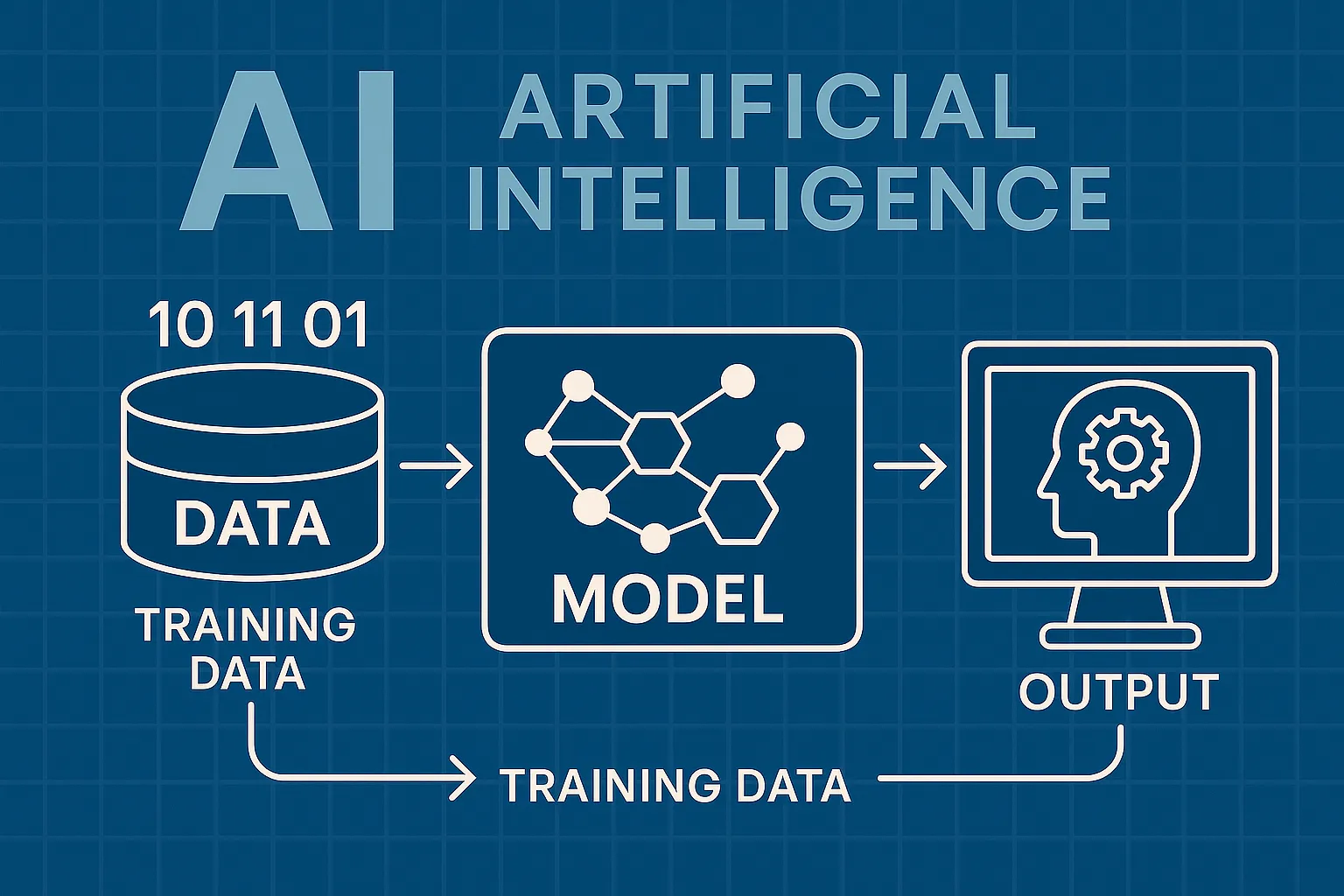
How AI Actually Works
Understand the basics of how AI systems learn, make decisions, and power tools like chatbots, image generators, and virtual assistants.

What Is Vibe Coding?
Discover the rise of vibe coding — an intuitive, aesthetic-first approach to building websites and digital experiences with help from AI tools.
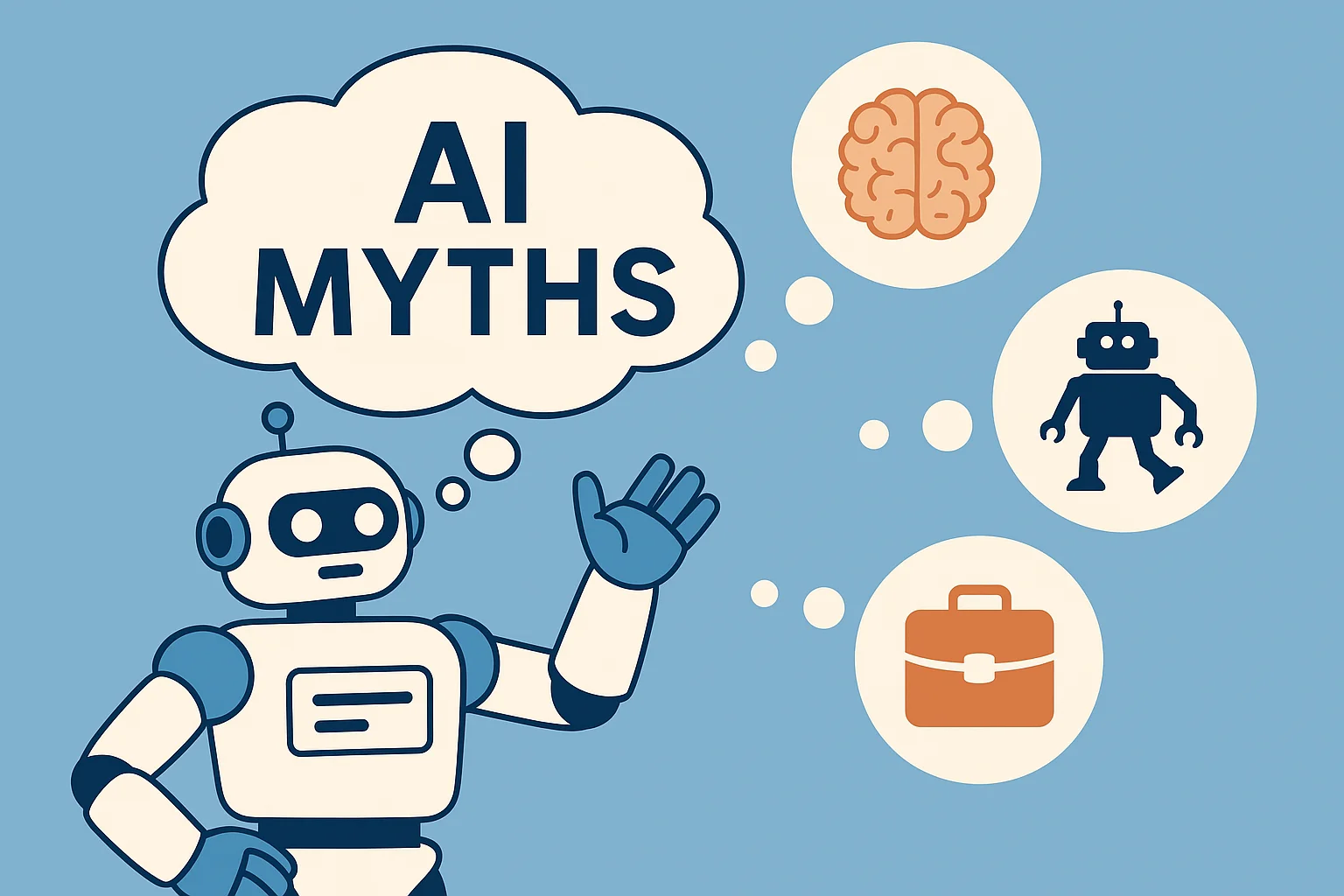
7 Common Myths About AI
Think AI is conscious, infallible, or coming for every job? This post debunks the most widespread misconceptions about artificial intelligence today.

The Future of AI
From generative agents to real-world robotics, discover how AI might reshape society, creativity, and communication in the years ahead.
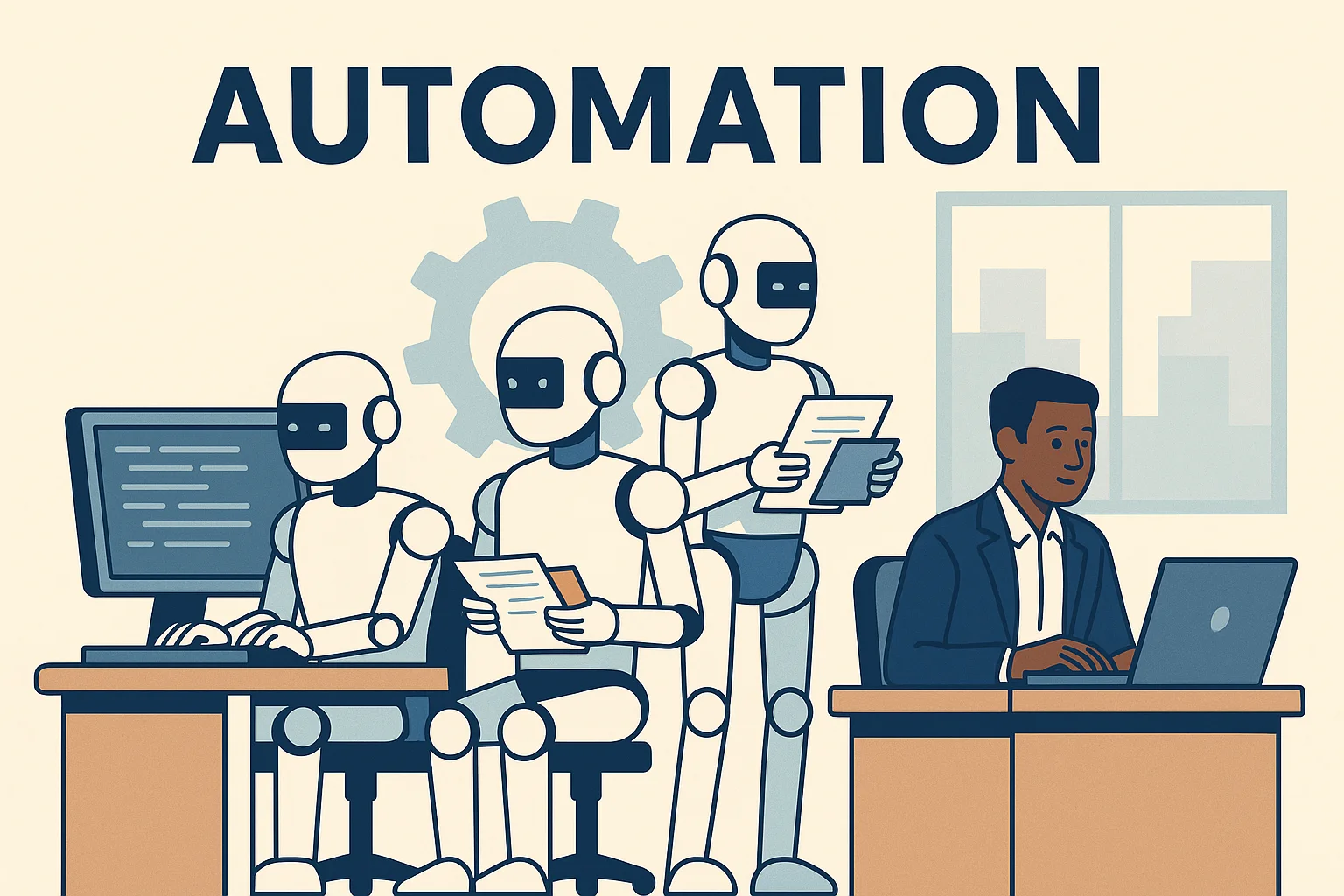
How AI Is Changing the Job Market
Will AI replace your job — or create new ones? Explore which careers are evolving, vanishing, or emerging in the AI-driven economy.

Common Issues with AI
Hallucinations, bias, privacy risks — learn about the most pressing problems in current AI systems and what causes them.