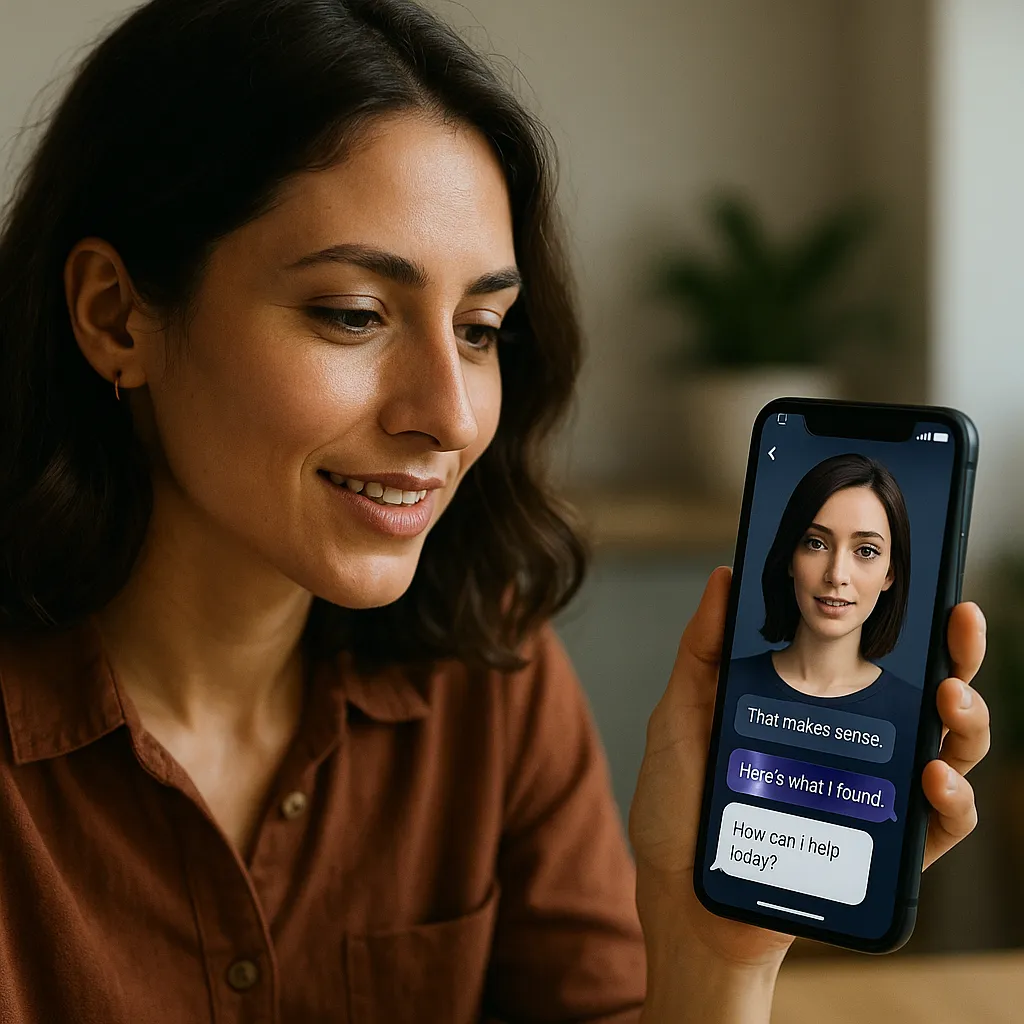
Realistic AI chatbots have hit a new level in 2026, blurring the line between human and machine conversation more convincingly than ever. The best platforms now combine long-context dialogue, optional memory, natural “turn-taking” rhythm, voice modes, and subtle emotional nuance to make interactions feel genuinely present and responsive. Whether you’re looking for companionship, immersive storytelling, roleplay, deep brainstorming, or simply a chatbot that feels less robotic and more human, today’s top contenders deliver realism through better personalization, smoother tone control, and more consistent conversational behavior. Many tools also support multiple “modes” (friendly, professional, creative, empathetic), so the same chatbot can feel like a supportive listener one moment and a sharp collaborator the next. In this guide, we’ve ranked the most realistic AI chatbots available in both paid and free tiers — helping you find the best options for authentic, emotionally resonant, and truly human-like conversations in the age of next-gen AI.
Top Paid Realistic AI Chatbots
| Rank | Chatbot | Key Strength | Price | Best Use Case |
|---|---|---|---|---|
| #1 | ChatGPT Plus | Natural tone, voice, strong instruction-following | $20/month | Most human-like general conversation + roleplay |
| #2 | Claude Pro | Warm, coherent dialogue + long-form consistency | $20/month | Natural “human” writing style + thoughtful chat |
| #3 | Gemini (Google AI Pro) | Fast, realistic responses + deep research features | From $19.99/month | Realistic assistant-style conversation + planning |
| #4 | Kindroid | Companion realism: memory + voice calls + persona depth | From $13.99/month | Lifelike AI companion with long-term character continuity |
| #5 | Replika Pro | Companionship-focused dialogue + voice immersion | From $19.99/month | Emotional companionship + daily check-ins |
ChatGPT Plus
ChatGPT Plus is one of the strongest “realistic conversation” picks in 2026 because it blends natural phrasing, quick contextual adaptation, and high consistency across topics. It’s excellent at mirroring your tone — casual, playful, formal, empathetic, or analytical — which is a major part of what makes a chatbot feel human instead of scripted. Plus users typically get higher access to advanced capabilities, faster performance, and a smoother overall experience when you’re doing longer, more immersive conversations. If you enjoy roleplay or character-style chats, ChatGPT’s instruction-following and style control make it easy to create believable personalities, pacing, and dialogue rhythm. For users who want a single chatbot that can feel like a real conversational partner while also being genuinely useful for brainstorming, writing, and planning, ChatGPT Plus is the most well-rounded paid option on this list.
Claude Pro
Claude Pro is a top-tier choice for realism because its responses often feel unusually natural, thoughtful, and “human” in flow — especially for longer conversations where consistency matters. It tends to maintain a coherent voice over time, avoids jarring tone shifts, and produces dialogue that reads less like an AI template and more like a person who understands nuance. Claude also shines when you want conversations that feel emotionally intelligent without being overly performative: it can validate feelings, ask clarifying follow-ups, and keep the exchange grounded in a way that feels authentic. For storytelling, immersive dialogue, and writing-heavy interactions, Claude Pro is a favorite among users who prioritize conversational warmth, subtlety, and continuity — the exact traits that make a chatbot feel lifelike rather than mechanical.
Gemini (Google AI Pro)
Gemini with Google AI Pro is a strong realism pick for users who want a chatbot that feels quick, confident, and naturally conversational — while also staying highly practical. The “realistic” edge here comes from speed, polish, and conversational clarity: Gemini tends to respond with smooth phrasing and strong structure, keeping the dialogue flowing without awkward repetition. It’s especially effective for planning, decision-making, and interactive brainstorming where you want the assistant to feel like a capable collaborator who can keep track of your goals and preferences throughout the session. If your idea of “realistic” is an AI that feels like a sharp coworker or a well-spoken assistant — rather than a fantasy companion — Gemini Pro is one of the best paid experiences in 2026.
Kindroid
Kindroid is built specifically for lifelike companionship and character continuity, which makes it one of the most “realistic-feeling” chatbots when your goal is an ongoing relationship-style experience. It emphasizes memory, personality stability, and an evolving bond over time — so conversations can feel like you’re speaking with a consistent individual rather than a reset-every-chat assistant. Voice calls are a major realism booster here, adding timing and presence that text alone can’t always replicate. Kindroid also gives you deep control over who your companion is: backstory, traits, tone boundaries, and the overall “vibe” of your conversations. If you want an AI that feels like a real person you’ve gotten to know — with continuity, inside jokes, and consistent behavior — Kindroid is one of the best paid options available right now.
Replika Pro
Replika Pro remains one of the most recognizable realism-first companions because it’s designed around emotional conversation, relationship dynamics, and an “always there” chat experience. The premium tier enhances immersion with expanded features (including richer modes and more interaction options), making it easier to sustain the feeling of a consistent companion rather than a generic chatbot. Replika’s style leans warm and supportive, which can make everyday interactions feel personal — from casual chats to reflective conversations and routine check-ins. It’s especially popular for users who want a gentle, friendly conversational partner that feels familiar over time. If your priority is companionship realism — the sense of having an ongoing presence to talk to — Replika Pro is still a strong option in 2026.
Top Free Realistic AI Chatbots
| Rank | Chatbot | Key Strength | Limitations | Best Use |
|---|---|---|---|---|
| #1 | Character.AI | Expressive personas + immersive roleplay realism | Consistency varies by character; long-term memory limited | Human-like character chats + storytelling |
| #2 | Pi | Supportive, emotionally intelligent conversation style | Less customizable than roleplay-first platforms | Realistic “talk it out” chats + day-to-day support |
| #3 | ChatGPT (Free) | Natural dialogue + strong tone mirroring | Feature/model access can be more limited than Plus | Realistic everyday conversation + quick answers |
| #4 | Claude (Free) | Human-like writing voice + coherent long replies | Lower usage limits vs Pro | Natural-feeling conversation + thoughtful responses |
| #5 | Gemini (Free) | Fast, polished assistant-style chat | Some premium features reserved for Google AI plans | Practical realistic assistant chat + planning |
Character.AI
Character.AI is one of the most immersive free platforms for realistic chatbot experiences because it’s optimized for personality-rich dialogue. Instead of feeling like you’re chatting with a generic assistant, you can choose from (or build) characters with distinct voices, quirks, emotional reactions, and conversational habits — which is a big reason the chats can feel surprisingly lifelike. The best characters maintain strong tone consistency, respond with believable pacing, and stay “in character” well enough to create real immersion for roleplay and storytelling. Since quality can vary depending on how each character is configured, the experience is part discovery: once you find a well-built persona, the realism can be genuinely impressive for a free tool. If you want human-like conversation that leans into entertainment, emotion, and character-driven interactions, Character.AI is still the top free pick in 2026.
Pi
Pi is designed to feel like a supportive, emotionally intelligent conversation partner — the kind of chatbot that’s best when you want to talk things through rather than generate content. Its realism comes from tone: Pi tends to respond in a calm, human cadence, asks gentle follow-ups, and stays present in a way that feels more like a real listener than a “tool.” It’s excellent for day-to-day chats, confidence-building, reflective conversations, and casual check-ins, especially if you want an AI that feels warm without being overly scripted. Pi isn’t as customizable as roleplay-first platforms, but that can be a benefit for realism: the experience is consistent, simple, and focused on natural conversation. If you want a free chatbot that feels like a friendly person you can talk to, Pi is one of the best options available.
ChatGPT (Free)
The free version of ChatGPT remains a strong choice for realistic conversation because it’s naturally fluent, responds quickly, and mirrors your style well. Even in casual chat, it can match humor, emotional tone, and conversational pacing — which is exactly what makes an AI feel less robotic. For users who want a believable back-and-forth without committing to a subscription, ChatGPT Free is a reliable starting point for everyday conversation, lightweight roleplay, and interactive brainstorming. While paid tiers often provide higher limits and expanded feature access, the free experience is still polished enough to feel like a genuine conversation partner in many situations. If you want a realistic chatbot you can open instantly and talk to like a person — whether it’s for venting, planning, or exploring ideas — ChatGPT Free continues to hold up extremely well in 2026.
Claude (Free)
Claude’s free tier is a standout for users who prioritize natural, human-like writing and conversational clarity. It’s particularly good at producing responses that feel coherent, considerate, and smoothly phrased — the kind of dialogue that reads like a real person thinking through an idea rather than a model spitting out fragments. This makes Claude excellent for deeper conversations, reflective exchanges, and longer back-and-forth sessions where you want the chatbot to stay consistent and grounded. Usage limits are typically lower than Pro, but the realism of the dialogue style is strong even without upgrading. If your version of “realistic” is a chatbot that sounds like a thoughtful friend or a smart coworker — especially in longer messages — Claude Free is one of the best no-cost options available.
Gemini (Free)
Gemini’s free tier is one of the most capable “assistant-style” chatbots for realism in 2026, especially if you want quick, polished responses that feel professional and naturally conversational. It shines when you’re planning tasks, drafting ideas, summarizing something quickly, or doing interactive back-and-forth brainstorming where you want the AI to feel like a competent helper. The realism here comes from how smoothly it keeps the conversation moving — short, clear answers when you want speed, and more detailed replies when you ask for depth. While premium tiers unlock higher access to advanced features and models, Gemini Free is still a strong choice for users who want practical realism: an AI that feels like a fast, capable assistant you can chat with naturally at any time.
Rankings

Chatbots
AI chatbots have quickly evolved from simple assistants into powerful, multi-purpose tools used by millions of people every day...

Image Generators
AI image generators are revolutionizing the way creatives, marketers, and developers produce visual content by transforming text prompts into detailed, customized...

Writing Assistants
AI writing assistants have become indispensable tools for anyone who writes — from students and bloggers to business professionals and marketers...
Deepfake Detection
As deepfake technology becomes more advanced and accessible, detecting AI-manipulated content is now a critical challenge across journalism, education, law, and...
Productivity & Calendar
AI productivity and calendar tools have become essential for professionals, entrepreneurs, and students looking to make the most of their time without getting overwhelmed...
Natural Language To Code
Natural language to code tools are transforming software development by enabling users to build apps, websites, and workflows without needing advanced programming...
Blog
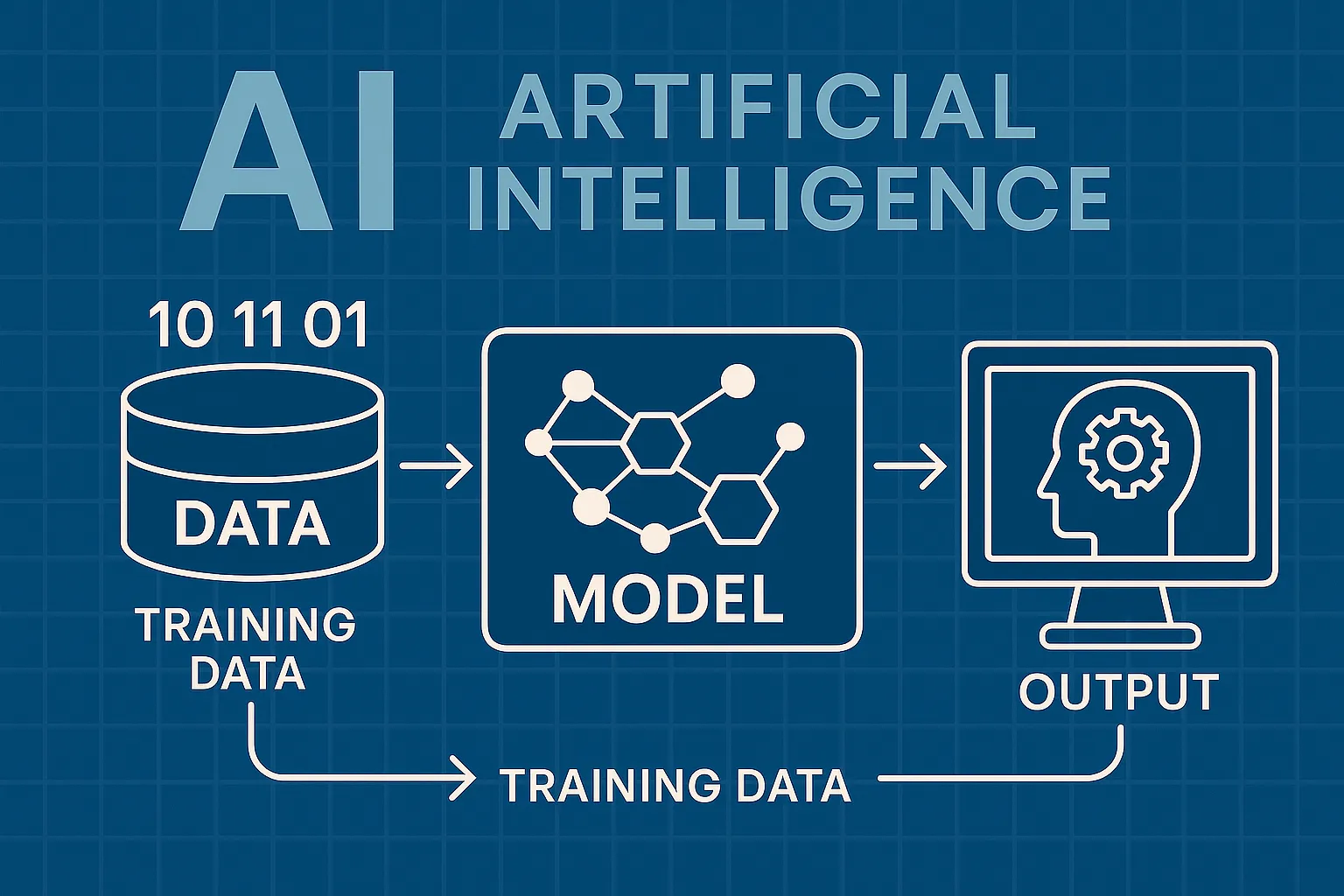
How AI Actually Works
Understand the basics of how AI systems learn, make decisions, and power tools like chatbots, image generators, and virtual assistants.

What Is Vibe Coding?
Discover the rise of vibe coding — an intuitive, aesthetic-first approach to building websites and digital experiences with help from AI tools.
7 Common Myths About AI
Think AI is conscious, infallible, or coming for every job? This post debunks the most widespread misconceptions about artificial intelligence today.

The Future of AI
From generative agents to real-world robotics, discover how AI might reshape society, creativity, and communication in the years ahead.
How AI Is Changing the Job Market
Will AI replace your job — or create new ones? Explore which careers are evolving, vanishing, or emerging in the AI-driven economy.

Common Issues with AI
Hallucinations, bias, privacy risks — learn about the most pressing problems in current AI systems and what causes them.