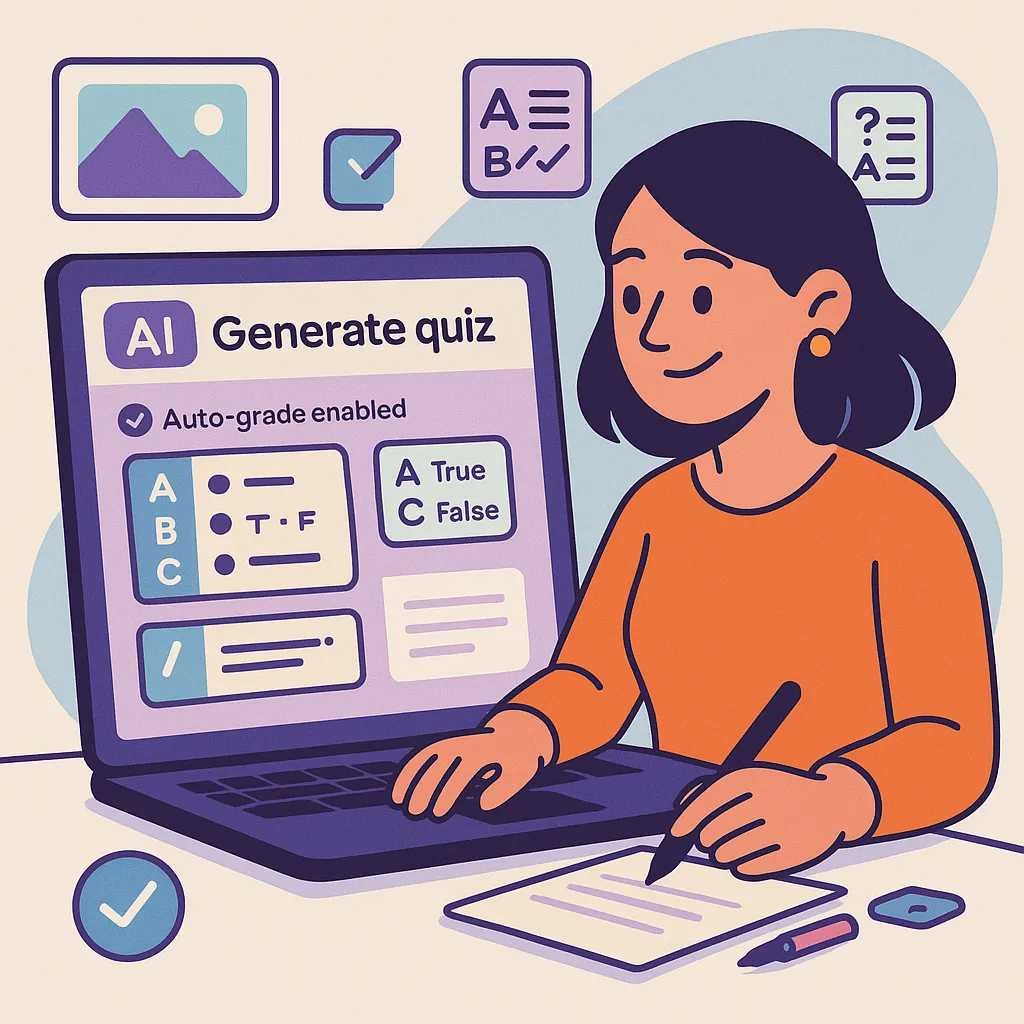
AI quiz and test makers have transformed how educators, trainers, and content creators build assessments by turning static material into dynamic, auto-generated questions. These tools use natural language processing to convert articles, lesson plans, PDFs, PowerPoint slides, or raw text into quizzes with multiple-choice, true/false, and short-answer formats in seconds. In February 2026, the best AI-powered quiz makers not only save time but also improve question quality with difficulty control, standards alignment, answer key generation, and export formats that work with popular classroom and training workflows. Whether you're teaching online, tutoring one-on-one, creating internal training content, or preparing study materials, these platforms help you produce engaging, structured questions without starting from scratch. With free and paid options available, users can choose tools based on input volume, quiz complexity, collaboration needs, and export requirements. This page ranks the most effective AI quiz and test generators available today — empowering educators and content creators to test knowledge more efficiently, accurately, and creatively.
Best Paid AI Quiz & Test Makers
| Rank | Tool | Strength | Price | Limits |
|---|---|---|---|---|
| #1 | Quizgecko | Text/PDF/URL → quizzes + exports | From $8/month | Generation & export limits vary by plan |
| #2 | QuestionWell | Teacher-first quiz sets with LMS exports | From $7/month | Question sets/month vary by plan |
| #3 | Conker | Standards-aligned formative assessments fast | From $3.99/month | Plan-based quiz volume and features |
| #4 | ClassPoint | PowerPoint slide → AI quizzes (live in class) | From $8/month (billed annually) | AI quiz credits and class size vary by plan |
| #5 | Mindsmith | Training-grade assessments + SCORM-ready learning | From $39/month | Plan-based AI credits, sharing, and collaboration |
Quizgecko
Quizgecko is one of the most complete “content to quiz” platforms available in 2026, designed for teachers, trainers, and creators who want quality questions without spending hours writing them. You can generate quizzes from pasted text, webpages/links, and learning materials, then choose formats like multiple-choice, true/false, and short-answer with answer keys included. What makes Quizgecko especially useful for real workflows is how well it supports review and refinement: you can edit questions, tune difficulty, and build a clean question set that actually matches the intent of the source material. It’s also strong for exporting and sharing, which matters when you’re moving content into classrooms, onboarding programs, or study packets. Paid tiers typically unlock larger inputs, higher generation volume, and more robust export options — making Quizgecko a great all-around pick when you need reliable quiz generation repeatedly, not just as a one-off experiment.
QuestionWell
QuestionWell is built specifically for educators who want fast, classroom-ready question sets that can be exported into the tools they already use. You provide lesson text or a topic, and it generates organized questions with suggested answers, often structured in a way that feels “teacher-native” instead of overly generic. In 2026, its biggest advantage is workflow speed: create a set, quickly adjust wording or difficulty, and export into common quiz platforms and learning environments with minimal friction. It’s especially helpful when you need multiple versions of an assessment, want quick formative checks, or need to turn a lesson into an exit ticket without re-typing everything. Paid plans primarily increase how many question sets you can generate and expand formatting/export flexibility, making it a smart choice for tutors and teachers who generate quizzes weekly and want dependable output with low effort.
Conker
Conker focuses on rapid formative assessments that feel aligned with real classroom needs, including options for standards-aligned content and a range of question styles. It’s designed to help teachers create quizzes in seconds, then refine them into something you can confidently use for a quick check-for-understanding, practice activity, or review quiz. Conker stands out when you want speed plus structure: instead of generating a random list of questions, it aims to produce coherent sets that match a learning goal, with editing tools to customize wording, distractors, and difficulty. In February 2026, Conker is also a strong choice for educators who want to export quizzes into platforms like Google Forms or use them directly as lightweight online assessments. Paid plans generally unlock higher volumes and additional features, but even at low tiers it’s a practical tool for busy teachers and trainers producing frequent assessments.
ClassPoint
ClassPoint is ideal when your “source material” is already in PowerPoint and you want to turn slides into interactive quizzes without rebuilding your content elsewhere. Its AI quiz generator can read slide content and produce question types like multiple choice, short answer, and fill-in-the-blank, with options to tailor questions using Bloom’s taxonomy. That’s a big deal for teachers and presenters who want more than basic recall questions and need a quick way to generate higher-order prompts. ClassPoint also shines in live delivery: you can run engagement activities directly during a lesson or training session, collect responses, and keep attention high. In 2026, it’s a great fit for educators who teach from decks, corporate trainers who present in workshops, and anyone who wants a “turn the slides into questions” workflow. Paid plans typically increase class size, add AI credits, and unlock richer reporting and advanced engagement tools.
Mindsmith
Mindsmith is the strongest pick on this list for organizations building structured training content, because it combines AI-assisted authoring with assessments that fit real eLearning production workflows. Instead of generating a standalone quiz and leaving you to handle the rest, Mindsmith helps you build lessons and knowledge checks in a cohesive package, which is especially valuable for onboarding, compliance, internal enablement, and customer education. In February 2026, Mindsmith is a standout for teams that care about presentation quality, consistency, and distribution — including formats like SCORM for LMS compatibility. Its AI features help accelerate writing, structuring, and polishing content, while still allowing full manual control so you can align questions to your learning outcomes. If you’re a trainer or instructional designer who needs repeatable, professional-quality assessment content (not just quick classroom quizzes), Mindsmith is one of the most scalable options available.
Best Free AI Quiz & Test Makers
| Rank | Tool | Strength | Limitations |
|---|---|---|---|
| #1 | Conker (Free) | Fast AI quizzes with classroom-friendly formats | Fewer features/controls than paid tiers |
| #2 | QuestionWell (Free) | Teacher-style question sets with basic exports | Limited sets/month and formatting |
| #3 | Quizgecko (Free) | Try quiz generation on smaller inputs | Lower caps and fewer export options |
| #4 | ClassPoint (Basic) | Generate quizzes from PowerPoint with free AI credits | Smaller class size and limited AI credits |
| #5 | ChatGPT (Free) | Custom questions from any notes or pasted content | Manual formatting; no built-in LMS export |
Conker (Free)
Conker’s free quiz maker is one of the most practical “no-cost” options for educators who want AI-generated questions quickly. You can generate quizzes in seconds, then adjust wording, question types, and difficulty before sharing with students. It’s especially useful for last-minute formative assessments like exit tickets, quick checks, or review quizzes, because it removes the blank-page problem and gives you a solid draft instantly. In February 2026, Conker remains a strong free pick because it’s built for classroom reality: simple creation, fast editing, and shareable outputs that don’t require heavy setup. The main tradeoff is that advanced controls and higher-volume workflows are better supported on paid plans, but the free tier still delivers meaningful value for teachers and tutors who need quick question sets on demand.
QuestionWell (Free)
QuestionWell’s free plan is great for educators who want teacher-structured question sets without committing to a subscription. You can input lesson content or a topic and get a ready-to-edit set of questions with suggested answers that feels aligned to classroom use. For many teachers, the biggest win is speed: generate, lightly edit, and deploy for practice or assessment without spending an hour drafting questions. The free tier is naturally capped (typically by number of sets and available formatting/export options), but it’s still a strong choice for part-time tutors, substitute teachers, or anyone testing whether AI quiz generation fits their workflow. If you like the style of the output, upgrading mainly unlocks higher volume and smoother exporting.
Quizgecko (Free)
Quizgecko’s free access is ideal for trying AI quiz generation on smaller chunks of content before you decide whether you need a full subscription. You can generate question sets from short text inputs, experiment with different question formats, and see how well the tool mirrors your source material. It’s particularly useful for students building practice questions from notes and for educators testing how the AI handles their lesson style. The main limitation is volume: free access typically restricts input size, number of generations, and export options. Still, as a “test drive” of a full-featured quiz platform, it’s one of the easiest ways to validate whether AI-generated assessments can save you time in your specific subject area.
ClassPoint (Basic)
ClassPoint Basic is a great free option if your content lives in PowerPoint and you want to generate quiz questions directly from your slides. Instead of copying and pasting text into another tool, you can create questions from slide content and run them as interactive checks during a lesson or training session. In February 2026, ClassPoint’s free tier is especially attractive because it includes a limited amount of AI quiz credits, letting you try slide-to-quiz generation without paying upfront. The constraints are predictable: smaller class sizes, fewer AI credits, and some feature caps compared to Pro. But for teachers who want lightweight engagement and fast question creation right inside their deck, it’s one of the most efficient “free tier” workflows available.
ChatGPT (Free)
ChatGPT remains one of the most flexible free ways to generate quizzes because you can control the exact structure, tone, difficulty, and formatting using simple instructions. Paste study notes, learning objectives, or a short excerpt, then ask for multiple-choice questions with answer keys, explanations, and difficulty labels — or request mixed formats like true/false, short answer, and scenario-based questions. It’s especially useful when you want highly customized outputs, like questions mapped to specific learning outcomes or tailored to a particular age level. The tradeoff is workflow convenience: you’ll usually need to format the results yourself and manually move them into Google Forms, an LMS, or a quiz platform. But for quick, custom question generation with full control, ChatGPT is still a top free option in 2026.
Rankings

Chatbots
AI chatbots have quickly evolved from simple assistants into powerful, multi-purpose tools used by millions of people every day...

Image Generators
AI image generators are revolutionizing the way creatives, marketers, and developers produce visual content by transforming text prompts into detailed, customized...

Writing Assistants
AI writing assistants have become indispensable tools for anyone who writes — from students and bloggers to business professionals and marketers...

Deepfake Detection
As deepfake technology becomes more advanced and accessible, detecting AI-manipulated content is now a critical challenge across journalism, education, law, and...

Productivity & Calendar
AI productivity and calendar tools have become essential for professionals, entrepreneurs, and students looking to make the most of their time without getting overwhelmed...
Natural Language To Code
Natural language to code tools are transforming software development by enabling users to build apps, websites, and workflows without needing advanced programming...
Blog
How AI Actually Works
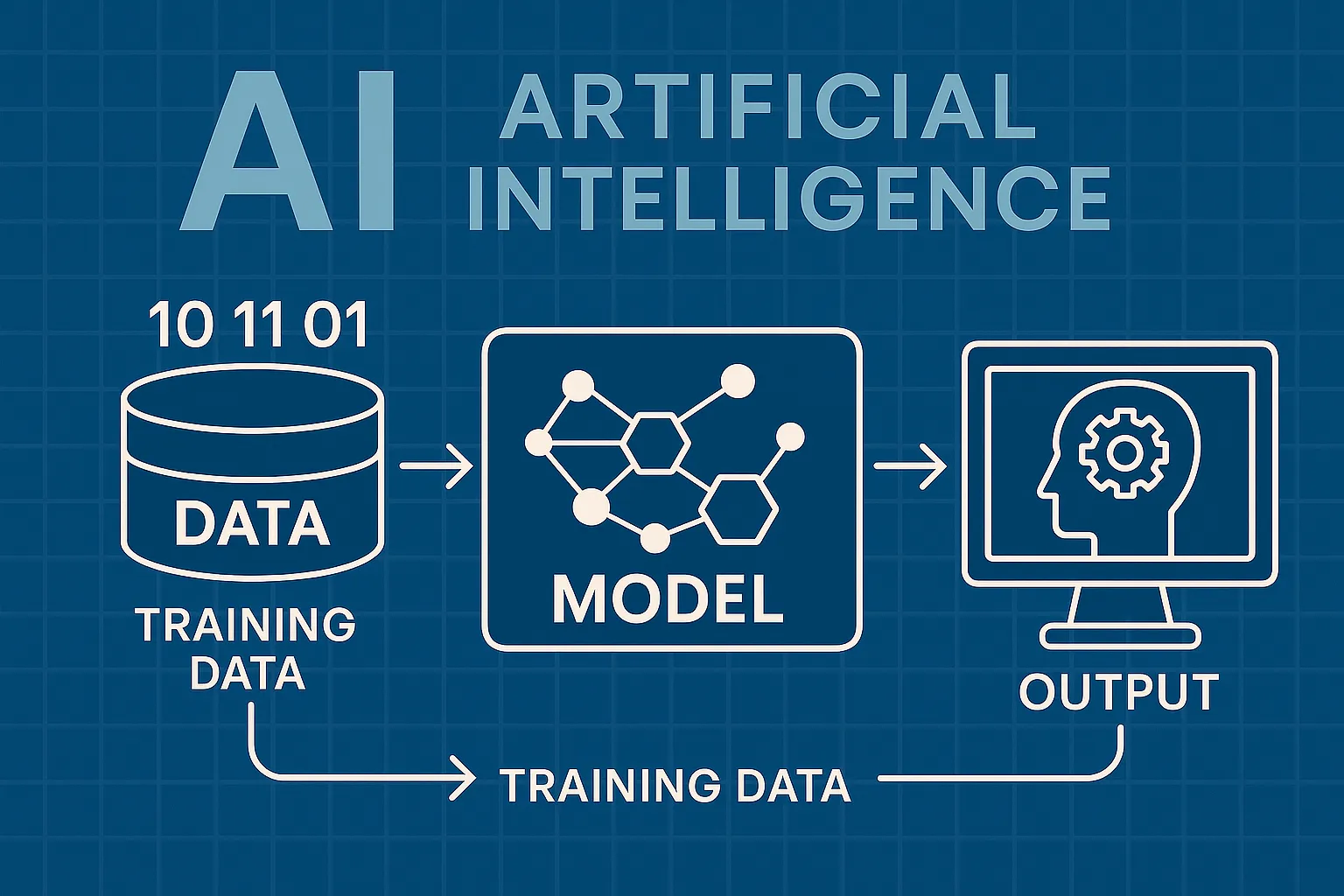
Understand the basics of how AI systems learn, make decisions, and power tools like chatbots, image generators, and virtual assistants.

What Is Vibe Coding?
Discover the rise of vibe coding — an intuitive, aesthetic-first approach to building websites and digital experiences with help from AI tools.

7 Common Myths About AI
Think AI is conscious, infallible, or coming for every job? This post debunks the most widespread misconceptions about artificial intelligence today.

The Future of AI
From generative agents to real-world robotics, discover how AI might reshape society, creativity, and communication in the years ahead.

How AI Is Changing the Job Market
Will AI replace your job — or create new ones? Explore which careers are evolving, vanishing, or emerging in the AI-driven economy.

Common Issues with AI
Hallucinations, bias, privacy risks — learn about the most pressing problems in current AI systems and what causes them.