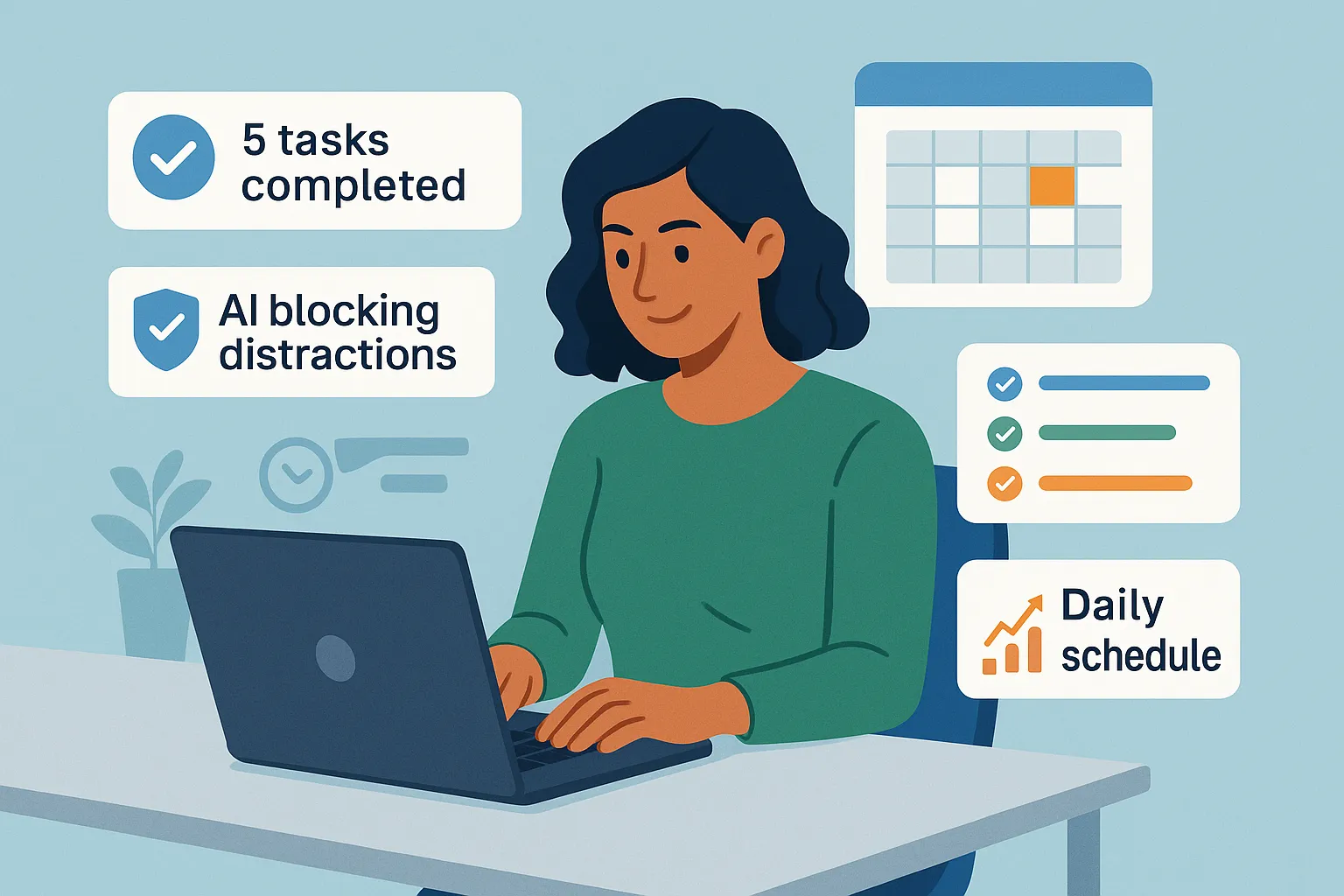
AI productivity and calendar tools have become essential for professionals, entrepreneurs, and students looking to make the most of their time without getting overwhelmed. These smart platforms blend scheduling, task management, and automation features to help you stay focused, organized, and on track — even when your week changes hour by hour. From auto-prioritizing your to-do list to intelligently blocking time for deep work, today’s AI-driven tools offer personalized support that adapts to your habits, goals, and workload. In February 2026, the best productivity apps go beyond simple reminders: they automatically protect focus time, balance meetings, reschedule tasks when conflicts happen, and help teams coordinate without endless back-and-forth. Whether you're managing client calls, juggling deadlines, or trying to reclaim hours for uninterrupted work, these tools streamline planning and make your calendar feel intentional instead of chaotic. With both free and paid options available, there’s a solution for every workflow style — from lightweight personal planning to advanced team scheduling. This guide highlights the best AI tools for boosting daily efficiency and turning calendar chaos into calm, strategic action.
Top Paid AI Productivity Tools
| Rank | Tool | Focus | Price | Standout Feature |
|---|---|---|---|---|
| #1 | Motion | AI scheduling + tasks + projects | From $19/user/month | Auto time-blocking + dynamic rescheduling |
| #2 | Reclaim.ai | AI time protection & scheduling | From $10/user/month | Auto-scheduled habits + smart meeting balancing |
| #3 | Akiflow | Task hub + time blocking | $19/month | Unified inbox for tasks + calendar planning |
| #4 | Clockwise | Team calendar optimization | From $6.75/user/month | Automatically creates and protects Focus Time |
| #5 | SkedPal | Auto-scheduling to-do lists | From $9.95/month | Automatically schedules tasks by priority + rules |
Motion
Motion is one of the strongest “set it and forget it” AI scheduling tools in 2026 because it actively builds — and continuously rebuilds — a realistic day plan from your tasks, meetings, and deadlines. Instead of manually time-blocking every to-do item, you drop tasks into Motion and let it place them into available calendar slots based on urgency, priority, and time requirements. When meetings move or new work shows up, Motion automatically reschedules your plan so you’re not constantly rewriting your day. It’s especially valuable for busy professionals who want a single system for task execution and calendar planning, with features like meeting booking links, deadline-aware task planning, and an interface that encourages focus over clutter.
Reclaim.ai
Reclaim.ai is a top choice for anyone who wants their calendar to reflect real priorities — not just meetings — by automatically defending time for deep work, habits, and personal routines. It connects to Google Calendar or Outlook Calendar and uses AI to schedule tasks and recurring habits (like workouts, lunch breaks, reading time, weekly planning, or dedicated focus blocks) around your existing obligations. When your week changes, Reclaim intelligently shifts these blocks while still protecting your goals, making it ideal for professionals who need flexibility without losing structure. It also supports calendar syncing across accounts, smart meeting features, and scheduling links, making it useful for both solo workflows and teams that want less calendar chaos and more high-quality focus time.
Akiflow
Akiflow is built for people who live in multiple tools and want one place to triage tasks, turn them into an actionable plan, and time-block them into a calendar. It pulls work in from popular task systems and communication tools, giving you a single daily planning dashboard where you can prioritize what matters and map it onto your available time. Akiflow is especially popular with founders, operators, and “power users” who want to combine fast capture with intentional planning — without building a complex setup from scratch. While it can feel more hands-on than fully automated schedulers, its strength is control: you can quickly organize an inbox of tasks, drag them into a calendar plan, and keep your day aligned with deadlines and deep work.
Clockwise
Clockwise is an AI calendar assistant designed to optimize schedules for teams by intelligently moving flexible meetings and creating larger blocks of uninterrupted Focus Time. Instead of manually negotiating meeting times, Clockwise continuously looks for ways to reduce fragmentation, resolve conflicts, and protect time for real work — which is especially helpful in meeting-heavy organizations. It works best when multiple teammates are using it, because it can coordinate calendars to find better meeting placements and reduce back-to-back overload. In February 2026, Clockwise stands out as a “calendar optimizer” rather than a traditional task manager, making it a strong pick for teams who already use Google Calendar heavily and want more deep work hours without hiring another coordinator.
SkedPal
SkedPal is a classic auto-scheduler that turns your to-do list into a time-blocked plan by applying your priorities, rules, and availability. You define what matters (and when you can do it), then SkedPal schedules tasks into your calendar across a planning window — updating automatically when your workload or meetings change. This makes it ideal for people who want a structured system that adapts, especially if you manage many tasks across projects and need the plan to stay realistic throughout the week. SkedPal is particularly useful for planners who like priority logic, constraints, and repeatable routines, and who want their calendar to become the “source of truth” for what actually fits in the day.
Top Free AI Productivity Tools
| Rank | Tool | Focus | Limitations | AI Features |
|---|---|---|---|---|
| #1 | Reclaim.ai (Free) | AI scheduling basics | Advanced team controls are paid | Auto-scheduled tasks, habits, and breaks |
| #2 | Google Calendar + Tasks | Time blocking + event management | No full AI auto-rescheduling | Smart suggestions, Gmail/Meet assistance |
| #3 | Notion Calendar | Calendar + work context | AI depends on Notion plan/features | Links events to Notion work and timelines |
| #4 | Todoist | Task tracking | Most AI features are paid | Smart quick-add parsing and organization helpers |
| #5 | Trello | Kanban project boards | Automation and advanced views are limited | Rule-based automations with Butler |
Reclaim.ai (Free)
Reclaim.ai’s free plan is one of the most valuable “AI productivity” options available in February 2026 because it gives you real scheduling intelligence without requiring a paid subscription. After connecting your calendar, Reclaim can automatically place tasks and recurring habits into open time blocks, then adjust those blocks when meetings shift. This helps you defend focus time and personal routines in a realistic way — so your calendar reflects how you actually want to spend your week, not just what other people booked. While paid plans unlock deeper team controls and more advanced scheduling options, the free tier is still a strong upgrade for anyone who wants lightweight AI assistance for a busy calendar.
Google Calendar + Tasks
Google Calendar paired with Google Tasks remains the simplest “works everywhere” foundation for time management, especially if you already live inside Gmail and Google Workspace. It supports fast event creation, meeting scheduling, reminders, recurring routines, and a surprisingly smooth experience across desktop and mobile. While it doesn’t offer full AI automation like automatically rescheduling your entire task list, it does provide smart suggestions and tight integrations that reduce friction — like turning emails into tasks and keeping your schedule synced across devices. For many users, Google Calendar + Tasks is the baseline that other AI tools enhance, and it’s still a reliable free setup for planning and follow-through.
Notion Calendar
Notion Calendar is a strong free option for people who want their calendar to feel connected to the rest of their work, not isolated from it. Instead of treating meetings as separate from tasks and projects, Notion Calendar is designed to sit alongside Notion’s workspace so you can see schedules, deadlines, and planning context together. This is especially useful for knowledge workers and students managing multiple ongoing projects who want clearer visibility into what each week is “for.” While advanced AI features depend on how you use Notion and what plan you’re on, Notion Calendar shines as a modern, clean scheduling layer that helps connect time to priorities.
Todoist
Todoist continues to be one of the best free task managers for people who want speed, clarity, and a system that doesn’t require constant tinkering. Its natural-language quick add makes it easy to capture tasks instantly (including due dates and recurring patterns), and its organization tools help keep large task lists readable. In 2026, Todoist remains a go-to for personal productivity and lightweight professional use, especially if you value clean design and cross-platform reliability. AI features vary by plan, but even the free version supports an efficient workflow: capture tasks quickly, sort them logically, and keep your day moving without a bloated interface.
Trello
Trello is still one of the easiest ways to manage projects visually, using a simple kanban board that works for everything from content calendars to personal goals and team workflows. Its free tier includes Butler automations, which let you set up rule-based actions like moving cards, applying labels, setting reminders, and keeping repetitive workflows consistent. While it’s not “AI scheduling” in the same way Motion or Reclaim is, Trello’s automation features can still remove a surprising amount of manual work — especially for creators, small teams, and anyone managing multi-step projects. If you like seeing progress at a glance and want a flexible system that scales, Trello remains a strong free pick.
Rankings

Chatbots
AI chatbots have quickly evolved from simple assistants into powerful, multi-purpose tools used by millions of people every day...

Image Generators
AI image generators are revolutionizing the way creatives, marketers, and developers produce visual content by transforming text prompts into detailed, customized...

Writing Assistants
AI writing assistants have become indispensable tools for anyone who writes — from students and bloggers to business professionals and marketers...

Deepfake Detection
As deepfake technology becomes more advanced and accessible, detecting AI-manipulated content is now a critical challenge across journalism, education, law, and...
Productivity & Calendar
AI productivity and calendar tools have become essential for professionals, entrepreneurs, and students looking to make the most of their time without getting overwhelmed...
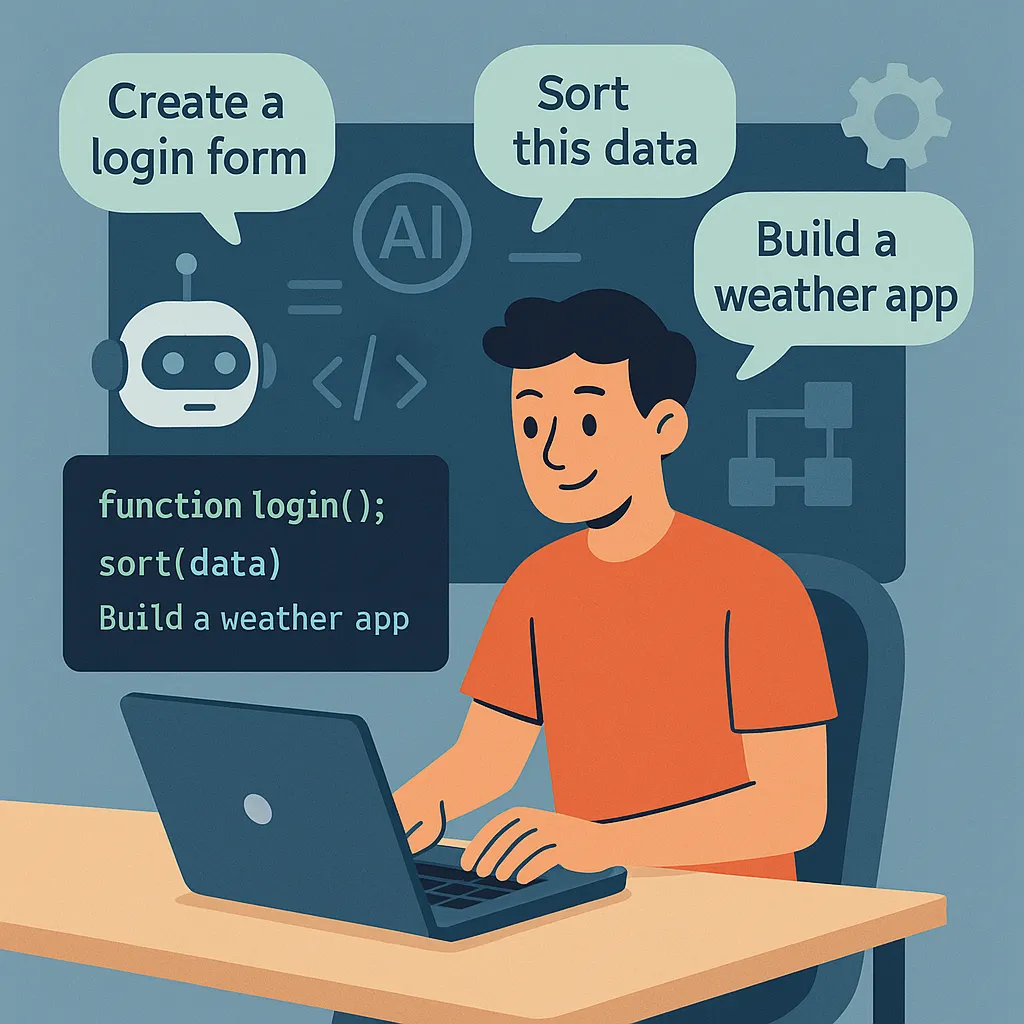
Natural Language To Code
Natural language to code tools are transforming software development by enabling users to build apps, websites, and workflows without needing advanced programming...
Blog
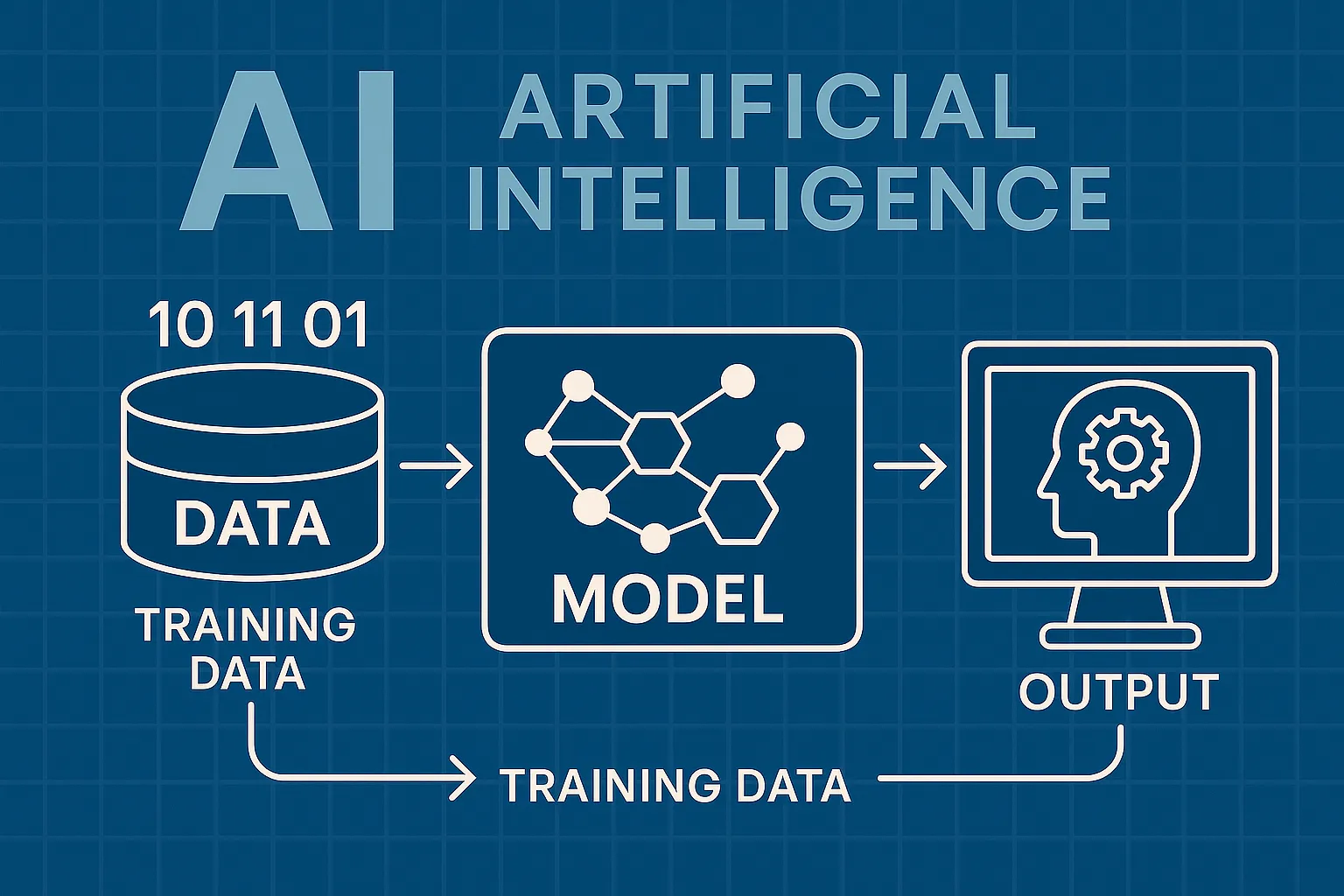
How AI Actually Works
Understand the basics of how AI systems learn, make decisions, and power tools like chatbots, image generators, and virtual assistants.

What Is Vibe Coding?
Discover the rise of vibe coding — an intuitive, aesthetic-first approach to building websites and digital experiences with help from AI tools.
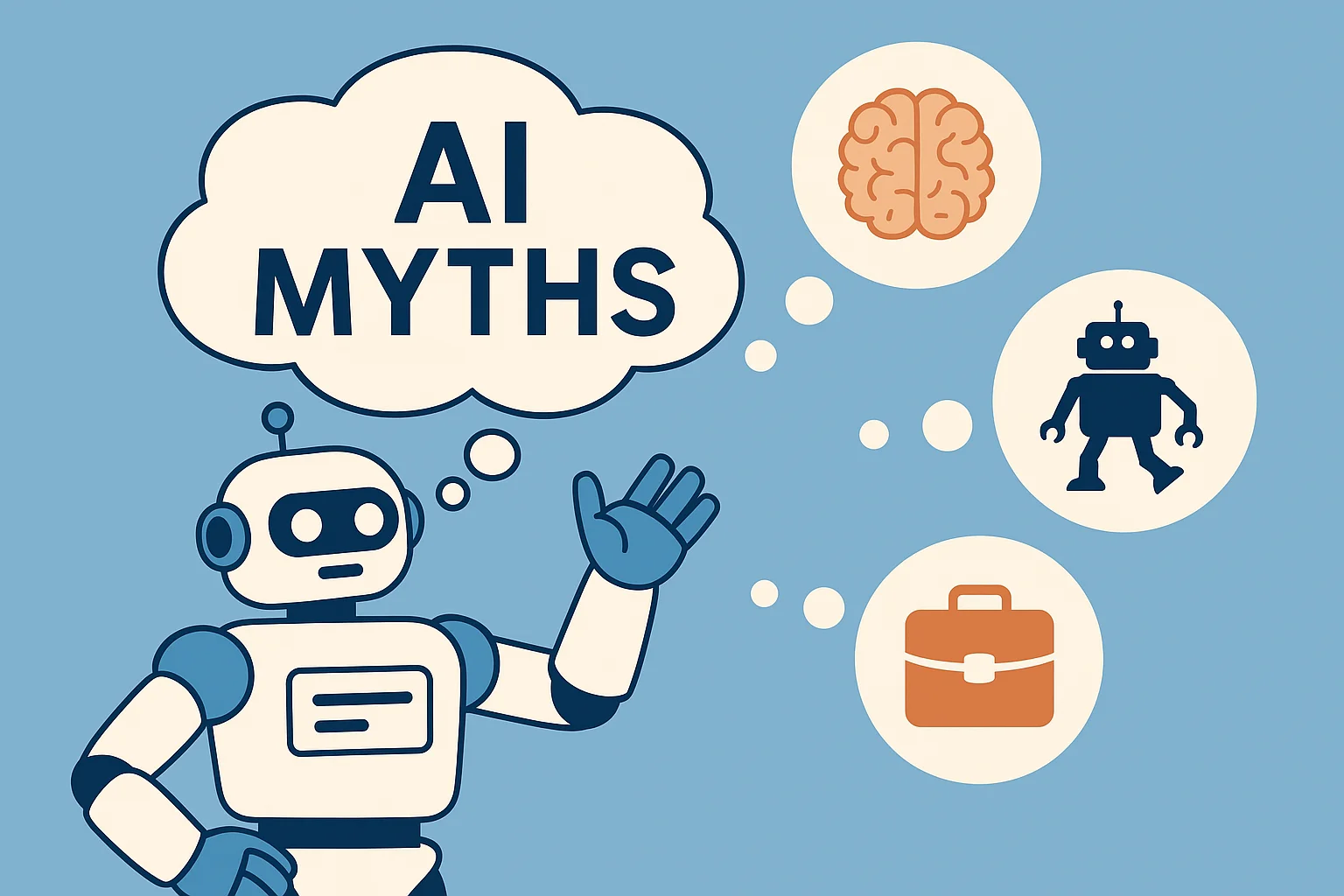
7 Common Myths About AI
Think AI is conscious, infallible, or coming for every job? This post debunks the most widespread misconceptions about artificial intelligence today.

The Future of AI
From generative agents to real-world robotics, discover how AI might reshape society, creativity, and communication in the years ahead.
How AI Is Changing the Job Market
Will AI replace your job — or create new ones? Explore which careers are evolving, vanishing, or emerging in the AI-driven economy.
Common Issues with AI
Hallucinations, bias, privacy risks — learn about the most pressing problems in current AI systems and what causes them.