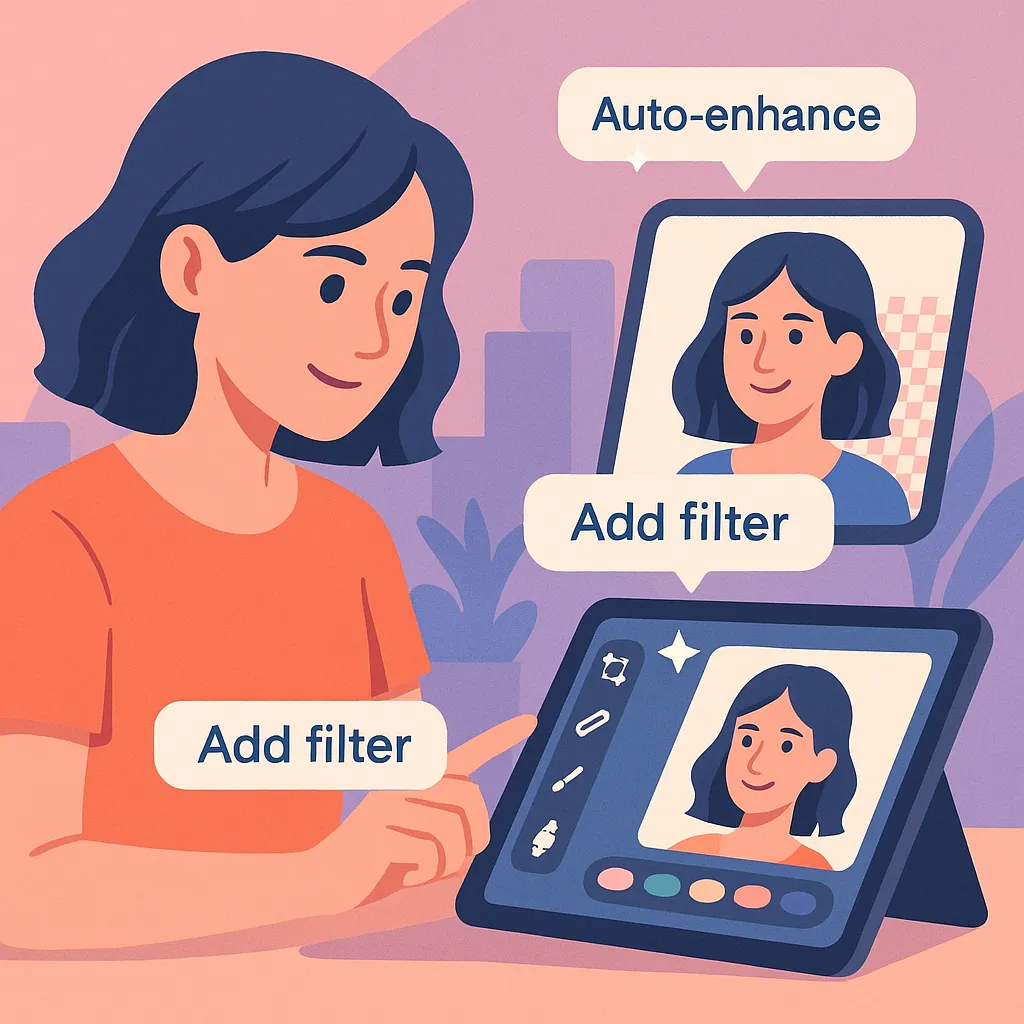
AI photo editing tools are transforming how professionals and hobbyists enhance images by offering powerful automation and creative flexibility. From removing unwanted objects to sharpening details, adjusting lighting, fixing color, retouching skin, or even expanding scenes with generative fills, these tools streamline once time-consuming processes with just a few clicks. Whether integrated into industry-standard platforms like Photoshop or offered as standalone desktop and web apps, AI editors are now essential for photographers, marketers, designers, and content creators who demand speed without sacrificing quality. In February 2026, the best options combine intelligent automation with real artistic control — meaning you can get a “fast first pass” automatically, then fine-tune results for a natural, professional finish. These tools are especially useful for batch editing, social media content, ecommerce product photography, professional portraits, and restoring older images. With both paid and free solutions available, users of all skill levels can access sophisticated editing capabilities that used to require expert masking, complex layer workflows, and hours of manual work. This guide compares the top AI tools for photo editing — helping you find the right solution to elevate your workflow and consistently produce high-impact visuals.
Top Paid AI Photo Editing Tools
| Rank | Tool | Key Strength | Price | Best Use Case |
|---|---|---|---|---|
| #1 | Adobe Photoshop (Firefly AI) | Generative Fill/Remove, pro retouching, selections | From $22.99/month | High-end editing + compositing |
| #2 | Topaz Photo | Denoise, deblur, sharpening, upscaling | From $17/month | Premium image enhancement & rescue edits |
| #3 | Luminar Neo | Creative AI tools + fast batch workflows | From $79/year (plans vary) | Portrait + landscape editing with style |
| #4 | DxO PhotoLab | Elite noise reduction (DeepPRIME) + optical corrections | From $119.99 (license varies) | RAW processing + clean, natural detail |
| #5 | Capture One Pro | Pro color tools + AI masking precision | From $17/month | Studio workflows, tethering, color grading |
Adobe Photoshop (Firefly AI)
Adobe Photoshop remains the gold standard for professional photo editing in February 2026, largely because its AI features are built into the same deep toolset that photographers and designers already rely on. Firefly-powered tools like Generative Fill and Generative Remove make it dramatically faster to clean up distractions, extend backgrounds, swap objects, or iterate on creative concepts without rebuilding complex selections by hand. Photoshop’s AI-assisted selections, masking, and neural-style enhancements help you move from “rough edit” to “portfolio-ready” with fewer steps, while still giving you full control through layers, blend modes, adjustment tools, and non-destructive workflows. This is a huge advantage for advanced retouching (skin, hair, fabric), composites, marketing creatives, and product images that need to look polished and consistent. Photoshop also fits naturally into broader Creative Cloud workflows, making it easy to hand off assets to other Adobe apps when needed. If you want the most capable editor with the strongest combination of AI speed-ups and pro-grade control, Photoshop is still the safest top pick.
Topaz Photo
Topaz Photo is a powerhouse for “image rescue” and high-end enhancement — the kind of tool you reach for when you need extra clarity, cleaner detail, or better results than typical one-click filters. It shines at reducing noise, sharpening soft shots, and improving detail on images captured in challenging conditions (low light, high ISO, motion blur, older cameras, or heavy compression). Instead of forcing you to tweak dozens of confusing sliders, Topaz uses AI models to detect common problems and apply targeted improvements while trying to preserve natural textures. This makes it a favorite for wildlife and sports photography, event shoots, and any workflow where you have a lot of images that are “almost great” but not quite. It also pairs well with Lightroom/Photoshop-based editing: you can enhance first, then do your creative color and retouching pass afterward. If your priority is clean, professional image quality — especially when the source files aren’t perfect — Topaz Photo is one of the most impactful upgrades you can add to your toolkit.
Luminar Neo
Luminar Neo is designed for creators who want strong AI features without living inside complex layer stacks all day. It blends fast, intelligent automation with creative controls that feel more approachable than traditional pro editors. In practice, this means you can handle common tasks like portrait enhancement, skin smoothing, background adjustments, relighting, and dramatic scene improvements far faster than manual editing — then refine the look to match your style. Luminar Neo is particularly strong for photographers who want to create consistent “signature edits” across a shoot, because its AI tools and presets make batch workflows much smoother. Landscapes benefit from quick atmosphere changes, sky improvements, and detail enhancement, while portraits benefit from flattering, natural-looking refinements (when used subtly). It also works as both a standalone editor and a plugin, so you can drop it into an existing workflow instead of replacing everything. If you want a modern AI photo editor that prioritizes speed, creativity, and an easy learning curve — while still delivering professional-looking results — Luminar Neo is one of the best all-around choices.
DxO PhotoLab
DxO PhotoLab is a top-tier option for photographers who care about clean, natural image quality — especially when shooting RAW. Its standout value is the combination of intelligent noise reduction (DeepPRIME-class processing), excellent detail preservation, and strong camera/lens correction profiles that can noticeably improve sharpness, distortion, and overall realism. The “DxO look” tends to be refined rather than overly stylized, which makes it ideal for professional work where images need to look authentic: weddings, editorial photography, real estate, and high-quality product or lifestyle shoots. PhotoLab also supports efficient culling and correction workflows, letting you fix exposure issues, recover shadows/highlights, and improve clarity without turning files into over-processed, crunchy edits. While it’s not trying to be a full Photoshop replacement for advanced compositing, it pairs extremely well with Photoshop-style tools: do your RAW processing and quality enhancement in PhotoLab first, then export your best files for final retouching or graphic work. If your biggest pain point is noisy files, imperfect lenses, or inconsistent image quality, DxO PhotoLab is a premium solution that pays off quickly.
Capture One Pro
Capture One Pro is built for serious photography workflows where precision, speed, and consistency matter — especially in studio environments. It’s known for excellent color tools, powerful RAW processing, and a professional-grade tethering experience that’s hard to match when shooting connected to a computer. In February 2026, Capture One’s AI-assisted masking helps you isolate subjects, backgrounds, and specific areas faster than fully manual selections, while still giving you highly controllable refinements for clean edges and nuanced adjustments. This is a big advantage for product photography, fashion, portrait sessions, and any shoot where you need repeatable edits across many images. Capture One also excels at local adjustments and color grading, making it easier to create a consistent “set look” without fighting your tools. If you’re a photographer who wants a streamlined end-to-end workflow — import, cull, correct, grade, and export — and you value control over every detail of the final image, Capture One Pro is one of the strongest paid editors you can invest in.
Top Free AI Photo Editing Tools
| Rank | Tool | Key Strength | Limitations | Best Use |
|---|---|---|---|---|
| #1 | Pixlr | Fast browser editor + AI cutouts & touch-ups | Some AI/saves may be limited on free tier | Quick edits without installing software |
| #2 | Canva (Free) | Easy AI edits for social + marketing graphics | AI tools/usage vary by plan; Pro unlocks more | Content creation + simple photo improvements |
| #3 | Clipdrop (Free Tools) | Background removal, cleanup, relight, upscaling | Free tier has daily quotas and lower-res outputs | Rapid AI edits for creators and ecommerce |
| #4 | Cleanup.pictures | Object removal with simple brush interface | Free exports limited to 720px | Removing distractions fast |
| #5 | Photopea | Photoshop-style editor in the browser | Ads and some advanced features are premium | Layer-based edits without Photoshop |
Pixlr
Pixlr is one of the most convenient free options for AI-assisted photo editing because it runs directly in your browser while still offering a surprisingly capable toolkit. It’s a strong choice when you need to move fast: quick background removal, basic retouching, simple object cleanup, resizing for social platforms, and rapid design-style edits without installing heavy software. Pixlr’s interface feels approachable for beginners, but it also includes enough controls for creators who want more than “one-click filters.” That makes it useful for everything from thumbnails and profile images to ecommerce product photos and marketing graphics. The free tier is great for casual and occasional editing, especially if you’re working on a laptop that can’t handle large desktop apps. If you find yourself doing repeated AI tasks or saving many files per day, Pixlr’s paid plans unlock a smoother workflow — but the free experience is still genuinely useful for day-to-day needs. If your priority is speed, accessibility, and solid AI tools in a lightweight package, Pixlr is a top free pick.
Canva (Free)
Canva is best known as a design platform, but in 2026 it also functions as a practical “everyday AI editor” for creators who need simple photo improvements inside a bigger content workflow. With Canva Free, you can quickly build posts, ads, banners, and product visuals, then apply easy enhancements and cleanup steps without switching tools. This is especially valuable for social media, small business marketing, and ecommerce listings where the final deliverable is usually a graphic layout — not just a single edited photo. Canva’s AI features and allowances vary by plan, but even the free tier is often enough to handle basic creative tasks like quick background handling, light touch-ups, and rapid content iterations. The main advantage is speed: you can go from an idea to a finished asset (image + text + layout) in minutes. If you want a free tool that’s less about perfect pixel-level retouching and more about producing polished visuals efficiently, Canva is one of the easiest ways to get high-quality results fast.
Clipdrop (Free Tools)
Clipdrop offers a great collection of free AI “quick actions” for photo editing — perfect when you need a specific result fast, like removing a background, cleaning up an image, relighting a subject, or upscaling a photo for better clarity. The biggest reason Clipdrop makes this list is how broadly useful these tools are for modern content workflows: creators can polish photos for posts and thumbnails, ecommerce sellers can clean up product images, and marketers can generate cleaner creative assets without advanced editing skills. The free tier typically includes daily quotas and may limit output resolution, but it’s still extremely practical for occasional edits or testing what’s possible before upgrading. Clipdrop also tends to produce clean cutouts and believable object removal on many common images, which saves a lot of manual masking time. If you want a free toolkit that covers several of the most common AI photo editing tasks — without learning a full editor — Clipdrop is one of the most efficient options available right now.
Cleanup.pictures
Cleanup.pictures is one of the simplest and most effective free tools for removing unwanted objects from photos. The workflow is straightforward: upload an image, brush over distractions (people in the background, blemishes, text, clutter, stray items), and the AI fills the area in a way that usually looks natural and believable. This makes it ideal for quick “declutter” edits when you don’t want to open a full editor or spend time doing complex selections. It’s especially useful for travel photos, casual portraits, ecommerce images (removing dust, marks, or background clutter), and marketing assets where you need a cleaner frame. The key limitation is export resolution: the free version is capped at 720px, which is often fine for social posts, previews, and small web images, but not ideal for large prints or high-resolution client work. For a no-fuss, no-learning-curve object remover that actually works, Cleanup.pictures remains one of the best free choices.
Photopea
Photopea is the closest thing to a “free Photoshop-like editor” you can run directly in your browser. It’s especially valuable when you need real layer-based editing: compositing, masking, working with text and shapes, adjusting color with more control, and making detailed changes that simpler one-click tools can’t handle. For creators who already understand basic Photoshop concepts (layers, masks, blending), Photopea feels familiar and surprisingly capable — without requiring a Creative Cloud subscription. It’s also a practical fallback when you’re on a computer where you can’t install software, or when you only need to do occasional advanced edits. While Photopea isn’t focused exclusively on flashy AI features, it supports modern editing workflows and can handle many tasks that users normally associate with paid desktop tools. The free version is ad-supported and some features are premium, but the core editor is strong enough to produce real, professional outputs if you know what you’re doing. If you want maximum editing power for $0, Photopea is one of the best browser-based options available.
Rankings

Chatbots
AI chatbots have quickly evolved from simple assistants into powerful, multi-purpose tools used by millions of people every day...
Image Generators
AI image generators are revolutionizing the way creatives, marketers, and developers produce visual content by transforming text prompts into detailed, customized...

Writing Assistants
AI writing assistants have become indispensable tools for anyone who writes — from students and bloggers to business professionals and marketers...

Deepfake Detection
As deepfake technology becomes more advanced and accessible, detecting AI-manipulated content is now a critical challenge across journalism, education, law, and...
Productivity & Calendar
AI productivity and calendar tools have become essential for professionals, entrepreneurs, and students looking to make the most of their time without getting overwhelmed...
Natural Language To Code
Natural language to code tools are transforming software development by enabling users to build apps, websites, and workflows without needing advanced programming...
Blog
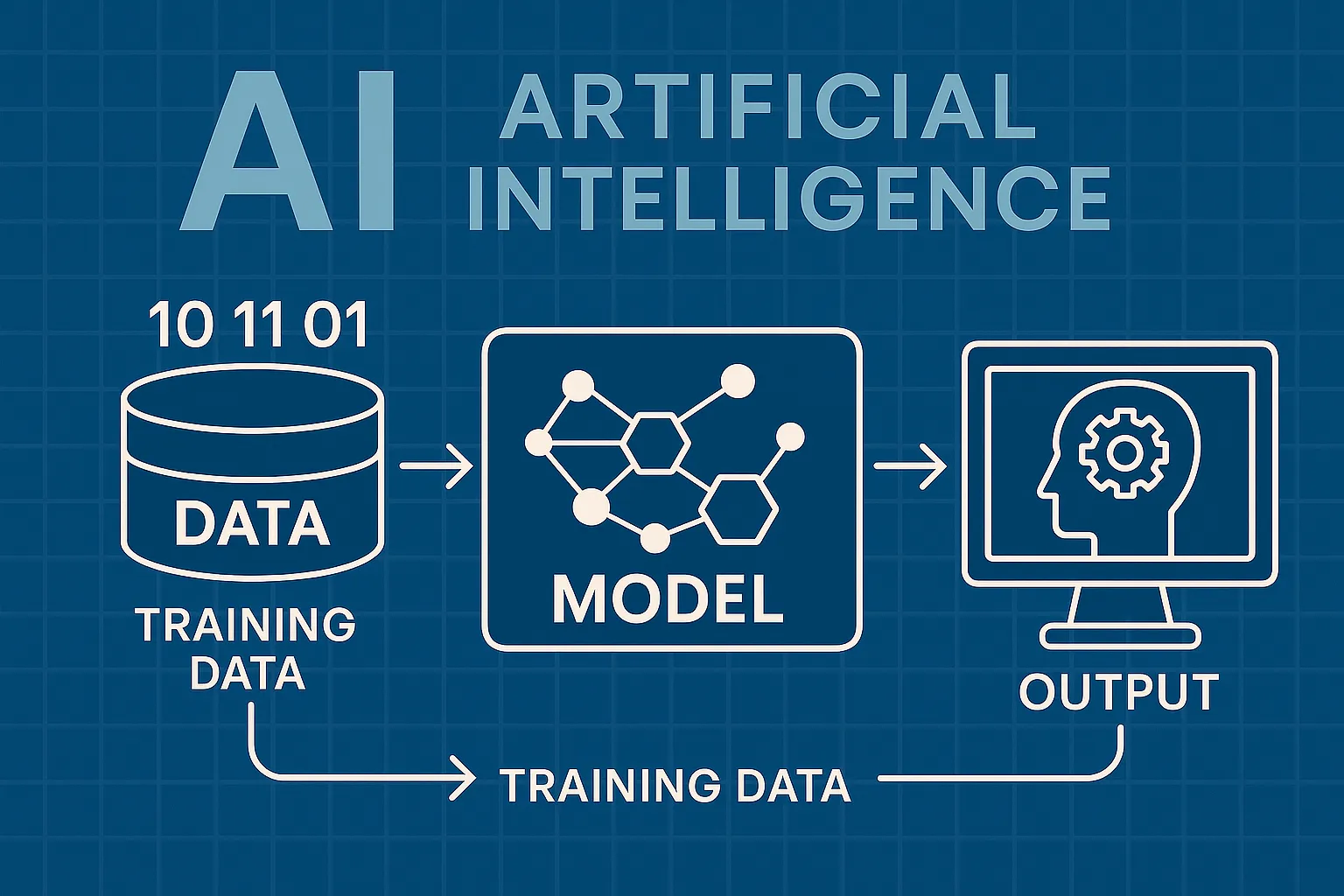
How AI Actually Works
Understand the basics of how AI systems learn, make decisions, and power tools like chatbots, image generators, and virtual assistants.
What Is Vibe Coding?
Discover the rise of vibe coding — an intuitive, aesthetic-first approach to building websites and digital experiences with help from AI tools.

7 Common Myths About AI
Think AI is conscious, infallible, or coming for every job? This post debunks the most widespread misconceptions about artificial intelligence today.

The Future of AI
From generative agents to real-world robotics, discover how AI might reshape society, creativity, and communication in the years ahead.
How AI Is Changing the Job Market
Will AI replace your job — or create new ones? Explore which careers are evolving, vanishing, or emerging in the AI-driven economy.

Common Issues with AI
Hallucinations, bias, privacy risks — learn about the most pressing problems in current AI systems and what causes them.