Offline AI tools are essential for users who prioritize privacy, security, or uninterrupted access in remote or low-connectivity environments. These powerful applications run directly on your local device, eliminating the need to send data to the cloud. From transcription software and image generators to local large language models and productivity tools, offline AI empowers creators, developers, and professionals to harness advanced capabilities without compromising control. Whether you're working in sensitive industries, traveling without Wi-Fi, or building tools for edge devices, these solutions offer flexibility and autonomy. Offline AI also supports compliance with strict data policies and enables use in environments where internet access is restricted or unreliable. In this guide, we showcase the top AI tools of 2025 that operate locally — including both free and paid options — giving you full functionality on your own terms. Explore the best ways to run AI completely offline, with options tailored for creators, developers, educators, and privacy-first users.

Top Paid AI Tools That Work Offline
| Rank | Tool | Key Strength | Price | Best Use Case |
|---|---|---|---|---|
| #1 | Topaz Photo AI | Local AI enhancement (denoise, sharpen, upscale) | From $35/month | Offline photo cleanup + upscaling |
| #2 | Topaz Video AI | Local AI upscaling + restoration for video | From $49.99/month | Upscale old footage, improve clarity, stabilize |
| #3 | DxO PureRAW | AI RAW denoise + detail recovery | From $249.99 (one-time) | Photographers processing RAWs offline |
| #4 | MacWhisper Pro | On-device Whisper transcription with pro workflow features | From $79.99 (one-time) | Private transcription for interviews + meetings |
| #5 | Dragon Professional (Individual) | Offline dictation with high accuracy | From $300 (one-time) | Professionals dictating long documents offline |
Topaz Photo AI
Topaz Photo AI is one of the most practical “offline-first” AI tools for creators because the heavy lifting happens locally on your machine. It’s designed for real-world photo problems — noise, blur, low-resolution images, and soft detail — and applies AI models to denoise, sharpen, and upscale without needing to upload files to a cloud service. That makes it especially useful for privacy-sensitive workflows (client shoots, internal documents, restricted environments) and for creators traveling without reliable internet. In a typical setup, the app downloads its AI models to your device during installation, then processes images locally afterward. Keep in mind that some licenses may require occasional authentication, so it’s best to activate and install models before going fully offline. If you want fast, consistent photo enhancement that keeps your files on your device, Topaz Photo AI is a strong paid option.
Topaz Video AI
Topaz Video AI brings high-end enhancement to offline video workflows by running AI upscaling and restoration locally. It’s widely used to improve older footage (VHS, archival clips, older camera output) and modern content that needs sharper detail, smoother motion, or less visible noise. Because processing is done on your computer, it fits creators who can’t risk uploading private footage or who work in low-connectivity environments. This is also a great offline tool for long renders: you can queue jobs and let your machine run unattended without relying on a cloud queue or a web dashboard. As with many desktop AI products, you’ll get the smoothest offline experience if you download models and complete activation while you still have a connection. Once set up, it’s a powerful “local render farm” approach for video enhancement without sending content off-device.
DxO PureRAW
DxO PureRAW is a premium offline AI tool for photographers who want maximum image quality out of RAW files with minimal effort. Its core value is AI-driven denoising and detail recovery during RAW conversion — the kind of upgrade you can see immediately in low-light images, high-ISO shoots, and challenging lighting conditions. Unlike cloud-based enhancers, PureRAW is built for local workflows: you process files on your own machine, keep full control of originals, and export cleaner, sharper DNGs that drop into Lightroom or other editors. This makes it a strong fit for event photographers, travel shooters, and anyone handling client files where privacy matters. It’s also ideal when you’re editing on the road and don’t want uploads, wait times, or connection issues. If your priority is “best possible RAW quality while staying offline,” PureRAW is one of the most proven paid solutions.
MacWhisper Pro
MacWhisper Pro is one of the best paid offline transcription tools because it runs Whisper locally on macOS — meaning your audio never needs to leave your computer. That’s a big deal for journalists, students, researchers, and teams dealing with confidential interviews or internal recordings. MacWhisper’s strength is workflow: it’s not just a raw model wrapper. You get a desktop-focused experience for importing files, generating accurate transcripts, and exporting results in practical formats for editing or reporting. Since everything runs on-device, it also stays useful in airplanes, remote locations, or secure environments with restricted connectivity. Performance depends on your hardware and the model you choose, but modern Macs handle offline transcription surprisingly well. If you want high-quality results without paying per minute (and without cloud privacy tradeoffs), MacWhisper Pro is an easy “set it up once, use it anywhere” offline tool.
Dragon Professional (Individual)
Dragon Professional remains a top-tier choice for offline dictation when you need consistent accuracy for long-form writing, documentation, and professional reporting. Unlike many modern speech tools that require constant cloud connectivity, Dragon’s desktop workflow can operate without an internet connection after installation and activation, which is ideal for secure offices, regulated industries, or anyone working in disconnected environments. It’s especially strong for users who dictate frequently: Dragon adapts to your voice over time, supports custom vocabulary, and handles domain-specific terms better than most lightweight dictation solutions. This makes it useful for legal, technical, administrative, and healthcare-adjacent documentation (depending on your environment and compliance needs). If your goal is “replace hours of typing with offline dictation,” Dragon is one of the most established paid options — and it still shines when the internet isn’t available.
Top Free AI Tools That Work Offline
| Rank | Tool | Key Strength | Limitations | Best Use |
|---|---|---|---|---|
| #1 | Ollama | Simple local LLM runner (Mac, Windows, Linux) | Requires downloading models first | Local GPT-style chat + APIs for apps |
| #2 | Jan | Open-source ChatGPT-style desktop app (offline-capable) | Quality depends on chosen local model | Offline AI assistant with a friendly UI |
| #3 | Open WebUI | Self-hosted AI interface designed for offline use | Requires local setup (Docker recommended) | Private “team ChatGPT” for local models |
| #4 | Whisper.cpp | Fast offline speech-to-text on local hardware | No built-in GUI (community GUIs exist) | Secure transcription + local integrations |
| #5 | ComfyUI | Powerful local Stable Diffusion workflows (node-based) | Learning curve; GPU recommended | Offline image generation + advanced pipelines |
Ollama
Ollama is one of the easiest ways to run modern open-source language models locally, making it a top pick for offline AI chat and private AI-powered automation. The key advantage is simplicity: you install Ollama, pull a model, and start using an offline-capable assistant directly on your computer — no cloud account required for everyday use after setup. This makes it ideal for privacy-first workflows, air-gapped environments, or anyone who wants fast answers without sending prompts to a third-party server. Ollama also shines for builders: it exposes local endpoints so you can wire AI into scripts, internal tools, and small apps without paying per request. The main limitation is that you must download models ahead of time, and performance depends on your CPU/GPU and the model size you choose. If you want the smoothest “local AI foundation” in 2026, Ollama is a go-to.
Jan
Jan is a free, open-source desktop alternative that aims to make offline AI feel as approachable as a mainstream chatbot app. Instead of living in a browser tab, Jan runs on your machine and can load local open-source models for chatting, drafting, rewriting, summarizing, and basic coding help — even when you’re offline. It’s a great fit for users who don’t want to manage command-line tools but still want local control over their prompts and outputs. Because it’s model-agnostic, you can choose lightweight models for speed or larger ones for better reasoning, depending on your hardware. Jan also works well in low-connectivity environments: you can set everything up while online (download models, configure settings), then keep using it offline. If you want a clean UI for local AI that stays flexible as models evolve, Jan is an excellent free option.
Open WebUI
Open WebUI is a feature-rich, self-hosted interface designed to run entirely offline — essentially giving you a private “ChatGPT-like” hub for local models. It’s especially valuable if you want a cleaner experience than raw command-line chat, or if you’re building an offline AI environment for a team, a classroom, or a small internal network. Open WebUI supports common local model runners (like Ollama) and can act as a central UI for chatting, organizing conversations, and managing usage in a more structured way. Because it’s self-hosted, your prompts and responses can stay inside your environment, which is exactly what many privacy-first users want. The tradeoff is setup: it typically works best with Docker, and you’ll need to configure your local model backend. Once it’s running, though, it becomes a surprisingly polished offline AI “control panel.”
Whisper.cpp
Whisper.cpp is a highly popular offline speech-to-text option because it focuses on running Whisper efficiently on local hardware. It’s a strong choice for anyone transcribing sensitive audio — interviews, lectures, internal meetings, research notes — where uploading files to a web service isn’t acceptable. Whisper.cpp can be used for quick one-off transcripts, batch processing, or integrated into custom apps and pipelines. It’s also ideal for constrained environments because it’s optimized and can run on modest systems, especially with smaller models or quantized builds. The biggest limitation is user experience out of the box: it’s primarily a developer-friendly tool rather than a consumer app, so many users pair it with community-built GUIs or scripts. If you care most about accuracy + privacy + true offline control, Whisper.cpp is one of the best free foundations you can build on.
ComfyUI
ComfyUI is one of the most powerful ways to run image generation offline because it treats Stable Diffusion workflows like a modular pipeline you can control step-by-step. Instead of hiding everything behind a single “Generate” button, ComfyUI uses a node-based interface that lets you build advanced graphs — prompting, sampling, model loading, upscaling, inpainting, ControlNet-style conditioning, and more — all locally. This makes it popular with creators who want repeatable, high-quality results without relying on cloud credits or web dashboards. It’s also a strong fit for privacy-first visual work, since prompts and outputs stay on your machine. The tradeoff is complexity: there’s a learning curve, and you’ll get the best experience with a decent GPU and enough VRAM. If you want maximum offline control over image generation in 2026, ComfyUI is a top free pick.
Rankings

Chatbots
AI chatbots have quickly evolved from simple assistants into powerful, multi-purpose tools used by millions of people every day...

Image Generators
AI image generators are revolutionizing the way creatives, marketers, and developers produce visual content by transforming text prompts into detailed, customized...

Writing Assistants
AI writing assistants have become indispensable tools for anyone who writes — from students and bloggers to business professionals and marketers...

Deepfake Detection
As deepfake technology becomes more advanced and accessible, detecting AI-manipulated content is now a critical challenge across journalism, education, law, and...
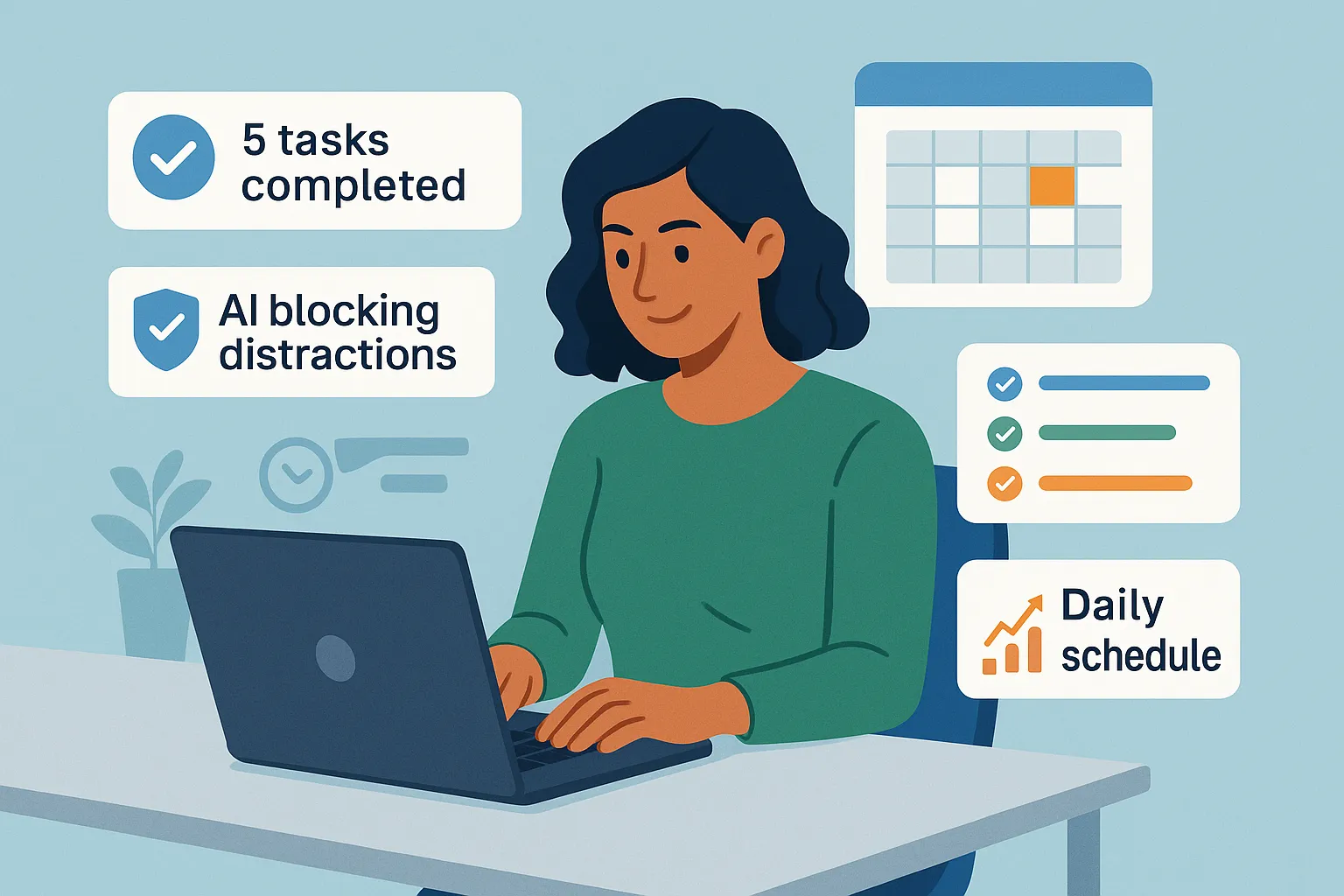
Productivity & Calendar
AI productivity and calendar tools have become essential for professionals, entrepreneurs, and students looking to make the most of their time without getting overwhelmed...
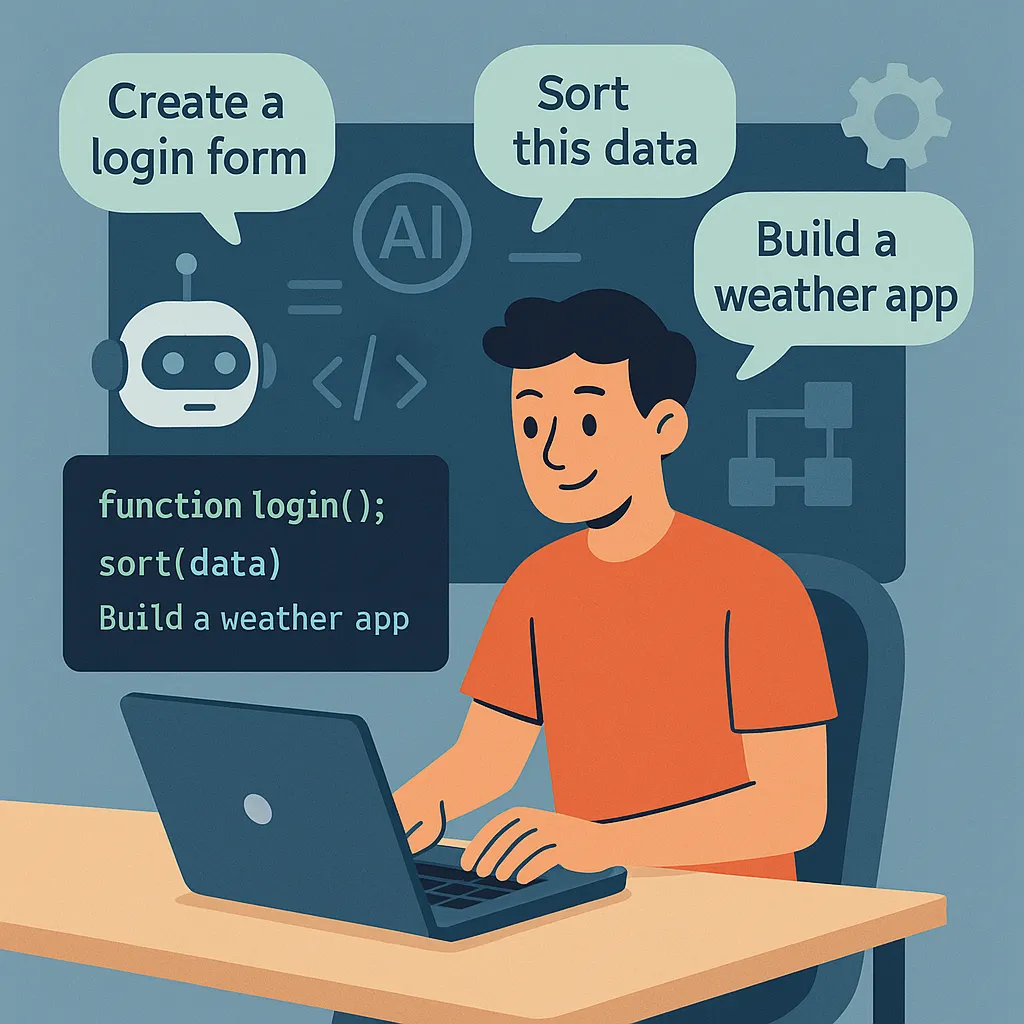
Natural Language To Code
Natural language to code tools are transforming software development by enabling users to build apps, websites, and workflows without needing advanced programming...
Blog
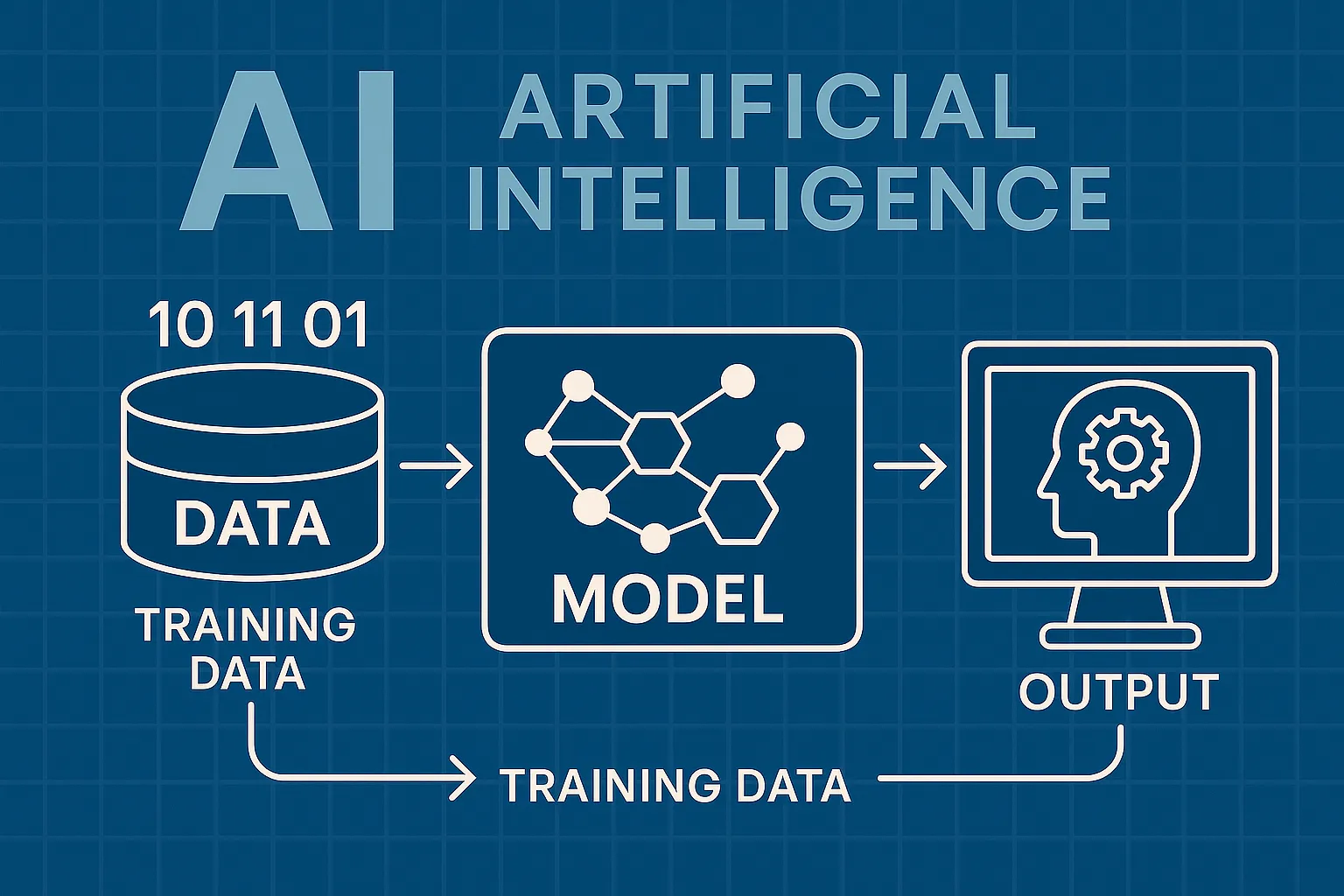
How AI Actually Works
Understand the basics of how AI systems learn, make decisions, and power tools like chatbots, image generators, and virtual assistants.

What Is Vibe Coding?
Discover the rise of vibe coding — an intuitive, aesthetic-first approach to building websites and digital experiences with help from AI tools.

7 Common Myths About AI
Think AI is conscious, infallible, or coming for every job? This post debunks the most widespread misconceptions about artificial intelligence today.

The Future of AI
From generative agents to real-world robotics, discover how AI might reshape society, creativity, and communication in the years ahead.
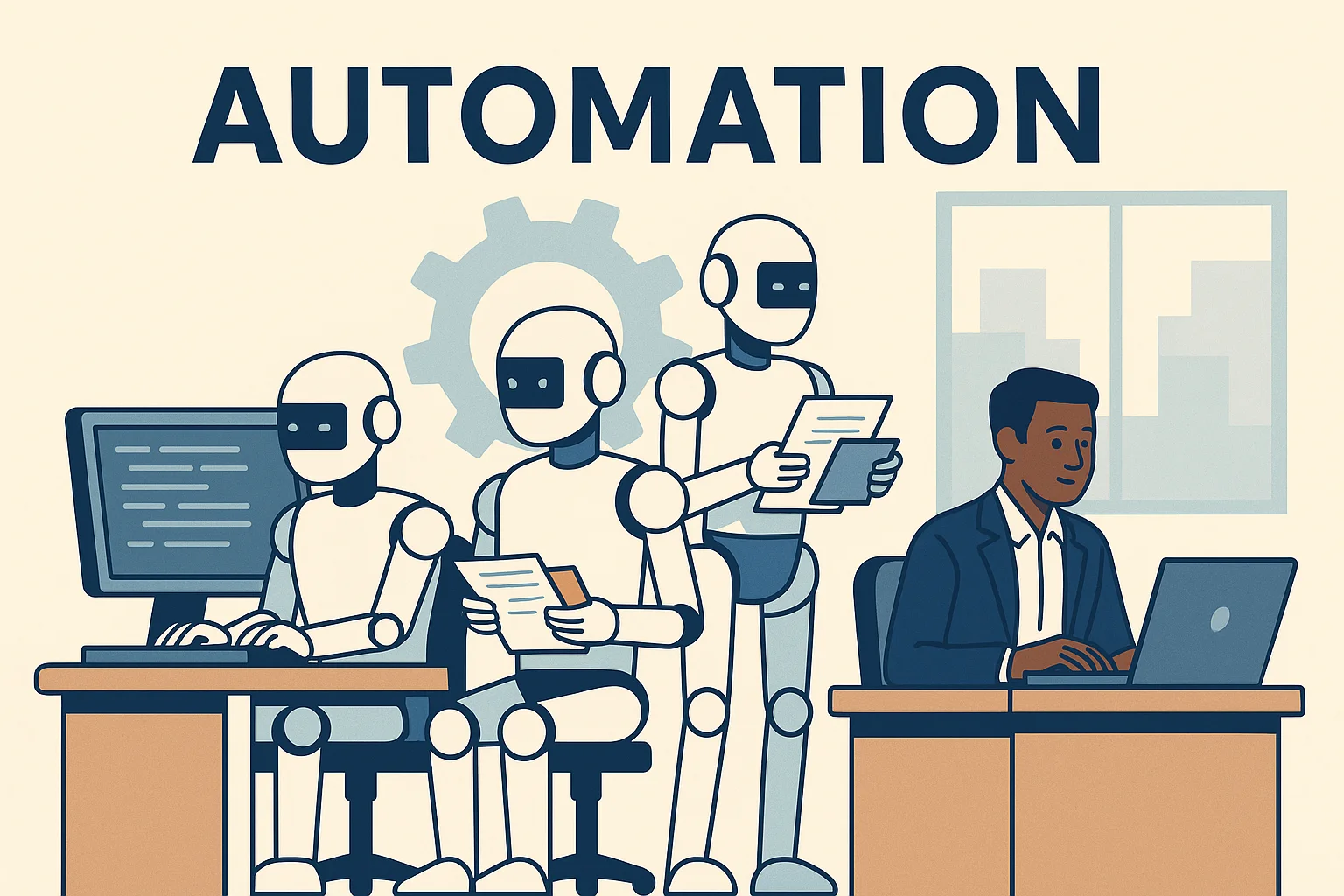
How AI Is Changing the Job Market
Will AI replace your job — or create new ones? Explore which careers are evolving, vanishing, or emerging in the AI-driven economy.

Common Issues with AI
Hallucinations, bias, privacy risks — learn about the most pressing problems in current AI systems and what causes them.