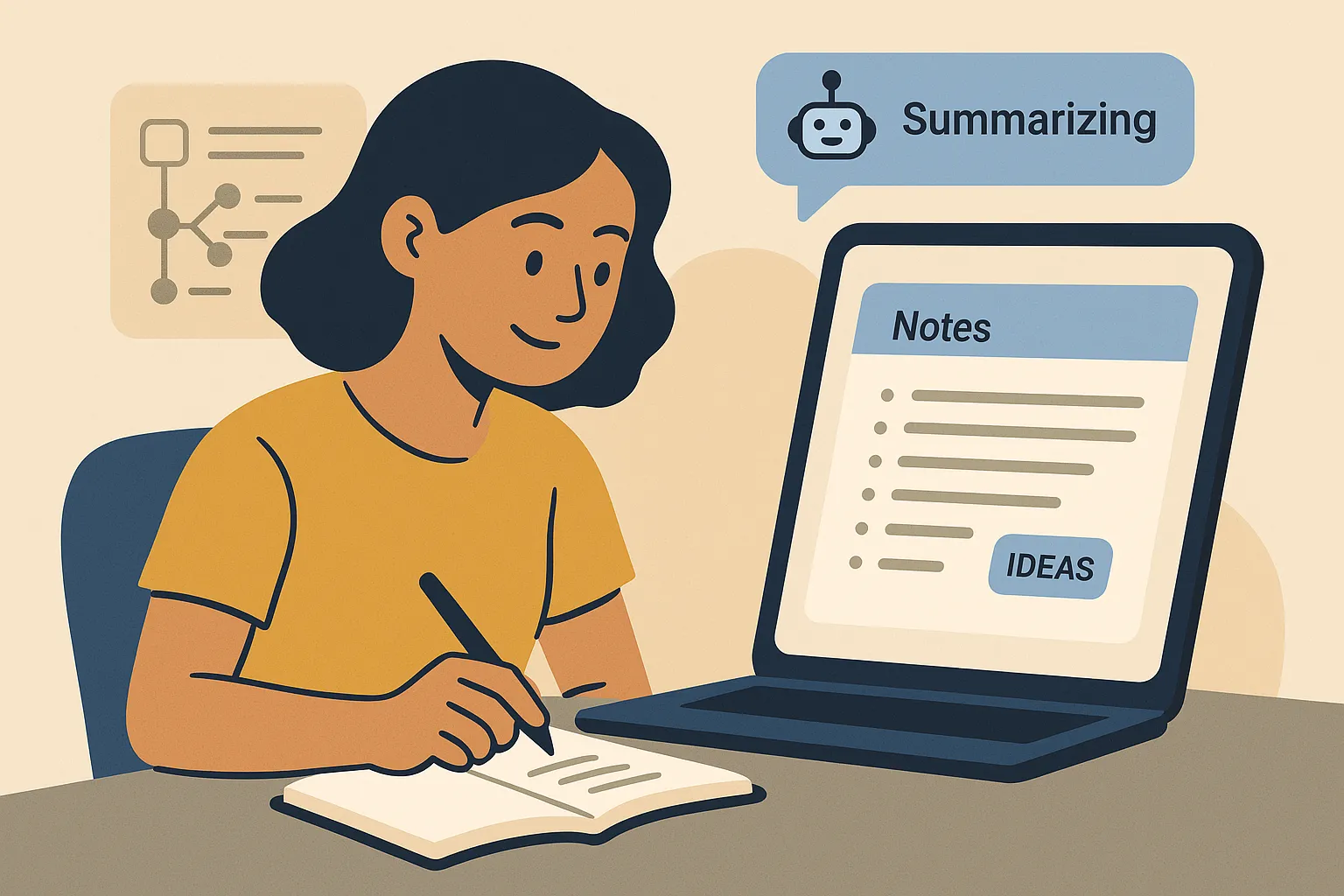
AI note-taking tools are revolutionizing how we capture and organize information during meetings, lectures, interviews, and brainstorming sessions. These platforms use artificial intelligence to transcribe conversations, summarize discussions, and structure notes automatically—saving time and improving focus. Whether you’re working remotely, studying, or managing team projects, these tools offer seamless integration with video conferencing platforms, collaborative workspaces, and calendar apps. Many go beyond simple transcription by identifying speakers, tagging action items, and delivering smart insights that enhance productivity. As AI continues to evolve, note-taking tools are becoming more intuitive, helping users turn conversations into searchable, shareable knowledge with minimal effort. In this guide, we explore the top AI note-taking solutions available in 2026, including both paid and free options. Whether you're seeking real-time transcription, automated meeting summaries, or an intelligent second brain for your notes, these tools provide smarter ways to manage your ideas and stay organized in fast-paced environments.
Top Paid AI Note-Taking Tools
| Rank | Tool | Strength | Price | Key Feature |
|---|---|---|---|---|
| #1 | Otter Pro | Fast, accurate meeting transcription | $13.59/month | Live notes + summaries + speaker ID |
| #2 | Fireflies.ai Business | Searchable meeting knowledge base | $29/user/month | AI meeting notes + powerful integrations |
| #3 | Fathom Team | Best team-focused meeting capture | From $19/user/month | Shared library + highlights + team workflows |
| #4 | Avoma | Notes + coaching + call intelligence | $35/user/month | Ask-your-meetings search + structured action items |
| #5 | Mem Pro | AI “second brain” for personal notes | $12/month | Deep search + auto organization + recall |
Otter Pro
Otter Pro is a top-tier AI note-taking option for anyone who needs reliable, searchable meeting and lecture notes without friction. It’s built around real-time transcription, speaker identification, and shareable summaries that help you stay focused during the conversation instead of multitasking with manual notes. Otter works especially well for recurring meetings, classes, interviews, and project updates because you can quickly search across past transcripts and jump to the exact moment something was said. In 2026, Otter remains a go-to choice for teams and solo users who want simple setup, consistent transcription quality, and strong usability across devices. If your goal is “never miss a detail” plus fast recap notes you can send to others, Otter Pro is one of the safest bets.
Fireflies.ai Business
Fireflies.ai is one of the strongest “meeting knowledge base” tools because it doesn’t just transcribe—it turns conversations into a searchable workspace your team can actually use. After a call, Fireflies can generate structured recaps, highlight key topics, and make it easy to find decisions, questions, and follow-ups later. It’s also known for its broad integration ecosystem, which makes it ideal if your notes need to flow into tools like CRMs, project trackers, Slack-style chat, and shared documentation systems. For teams that run lots of calls (sales, client work, recruiting, partnerships, internal planning), Fireflies Business is a practical upgrade because it adds deeper collaboration and organization features that reduce the “where did we decide that?” problem.
Fathom Team
Fathom is widely used for AI meeting notes because it’s designed to create clean, usable outputs that feel like human-written summaries: key takeaways, action items, and highlights you can share instantly. For teams, the real advantage is consistency—every meeting becomes part of a structured library where you can revisit important moments without scrubbing through full recordings. Fathom is especially useful for product teams, customer success, founders, agencies, and anyone who needs crisp documentation after a call. In 2026, it’s a strong pick if you want meeting notes that are genuinely “ready to send,” plus the ability to collect highlights and build a searchable internal record of what was discussed across weeks and months.
Avoma
Avoma is a powerful AI note-taking and conversation intelligence platform that’s popular with teams who need more than basic transcripts. It captures calls, produces structured summaries, and helps you extract action items and follow-ups with less manual effort. Where Avoma stands out is how it blends note-taking with team workflows: searchable call libraries, consistent templates, and “ask the meeting” style retrieval so you can find answers without digging through long transcripts. For sales and customer-facing teams, Avoma can also support coaching-style review by helping you spot patterns across calls and keep documentation consistent across reps. If meeting notes feed directly into revenue, client delivery, or operational decisions, Avoma is a strong “notes + outcomes” tool.
Mem Pro
Mem is an AI-first note-taking app built for personal knowledge capture—think of it as a “second brain” that helps you remember what you wrote and find it later without perfect organization habits. Instead of relying on complex folder structures, Mem focuses on search, recall, and context: you can dump quick notes, ideas, meeting takeaways, and research snippets, then use AI chat and deep search to pull relevant information when you need it. This makes it ideal for creators, researchers, founders, and busy professionals who take lots of notes but don’t want to spend time managing them. If your goal is smarter recall and fast retrieval across everything you’ve written, Mem Pro is one of the best paid options in 2026.
Top Free AI Note-Taking Tools
| Rank | Tool | Strength | Limits | Best For |
|---|---|---|---|---|
| #1 | tl;dv (Free) | Meeting recording + AI summaries | Free plan (feature limits vary) | Zoom/Meet/Teams meeting notes |
| #2 | Fathom (Free) | Clean AI meeting recaps | Free plan (usage limits apply) | Solo users testing AI notetakers |
| #3 | Otter Basic (Free) | Reliable transcription starter tier | 300 mins/month | Students & light transcription needs |
| #4 | Notta (Free) | Transcription + exports + integrations | 200 mins/month | Multi-language meeting notes |
| #5 | Fellow (Free) | Meeting notes + AI summaries (starter) | Limited AI notes/recordings | Agenda + notes + light AI assistance |
tl;dv (Free)
tl;dv is one of the most popular free options for AI meeting notes because it’s built around a simple idea: record the meeting, transcribe it, and produce a useful summary you can reference later. It works well for Google Meet, Zoom, and Microsoft Teams workflows and is especially handy when you need to revisit a decision, pull a quote, or share a quick recap with someone who couldn’t attend. The free plan is strong for individuals who want meeting recordings plus AI-powered notes without committing to a subscription on day one. If you want a lightweight tool that turns calls into shareable documentation with minimal setup, tl;dv is an easy choice to try first.
Fathom (Free)
Fathom’s free plan is a great way to experience high-quality AI meeting notes without paying up front. It’s designed to produce clean summaries and actionable takeaways, which is the main reason people use AI notetakers in the first place. For solo users, it’s especially valuable as a “default” meeting companion: you can run a call, get a structured recap afterward, and quickly share highlights or decisions without rewriting everything manually. If you’re evaluating note-taking tools and want something that feels polished and practical right away, Fathom is one of the best free starting points in 2026.
Otter Basic (Free)
Otter Basic gives you a dependable entry point into AI transcription and note-taking, with a monthly minute allowance that fits many students, freelancers, and casual users. It’s ideal for recording short lectures, meetings, interviews, or voice memos and turning them into searchable text you can reference later. While the free tier won’t match the depth of Otter Pro (and advanced exporting/collaboration is more limited), it still delivers strong value for light usage and helps you build the habit of saving transcripts instead of relying on memory. If you want a recognizable, stable platform to test AI notes without spending money, Otter Basic is still a solid pick.
Notta (Free)
Notta is a strong free option if you want meeting transcription with useful exports and broad language support. It’s designed for people who need transcripts they can actually reuse—whether that’s sending a recap, pasting notes into a workspace, or saving a clean record of what was discussed. In practice, Notta works well for meetings, interviews, and lecture-style content, and the free plan’s monthly transcription minutes can be enough for light-to-moderate use depending on your schedule. If you’re balancing multiple projects or working across languages, Notta is a practical free tool to keep in your stack for quick, structured note capture.
Fellow (Free)
Fellow is a meeting-focused tool that combines agendas, collaborative notes, and AI assistance in a way that encourages better meeting habits—not just better transcripts. The free plan is best for individuals and small groups who want structured meeting notes and a lightweight AI summary capability to speed up recaps. It’s especially useful when you want a repeatable template for notes (decisions, blockers, action items) rather than a raw transcript you still have to interpret. If your main challenge is keeping meetings organized and outcomes clear, Fellow is a strong “notes-first” option to try for free before upgrading.
Rankings
Chatbots
AI chatbots have quickly evolved from simple assistants into powerful, multi-purpose tools used by millions of people every day...

Image Generators
AI image generators are revolutionizing the way creatives, marketers, and developers produce visual content by transforming text prompts into detailed, customized...

Writing Assistants
AI writing assistants have become indispensable tools for anyone who writes — from students and bloggers to business professionals and marketers...
Deepfake Detection
As deepfake technology becomes more advanced and accessible, detecting AI-manipulated content is now a critical challenge across journalism, education, law, and...
Productivity & Calendar
AI productivity and calendar tools have become essential for professionals, entrepreneurs, and students looking to make the most of their time without getting overwhelmed...
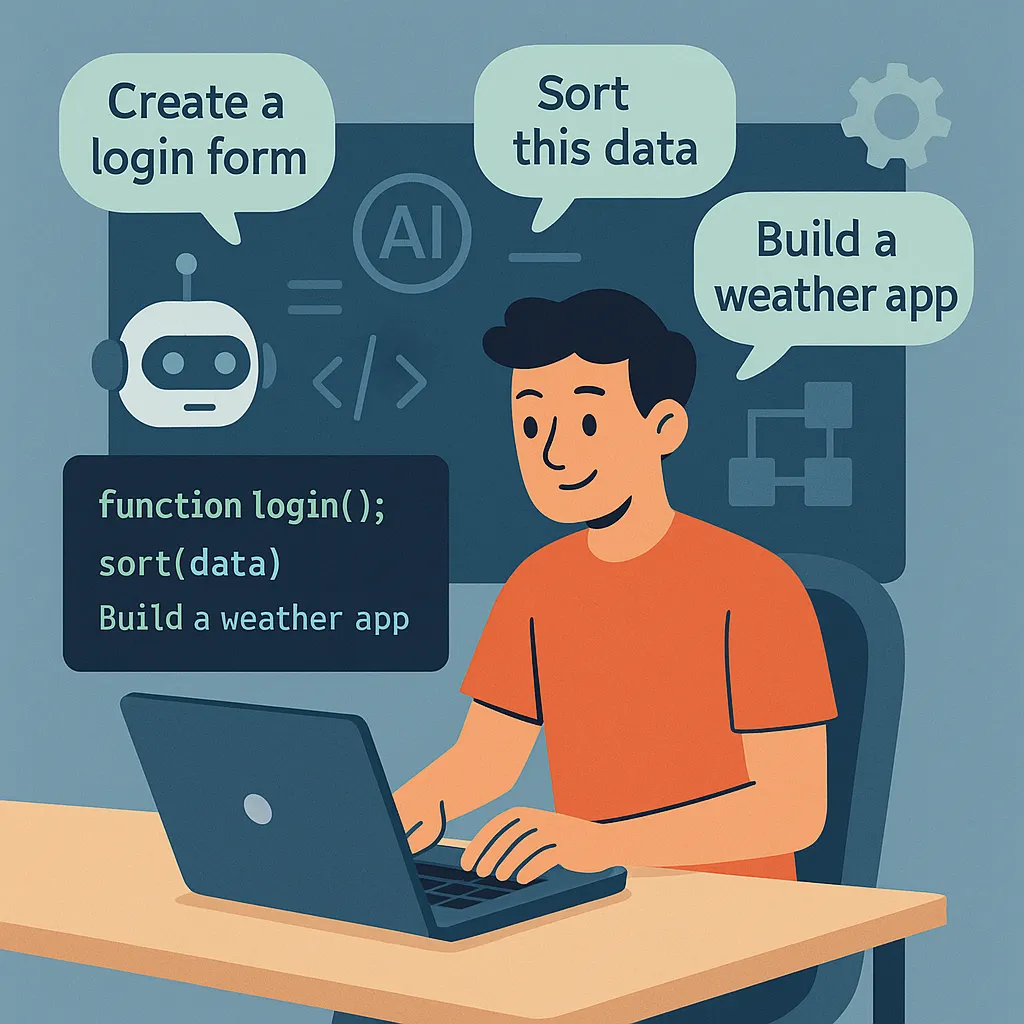
Natural Language To Code
Natural language to code tools are transforming software development by enabling users to build apps, websites, and workflows without needing advanced programming...
Blog
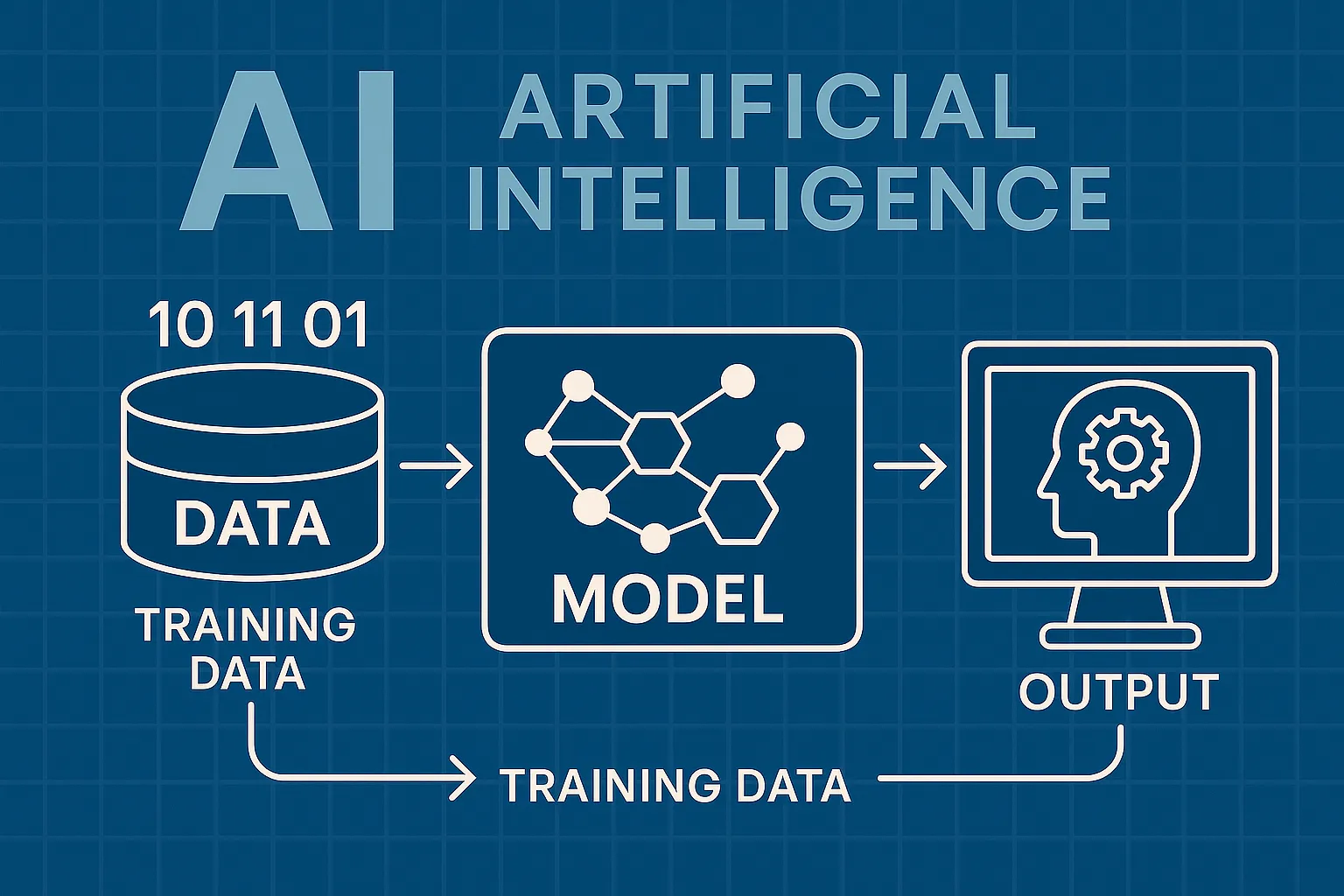
How AI Actually Works
Understand the basics of how AI systems learn, make decisions, and power tools like chatbots, image generators, and virtual assistants.

What Is Vibe Coding?
Discover the rise of vibe coding — an intuitive, aesthetic-first approach to building websites and digital experiences with help from AI tools.
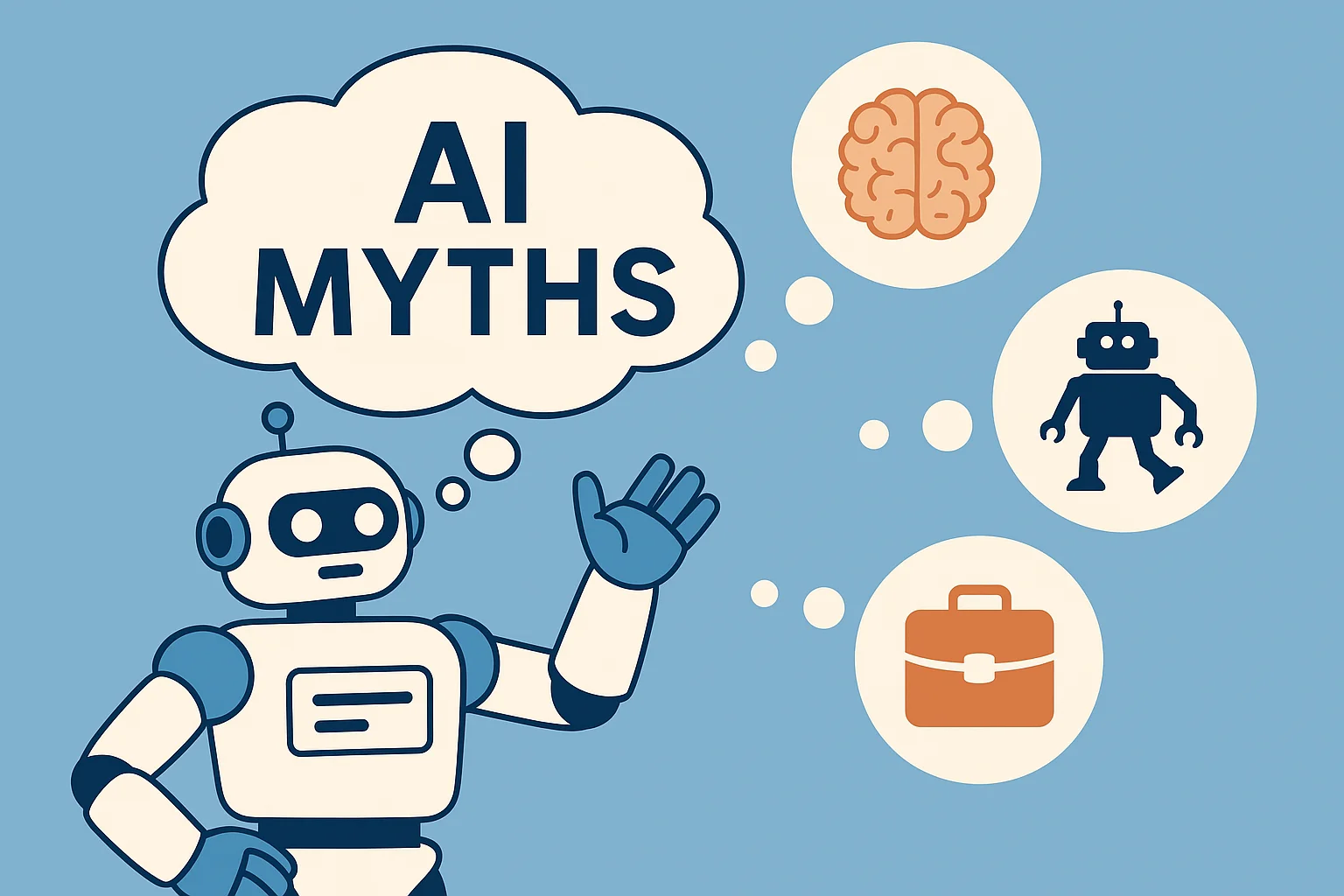
7 Common Myths About AI
Think AI is conscious, infallible, or coming for every job? This post debunks the most widespread misconceptions about artificial intelligence today.

The Future of AI
From generative agents to real-world robotics, discover how AI might reshape society, creativity, and communication in the years ahead.
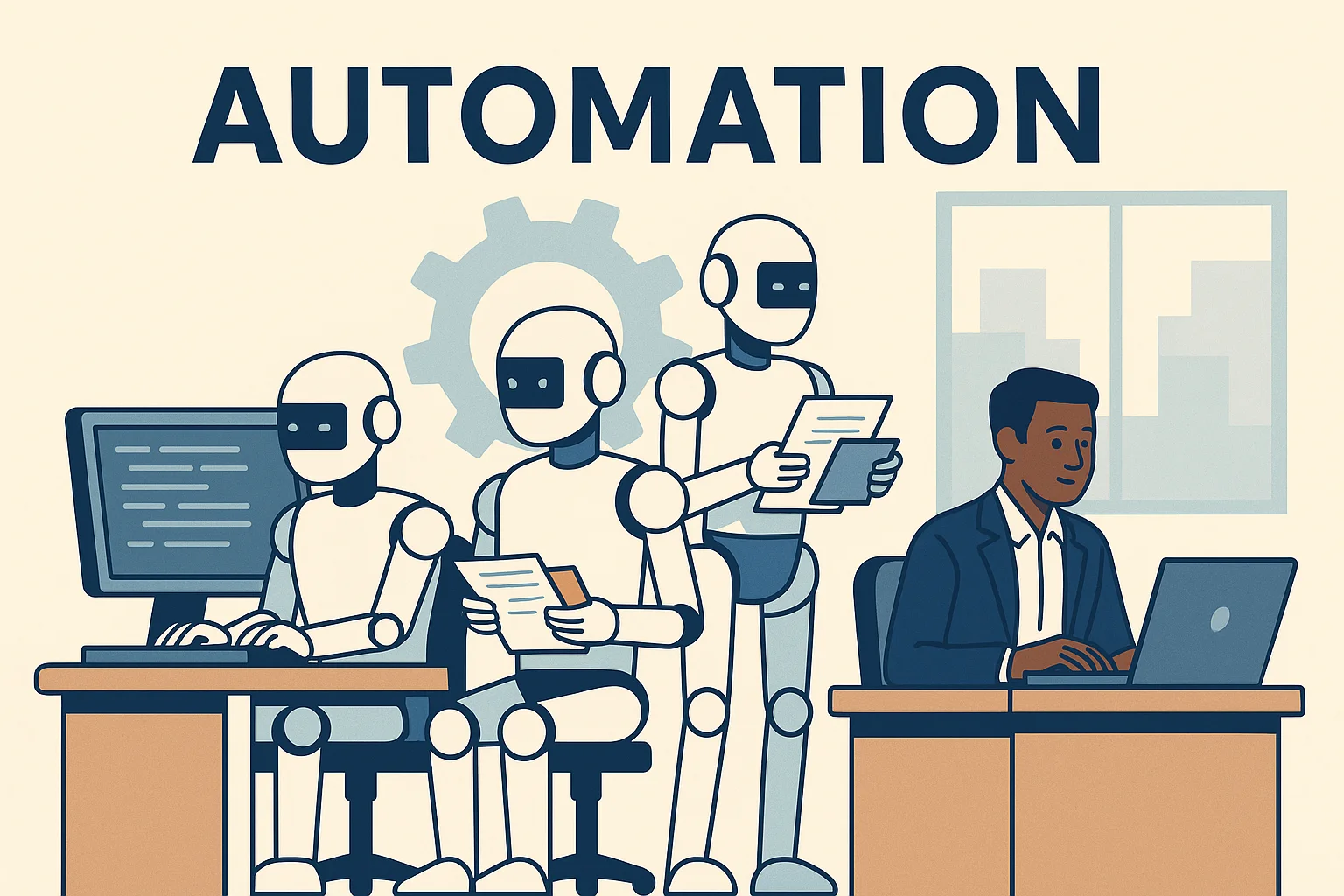
How AI Is Changing the Job Market
Will AI replace your job — or create new ones? Explore which careers are evolving, vanishing, or emerging in the AI-driven economy.

Common Issues with AI
Hallucinations, bias, privacy risks — learn about the most pressing problems in current AI systems and what causes them.