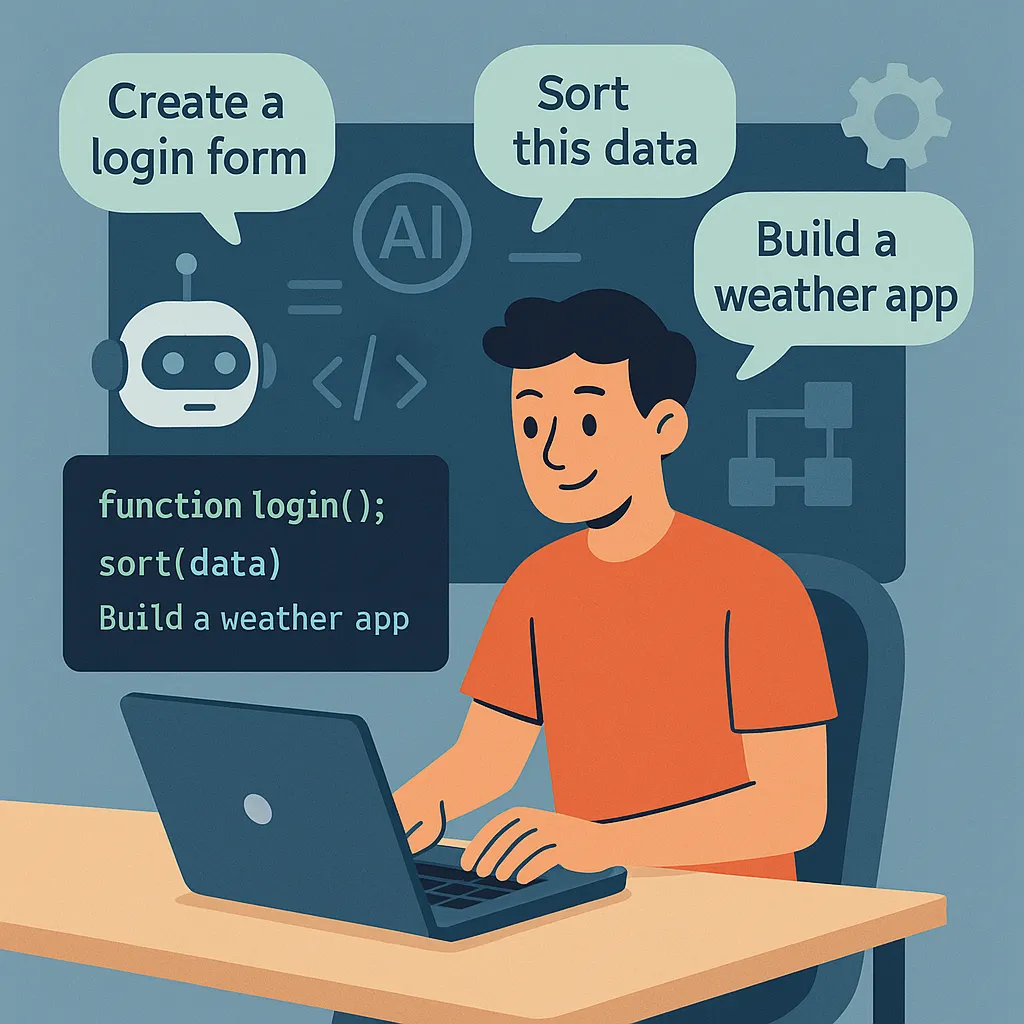
Natural language to code tools are transforming software development by enabling users to build apps, websites, and workflows without needing advanced programming knowledge. These AI-powered platforms let you describe your idea in simple English, and the tool takes care of generating clean, functional code. Whether you're launching a business, prototyping a tool, or experimenting creatively, this new generation of “vibe-based coding” makes development more accessible than ever. From backend logic and frontend design to full-stack automations, these tools streamline the process, reduce learning curves, and empower creators of all backgrounds. Ideal for entrepreneurs, marketers, students, and early-stage developers, they dramatically shorten the time from concept to product. In this guide, we highlight the top natural language to code tools in 2026, showcasing platforms that make building with AI simple, fast, and scalable. The best tools now go beyond snippets — they can plan features, refactor messy code, wire up databases, and even deploy your project with minimal setup. Whether you're solving business problems or just bringing ideas to life, these tools help you skip the syntax and focus on innovation.
Top Paid Natural Language to Code Tools
| Rank | Tool | Strength | Price | Best For |
|---|---|---|---|---|
| #1 | Replit (Agent + Core) | Prompt → full app + deploy in one place | $20/month (Core, annual billing) | Rapid prototyping + solo builders |
| #2 | Cursor Pro | Agentic IDE with deep codebase awareness | $20/month | Serious dev work + refactors |
| #3 | GitHub Copilot Pro | Comment → code + in-editor agent workflows | $10/month | VS Code productivity + day-to-day coding |
| #4 | Bolt.new Pro | Natural language → full-stack web apps in the browser | $25/month | Fast MVPs + shipping simple products |
| #5 | Lovable Pro | Chat-based app builder with collaboration + domains | $25/month | Non-technical founders + internal tools |
Replit (Agent + Core)
Replit has evolved into one of the most complete “idea to shipped app” platforms for natural language to code. You can describe what you want — for example, “build a landing page with email capture, an admin dashboard, and a simple database” — and Replit’s Agent can generate the project structure, create and edit files, run the app, and help you iterate through feedback. What makes Replit stand out is that everything happens in one place: editor, runtime, deployments, hosting, and environment configuration are all integrated, so you avoid the usual setup hurdles that slow beginners and indie builders down. Core is especially strong for prototypes and small production apps because you can keep refining prompts, inspect the generated code, and deploy quickly when it’s working. If you want a true vibe-coding workflow (prompt → working app → improvements → deploy) without juggling five different tools, Replit is still one of the best paid options in 2026.
Cursor Pro
Cursor is a modern AI-first code editor built for developers who want natural language control over real codebases. Instead of just generating snippets, Cursor’s agent workflows can read your repository, understand intent, and help you implement changes that span multiple files — like refactoring a component library, fixing a tricky bug, or adding a new feature end-to-end. You can ask in plain English for changes such as “add pagination to this list, update the API call, and write tests,” and Cursor can propose edits with context-aware reasoning. Pro unlocks higher limits, bigger context windows, and more consistent agent use, which matters when you’re working on anything beyond toy projects. Cursor is especially useful when you’re moving fast: you can brainstorm architecture, generate code, then immediately jump into manual edits and reviews inside the same editor. For builders who want “vibe coding” but still care about code quality, maintainability, and shipping real features, Cursor Pro is one of the strongest picks.
GitHub Copilot Pro
GitHub Copilot remains the most natural fit for developers who live inside VS Code (or other supported IDEs) and want natural language to code that feels like an extension of their existing workflow. Copilot shines at turning comments into functions, scaffolding components, generating tests, and completing repetitive patterns quickly. It’s also strong for “describe what you want” requests during active development — for example, “write a validator for this form,” “create a SQL query for these fields,” or “add an API route with auth checks.” In 2026, Copilot’s value is less about flashy demos and more about speed and consistency across daily coding tasks. Because it integrates closely with GitHub and your editor, it’s easy to keep your changes small, reviewable, and aligned with project conventions. If your goal is to code faster (not replace coding entirely), Copilot Pro is a dependable paid option with a low learning curve, and it works well whether you’re a student learning by example or a professional shipping features on deadlines.
Bolt.new Pro
Bolt.new is built for the purest natural-language-to-app experience: you describe what you want, and it generates a working full-stack web project directly in the browser. That makes it an excellent tool for quickly validating product ideas, building demos for clients, or generating a functional starter app you can extend later. Bolt’s workflow is especially friendly for founders and creators because it can handle the “blank project” problem — routing, UI structure, basic backend wiring, and iteration loops — without you installing dependencies or configuring local environments. Pro is useful when you’re building more than quick experiments because it removes daily token friction and increases capacity for longer builds, larger iterations, and more complex projects. If you like the idea of vibe coding as an interactive “chat → app” loop where you can keep refining features (auth, forms, dashboards, integrations) until it’s deploy-ready, Bolt is one of the most practical paid builders to include on a 2026 list.
Lovable Pro
Lovable is a chat-first app and website builder that turns plain-English requests into working products while keeping the process approachable for non-developers. You can ask for common real-world functionality — user accounts, dashboards, CRUD tools, landing pages, workflows, and basic business logic — and iterate quickly through feedback, just like working with a developer partner. Where Lovable tends to stand out is the collaboration-friendly model: teams can build together, share results, and connect domains without needing a full engineering setup. That makes it a strong choice for early-stage founders, marketers, and operators who want to ship internal tools or simple SaaS-style MVPs without writing everything manually. Pro adds more capacity and removes common limitations, which matters once you move from “demo” to “actually usable.” If your goal is to turn ideas into functional web products quickly, and you want a builder that feels like a guided conversation instead of a traditional IDE, Lovable is a relevant 2026 pick.
Top Free Natural Language to Code Tools
| Rank | Tool | Strength | Free Tier Limits | Use Case |
|---|---|---|---|---|
| #1 | Replit Starter | Free Agent credits to generate real apps | Daily Agent credits (monthly cap) | Experimenting + first MVP drafts |
| #2 | Cursor (Hobby) | NL → edits, fixes, and refactors inside an IDE | Limited Agent requests + limited tab completions | Debugging + learning on real projects |
| #3 | GitHub Copilot Free | Comment → code with strong IDE integration | 2,000 completions/month + 50 chat/agent requests | Students + light weekly coding |
| #4 | v0 (Free) | Prompt → production-ready UI + web app scaffolds | $5 monthly credits (usage-based) | Frontend prototypes + UI generation |
| #5 | Windsurf (Free) | Agentic coding with model access and prompt credits | Limited monthly prompt credits | IDE assistance + guided coding sessions |
Replit Starter
Replit’s free Starter plan is one of the best ways to try natural language to code without installing anything or committing to a paid subscription. You get daily Agent credits that reset regularly (with a monthly cap), which is enough to experiment with building small apps, landing pages, scripts, and simple full-stack prototypes. The big advantage is speed: you can prompt an app into existence, run it immediately, and iterate in a tight feedback loop without worrying about local setup, dependency conflicts, or deployment complexity. Starter is also great for learning because you can inspect what the agent generated, ask for explanations, and then keep refining your project in a real environment. If you want to test vibe coding as a workflow — “describe it, generate it, run it, improve it” — Replit’s free tier is a practical starting point. It won’t replace a full dev stack for large production systems, but it’s excellent for validating ideas, building proof-of-concepts, and getting your first functional version shipped quickly.
Cursor (Hobby)
Cursor’s Hobby plan gives you a strong taste of agentic coding inside a familiar editor experience. Unlike browser-only builders, Cursor is meant for working with real repositories and real code — which makes it ideal for students, indie hackers, and developers who want to learn while building. With natural language commands, you can ask Cursor to explain code, diagnose errors, refactor functions, generate tests, or implement small features across multiple files. The free tier includes limited agent requests and limited tab completions, but it’s still extremely useful for occasional development sessions, debugging, and guided improvements to a project you already have. Cursor works best when you treat it like a helpful teammate: you ask for a change, review the proposed edits, and then keep iterating until the solution matches what you want. If you’re trying to level up from “prompt-only” code generation to “AI-assisted real development,” Cursor Hobby is one of the most relevant free options in 2026.
GitHub Copilot Free
GitHub Copilot’s free plan is a strong option if you want natural language to code inside a professional IDE workflow without paying upfront. You can generate code from comments, ask for help with small tasks, and speed up common development patterns — all while staying inside VS Code (or another supported environment). The free tier is designed for lighter use, with a monthly cap on completions and chat/agent requests, but it’s still plenty for learning, school projects, and occasional development work. Copilot is especially good at the “in the moment” stuff: writing a helper function, scaffolding a component, converting pseudocode into a real implementation, or suggesting fixes when you’re stuck. If you’re new to vibe coding but want something grounded in real coding practices (incremental edits, readable diffs, and easy review), Copilot Free is a smart starting point. When your projects grow or you start coding daily, upgrading becomes more compelling — but the free plan is surprisingly usable for getting momentum.
v0 (Free)
v0 is one of the best free tools for turning natural language into clean, production-style web UI and app scaffolds. Instead of producing generic snippets, v0 is optimized for generating structured components, pages, and layouts that look like something you’d actually ship — which is why it’s popular for rapid front-end iteration. You can prompt for “a pricing page with a comparison table,” “a dashboard with charts and filters,” or “a landing page with a hero, testimonials, and CTA,” then refine it with follow-up instructions until it matches your vision. The free plan includes a small monthly credit allowance, so it’s best for targeted use: generating key screens, prototyping UI directions, or creating a starting point you’ll later integrate into a bigger codebase. If your vibe coding workflow is design-heavy — build the interface fast, then connect logic later — v0 is a top free pick for 2026.
Windsurf (Free)
Windsurf is a modern AI coding environment designed around “flow state” development, where you can use natural language to plan, generate, and modify code while staying productive inside an editor. The free plan gives you a limited allowance of prompt credits, which is enough for learning sessions, small features, debugging help, and quick bursts of assisted coding. Windsurf’s value is that it feels more agentic than traditional autocomplete tools: you can describe intent (“move this auth logic into middleware,” “add error handling and retries,” “refactor this into reusable components”) and it can help coordinate multi-step changes with context. It’s especially useful if you want a single tool that supports both fast code generation and deeper interactive help while you edit. For anyone exploring vibe coding in 2026 — but still wanting to work with real projects and real code — Windsurf’s free tier is a strong way to test the workflow before committing to paid limits.
Rankings

Chatbots
AI chatbots have quickly evolved from simple assistants into powerful, multi-purpose tools used by millions of people every day...

Image Generators
AI image generators are revolutionizing the way creatives, marketers, and developers produce visual content by transforming text prompts into detailed, customized...

Writing Assistants
AI writing assistants have become indispensable tools for anyone who writes — from students and bloggers to business professionals and marketers...

Deepfake Detection
As deepfake technology becomes more advanced and accessible, detecting AI-manipulated content is now a critical challenge across journalism, education, law, and...
Productivity & Calendar
AI productivity and calendar tools have become essential for professionals, entrepreneurs, and students looking to make the most of their time without getting overwhelmed...
Natural Language To Code
Natural language to code tools are transforming software development by enabling users to build apps, websites, and workflows without needing advanced programming...
Blog
How AI Actually Works
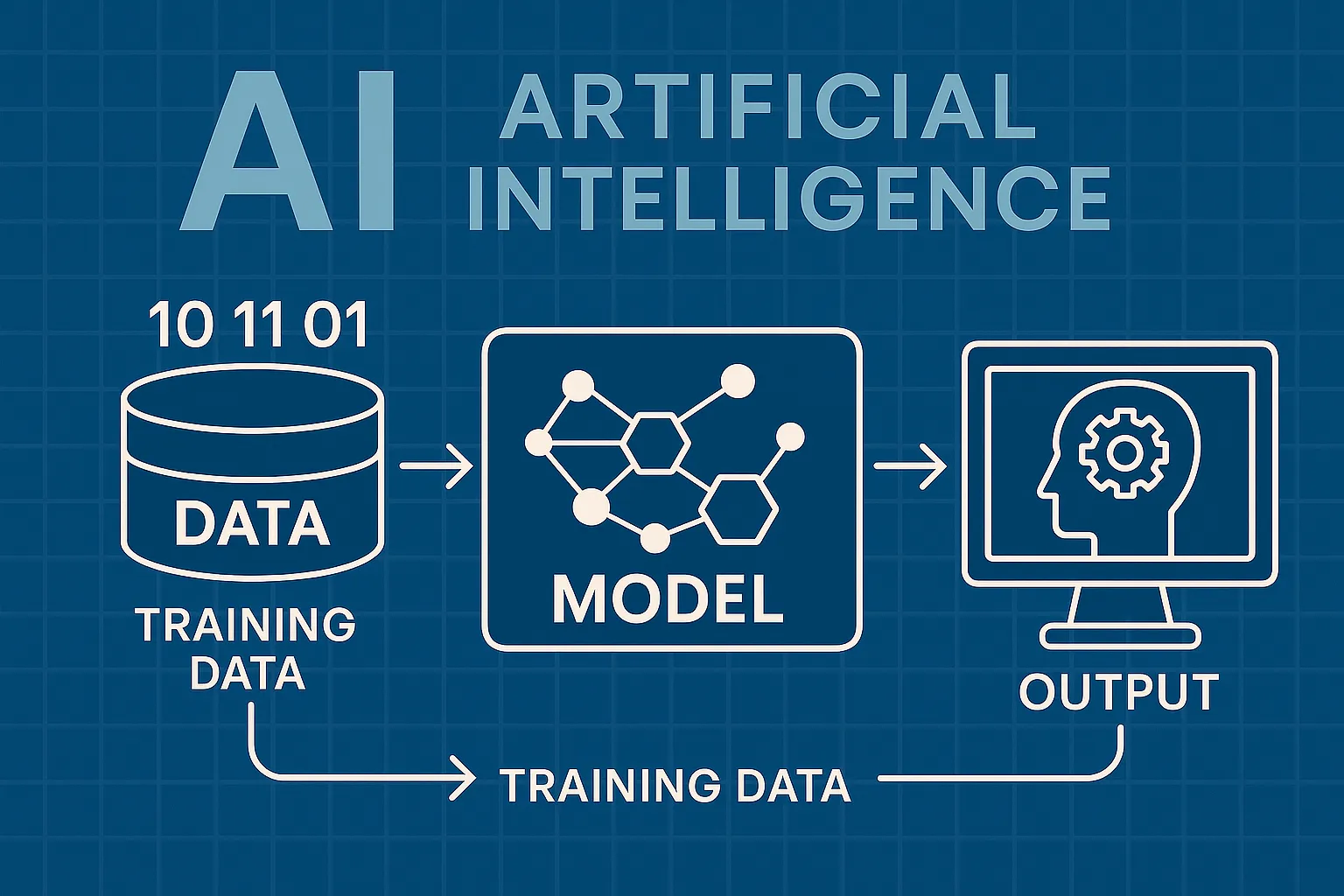
Understand the basics of how AI systems learn, make decisions, and power tools like chatbots, image generators, and virtual assistants.

What Is Vibe Coding?
Discover the rise of vibe coding — an intuitive, aesthetic-first approach to building websites and digital experiences with help from AI tools.

7 Common Myths About AI
Think AI is conscious, infallible, or coming for every job? This post debunks the most widespread misconceptions about artificial intelligence today.

The Future of AI
From generative agents to real-world robotics, discover how AI might reshape society, creativity, and communication in the years ahead.

How AI Is Changing the Job Market
Will AI replace your job — or create new ones? Explore which careers are evolving, vanishing, or emerging in the AI-driven economy.

Common Issues with AI
Hallucinations, bias, privacy risks — learn about the most pressing problems in current AI systems and what causes them.