Artificial intelligence is revolutionizing the way people learn musical instruments by making practice more personalized, accessible, and engaging. AI-driven platforms now offer real-time feedback, pitch detection, rhythm correction, and adaptive lesson planning—all from your smartphone, tablet, or computer. These tools respond to your performance in the moment, helping you stay on track and progress faster, whether you're playing guitar, piano, violin, or singing. From complete beginners to intermediate musicians, AI apps can tailor lessons to your skill level, track your improvements, and even make learning feel like a game. Many also integrate music theory and ear training to build a well-rounded foundation. This guide showcases the top AI-powered tools for learning instruments as of February 2026, highlighting both free and paid options that blend smart technology with musical creativity. Whether you're practicing at home, between lessons, or exploring music as a hobby, these platforms help you learn efficiently and stay motivated through structured, responsive, and enjoyable learning experiences.
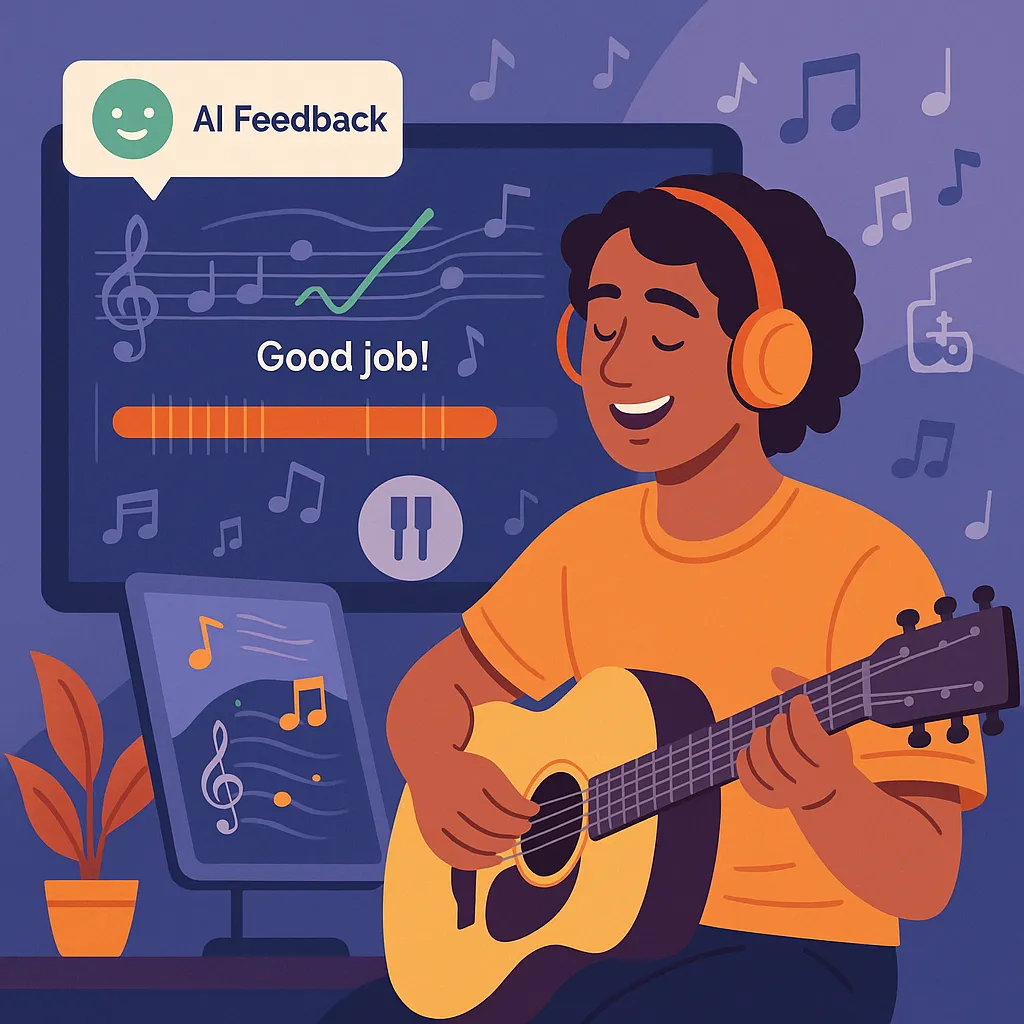
Top Paid AI Instrument Learning Tools
| Rank | Tool | Instrument | Price | AI Feature |
|---|---|---|---|---|
| #1 | Yousician | Guitar, piano, bass, ukulele, vocals | From $14.99/month | Real-time pitch/timing tracking + feedback |
| #2 | Simply Piano | Piano / keyboard | From $19.99/month | Live note detection + guided practice paths |
| #3 | flowkey | Piano | From $19.99/month | Instant feedback with “wait mode” + looping |
| #4 | Melodics | Drums, keys, pad controllers | From $10.99/month (annual billing) | Real-time accuracy scoring + adaptive drills |
| #5 | MakeMusic Cloud (Practice) | Band/Orchestra + voice (mic/MIDI) | From $13.99/year (student plans vary) | Real-time pitch/rhythm/duration assessment |
Yousician
Yousician remains one of the most complete AI-powered instrument learning platforms in February 2026, covering guitar, piano, bass, ukulele, and vocals in a single ecosystem. It listens through your device microphone (or compatible setups) and gives instant feedback on pitch and timing, so you’re not guessing whether you played the right note or hit the rhythm accurately. Lessons are structured and step-based, but the platform also adapts what it recommends based on your performance, helping you strengthen weak areas without wasting time on what you already know. It’s especially strong for consistent daily practice because progress tracking, streaks, and gamified challenges make it easier to stay motivated. With a large song and exercise library, Yousician works well for beginners who want structure and for intermediate players who want measurable improvement without needing a teacher for every session.
Simply Piano
Simply Piano is a polished, beginner-friendly piano learning app that uses real-time listening to check the notes you play and keep you moving forward at a comfortable pace. Instead of watching passive video lessons, you learn by playing along: the app detects accuracy, highlights mistakes, and encourages repetition until the pattern feels natural. Its lesson flow is designed for quick wins early on (basic chords, reading, and two-hand coordination), which is helpful for adults and younger learners who need momentum to stay engaged. While it’s primarily focused on piano/keyboard, it’s one of the easiest “pick up and start” options if you want a guided path and immediate feedback without complicated setup. For home learners, it can be a strong substitute for early-stage lessons, and it also works well as a structured practice companion alongside a human teacher.
flowkey
flowkey is a widely used piano learning platform built around interactive songs, technique courses, and instant feedback using either microphone listening or MIDI input (when available). A standout feature is its practice-first design: you can slow passages down, loop tricky measures, and use “wait mode” so the song won’t advance until you play the right notes—an approach that feels closer to deliberate practice than passive entertainment. flowkey’s catalog tends to appeal to learners who want to play recognizable music while still building fundamentals, because lessons are interwoven with real pieces rather than isolated drills. It’s a strong option if you’re motivated by songs, but still want structured progress and responsive correction. For many learners in 2026, flowkey sits nicely between “fun play-along” and “serious skill-building,” especially when paired with consistent weekly goals.
Melodics
Melodics is one of the best AI-assisted practice platforms for rhythm-based instruments and controller-driven musicianship, covering drums (including electronic kits), MIDI keys, and pad controllers. It provides real-time feedback while you play and then breaks down your performance with accuracy scores and targeted suggestions, which is ideal for building timing, coordination, and groove. The learning experience is intentionally game-like—short challenges, clear scoring, and progressive difficulty—so practice feels less like homework and more like leveling up. Melodics also works well for producers and creators because it reinforces practical musical building blocks (rhythms, chord shapes, finger independence) that translate directly into songwriting and beat-making. If you struggle to practice consistently, its tight feedback loop and “just one more attempt” design can be a big advantage for turning occasional sessions into a real habit.
MakeMusic Cloud (Practice)
MakeMusic Cloud (known historically through SmartMusic in many school programs) is a powerful option for learners who want objective, real-time performance assessment on traditional band and orchestra instruments. It’s built around playing along with parts while the system evaluates pitch, rhythm, and duration—often with adjustable tolerance settings that can be made more forgiving for beginners or stricter for advanced students. This makes it especially useful for students preparing for auditions, graded assignments, or ensemble requirements, because it turns practice into measurable feedback instead of “I think that sounded okay.” While access and pricing often vary depending on individual vs. school/teacher plans, its strength is clear: structured repertoire-based practice paired with immediate visual correction. If you’re learning a concert instrument (winds, brass, strings, or even rhythm-focused percussion modes), this is one of the most assessment-driven tools you can add to your routine.
Top Free AI Instrument Learning Tools
| Rank | Tool | Instrument | Limitations | AI Capability |
|---|---|---|---|---|
| #1 | Yousician (Free) | Multi-instrument | Daily time cap + limited catalog | Basic real-time feedback |
| #2 | flowkey (Free) | Piano | Limited songs + course access | Instant note feedback (limited content) |
| #3 | Moises (Free) | All (practice companion) | Limited uploads/month + track length limits | AI stem separation + practice-ready mix |
| #4 | Chordify (Free) | Guitar, ukulele, piano | Feature limits + premium upsells | Automatic chord recognition + sync playback |
| #5 | Chrome Music Lab | Creative tools + fundamentals | No structured lesson path | Interactive pattern + sound visualization (not live feedback) |
Yousician (Free)
The free version of Yousician is still one of the best ways to experience AI-guided instrument practice without paying upfront. You get the same core loop that makes the platform effective: play into your device microphone and receive real-time feedback on notes and rhythm as you work through structured lessons. The main tradeoff is the daily time cap and a more limited selection of songs and exercises, which can feel restrictive if you want long practice sessions. That said, it’s an excellent “daily habit builder” for beginners because even short sessions add up when the feedback is immediate and progress is tracked clearly. If you’re deciding whether a subscription is worth it, Yousician Free is a reliable way to test the learning style and see how well the real-time feedback works with your instrument and environment.
flowkey (Free)
flowkey’s free account is a practical entry point for piano learners who want to test interactive learning before subscribing. Even on the free tier, you can experience its signature learning mechanics—playing along with interactive content, practicing with tools like looping and slowdowns, and receiving instant feedback when supported by your setup. The biggest limitation is content: only a small portion of songs and course material is available without upgrading, so you’ll likely outgrow it if you want a broad repertoire. Still, flowkey Free is genuinely useful for getting started, learning basic patterns, and seeing whether you prefer “song-based learning” over drill-heavy practice. For many learners, it’s a strong way to explore the platform and build early confidence, especially if you’re returning to piano after a long break.
Moises (Free)
Moises isn’t a lesson app in the traditional sense—it’s an AI-powered practice companion that can dramatically improve how you learn songs on almost any instrument. The free plan lets you upload tracks and use AI stem separation to reduce vocals, isolate parts, or create an “instrumental-only” version you can play along with. This is incredibly useful for ear training, timing, and learning by imitation because you can turn almost any song into a practice-ready backing track instead of hunting for a perfect tutorial. Many musicians use Moises to slow down difficult passages, focus on specific elements (like bass lines or drum grooves), and build more accurate muscle memory. If you’re learning from real music—not just exercises—Moises Free can make your practice sessions cleaner, more intentional, and much more enjoyable with minimal setup.
Chordify (Free)
Chordify is a popular “learn songs faster” tool that uses automatic chord recognition to turn music into playable chord progressions you can follow in real time. For guitar, ukulele, and piano learners, this can be a huge confidence booster: you can pick a song you love, see the chord changes synchronized to playback, and practice switching shapes at the right moment. The free version is often enough for casual play-along practice, but advanced features (like deeper controls, extra practice tools, and broader access patterns) may be gated behind premium upgrades. Even with limitations, Chordify is a powerful bridge between passive listening and active playing, especially for beginners who want to build chord vocabulary, improve rhythm feel, and actually play along with real songs instead of only practicing isolated drills.
Chrome Music Lab
Chrome Music Lab is a fun, zero-friction way to explore core musical concepts through interactive mini tools—no account required and no downloads needed. It’s not a structured instrument course, and it won’t listen to your playing like dedicated AI tutors, but it’s excellent for building intuition around rhythm, melody, harmony, and sound. Tools like Song Maker, Rhythm, and Spectrogram help learners “see” what music is doing, which can make practice on a real instrument feel less mysterious. It’s especially useful for younger learners, complete beginners, or anyone who benefits from playful experimentation before committing to formal lessons. If you want a free, approachable way to build musical understanding that supports instrument learning indirectly, Chrome Music Lab is one of the best lightweight options available.
Rankings

Chatbots
AI chatbots have quickly evolved from simple assistants into powerful, multi-purpose tools used by millions of people every day...

Image Generators
AI image generators are revolutionizing the way creatives, marketers, and developers produce visual content by transforming text prompts into detailed, customized...
Writing Assistants
AI writing assistants have become indispensable tools for anyone who writes — from students and bloggers to business professionals and marketers...

Deepfake Detection
As deepfake technology becomes more advanced and accessible, detecting AI-manipulated content is now a critical challenge across journalism, education, law, and...
Productivity & Calendar
AI productivity and calendar tools have become essential for professionals, entrepreneurs, and students looking to make the most of their time without getting overwhelmed...
Natural Language To Code
Natural language to code tools are transforming software development by enabling users to build apps, websites, and workflows without needing advanced programming...
Blog
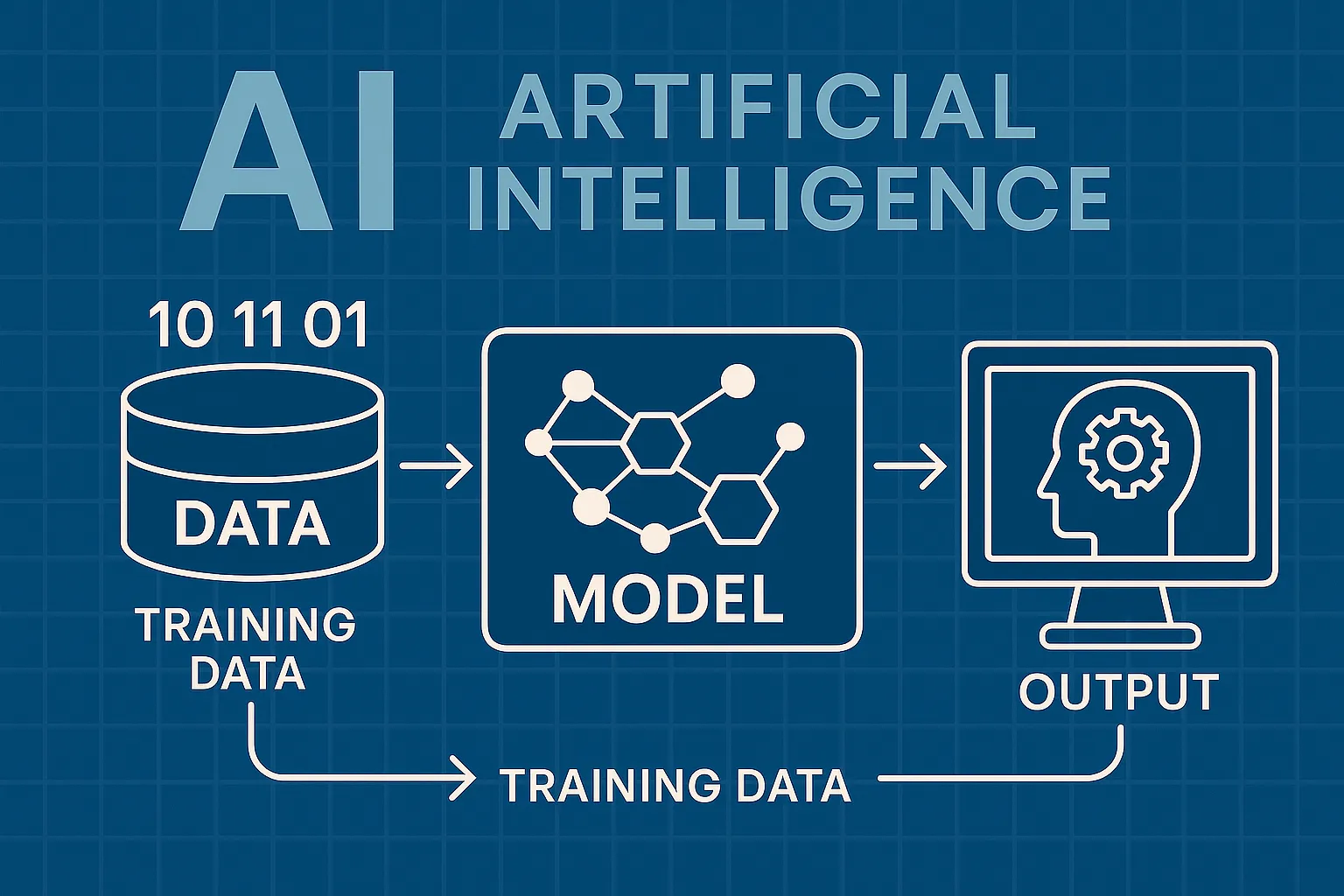
How AI Actually Works
Understand the basics of how AI systems learn, make decisions, and power tools like chatbots, image generators, and virtual assistants.

What Is Vibe Coding?
Discover the rise of vibe coding — an intuitive, aesthetic-first approach to building websites and digital experiences with help from AI tools.

7 Common Myths About AI
Think AI is conscious, infallible, or coming for every job? This post debunks the most widespread misconceptions about artificial intelligence today.

The Future of AI
From generative agents to real-world robotics, discover how AI might reshape society, creativity, and communication in the years ahead.
How AI Is Changing the Job Market
Will AI replace your job — or create new ones? Explore which careers are evolving, vanishing, or emerging in the AI-driven economy.

Common Issues with AI
Hallucinations, bias, privacy risks — learn about the most pressing problems in current AI systems and what causes them.