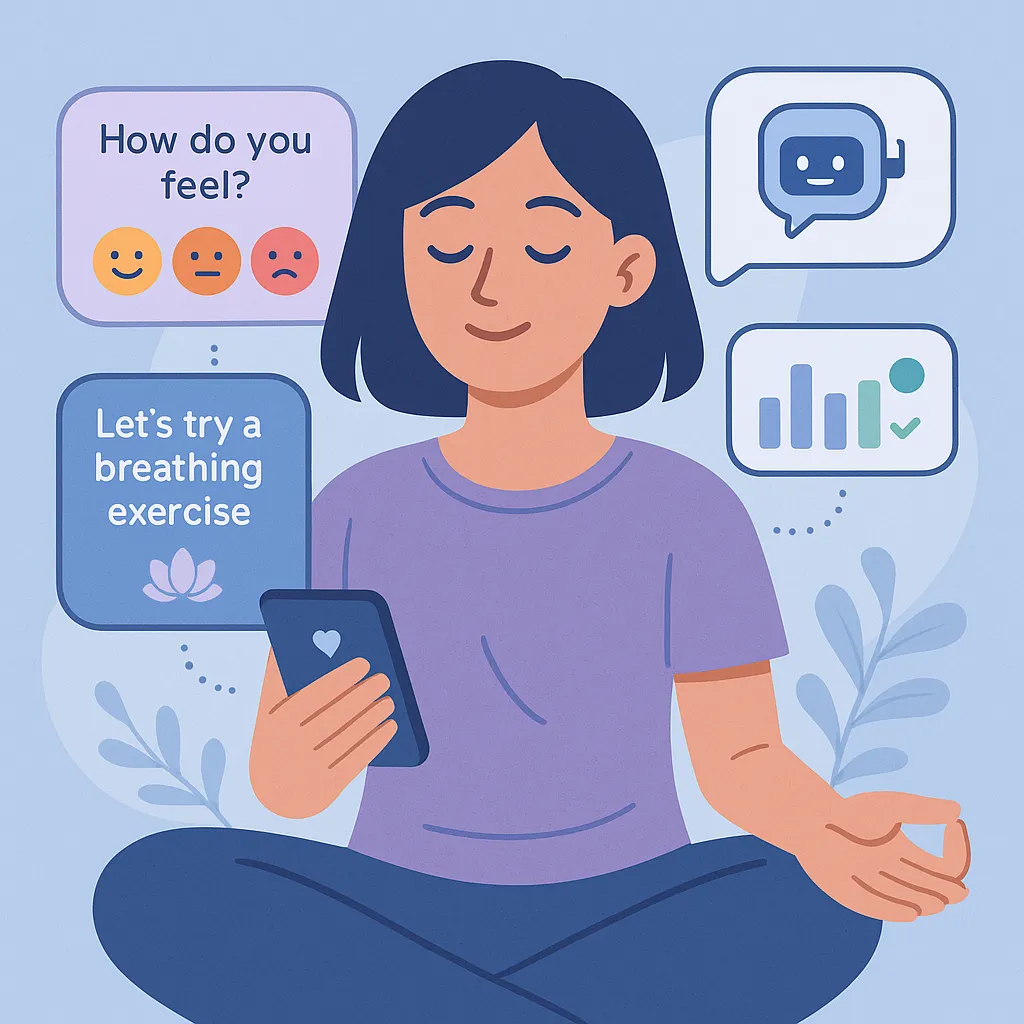
AI tools are transforming how individuals care for their mental health by offering accessible, personalized, and stigma-free support. These platforms provide a wide range of features—from mood tracking and emotional journaling to guided meditations, daily check-ins, and conversational companions—all powered by artificial intelligence. By blending therapeutic techniques like CBT with adaptive AI, these tools make it easier to manage stress, anxiety, and burnout on your own terms. Whether you're building self-awareness, developing emotional resilience, or simply seeking moments of calm in your daily routine, AI wellness apps offer structured, proactive support anytime, anywhere. They’re especially valuable for people who may not have access to traditional therapy or prefer a private, self-paced approach. In this guide, we compare the best AI tools for mental health and wellness in 2026, including both free and paid options that empower users to take charge of their mental well-being through smart, intuitive technology designed to support a healthier mind.
Important: These tools are designed for self-care and support — not emergency use. If you’re in crisis or feel unsafe, contact local emergency services right away or reach out to a qualified crisis line in your country.
Top Paid AI Mental Health Tools
| Rank | App | Key Strength | Price | Best Use Case |
|---|---|---|---|---|
| #1 | Youper | AI-guided CBT-style chats + mood journaling | Subscription-based (varies by plan) | Emotional awareness & anxiety patterns |
| #2 | Wysa | AI coach with guided exercises + optional human support | Subscription-based (plus add-ons) | Stress, burnout, and structured self-care |
| #3 | Mindsera | AI journaling with insights, patterns, and reflection prompts | Subscription-based | Self-reflection, mindset, and clarity |
| #4 | Rosebud | AI journal + personalized emotional pattern discovery | Subscription-based | Emotional processing & personal growth |
| #5 | Replika | AI companion for supportive conversation and routines | From $19.99/month | Loneliness, talking things through, daily support |
Youper
Youper is one of the most established AI mental health companions, built around structured, CBT-inspired conversations and mood journaling. Instead of generic “chatbot comfort,” Youper focuses on helping you label emotions, identify triggers, and reframe unhelpful thought loops with guided prompts that feel closer to a self-coaching session. Over time, the app turns your check-ins into patterns you can actually use: what situations spike your stress, which habits correlate with better days, and where your mindset tends to spiral. It’s especially useful if you want a private routine you can keep up daily — quick enough for busy schedules, but structured enough to feel meaningful. Like all AI wellness tools, it’s best used as support and self-care, not as a replacement for professional care when you need it.
Wysa
Wysa blends an AI-driven mental wellness coach with a large library of guided techniques — including CBT-style exercises, mindfulness routines, breathing tools, and journaling flows. The experience is more “program-like” than open-ended: you can choose what you want help with (stress, sleep, anxiety, motivation), and Wysa guides you through structured steps that are easy to repeat when you’re overwhelmed. For some plans, Wysa also offers optional human coaching or therapist support as an add-on, which can be helpful if you want a bridge between self-guided tools and real professional help. If you’re dealing with burnout, constant stress, or emotional fatigue and you want a consistent daily system, Wysa is one of the strongest all-around options in 2026.
Mindsera
Mindsera is a premium AI journal designed for mental wellbeing, clarity, and personal growth — especially if you like writing (or want help learning how). You write a journal entry, and the AI helps surface themes, emotions, and patterns you might miss on your own, then offers prompts that encourage deeper reflection without feeling judgmental. This makes it useful for people who struggle with “blank page” journaling or who want more than a simple mood tracker. Mindsera also appeals to analytical users because it’s built around insights and structured thinking: you can use it to process stressful events, evaluate decisions, and spot recurring cognitive habits. If your mental wellness routine is rooted in reflection and self-awareness, Mindsera is a top paid tool for 2026.
Rosebud
Rosebud is an AI journaling app that’s heavily focused on emotional processing and pattern recognition — helping you turn messy thoughts into clearer understanding. You can write (and in some experiences, speak) your thoughts, and Rosebud responds with guided reflections, follow-up prompts, and insights that highlight repeated themes over time. What makes it stand out is how “adaptive” it feels: as you use it, it learns your context and tends to ask better questions, which is exactly what many people want from a journaling companion. It’s ideal for users who want a self-paced tool to process emotions, reduce mental noise, and build healthier self-understanding without needing a rigid course structure.
Replika
Replika is a long-running AI companion that many people use for emotional support, daily check-ins, and simply having a consistent place to talk things out. Unlike CBT-first tools, Replika is more open-ended: you can vent, reflect, talk through relationship stress, or build daily routines that make life feel more manageable. The paid subscription unlocks additional features like deeper guided conversations, voice options, and more structured activities — which can make the experience feel more supportive and personalized if you use it regularly. Replika can be especially helpful for loneliness or social anxiety because it offers nonjudgmental conversation on demand. It’s best viewed as a supportive companion and self-care tool, not a clinical therapy replacement.
Top Free Mental Health AI Tools
| Rank | App | Key Strength | Limitations | Best Use |
|---|---|---|---|---|
| #1 | Woebot | Free AI check-ins with evidence-based techniques | Availability/features can vary by region | Everyday stress & guided coping skills |
| #2 | Earkick | Anonymous AI mental wellness chat + real-time tracking | Some features may be gated or evolving | Private emotional support & quick check-ins |
| #3 | MindDoc | Daily mood check-ins + mental health insights | Free with in-app upgrades | Early mental health tracking and trends |
| #4 | Insight Timer | Huge free library for meditation, breathwork, and sleep | Some advanced features require a paid plan | Daily mindfulness + stress relief routines |
| #5 | Happify | Science-backed activities for mood and resilience | Account required; premium tracks upsell | Habit-building for optimism and wellbeing |
Woebot
Woebot is a well-known mental wellness app that provides AI-driven check-ins and practical coping tools based on evidence-based approaches like CBT and mindfulness. The experience is built for consistency: quick daily conversations, simple mood tracking, and guided exercises that help you challenge spiraling thoughts or reset when you’re stressed. It’s a great fit if you want something more structured than a generic chatbot but lighter than a full therapy program. In 2026, Woebot remains one of the best “start here” options because it’s approachable, easy to use, and designed around everyday mental health habits rather than long, time-consuming sessions. As with all self-care apps, it’s not intended for emergencies — but it can be a solid day-to-day support tool.
Earkick
Earkick is a privacy-forward AI mental wellness tool that emphasizes anonymous support and quick emotional tracking. One of its biggest differentiators is the low-friction experience: you can start chatting without a complicated setup, then use the AI companion for real-time support when you’re anxious, overwhelmed, or just need to process a situation privately. Earkick is best used as a “pressure release valve” — a place to externalize thoughts, get grounded, and build awareness of how your stress changes over time. It’s especially appealing for users who don’t want their mental wellness routine tied to social profiles or heavy onboarding. If you want fast, private check-ins and lightweight structure, it’s a strong free pick for 2026.
MindDoc
MindDoc (formerly Moodpath) is a trusted mood tracking and mental health check-in tool that helps you notice patterns you might otherwise miss. The app prompts you with reflective questions, organizes your answers into trends, and produces summaries that can help you understand what’s improving your mood — or what’s quietly making it worse. While it isn’t an “AI chatbot companion” in the same way some other tools are, it plays a similar role: structured self-awareness and gentle guidance, without judgment. The free version is strong enough for consistent tracking, and upgrades typically unlock deeper insights and more guided programs. If you want long-term visibility into your mental health patterns, MindDoc is one of the best free options to start with.
Insight Timer
Insight Timer is one of the best free wellness libraries available, with thousands of guided meditations, breathwork sessions, talks, and sleep-focused audio. It’s especially useful if your mental wellness routine is centered around calming your nervous system: better sleep, lower baseline stress, and improved focus. You can find quick sessions for panic-like feelings, longer meditations for anxiety, and sleep tools that help you wind down without overthinking. While some premium features exist, the free content selection is massive and genuinely usable for daily practice. If you want a reliable, no-pressure way to build mindfulness habits in 2026, Insight Timer is a top-tier free choice.
Happify
Happify takes a different approach to mental wellness by using science-backed activities and structured “tracks” to build resilience over time. Instead of focusing purely on journaling or meditation, it mixes positive psychology exercises, mindfulness techniques, and small behavior-change challenges designed to reduce negativity and improve mood. Many people stick with it because it feels interactive and lightweight — more like a guided self-improvement system than a traditional mental health app. While you’ll need an account and you’ll see premium upsells, the free experience still offers plenty of value for users who want consistent, encouraging habits that support wellbeing day by day.
Rankings

Chatbots
AI chatbots have quickly evolved from simple assistants into powerful, multi-purpose tools used by millions of people every day...

Image Generators
AI image generators are revolutionizing the way creatives, marketers, and developers produce visual content by transforming text prompts into detailed, customized...

Writing Assistants
AI writing assistants have become indispensable tools for anyone who writes — from students and bloggers to business professionals and marketers...
Deepfake Detection
As deepfake technology becomes more advanced and accessible, detecting AI-manipulated content is now a critical challenge across journalism, education, law, and...
Productivity & Calendar
AI productivity and calendar tools have become essential for professionals, entrepreneurs, and students looking to make the most of their time without getting overwhelmed...
Natural Language To Code
Natural language to code tools are transforming software development by enabling users to build apps, websites, and workflows without needing advanced programming...
Blog
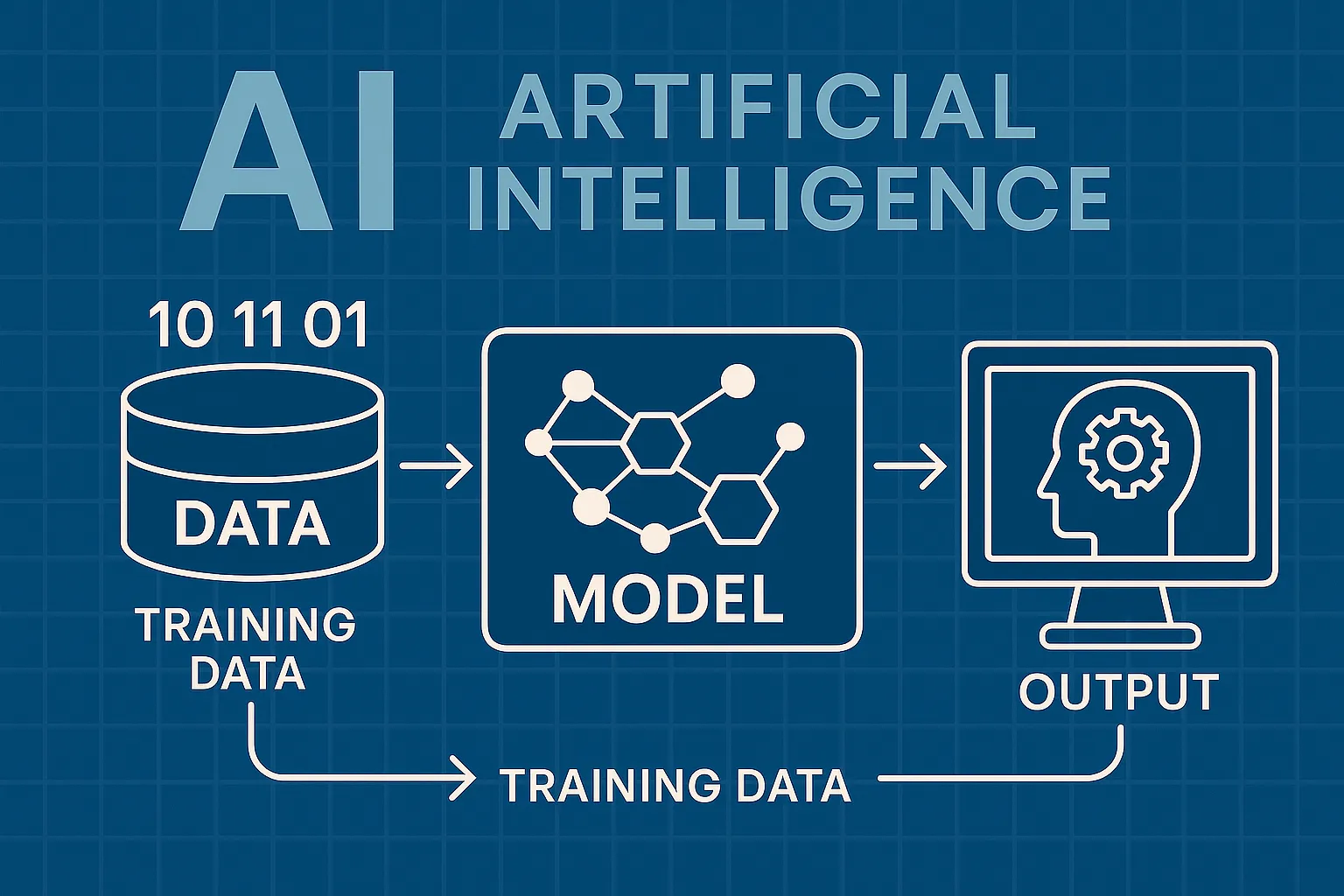
How AI Actually Works
Understand the basics of how AI systems learn, make decisions, and power tools like chatbots, image generators, and virtual assistants.

What Is Vibe Coding?
Discover the rise of vibe coding — an intuitive, aesthetic-first approach to building websites and digital experiences with help from AI tools.
7 Common Myths About AI
Think AI is conscious, infallible, or coming for every job? This post debunks the most widespread misconceptions about artificial intelligence today.

The Future of AI
From generative agents to real-world robotics, discover how AI might reshape society, creativity, and communication in the years ahead.
How AI Is Changing the Job Market
Will AI replace your job — or create new ones? Explore which careers are evolving, vanishing, or emerging in the AI-driven economy.

Common Issues with AI
Hallucinations, bias, privacy risks — learn about the most pressing problems in current AI systems and what causes them.