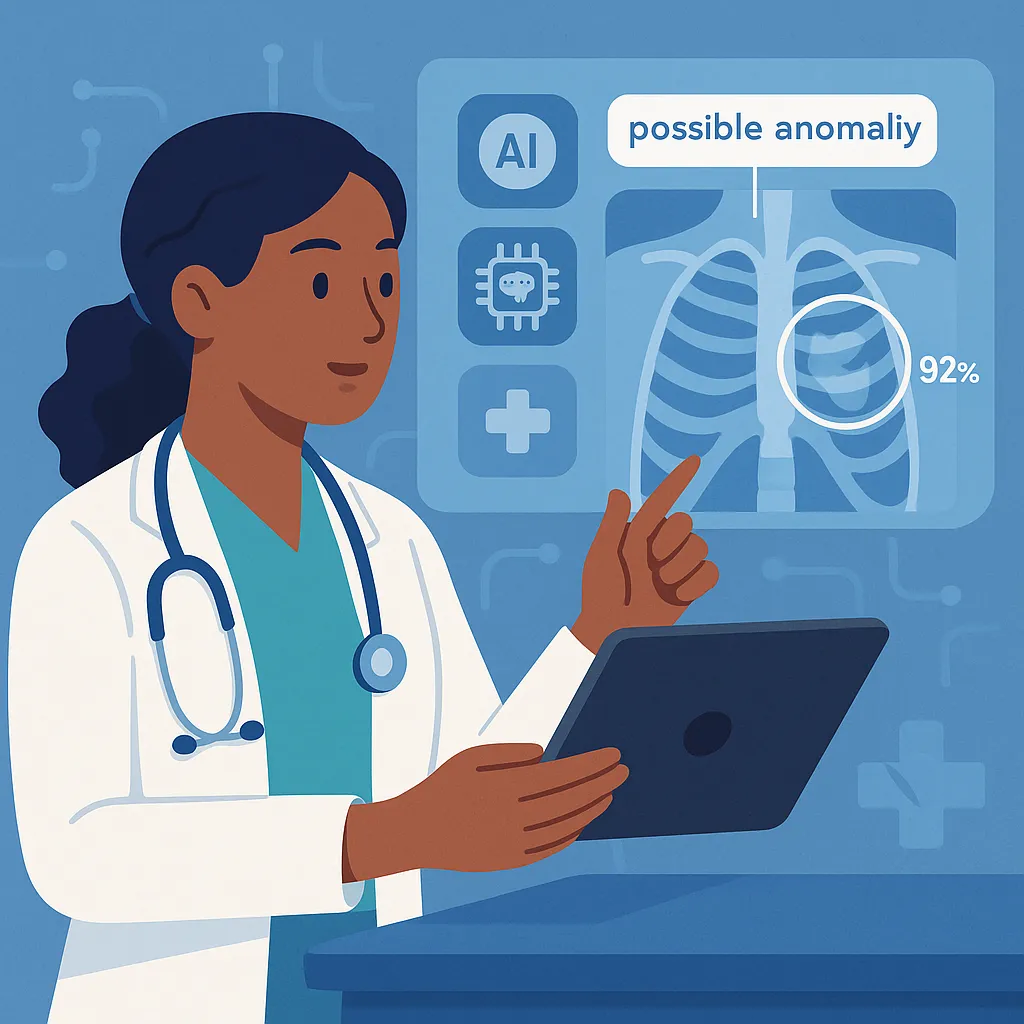
AI is playing a transformative role in modern healthcare, offering faster, more accurate, and scalable solutions for diagnosis, triage, and clinical decision-making. From analyzing radiology scans to guiding ultrasound procedures and assessing symptoms through conversational interfaces, AI tools are enhancing patient care while reducing the burden on healthcare providers. These platforms leverage large medical datasets, natural language processing, and real-time learning to deliver insights that support earlier detection, personalized treatment planning, and improved health outcomes. Whether integrated into hospital systems or offered directly to consumers via mobile apps, AI-driven diagnostic tools are making quality healthcare more accessible and efficient across the globe. Clinicians benefit from increased diagnostic precision, while patients gain access to fast, preliminary assessments that can guide them toward appropriate care. This page ranks the best AI tools for medical diagnosis and healthcare in 2026—comparing paid and free options designed to empower both professionals and the public in managing health with confidence and clarity. As always, these tools are most valuable when used to support (not replace) licensed clinical judgment, especially for urgent or complex symptoms.
Top Paid Medical AI Tools
| Rank | Tool | Key Strength | Price | Best Use Case |
|---|---|---|---|---|
| #1 | Aidoc | Enterprise clinical AI for imaging triage + workflow | Custom enterprise pricing | Hospitals scaling real-time imaging alerts |
| #2 | Viz.ai | AI-powered care coordination for time-critical cases | Enterprise / contract-based | Stroke, neuro, and rapid coordination workflows |
| #3 | Tempus Radiology (Arterys) | Cloud imaging analysis + AI-enabled reporting | Custom quote (by solution) | Radiology departments modernizing image analysis |
| #4 | Paige | AI-assisted cancer pathology + biomarker insight | Institutional / lab pricing | Pathology labs and oncology workflows |
| #5 | GE HealthCare Vscan Air SL with Caption AI | AI-guided cardiac ultrasound acquisition + AutoEF | Device + clinical software pricing varies | Point-of-care ultrasound (POCUS) and guided echo |
Aidoc
Aidoc is one of the most widely deployed enterprise clinical AI platforms for hospitals that want real-time support in imaging-based triage and care-team coordination. Rather than acting like a consumer “diagnosis app,” Aidoc is built to plug into clinical workflows, helping prioritize urgent studies and streamline communication when time matters. Health systems use it to reduce delays, flag suspected critical findings, and standardize how teams respond across radiology and downstream departments. The value isn’t just detection—it’s operationalizing detection at scale through alerts, routing, and measurable workflow improvements. For organizations adopting AI across multiple service lines, Aidoc stands out for platform breadth, integration-first design, and a clear focus on turning AI outputs into actionable steps inside real clinical environments.
Viz.ai
Viz.ai is best known for AI-driven care coordination—especially in stroke and other time-sensitive neurovascular workflows—where getting the right specialist on the case quickly can be the difference between recovery and long-term disability. The platform supports imaging-based detection with a strong emphasis on closing “coordination gaps” across mobile and desktop tools, helping teams move from scan to treatment faster. Viz.ai’s ecosystem includes many FDA-cleared algorithms and enterprise integrations designed for hospitals that want to speed up notification, improve workflow reliability, and connect multidisciplinary teams in real time. If your priority is rapid triage plus communication and coordination (not just image analysis in isolation), Viz.ai remains one of the most proven paid options in the category.
Tempus Radiology (Arterys)
Arterys—now presented as Tempus Radiology—offers cloud-based imaging analysis designed to help clinicians and radiology teams extract more consistent measurements and insights from medical images. The platform’s strength is workflow-friendly, scalable imaging infrastructure: it supports advanced visualization, quantification, and AI-assisted reporting that can reduce manual effort for certain measurements and standardize outputs across sites. This is especially valuable for organizations that want modern tooling without building and maintaining everything on-prem. For imaging groups and hospital systems thinking beyond a single “one-off” algorithm, Tempus Radiology (Arterys) is a strong option for broader imaging enablement, helping teams modernize analysis while keeping throughput and reproducibility at the center of adoption.
Paige
Paige focuses on AI-assisted pathology, particularly in cancer diagnostics and biomarker-oriented workflows where slide review is complex, time-consuming, and sensitive to variability. Its applications are designed to support pathologists by highlighting relevant patterns, reducing routine workload pressure, and improving consistency in challenging cases. In real-world settings, the goal is not to “replace” diagnostic expertise, but to provide a dependable second set of eyes that helps teams manage volume while maintaining quality. Paige also positions itself strongly around advanced pathology AI and biomarker insight, which can be valuable for large lab networks and oncology-focused institutions adopting digital pathology at scale. For paid healthcare AI, Paige is a standout when your diagnostic bottleneck is tissue-based pathology rather than imaging triage.
GE HealthCare Vscan Air SL with Caption AI
GE HealthCare’s Vscan Air SL with Caption AI brings AI guidance into point-of-care cardiac ultrasound, helping clinicians acquire diagnostic-quality views with step-by-step support. This is a practical, “in-the-moment” form of clinical AI: instead of analyzing a completed study after the fact, Caption AI helps improve the quality of the scan while it’s being performed, which can be crucial in urgent, bedside, or resource-constrained environments. Features like guided acquisition and automated ejection fraction support can improve confidence for non-specialist users and speed up rapid assessments. For healthcare teams investing in handheld ultrasound and broader POCUS adoption, this solution stands out as a strong paid option because it targets a real operational gap: consistent image acquisition and repeatable bedside assessments.
Top Free or Freemium Medical AI Tools
| Rank | Tool | Key Strength | Limitations | Best Use |
|---|---|---|---|---|
| #1 | K Health Symptom Checker | Free AI symptom checking with guided questions | Clinician visits and prescriptions cost extra | Preliminary triage and next-step guidance |
| #2 | Ada Health | Clinician-informed symptom assessment in an app | Not a diagnosis; outputs are informational | First-pass symptom checks and care direction |
| #3 | Symptomate | Free, structured symptom interview + possible causes | Varies by region; not emergency-grade guidance | Preparing for appointments and symptom tracking |
| #4 | Buoy Health Symptom Checker | Conversational symptom checker with care options | Not a clinical diagnosis; may suggest broad possibilities | Everyday symptom triage + care navigation |
| #5 | WebMD Symptom Checker | Fast symptom-to-conditions overview + trusted articles | Generalized output; limited personalization | Quick initial context and health education |
K Health Symptom Checker
K Health’s symptom checker is a strong free starting point for people who want quick, guided triage without digging through endless search results. The experience is designed around a structured interview: you describe what’s wrong, answer follow-up questions, and get informational insights about potential causes and next steps. The core symptom-checking workflow is free, while optional clinician services, prescriptions, and visits are typically paid add-ons. K Health is most useful when you want to sense-check a non-emergency concern, figure out whether self-care might be reasonable, or decide whether you should book an appointment. Like any consumer tool, it’s not a diagnosis—and it’s not for emergencies—but it can be a practical first step for everyday health questions.
Ada Health
Ada is one of the most recognizable symptom assessment apps worldwide, built around adaptive questioning that aims to mirror how a clinician gathers information in a real intake conversation. It’s best used as a “first-pass” symptom checker: you input symptoms, Ada asks clarifying questions, and it returns informational possibilities and care guidance rather than a definitive diagnosis. The app experience is polished, mobile-friendly, and useful when you want a structured way to think through what you’re feeling—especially if you’re preparing to talk to a clinician or deciding what level of care makes sense. Ada’s biggest strength is the quality of its interview flow and the clarity of its next-step recommendations, which can help reduce anxiety and improve decision-making for non-urgent concerns.
Symptomate
Symptomate is a free, web-based symptom checker that walks you through a detailed interview and then suggests possible causes and general guidance for what to do next. It’s especially helpful if you want to document symptoms in a structured way before a clinic visit, or if you’re trying to figure out how serious something might be without falling into worst-case-scenario internet spirals. The interface focuses on clarity and step-by-step intake rather than flashy features, making it easy to use for a wide range of ages and comfort levels. Symptomate is not a replacement for professional medical care, but it can provide a more organized starting point than general web searching, which is often noisy and inconsistent.
Buoy Health Symptom Checker
Buoy’s AI symptom checker is designed for practical care navigation: it asks conversational questions, narrows down likely explanations, and helps you think about whether you should rest at home, contact a clinician, or seek more urgent care. For everyday symptom triage, it can be useful because it guides you through a consistent “intake-style” process rather than leaving you to guess which symptom matters most. Buoy also pairs its checker with educational content so you can understand common conditions and typical next steps. As with other consumer-facing symptom tools, its outputs should be treated as informational—not diagnostic—and it shouldn’t be used for emergencies. Where it shines is helping people move from uncertainty to a more structured plan for what to do next.
WebMD Symptom Checker
WebMD’s Symptom Checker remains one of the quickest ways to get a broad overview of what might be associated with a set of symptoms, especially if you want fast context plus easy links into deeper educational articles. The tool is best treated as a starting point for understanding possibilities—not a decision engine for clinical care—because outputs are generalized and don’t reflect a full medical history. Still, it’s useful when you want a simple symptom-to-conditions map, a basic sense of “what this could be,” and a reliable hub for reading about common issues. For many people, the biggest value is speed and accessibility: you can get oriented in minutes and then decide whether a more serious evaluation is needed.
Rankings
Chatbots
AI chatbots have quickly evolved from simple assistants into powerful, multi-purpose tools used by millions of people every day...

Image Generators
AI image generators are revolutionizing the way creatives, marketers, and developers produce visual content by transforming text prompts into detailed, customized...

Writing Assistants
AI writing assistants have become indispensable tools for anyone who writes — from students and bloggers to business professionals and marketers...

Deepfake Detection
As deepfake technology becomes more advanced and accessible, detecting AI-manipulated content is now a critical challenge across journalism, education, law, and...
Productivity & Calendar
AI productivity and calendar tools have become essential for professionals, entrepreneurs, and students looking to make the most of their time without getting overwhelmed...
Natural Language To Code
Natural language to code tools are transforming software development by enabling users to build apps, websites, and workflows without needing advanced programming...
Blog
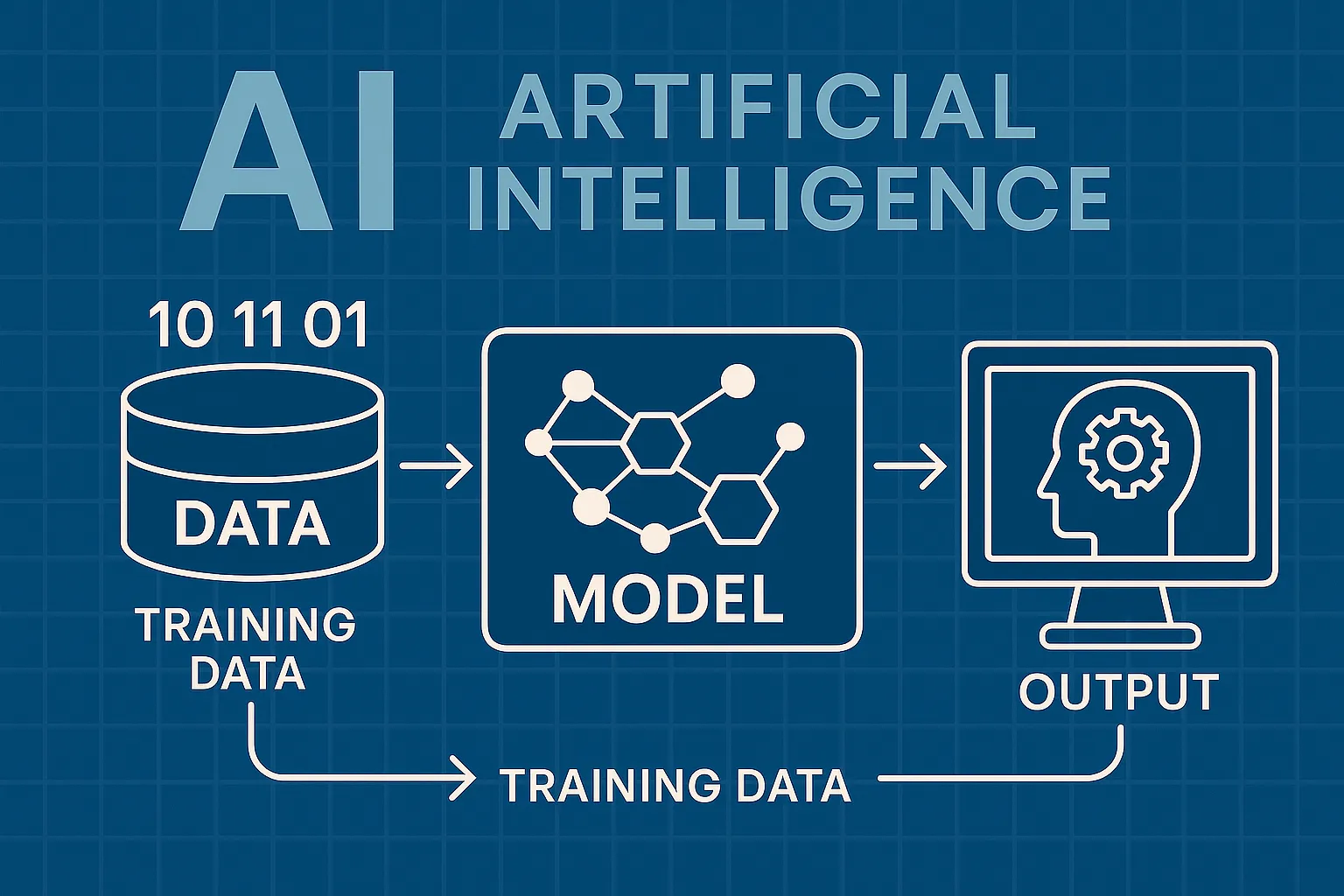
How AI Actually Works
Understand the basics of how AI systems learn, make decisions, and power tools like chatbots, image generators, and virtual assistants.

What Is Vibe Coding?
Discover the rise of vibe coding — an intuitive, aesthetic-first approach to building websites and digital experiences with help from AI tools.
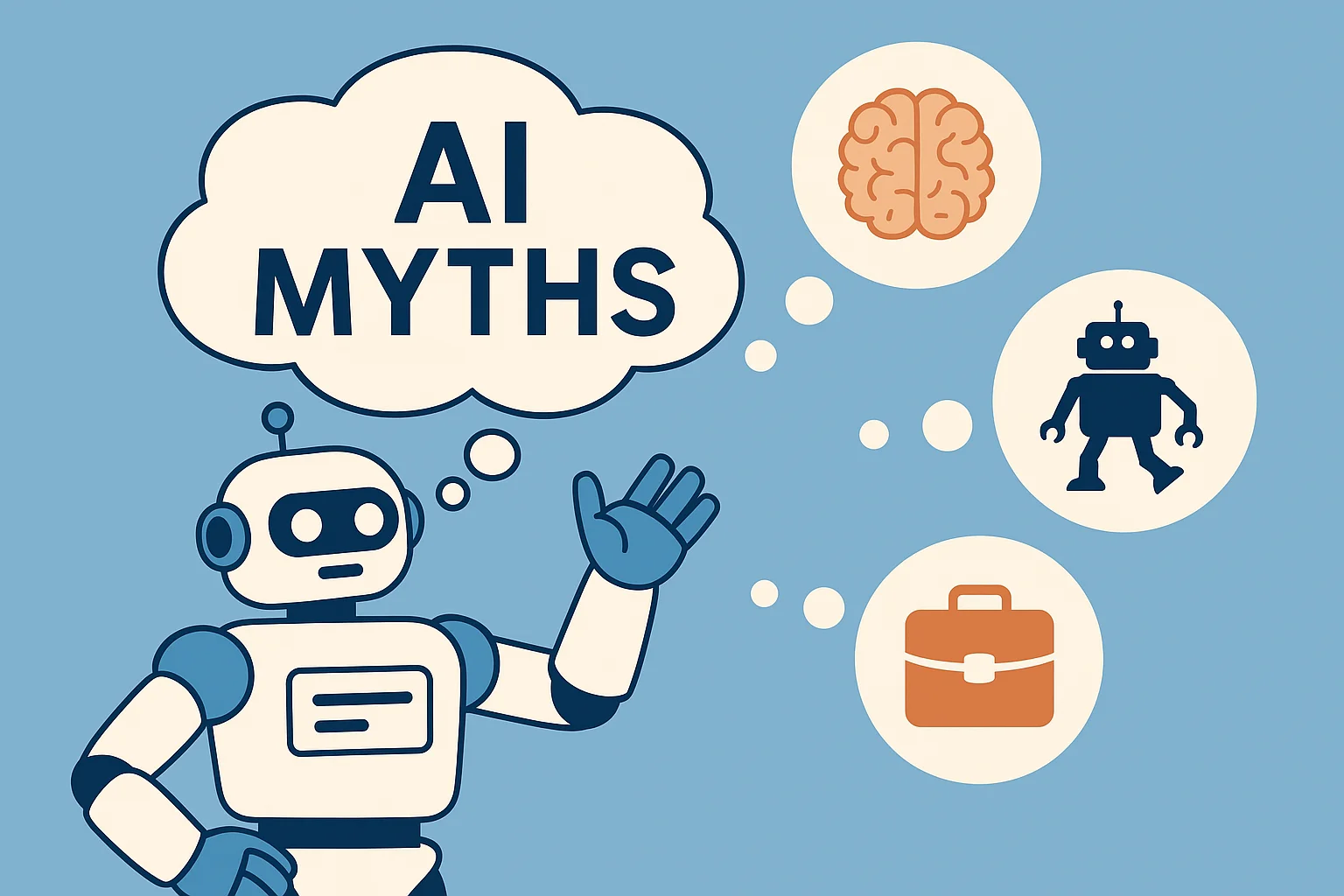
7 Common Myths About AI
Think AI is conscious, infallible, or coming for every job? This post debunks the most widespread misconceptions about artificial intelligence today.

The Future of AI
From generative agents to real-world robotics, discover how AI might reshape society, creativity, and communication in the years ahead.
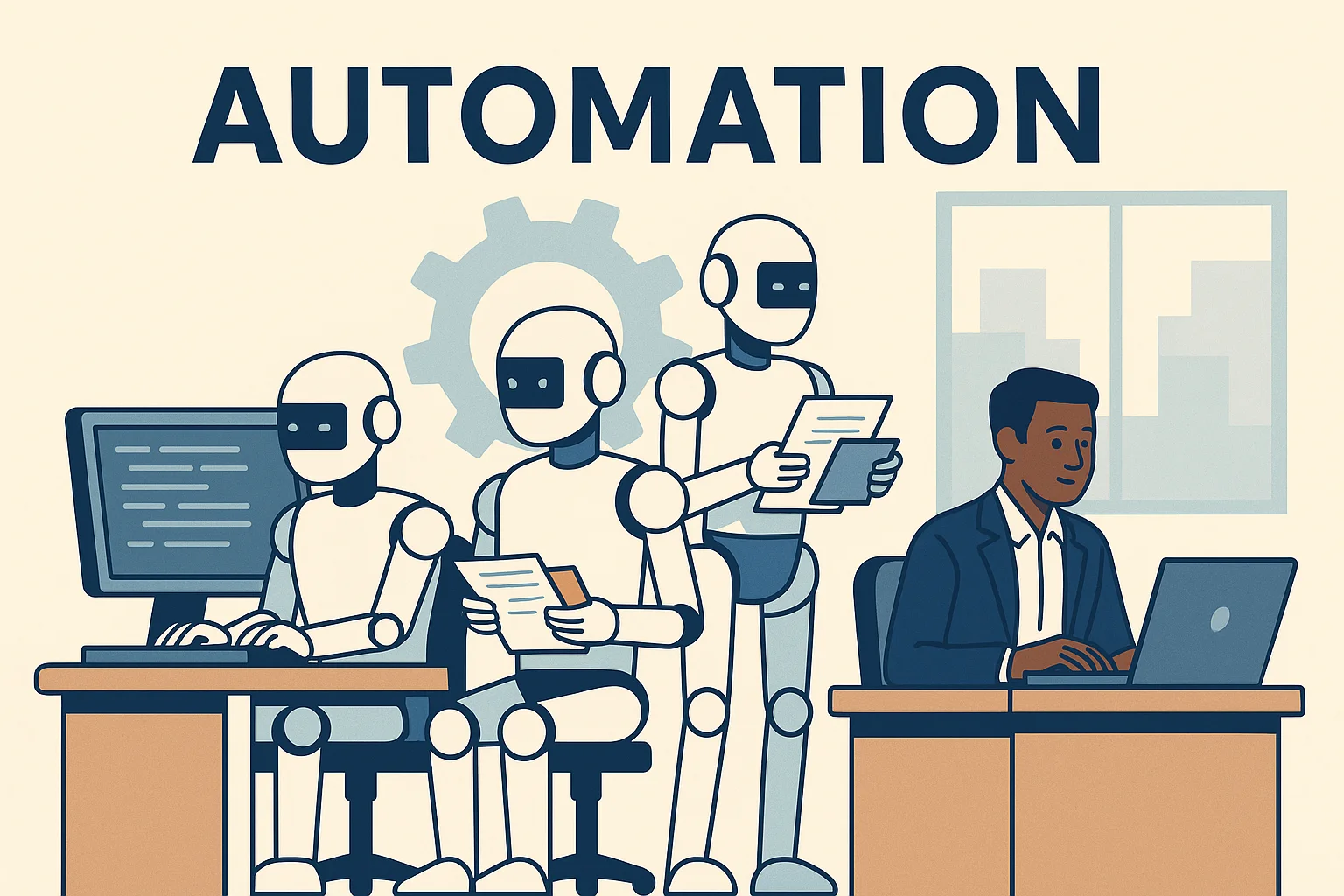
How AI Is Changing the Job Market
Will AI replace your job — or create new ones? Explore which careers are evolving, vanishing, or emerging in the AI-driven economy.

Common Issues with AI
Hallucinations, bias, privacy risks — learn about the most pressing problems in current AI systems and what causes them.