AI tools are redefining how students, teachers, and self-learners approach mathematics by offering smarter, faster, and more interactive ways to solve problems and grasp concepts. Whether you're reviewing algebra, tackling calculus, or analyzing complex equations, modern AI-powered platforms can provide instant solutions, step-by-step walkthroughs, and visual explanations tailored to your learning needs. These tools go beyond simply giving answers—they help build understanding through guided examples, conversational explanations, and adaptive learning techniques. Ideal for homework, test prep, or independent study, AI math assistants support learners at every level, from middle school to advanced university coursework. Many even offer mobile access, handwriting recognition, and graphing capabilities for dynamic, on-the-go learning. This page ranks the best AI tools for mathematics in February 2026, covering both free and paid options that deliver speed, accuracy, and real educational value. Whether you're stuck on a tricky problem or exploring new topics, these tools make mastering math more accessible and less intimidating.

Top Paid AI Tools for Math
| Rank | Tool | Best For | Price | Limits |
|---|---|---|---|---|
| #1 | Wolfram Alpha Pro | Symbolic math, logic, step-by-step | $9.99/month | Step-by-step locked on free tier |
| #2 | Symbolab Pro | Detailed math walkthroughs | $9.99/month | Full solution steps require Pro |
| #3 | Photomath Plus | Camera-based solving + learning aids | $9.99/month | Deep explanations + extras are paid |
| #4 | Mathway Premium | Fast answers + clean UI | $9.99/month | Step-by-step access requires Premium |
| #5 | Khanmigo (Learners & Parents) | Guided tutoring that teaches the “why” | $4/month | Not a CAS; focuses on tutoring workflows |
Wolfram Alpha Pro
Wolfram Alpha Pro is a powerhouse for anyone tackling symbolic mathematics, calculus, engineering math, or complex logic problems where precision matters. Unlike simple “answer-only” calculators, Wolfram’s strength is its computational engine: you can evaluate integrals and derivatives, solve systems of equations, manipulate matrices, explore probability distributions, and generate clean, shareable outputs. The Pro tier unlocks step-by-step solutions and richer result formats, which makes it significantly more useful for studying and verifying work instead of just checking final answers. It’s also excellent for deeper exploration—changing assumptions, testing alternate forms, and quickly comparing approaches without getting lost in manual algebra. If you want a reliable “math brain” that can handle advanced topics while still showing how it got there, Wolfram Alpha Pro remains one of the most trusted paid options in February 2026.
Symbolab Pro
Symbolab Pro is built for learners who want to understand the steps, not just see the result. It shines in algebra, calculus, trigonometry, and common university math workflows where students regularly get stuck mid-solution. With Pro, the platform expands into full step-by-step breakdowns, clear intermediate transformations, and structured reasoning that helps you spot exactly where your work diverged. It’s especially useful for homework review and test prep because the interface stays focused on the solving path—simplifying expressions, applying identities, factoring, and handling derivatives and integrals with readable formatting. Symbolab is also strong for quick “what’s the next step?” checks, which makes it great for self-learners and tutors working through practice sets. In February 2026, it remains one of the best paid tools for guided math walkthroughs at scale.
Photomath Plus
Photomath Plus turns your phone into a highly convenient math helper—especially when typing equations is annoying or when you’re working from a worksheet or textbook. The camera-first workflow makes it easy to scan printed problems, and many handwriting styles work well too. While the free version can provide answers, Photomath Plus adds the features that make it feel like a tutor rather than a scanner: deeper step-by-step explanations, more “how and why” guidance, and extra learning aids designed to reduce confusion (particularly for algebra through early calculus). It’s a strong choice for students who learn best visually or who want a quick way to validate homework before moving on. If your goal is fast input plus explanations you can actually follow, Photomath Plus is a standout paid option in February 2026.
Mathway Premium
Mathway Premium is a speed-focused math solver that covers a huge range of topics—from arithmetic and algebra to calculus, statistics, and beyond—while keeping the interface extremely straightforward. You can type problems in or capture them from a photo, then quickly jump to the full explanation once Premium is enabled. That “instant solution, then unlock the steps” workflow is ideal for busy students who need quick verification, or for anyone who wants a lightweight tool that doesn’t feel cluttered. Premium’s value is in the guided breakdowns: instead of only showing the final result, it provides a clear sequence of steps that can help you learn the method and build confidence. If you want a fast, general-purpose solver that’s easy to use on both desktop and mobile, Mathway remains a reliable paid pick in February 2026.
Khanmigo (Learners & Parents)
Khanmigo is a tutoring-first AI assistant designed to help learners build understanding instead of simply copying answers. That difference matters: for many students, the biggest challenge isn’t getting a result—it’s figuring out what concept applies, why a step is valid, and how to avoid repeating the same mistake next time. Khanmigo leans into that by guiding learners with questions, hints, and structured support that mirrors a good tutor’s approach. It pairs naturally with Khan Academy-style learning flows and works well for homework help, review sessions, and confidence-building practice. While it’s not a full computer algebra system (CAS) like Wolfram, it can be extremely effective for learning outcomes—especially when you want explanations that adapt to your confusion instead of blasting out a solution. In February 2026, it’s one of the strongest low-cost paid options for guided math tutoring.
Top Free AI Math Tools
| Rank | Tool | Best For | Limitations |
|---|---|---|---|
| #1 | ChatGPT (Free) | Explaining concepts and working through word problems | Not a dedicated CAS; verify final answers |
| #2 | Photomath | Scanning and solving math instantly | Deeper explanations are mostly paid |
| #3 | Desmos Graphing Calculator | Graphing, sliders, and visual math exploration | Not a step-by-step solver |
| #4 | GeoGebra Classic | All-in-one math suite (algebra, geometry, 3D) | Can feel complex for beginners |
| #5 | Khanmigo (Teachers) | Teacher support: lesson planning, feedback, scaffolding | Best features are educator-focused |
ChatGPT (Free)
ChatGPT (Free) is one of the most flexible tools for learning math because it can explain ideas in plain language, adapt to your questions, and walk through word problems step-by-step like a patient tutor. It’s especially helpful when you’re stuck conceptually—understanding what a derivative means, why a factoring trick works, how to translate a story problem into equations, or how to check your reasoning. You can also ask for multiple approaches (for example, solving a system using substitution versus elimination) and request extra practice problems with solutions to reinforce a topic. That said, ChatGPT isn’t a dedicated computer algebra system, so it’s best used for explanations, structured reasoning, and learning support—then paired with a CAS or graphing tool when you need guaranteed symbolic accuracy. Used thoughtfully, it can make math feel far less intimidating by clarifying the “why” behind each step.
Photomath
Photomath’s free version is still one of the fastest ways to check answers when you’re working from a worksheet, textbook, or handwritten notes. The scan-first input method removes friction—no tedious typing, no special formatting—and you get an instant solution that can help you confirm whether you’re on track. It supports many common topics across middle school and high school math, and it can be a lifesaver when you’re trying to validate multiple problems quickly. The main tradeoff is depth: while the free tier is useful for quick correctness checks, the richer step-by-step guidance and learning-focused explanations are primarily reserved for Photomath Plus. As a free companion tool, it’s excellent for speed and convenience, especially when you want immediate feedback before you move on.
Desmos Graphing Calculator
Desmos remains one of the best free tools for visualizing mathematics, and it pairs extremely well with AI tutors and solvers. Instead of focusing on step-by-step derivations, Desmos helps you “see” the math—plotting functions instantly, exploring transformations with sliders, graphing derivatives, modeling real-world data, and comparing multiple equations in the same coordinate plane. That visual feedback is incredibly useful for building intuition in algebra, precalculus, calculus, and statistics. It’s also ideal for checking whether a solution makes sense: you can graph both sides of an equation, inspect intersections, and quickly test alternative forms. Desmos is fast, clean, and widely used in classrooms, which makes it a practical choice for both independent learners and educators. If you want a free graphing tool that makes abstract ideas feel tangible, Desmos is hard to beat.
GeoGebra Classic
GeoGebra Classic is a powerful free math environment that combines graphing, algebra tools, geometry construction, spreadsheets, statistics, and even 3D math in one place. For many learners, it’s the best way to explore concepts interactively—constructing geometric proofs, experimenting with transformations, manipulating parameters, and connecting algebraic expressions to visual shapes. It’s especially strong for geometry and pre-calculus through calculus exploration because you can build objects, measure relationships, and immediately see how changes affect outcomes. The tradeoff is that GeoGebra can feel “feature-dense” at first, so beginners may want to start with simple tasks (like graphing and sliders) before moving into advanced constructions. If you want a free tool that supports deep conceptual learning—not just calculating answers—GeoGebra is one of the strongest options available in February 2026.
Khanmigo (Teachers)
Khanmigo for teachers is a free AI assistant built to support instruction—helping educators create lesson materials, generate practice problems, craft explanations, and provide scaffolding ideas that match student needs. Instead of acting like a generic chatbot, it’s designed around classroom workflows: planning, differentiation, and feedback. That makes it especially useful for math educators who want to save prep time while still delivering high-quality support to students. Teachers can use it to produce multiple versions of a problem set, write hints that guide students without giving everything away, and adapt explanations for different learning levels. While students and parents may prefer a learner-focused tutoring tier, this free educator version is a strong option for anyone teaching math and looking for structured, practical AI help in February 2026.
Rankings

Chatbots
AI chatbots have quickly evolved from simple assistants into powerful, multi-purpose tools used by millions of people every day...

Image Generators
AI image generators are revolutionizing the way creatives, marketers, and developers produce visual content by transforming text prompts into detailed, customized...

Writing Assistants
AI writing assistants have become indispensable tools for anyone who writes — from students and bloggers to business professionals and marketers...

Deepfake Detection
As deepfake technology becomes more advanced and accessible, detecting AI-manipulated content is now a critical challenge across journalism, education, law, and...

Productivity & Calendar
AI productivity and calendar tools have become essential for professionals, entrepreneurs, and students looking to make the most of their time without getting overwhelmed...
Natural Language To Code
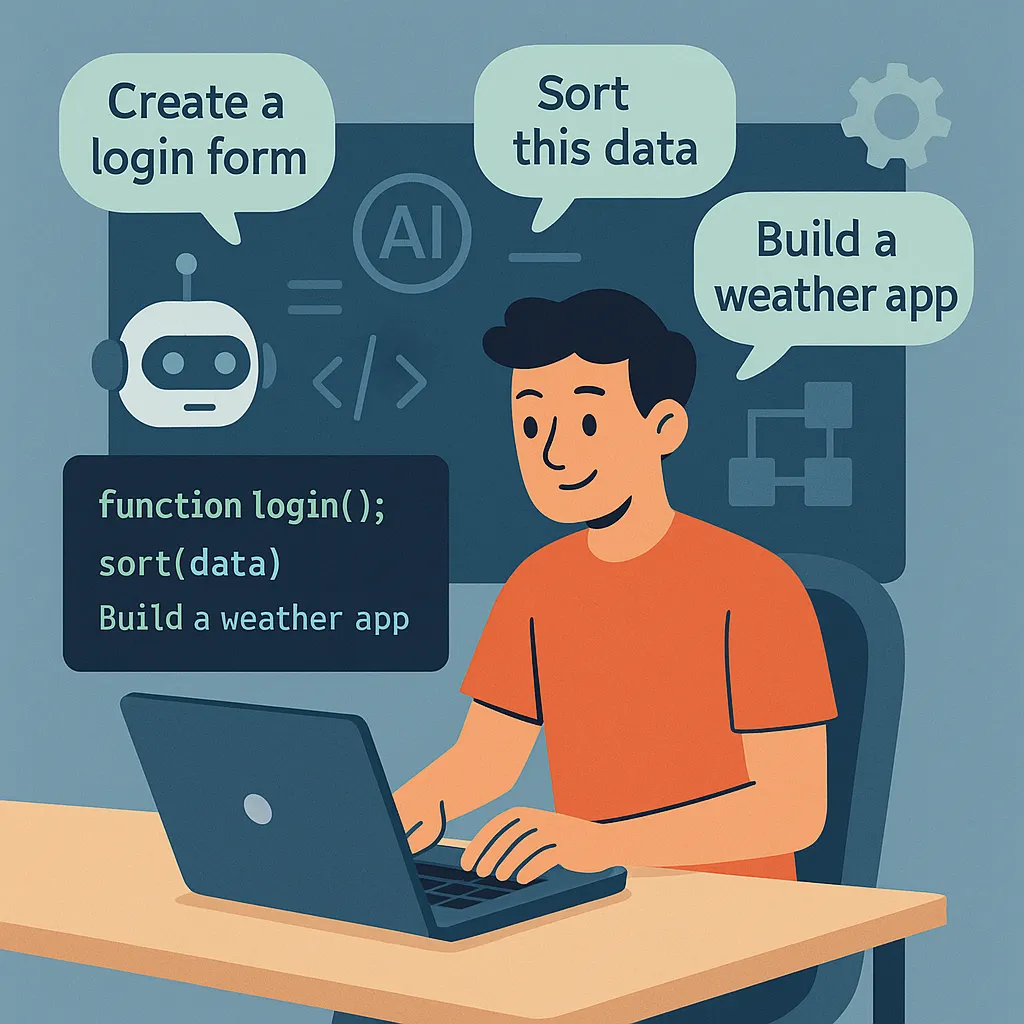
Natural language to code tools are transforming software development by enabling users to build apps, websites, and workflows without needing advanced programming...
Blog
How AI Actually Works
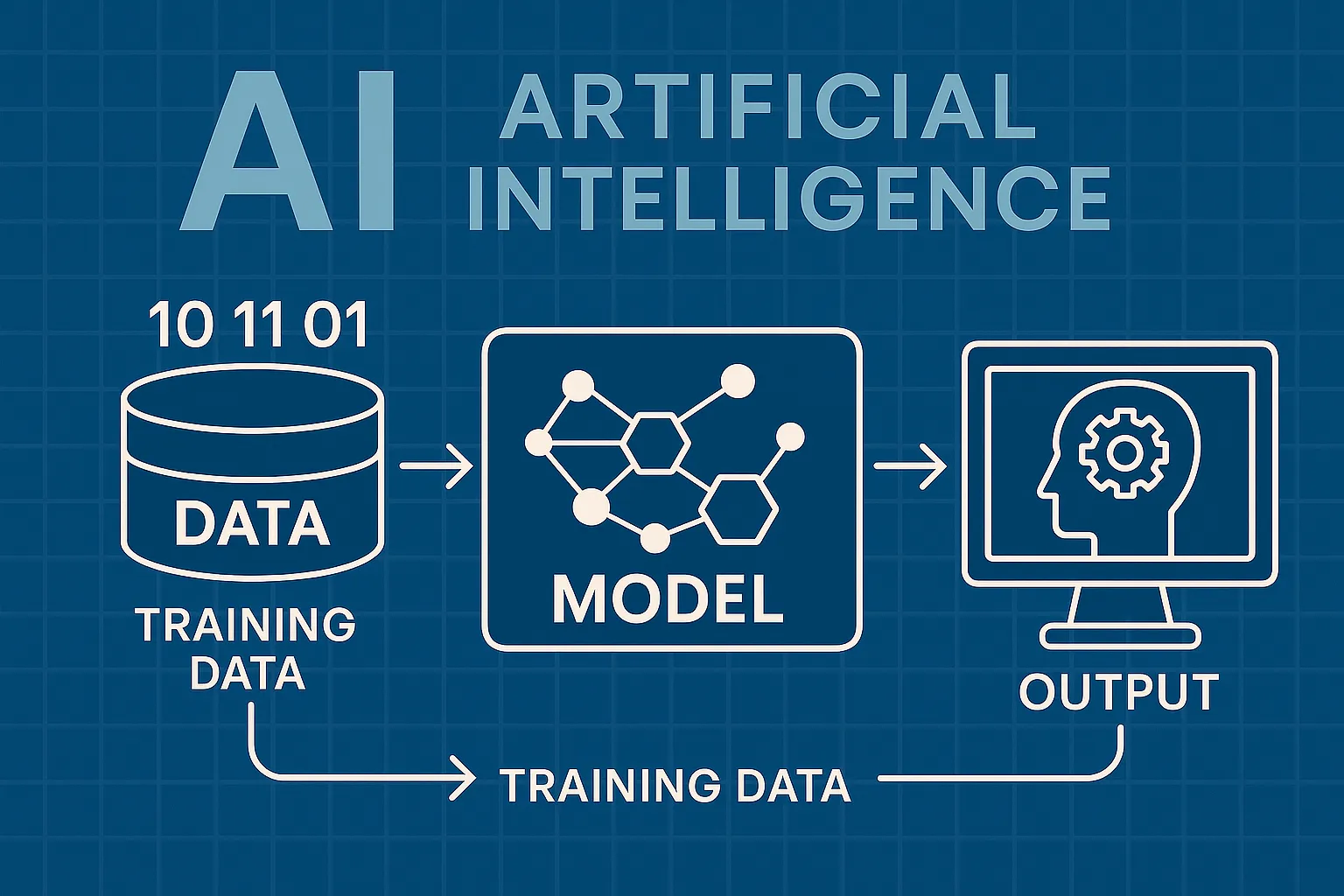
Understand the basics of how AI systems learn, make decisions, and power tools like chatbots, image generators, and virtual assistants.

What Is Vibe Coding?
Discover the rise of vibe coding — an intuitive, aesthetic-first approach to building websites and digital experiences with help from AI tools.

7 Common Myths About AI
Think AI is conscious, infallible, or coming for every job? This post debunks the most widespread misconceptions about artificial intelligence today.

The Future of AI
From generative agents to real-world robotics, discover how AI might reshape society, creativity, and communication in the years ahead.

How AI Is Changing the Job Market
Will AI replace your job — or create new ones? Explore which careers are evolving, vanishing, or emerging in the AI-driven economy.

Common Issues with AI
Hallucinations, bias, privacy risks — learn about the most pressing problems in current AI systems and what causes them.