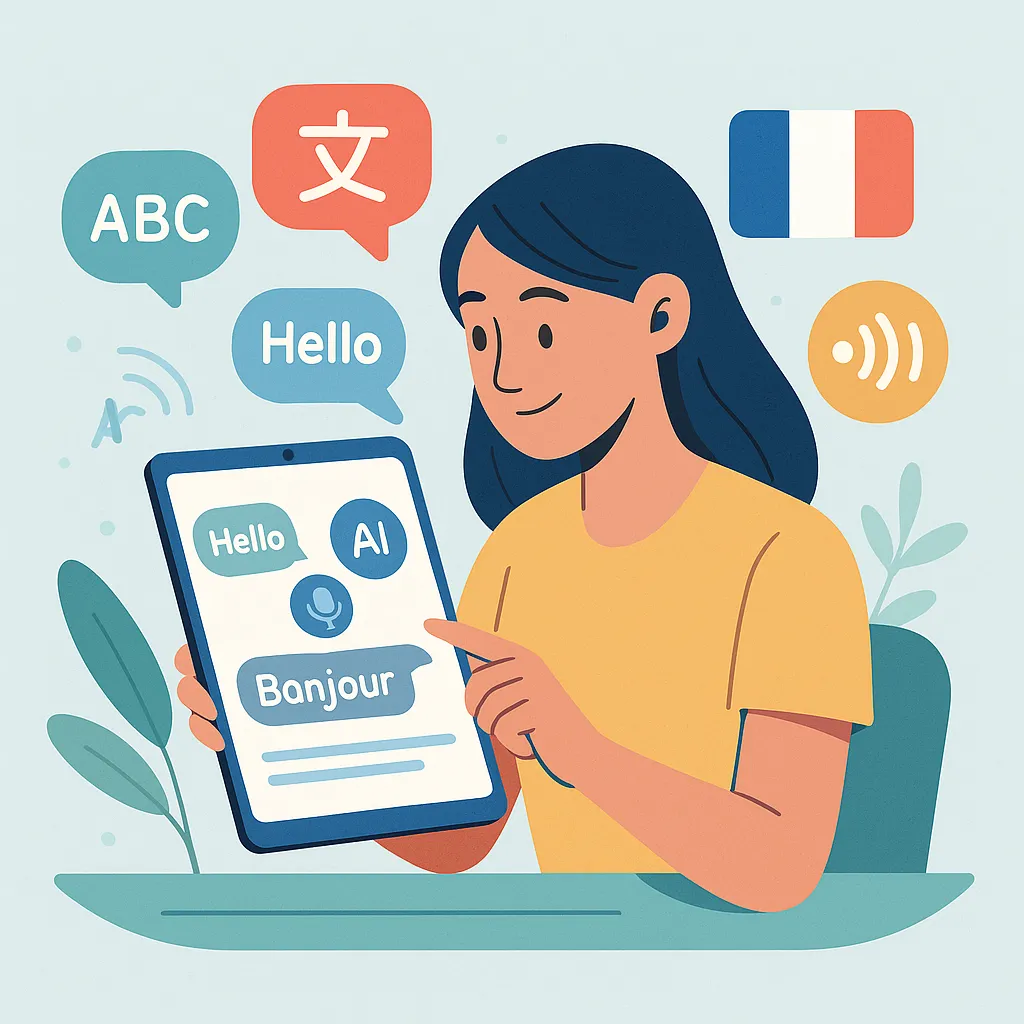
AI tools are transforming how people around the world learn new languages by making practice more immersive, personalized, and efficient. Whether you’re starting from scratch or aiming for fluency, modern AI-powered platforms can guide your journey with adaptive lessons, real-time feedback, and natural conversation practice. These tools leverage technologies like speech recognition, generative text, spaced repetition, and smart progress tracking to tailor learning experiences to your goals and pace. From improving pronunciation and grammar to building vocabulary and cultural fluency, AI offers a flexible and engaging way to master languages from anywhere. With options for both structured lessons and free-form dialogue, today’s solutions cater to visual, auditory, and interactive learners alike. On this page, we highlight the best AI language learning tools as of February 2026—comparing free and paid options based on effectiveness, user experience, and overall value. Explore how AI can help you speak more confidently, retain more vocabulary, and enjoy the language learning process like never before.
Top Paid AI Language Learning Tools
| Rank | Tool | Focus | Price | Strength |
|---|---|---|---|---|
| #1 | Duolingo Max | AI roleplay + explanations | Varies by region (in-app) | AI-powered speaking scenarios |
| #2 | Babbel | Structured lessons + review | From $17.95/month | Polished curriculum + smart review |
| #3 | Busuu Premium | Grammar + writing feedback | From $18.99/month (in-app) | AI feedback + community corrections |
| #4 | Speak | Speaking + pronunciation | $29.99/month | Instant spoken feedback |
| #5 | ELSA Speak | Accent + pronunciation coaching | From $13.33/month (annual) | Detailed pronunciation diagnostics |
Duolingo Max
Duolingo Max is the premium, AI-forward tier designed for learners who already like Duolingo’s gamified routine but want deeper help when they get stuck. Max adds AI-powered features such as interactive roleplay scenarios and richer explanations that help you understand why an answer is correct (or incorrect), instead of just repeating drills. This is especially useful for building “real-life” readiness: ordering food, asking directions, handling travel situations, and practicing short conversational turns without the pressure of speaking to a person. Max still benefits from Duolingo’s biggest advantage—consistency—because it turns language learning into a habit with quick daily sessions, streaks, and progress tracking. Pricing can vary by platform and region since it’s purchased in-app, but for many learners the upgrade is about getting better guidance and more speaking-style practice within an app they’ll actually use regularly.
Babbel
Babbel is a strong pick for learners who want a more traditional “course-like” experience that still uses modern personalization and review systems. Lessons are structured around practical dialogues, common situations, and progressive grammar—so you’re not just collecting random vocabulary, you’re learning how to form sentences that sound natural. Babbel’s review manager reinforces what you’ve learned using spaced repetition principles, helping you retain vocabulary and patterns long-term instead of cramming and forgetting. It’s also a good option for people who feel overwhelmed by purely open-ended chat practice and want clear direction, checkpoints, and a sense of leveling up through a curriculum. While it’s not positioned as a pure AI chatbot app, Babbel’s strength is combining guidance, high-quality lesson design, and consistent practice in a polished interface that works well for beginners and intermediate learners aiming for real conversation confidence.
Busuu Premium
Busuu Premium focuses on building a well-rounded foundation—vocabulary, grammar, reading, and writing—while adding helpful AI feedback loops that make practice feel more interactive. One of Busuu’s standout features is getting corrections and feedback (including from the community), which is valuable because you learn from real mistakes in real sentences rather than only selecting multiple-choice options. Busuu also supports structured learning paths so you can follow a course in a consistent sequence, which is ideal if you’re preparing for travel, school, or workplace communication. The Premium tier unlocks more lessons and features such as deeper grammar units and offline study, and pricing varies depending on where you subscribe (website vs. app stores). Overall, Busuu is best for learners who want guided progression but also want the “feedback layer” that turns passive studying into active improvement—especially for writing clarity and grammar accuracy.
Speak
Speak is built around one thing many learners struggle with most: actually speaking out loud. Instead of only reading or tapping answers, Speak pushes you into voice-based practice from the start, then gives instant feedback to help you correct pronunciation, pacing, and phrasing. This makes it especially effective for learners who can “understand” a language but freeze when it’s time to talk. The app’s AI tutor experience encourages repetition and fast iteration—say it, fix it, say it again—so improvements feel concrete and measurable. Speak also works well for confidence-building because you can practice unlimited times without social pressure, and you can focus on high-impact conversation patterns rather than overly academic content. If your goal is conversational fluency and you want an app that prioritizes real speaking time, Speak is one of the most direct ways to convert study hours into actual verbal ability.
ELSA Speak
ELSA Speak is one of the best specialized AI tools for pronunciation and accent training, especially for English learners who want to sound clearer and more natural. Instead of generic “good/bad” scoring, ELSA provides detailed feedback on specific sounds, stress, and intonation—helping you identify what you’re doing wrong and how to correct it. This is extremely useful for learners who feel their accent holds them back in interviews, school presentations, or professional communication. ELSA’s lessons include role-plays and real-time AI feedback, so you’re not just repeating words—you’re practicing speaking in realistic scenarios and getting targeted corrections as you go. It’s also ideal if you already study grammar and vocabulary elsewhere, but want a dedicated tool to sharpen pronunciation and speaking clarity. For learners who care about sounding confident, ELSA’s diagnostic approach can produce noticeable improvements faster than general-purpose apps.
Top Free AI Language Learning Tools
| Rank | Tool | Focus | Limitations | Strength |
|---|---|---|---|---|
| #1 | Duolingo (Free) | Daily lessons + gamification | Ads + limited depth in some courses | Habit-building + broad language support |
| #2 | ChatGPT (Free) | Conversation + explanations | Requires good prompts + self-direction | Custom tutor for any topic |
| #3 | DeepL Translator (Free) | Translation + phrasing | Not a full learning curriculum | Natural-sounding translations |
| #4 | Google Translate | Quick translation + pronunciation | Can miss nuance and context | Fast, accessible, and multilingual |
| #5 | Anki | Spaced repetition flashcards | Manual setup (AI is optional via add-ons) | Best-in-class long-term retention |
Duolingo (Free)
Duolingo’s free tier remains one of the easiest ways to start learning a language and stay consistent long enough to see real progress. The app’s biggest advantage is motivation: bite-sized lessons, streaks, rewards, and gentle difficulty scaling make it easier to practice every day instead of quitting after a week. Duolingo also covers a wide range of languages, and its lesson flow helps you build vocabulary and core sentence patterns through frequent repetition. While the free experience includes ads and some courses are lighter on deep grammar instruction, it’s still excellent for building a baseline and keeping your skills active. If you want a low-friction daily routine that improves reading comprehension, basic writing, and foundational vocabulary, Duolingo is one of the strongest free starting points—especially for beginners who need structure without feeling overwhelmed.
ChatGPT (Free)
ChatGPT is a flexible “make-your-own tutor” option that works especially well when you want practice that looks like real conversation. You can ask it to roleplay a café scenario, interview you in your target language, correct your writing, simplify explanations, or generate vocabulary lists based on your hobbies. It’s also great for active learning: you can paste something you wrote, request corrections, and then ask for short drills focused on the exact mistakes you made. The key limitation is that you have to guide it—your results depend on your prompts and how consistently you practice. But for learners who want personalized exercises that go beyond fixed lesson plans, ChatGPT can feel like an always-available study partner. It’s ideal for writing practice, reading comprehension, grammar explanations, and building confidence with everyday phrasing in almost any language.
DeepL Translator (Free)
DeepL is a powerful companion tool for learners who want translations that sound natural and help them understand how a language is actually used. Instead of only translating word-for-word, DeepL often produces phrasing that reads more like something a real person would write, which is extremely useful for learning tone, sentence structure, and more idiomatic expressions. For self-learners, DeepL can help you verify what you’re trying to say, compare alternative phrasings, and build a better intuition for how sentences “should” look in the target language. It doesn’t replace a full learning curriculum—there aren’t lessons or speaking drills—but it’s excellent for supporting writing, reading foreign articles, and checking your drafts before you practice them out loud. Used thoughtfully, DeepL can accelerate understanding and reduce frustration when you hit tricky sentence structures.
Google Translate
Google Translate remains one of the most convenient free tools for quick translations, pronunciation support, and everyday language “spot checks.” It’s especially helpful when you’re traveling, reading foreign websites, or trying to understand unfamiliar vocabulary fast—because the speed and accessibility are unmatched. For learners, it can also be used as a practice aid: type a sentence, translate it, then reverse-translate back to see how meaning changes, or listen to pronunciation for basic reinforcement. The main limitation is nuance—automatic translation can miss context, tone, and cultural phrasing, so it shouldn’t be your only source of truth when writing important messages. Still, as a free, always-available helper for comprehension and quick learning moments, Google Translate is a practical tool that pairs well with structured apps (like Duolingo or Babbel) and conversation practice (like ChatGPT).
Anki
Anki is the go-to system for serious learners who want vocabulary and grammar patterns to actually stick. Its spaced repetition algorithm schedules cards at the ideal time—right before you forget—so you retain information with far less total study time than traditional cramming. Anki doesn’t come with a built-in AI tutor, but its ecosystem supports add-ons and workflows that can incorporate AI for generating example sentences, creating cloze deletions, or drafting translations to review (depending on how you set it up). The tradeoff is effort: you’ll get the best results if you build decks carefully, use high-quality shared decks, or consistently add real phrases from content you consume (shows, books, articles). If your goal is long-term retention and you’re willing to customize your system, Anki can become the backbone of your language learning—supporting everything else you use.
Rankings
Chatbots
AI chatbots have quickly evolved from simple assistants into powerful, multi-purpose tools used by millions of people every day...

Image Generators
AI image generators are revolutionizing the way creatives, marketers, and developers produce visual content by transforming text prompts into detailed, customized...
Writing Assistants
AI writing assistants have become indispensable tools for anyone who writes — from students and bloggers to business professionals and marketers...
Deepfake Detection
As deepfake technology becomes more advanced and accessible, detecting AI-manipulated content is now a critical challenge across journalism, education, law, and...
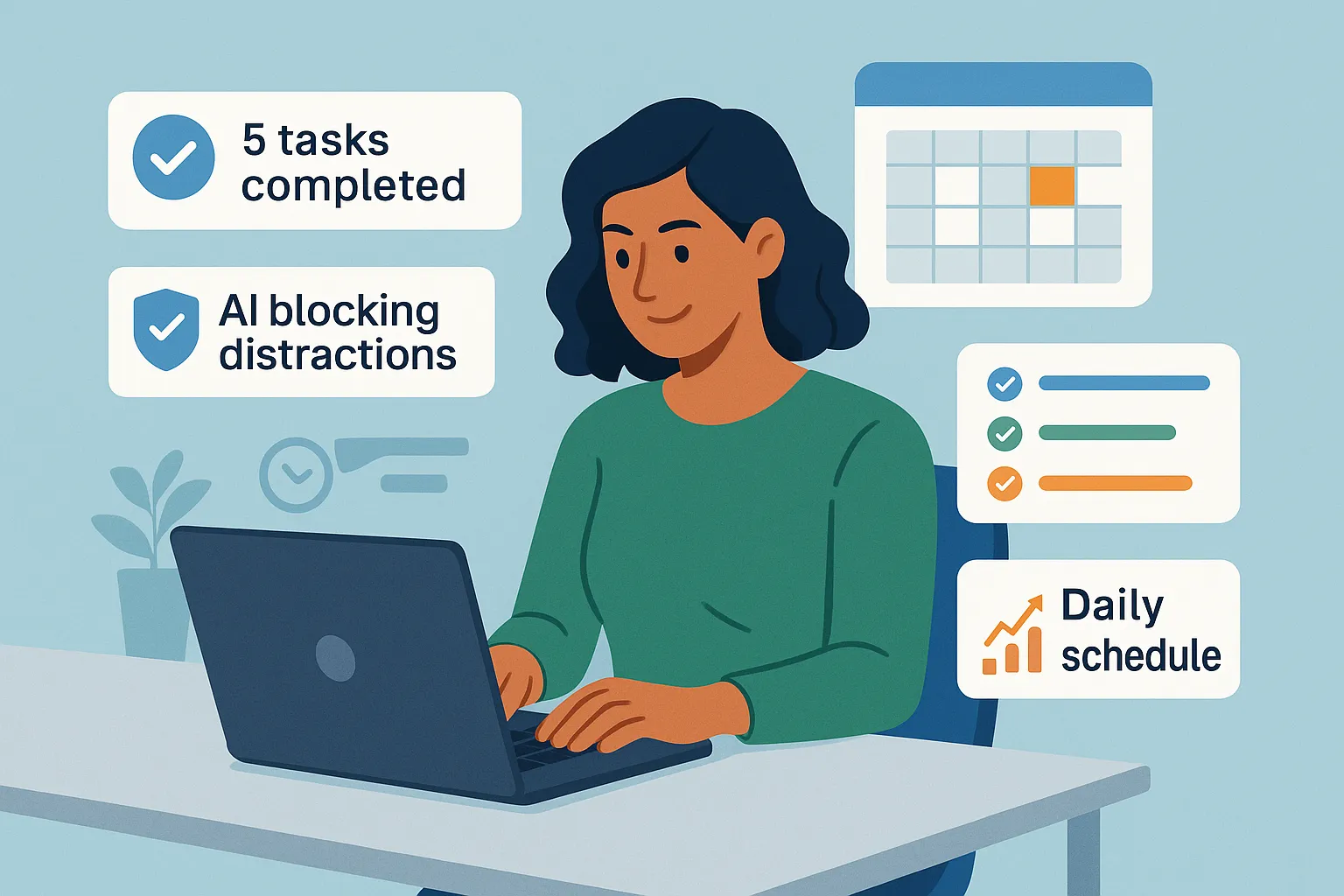
Productivity & Calendar
AI productivity and calendar tools have become essential for professionals, entrepreneurs, and students looking to make the most of their time without getting overwhelmed...
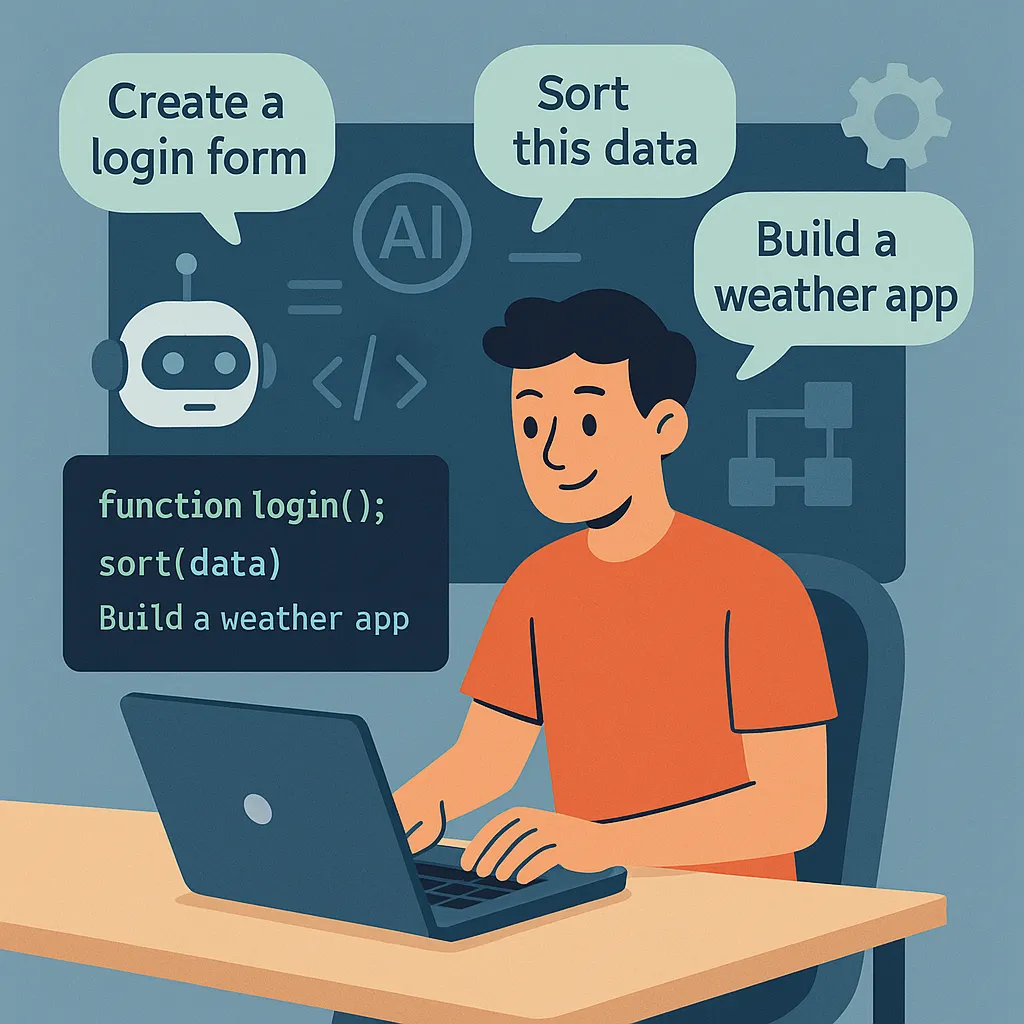
Natural Language To Code
Natural language to code tools are transforming software development by enabling users to build apps, websites, and workflows without needing advanced programming...
Blog
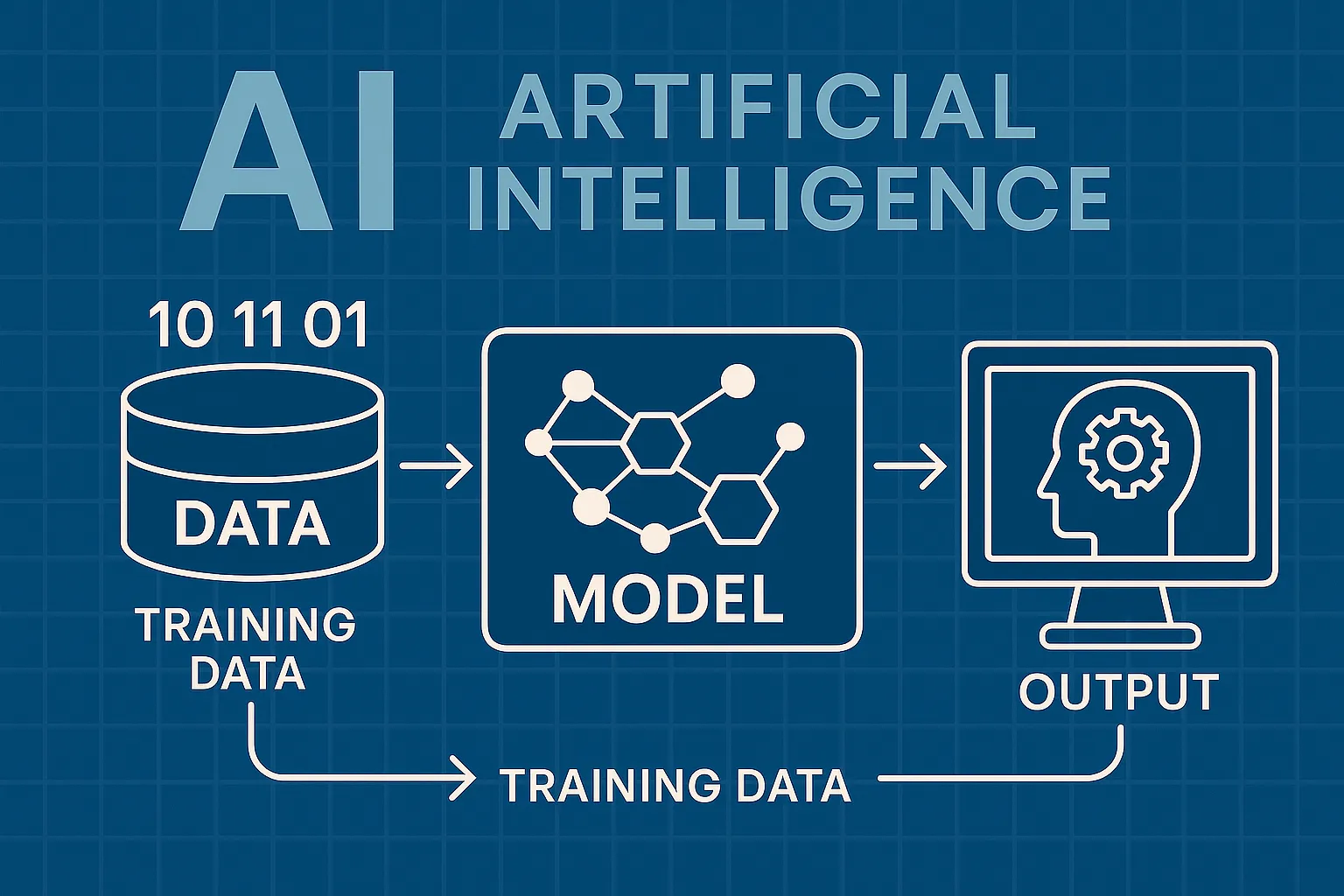
How AI Actually Works
Understand the basics of how AI systems learn, make decisions, and power tools like chatbots, image generators, and virtual assistants.

What Is Vibe Coding?
Discover the rise of vibe coding — an intuitive, aesthetic-first approach to building websites and digital experiences with help from AI tools.
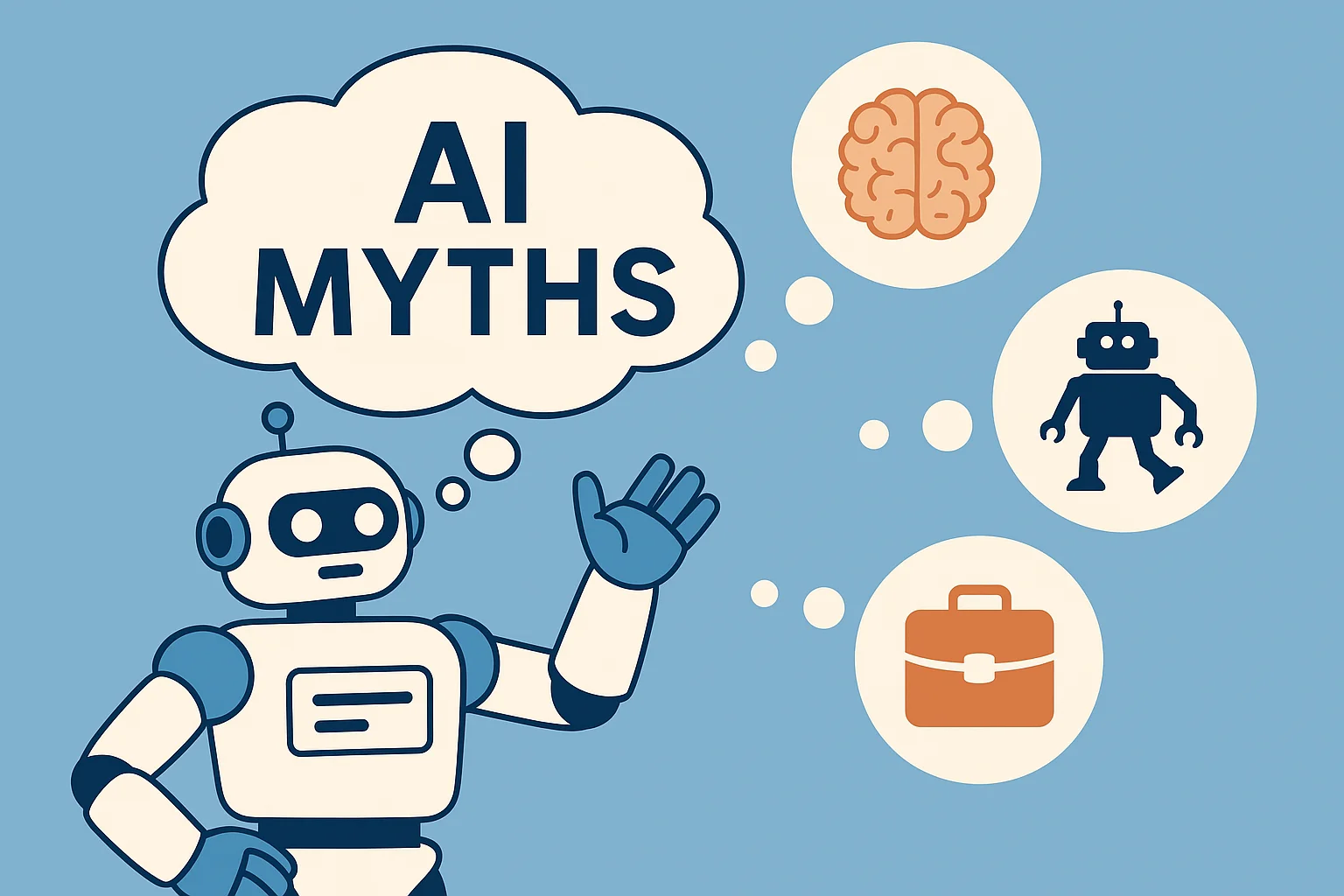
7 Common Myths About AI
Think AI is conscious, infallible, or coming for every job? This post debunks the most widespread misconceptions about artificial intelligence today.

The Future of AI
From generative agents to real-world robotics, discover how AI might reshape society, creativity, and communication in the years ahead.
How AI Is Changing the Job Market
Will AI replace your job — or create new ones? Explore which careers are evolving, vanishing, or emerging in the AI-driven economy.

Common Issues with AI
Hallucinations, bias, privacy risks — learn about the most pressing problems in current AI systems and what causes them.