AI tools are revolutionizing the investing landscape by empowering individuals and professionals with faster, smarter, and more data-driven decision-making capabilities. These platforms use artificial intelligence to automate technical analysis, surface undervalued stocks, generate personalized insights, and monitor global market sentiment in real time. Whether you're a long-term investor seeking fundamental insights or an active trader looking for pattern recognition and alert systems, AI is now central to optimizing strategy and reducing emotional bias. With capabilities like natural language queries, predictive analytics, and custom portfolio screening, AI helps turn vast financial data into actionable signals. On this page, you'll find the best AI tools for investors in 2026—both free and paid—ranked by their features, accessibility, and analytical power. Whether you manage your own portfolio or support clients as a financial professional, these tools can give you an edge in identifying trends, managing risk, and making more confident investment decisions in a rapidly evolving market.

Top Paid AI Tools for Investors
| Rank | Tool | Best For | Price | Limitations |
|---|---|---|---|---|
| #1 | TrendSpider | AI-driven technical analysis, alerts & strategy automation | $52–$145/month (annual billing; varies by tier) | Feature-rich platform with a learning curve |
| #2 | TradingView | Charting + AI pattern tools + custom indicator ecosystem | $12.95–$199.95/month (annual billing by plan) | Pro market data may cost extra; free tier is limited |
| #3 | Fiscal.ai | AI-powered fundamentals, filings, transcripts & dashboards | $39/month (Pro) or $199/month (Enterprise) | Usage limits scale by plan; pro workflows cost more |
| #4 | TIKR Terminal | Global fundamentals + valuation tools + idea screening | $17.95–$29.95/month (Plus/Pro) | Research-focused (not a broker); some datasets gated |
| #5 | AlphaSense | Professional due diligence with generative AI “deep research” | Contact sales (enterprise pricing) | Best suited to teams; pricing is overkill for most retail investors |
TrendSpider
TrendSpider is one of the strongest “AI-first” platforms for technical traders because it automates the time-consuming parts of chart work: drawing trendlines, identifying key levels, scanning multiple timeframes, and keeping you disciplined with systematic alerts. For active investors and swing traders, the big value is speed and consistency—TrendSpider helps reduce the “missed setup” problem by continuously monitoring markets and surfacing opportunities without you staring at charts all day. It also supports strategy testing and workflow automation so you can validate ideas before risking capital. In 2026, TrendSpider’s built-in AI assistant (“Sidekick”) adds a practical layer for explaining signals, summarizing what’s happening, and helping you sanity-check a thesis in plain language. If your investing style includes timing entries/exits, managing risk with alerts, or tracking multiple tickers across sectors, TrendSpider is an excellent paid upgrade once you outgrow basic charting tools.
TradingView
TradingView remains the go-to hub for investors who want powerful charts, broad asset coverage, and a massive ecosystem of indicators and strategies. Even if you’re not day trading, TradingView is extremely useful for higher-level decision-making: spotting regime shifts, confirming trends, visualizing support/resistance, and tracking relative strength across sectors. Its “Auto Chart Patterns” and technical alert system can function like a lightweight AI assistant—flagging common setups and changes in structure so you don’t have to do everything manually. The real differentiator is flexibility: you can use it casually with templates and watchlists, or go deep with custom scripts (Pine Script), advanced alerts, and multi-chart layouts. Paid plans are worth it when you need more alerts, more indicators, and cleaner workflows without constant limitations, especially if you follow many names across stocks, crypto, forex, or macro instruments.
Fiscal.ai
Fiscal.ai (formerly known as FinChat) is built for investors who want fundamentals and primary sources—financial statements, KPIs, estimates, filings, and earnings materials—without living in spreadsheets or bouncing between tabs. Instead of manually hunting through reports, you can use natural-language workflows to quickly understand a company, compare peers, and organize everything into dashboards and watchlists. This makes Fiscal.ai especially valuable for long-term investors who care about business quality, margins, unit economics, guidance, and changes over time. It’s also strong for “thesis maintenance”: keeping up with new transcripts, monitoring estimate revisions, and staying on top of the specific metrics that matter for your strategy. The paid tiers make sense if you do regular research and want deeper histories, more dashboards, and more “power user” workflow features—essentially an AI research terminal that’s priced for serious retail investors and finance professionals.
TIKR Terminal
TIKR is a research platform designed to give investors a high-signal view of fundamentals across global markets. It’s excellent for building a watchlist, evaluating valuation quickly, and comparing companies using consistent financial data. The best use case is idea generation and filtering: when you want to narrow thousands of stocks into a shortlist that matches your preferences (quality, growth, value, capital efficiency, balance sheet strength, etc.). For many investors, TIKR feels like a practical alternative to expensive institutional terminals—clean UI, lots of coverage, and tools that help you move from “interesting ticker” to “I understand the business” much faster. It doesn’t place trades and it isn’t meant to replace your broker, but it can dramatically improve the research layer of your investing process. If you’re building a long-term portfolio and want repeatable, fundamentals-first decision-making, TIKR is an easy recommendation.
AlphaSense
AlphaSense is a professional-grade market intelligence platform used for deep research, due diligence, and competitive analysis—especially in institutional workflows. The reason it’s relevant for “AI tools for investors” in 2026 is the way it combines massive content coverage with AI search and generative AI features designed to accelerate the research process. Instead of scanning hundreds of documents manually, you can quickly surface key information, summarize complex material, and build conviction faster. This is particularly valuable for analysts working with earnings materials, expert calls, market reports, and large internal knowledge sets. For most retail investors, AlphaSense will be too expensive and more than you need. But for finance professionals, consultants, or teams doing serious diligence, it’s one of the strongest options for transforming unstructured information into actionable insights—especially when time and accuracy matter.
Top Free AI Tools for Investors
| Rank | Tool | Best For | Limitations |
|---|---|---|---|
| #1 | Fiscal.ai (Free) | AI-assisted fundamentals + dashboards + quick company understanding | Free plan has smaller data windows and dashboard limits |
| #2 | TIKR Terminal (Free) | Free global fundamentals and screening to build a watchlist | More advanced datasets/tools require Plus/Pro |
| #3 | TradingView (Free) | Basic charting, ideas, and simple alerts for timing & trend confirmation | Fewer indicators/alerts; some features are paid-only |
| #4 | Perplexity | Fast market research and news context with citations | Not finance-native; always verify figures and recency |
| #5 | AlphaSpread (Free) | Quick valuation snapshots (DCF/multiples) and risk visuals | Free plan caps the number of stocks you can analyze weekly |
Fiscal.ai (Free)
Fiscal.ai’s free tier is one of the best starting points for “AI-assisted investing” because it helps you understand a company quickly without requiring a heavy workflow. You can use it to get a clean view of financials, track key KPIs, and organize your research into dashboards that match how you think (watchlists, themes, portfolios, or sector baskets). It’s especially helpful when you’re comparing multiple companies and want consistency—same layout, same metrics, faster pattern recognition. The free plan is naturally capped (shorter history windows, fewer dashboards/rows, fewer events), but it’s still strong enough to do real research and build a high-quality watchlist. For investors who want to reduce research friction and focus on decision-making, Fiscal.ai is a top free pick in 2026.
TIKR Terminal (Free)
TIKR’s free plan is ideal for fundamentals-focused investors who want global coverage without paying immediately. You can screen for ideas, review key financial statements, and compare valuation and performance across companies in a way that feels far more “professional” than most free finance sites. The free tier works well as your first-pass filter: identify candidates, build a shortlist, and eliminate weak businesses before you commit time to deeper diligence. If you’re disciplined about your process—screen → shortlist → deep dive—TIKR can significantly speed up the early stages of investing. When you hit data limits, the paid tiers become an optional upgrade, but the free version is genuinely useful on its own.
TradingView (Free)
The free version of TradingView is still a powerful companion for investors because chart clarity matters—even for long-term portfolios. Being able to quickly validate trends, identify key levels, and visualize drawdowns can improve entry timing and risk management without turning investing into “constant trading.” TradingView also gives you access to community ideas, watchlists, and a wide set of indicators, which is useful for exploring a thesis from different angles. The main limitation is capacity: fewer indicators per chart, fewer alerts, and fewer advanced features compared to paid plans. But as a free tool to keep you organized and visually grounded in price action, TradingView is a staple for many investors in 2026.
Perplexity
Perplexity is a strong “research accelerator” for investors because it can summarize topics quickly and provide citations, making it easier to verify sources. It’s useful for understanding a company’s business model, getting up to speed on an industry, tracking macro themes, or identifying the key drivers behind recent news. While it isn’t a dedicated investing terminal, it pairs well with fundamentals tools: use Fiscal.ai or TIKR for numbers and statements, then use Perplexity to gather context, catalysts, and competitive landscape information faster. The trade-off is that web-based summaries can lag reality or miss nuance, so you still want to confirm important details with primary sources (filings, earnings call transcripts, investor presentations) before making decisions.
AlphaSpread (Free)
AlphaSpread is a valuation-focused platform that helps investors quickly translate financial data into an “is it expensive or cheap?” snapshot. The free tier is great for early diligence: sanity-checking market expectations, comparing multiples versus history and peers, and exploring intrinsic value ranges using simplified DCF-style assumptions. This is especially helpful if you’re building a watchlist and want to avoid obvious overvaluation traps—or if you want to find names where market pricing looks disconnected from fundamentals. The free plan does limit how many stocks you can analyze per week, so it works best as a targeted tool: use it on your shortlist, not on everything. For value-minded investors, it’s a high-impact free addition to your stack.
Rankings

Chatbots
AI chatbots have quickly evolved from simple assistants into powerful, multi-purpose tools used by millions of people every day...

Image Generators
AI image generators are revolutionizing the way creatives, marketers, and developers produce visual content by transforming text prompts into detailed, customized...

Writing Assistants
AI writing assistants have become indispensable tools for anyone who writes — from students and bloggers to business professionals and marketers...

Deepfake Detection
As deepfake technology becomes more advanced and accessible, detecting AI-manipulated content is now a critical challenge across journalism, education, law, and...

Productivity & Calendar
AI productivity and calendar tools have become essential for professionals, entrepreneurs, and students looking to make the most of their time without getting overwhelmed...
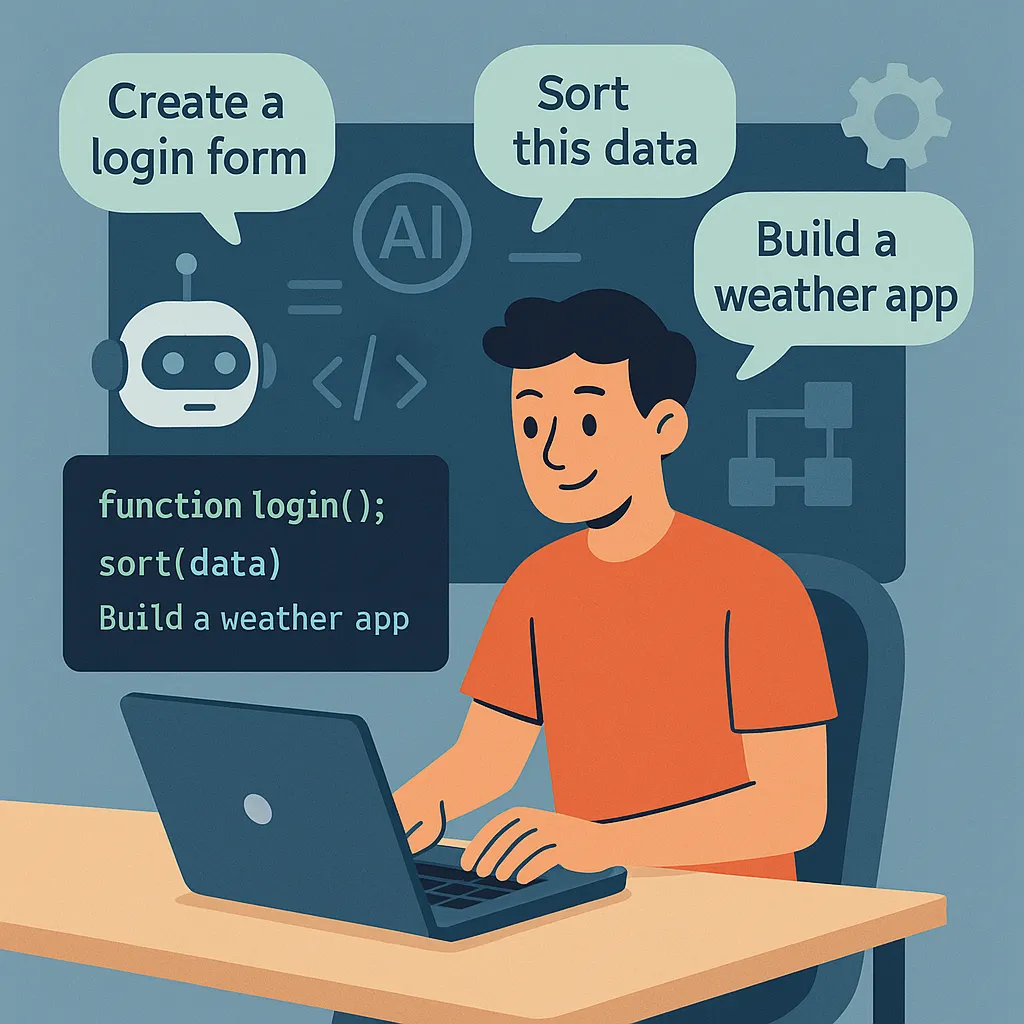
Natural Language To Code
Natural language to code tools are transforming software development by enabling users to build apps, websites, and workflows without needing advanced programming...
Blog
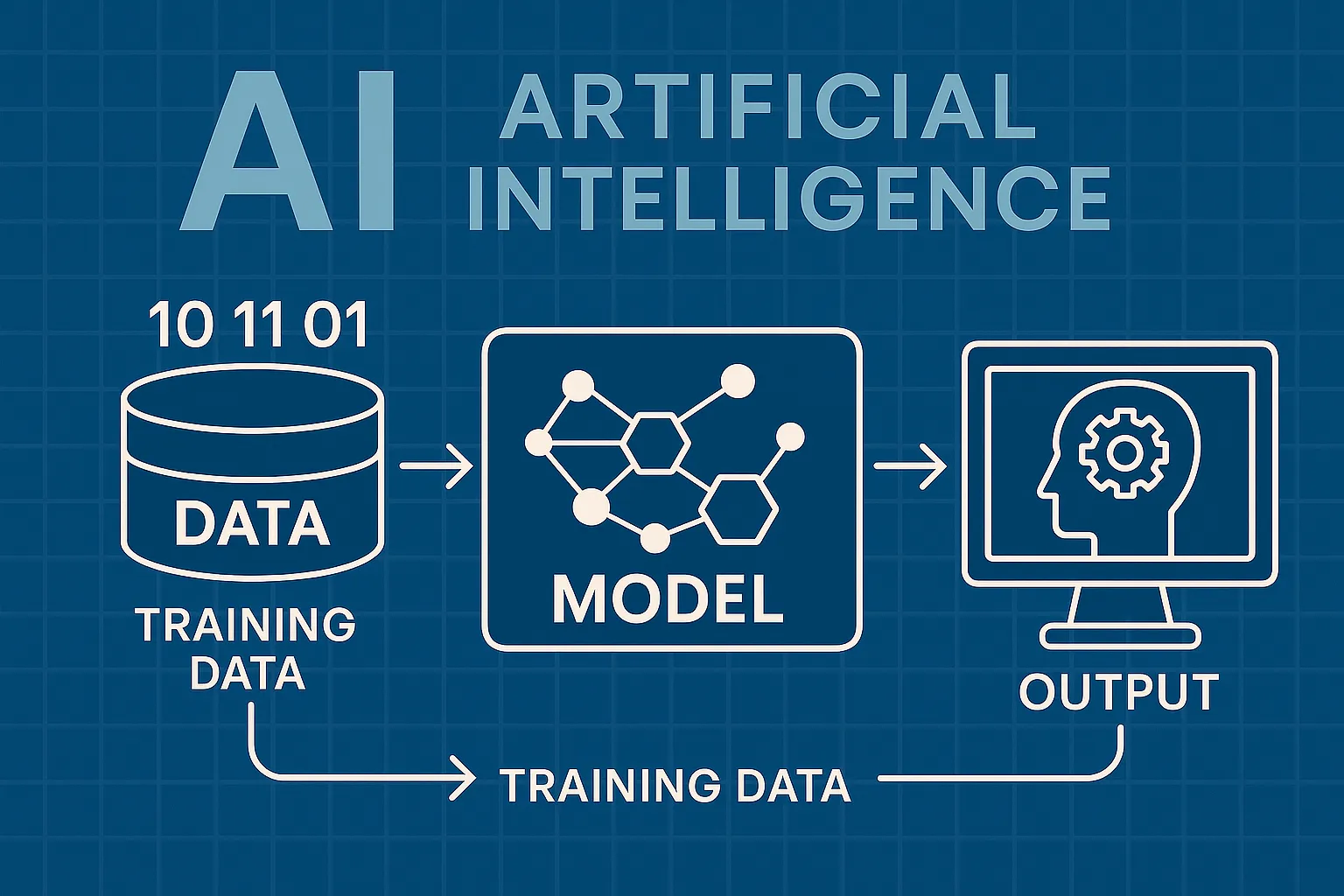
How AI Actually Works
Understand the basics of how AI systems learn, make decisions, and power tools like chatbots, image generators, and virtual assistants.

What Is Vibe Coding?
Discover the rise of vibe coding — an intuitive, aesthetic-first approach to building websites and digital experiences with help from AI tools.

7 Common Myths About AI
Think AI is conscious, infallible, or coming for every job? This post debunks the most widespread misconceptions about artificial intelligence today.

The Future of AI
From generative agents to real-world robotics, discover how AI might reshape society, creativity, and communication in the years ahead.
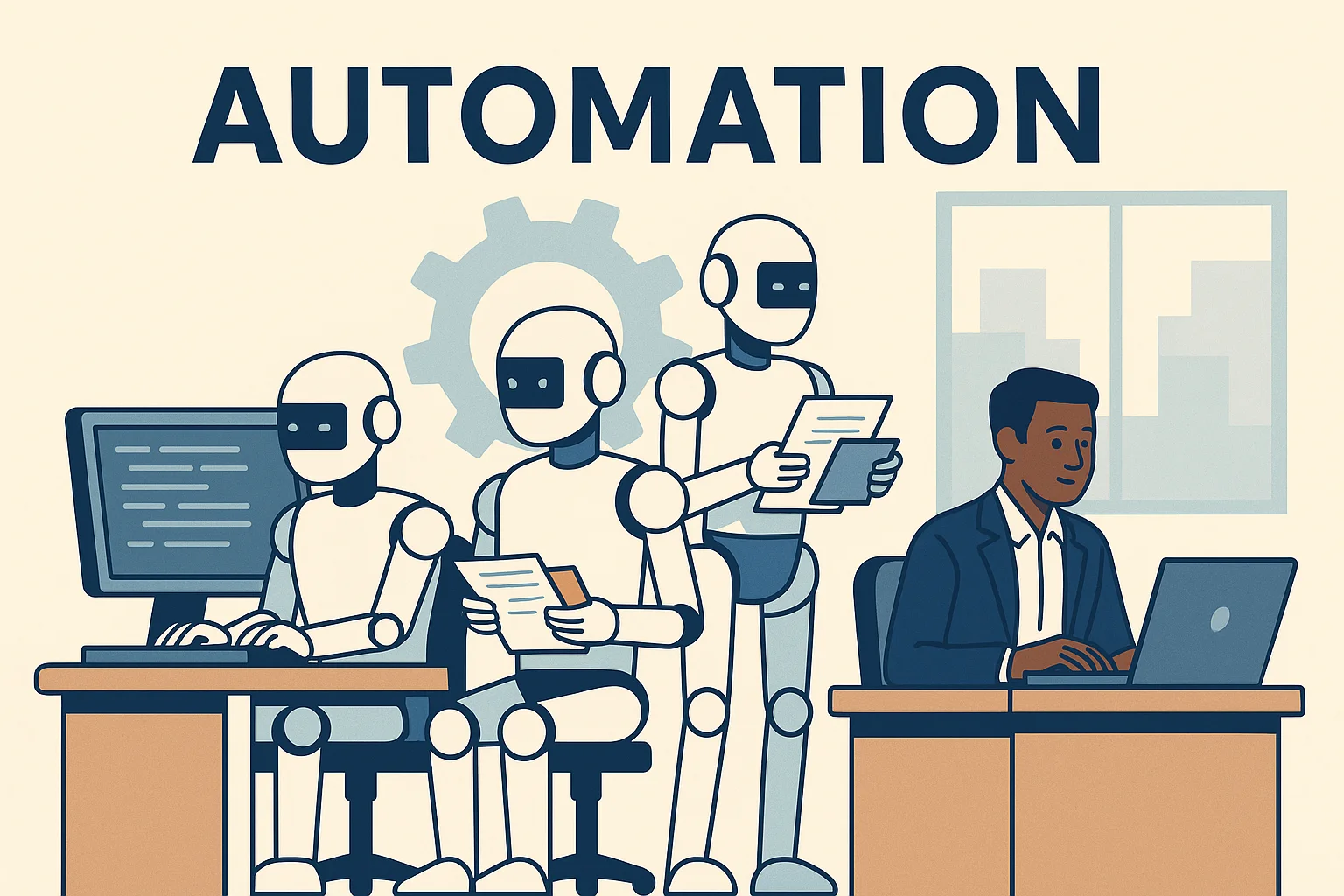
How AI Is Changing the Job Market
Will AI replace your job — or create new ones? Explore which careers are evolving, vanishing, or emerging in the AI-driven economy.

Common Issues with AI
Hallucinations, bias, privacy risks — learn about the most pressing problems in current AI systems and what causes them.