AI image generators are revolutionizing the way creatives, marketers, and developers produce visual content by transforming text prompts into detailed, customized images in seconds. From surreal concept art and product mockups to realistic portraits and crisp illustrations, these tools deliver powerful generative capabilities that were once exclusive to professional studios. In February 2026, the best platforms go beyond simple “text-to-image” by adding practical controls for style, aspect ratio, typography, subject consistency, and in-editor refinement—so you can iterate quickly without switching apps. Many also include smart editing features like background replacement, object removal, generative fill/expand, and versioning, making them useful for social campaigns, website graphics, game assets, thumbnails, and rapid prototyping. This page highlights the top AI image generators available in 2026, comparing both free and paid options based on image quality, usability, model variety, speed, and output flexibility. Whether you're an artist exploring new looks, a designer building brand-ready visuals, or a business needing fast, high-quality creative at scale, these tools offer a reliable way to create compelling images with ease.
Best Paid AI Image Generators
| Rank | Tool | Strength | Price | Limits |
|---|---|---|---|---|
| #1 | Midjourney | Best for premium aesthetics & art direction | $10–$120/month (plan-based) | Plan-based fast time / queue priority |
| #2 | Adobe Firefly | Best for commercial design workflows & generative editing | Firefly/Creative Cloud plans (varies) | Generative credits (monthly allocations) |
| #3 | Ideogram | Best for clean text-in-image and poster-style graphics | $8–$60/month (plan-based) | Credits/priority generations per plan |
| #4 | ChatGPT (Image Generation) | Best for “describe → iterate” conversational creation & edits | $20+/month (plan-based) | Usage caps vary by tier and demand |
| #5 | Krea | Best for fast multi-model generation + real-time creative control | $10–$35/month (plan-based) | Compute units / feature access by plan |
Midjourney
Midjourney remains the go-to choice for creators who care most about visual “taste” — the kind of cohesive lighting, composition, and stylized polish that makes outputs feel art-directed instead of purely generated. It excels at cinematic concept art, surreal illustration, fashion/editorial looks, and richly textured scenes where mood and artistry matter. Most workflows revolve around fast iteration: generate strong candidates, remix variations, and refine details until the image matches your intent. Midjourney’s strength is less about being an all-purpose editor and more about delivering consistently beautiful results with minimal prompt engineering, especially once you learn a few repeatable prompt patterns. For designers, it’s also a reliable idea machine: mood boards, product styling exploration, character/scene concepts, and branded visual directions can all be produced quickly and then finalized in standard design tools. If your priority is “best-looking images most often,” Midjourney is still the benchmark paid option in 2026.
Adobe Firefly
Adobe Firefly is the most practical choice when AI images are part of a larger production pipeline — especially for marketers, designers, and teams already using Adobe’s ecosystem. Firefly focuses heavily on professional workflows: generating usable assets, applying style variants, and performing fast edits like generative fill, expand, background replacement, and design-safe iterations that plug into tools like Photoshop and Adobe Express. Instead of treating AI as a separate “toy,” Firefly positions generation and editing as steps inside a typical creative process: start with a prompt, refine composition, then polish with familiar layers and typography tools. The generative credit model makes it straightforward to manage usage across projects, and it’s particularly valuable when you need repeatable, brand-aligned visuals rather than one-off art experiments. If you’re building ads, landing page imagery, social creative, or template-based design at scale, Firefly is one of the most reliable paid options in February 2026.
Ideogram
Ideogram stands out in 2026 for one key reason: it’s consistently strong at generating readable, well-placed text inside images — something many generators still struggle with. That makes it perfect for poster-style graphics, product mockups with labels, social tiles with headlines, simple logo-like compositions, and any visual where typography needs to look intentional rather than “AI gibberish.” Ideogram is also excellent for clean, design-forward compositions: flat graphic styles, editorial layouts, sign-like visuals, and modern marketing imagery with clear focal points. For creators building thumbnails, ads, carousel graphics, or quick brand concepts, Ideogram can reduce the back-and-forth you’d normally spend fixing text in Photoshop. Paid tiers add more speed, higher priority generation, and more consistent output—ideal if you generate a lot of variations for campaigns or content calendars. If text accuracy and “graphic design readiness” matter, Ideogram is one of the best paid picks right now.
ChatGPT (Image Generation)
ChatGPT’s image generation experience is ideal for people who want a conversational, iterative workflow instead of a complex control panel. You can describe what you want in plain language, evaluate the result, then refine with short follow-ups like “make the background warmer,” “change the camera angle,” “remove the extra objects,” or “give me three versions in different styles.” This back-and-forth is especially useful for marketing teams, educators, and solo creators who want speed and clarity more than deep technical tuning. It also shines when you’re designing visuals that require specificity: diagrams, simple UI mockups, labeled graphics, branded concepts, or images that must match written requirements. Because it’s inside a general assistant, it’s great for end-to-end creation: you can generate the copy, brainstorm the concept, and produce the image in the same session without context switching. For creators who value “prompt → feedback → improvement” as a single smooth flow, ChatGPT is one of the most convenient paid options in February 2026.
Krea
Krea has grown into a strong power-user platform by focusing on speed, flexibility, and creative control — especially for people who like experimenting across multiple models and styles in one place. It’s a great fit if you want rapid iteration, clean upscaling/enhancement, and a more “hands-on” feel for steering composition and look. Krea is often used for practical creative tasks like concept exploration, style matching, refining rough ideas into polished assets, and producing batches of variations for thumbnails, backgrounds, character concepts, or product visuals. A major advantage is workflow efficiency: you can generate, guide, and enhance without bouncing between separate sites and tools, which matters when you’re producing volume content. Paid plans typically unlock higher throughput and better performance, making it appealing for creators running tight schedules or agencies generating assets for clients. If you want a fast, modern studio that prioritizes iteration and control, Krea is a top-tier paid pick for 2026.
Best Free AI Image Generators
| Rank | Tool | Strength | Limitations |
|---|---|---|---|
| #1 | Bing Image Creator | High-quality generations with a simple, mainstream interface | Boosts/priority generations are limited |
| #2 | Ideogram (Free) | Best free option for readable text in images | Lower priority speeds and fewer credits |
| #3 | Leonardo.Ai (Free Tier) | Feature-rich studio for assets, styles, and variations | Daily token/credit limits; peak-time queues |
| #4 | Canva AI Image Generator | Fast image creation inside a full design editor | Free tier generation limits; some exports/features gated |
| #5 | Playground AI | All-in-one creative studio with generation + editing | Free usage caps; some models/features require upgrade |
Bing Image Creator
Bing Image Creator remains one of the easiest ways to get surprisingly strong AI images for free, especially if you want a mainstream, low-friction tool that works quickly without a complex setup. The experience is straightforward: type a prompt, generate multiple options, then iterate with small prompt tweaks to steer style, lighting, and composition. For everyday creators — bloggers, social media managers, students, and small businesses — Bing is a dependable “first stop” for thumbnails, illustrations, simple product mockups, and social visuals. It’s particularly useful when you need decent quality fast and don’t want to think about model settings, samplers, or advanced controls. Like most free tools, the main tradeoff is speed and priority: you’ll typically have a limited number of boosts or high-priority generations, and non-boosted requests can take longer during busy periods. Still, for a free option that reliably produces usable images, Bing Image Creator is hard to beat in 2026.
Ideogram (Free)
Ideogram’s free tier is the best “design utility” pick for anyone who needs text inside images that actually looks intentional and readable. Even without paying, you can create poster-like graphics, simple ads, headline tiles, label-style mockups, and social cards where typography matters. This makes Ideogram especially valuable for creators building YouTube thumbnails, quote graphics, promo banners, or quick branding experiments — tasks that are usually annoying to fix after generation. The interface encourages iteration, so you can run a few variations until spacing, alignment, and the overall layout feel right. The primary limitation is throughput: free accounts generally have fewer credits and lower priority in the queue, so you may need patience at peak times. If you care about legible text and clean “ready-to-post” graphic outputs, Ideogram is one of the smartest free tools to keep bookmarked in February 2026.
Leonardo.Ai (Free Tier)
Leonardo.Ai is one of the most full-featured free tiers available because it feels like a real creative studio rather than a single-purpose generator. It’s popular with game devs, concept artists, and creators who want to generate consistent assets (characters, props, environments), explore style presets, and iterate through variations quickly. The UI is designed for production: browsing past generations, reusing prompts, remixing strong outputs, and managing projects without losing track of what worked. Leonardo also tends to shine when you want “usable assets” instead of just pretty images — things like icon-like illustrations, background plates, character concepts, and stylized packs that can be refined later. The limitation is credit-based: free usage typically comes with daily tokens or generation caps, and queues can slow down at high demand. For creators who want strong features without paying upfront, Leonardo is an excellent free-tier workhorse in 2026.
Canva AI Image Generator
Canva’s AI Image Generator is the most convenient free option for people who don’t just want an image — they want a finished design. Because it lives inside Canva’s editor, you can generate a visual, drop it into a layout, add text, adjust spacing, apply brand colors, and export in the exact dimensions you need for social posts, blog headers, ads, or presentations. This “generate + design” workflow is a huge time saver for non-designers and marketers who care about speed and consistency more than deep technical control. Canva is also a strong choice for teams because it supports template-based output: you can generate several images, choose the best one, and reuse the same layout across multiple platforms. The free plan typically has limits on how many AI generations you can run, and some premium assets/features may be gated, but as a free on-ramp to practical content creation, Canva is one of the best picks in February 2026.
Playground AI
Playground AI is ideal if you want an all-in-one place to generate images and then immediately refine them with simple editing tools. Instead of treating generation as a one-and-done output, Playground encourages iteration and creative control: generate a base concept, adjust the look, refine details, and keep improving until the result is usable. This makes it especially helpful for content creators producing lots of thumbnails, background art, simple mockups, and social graphics where “good enough fast” is more important than perfect artistry. Playground is also approachable for beginners because it doesn’t overwhelm you with technical settings, but still offers enough structure to help you steer style and consistency. Like most free platforms, you’ll run into usage caps and some advanced models or higher throughput may require upgrading. Still, as a free creative studio that combines generation and practical editing, Playground AI remains a strong option for everyday creators in 2026.
Rankings

Chatbots
AI chatbots have quickly evolved from simple assistants into powerful, multi-purpose tools used by millions of people every day...
Image Generators
AI image generators are revolutionizing the way creatives, marketers, and developers produce visual content by transforming text prompts into detailed, customized...
Writing Assistants
AI writing assistants have become indispensable tools for anyone who writes — from students and bloggers to business professionals and marketers...

Deepfake Detection
As deepfake technology becomes more advanced and accessible, detecting AI-manipulated content is now a critical challenge across journalism, education, law, and...
Productivity & Calendar
AI productivity and calendar tools have become essential for professionals, entrepreneurs, and students looking to make the most of their time without getting overwhelmed...
Natural Language To Code
Natural language to code tools are transforming software development by enabling users to build apps, websites, and workflows without needing advanced programming...
Blog
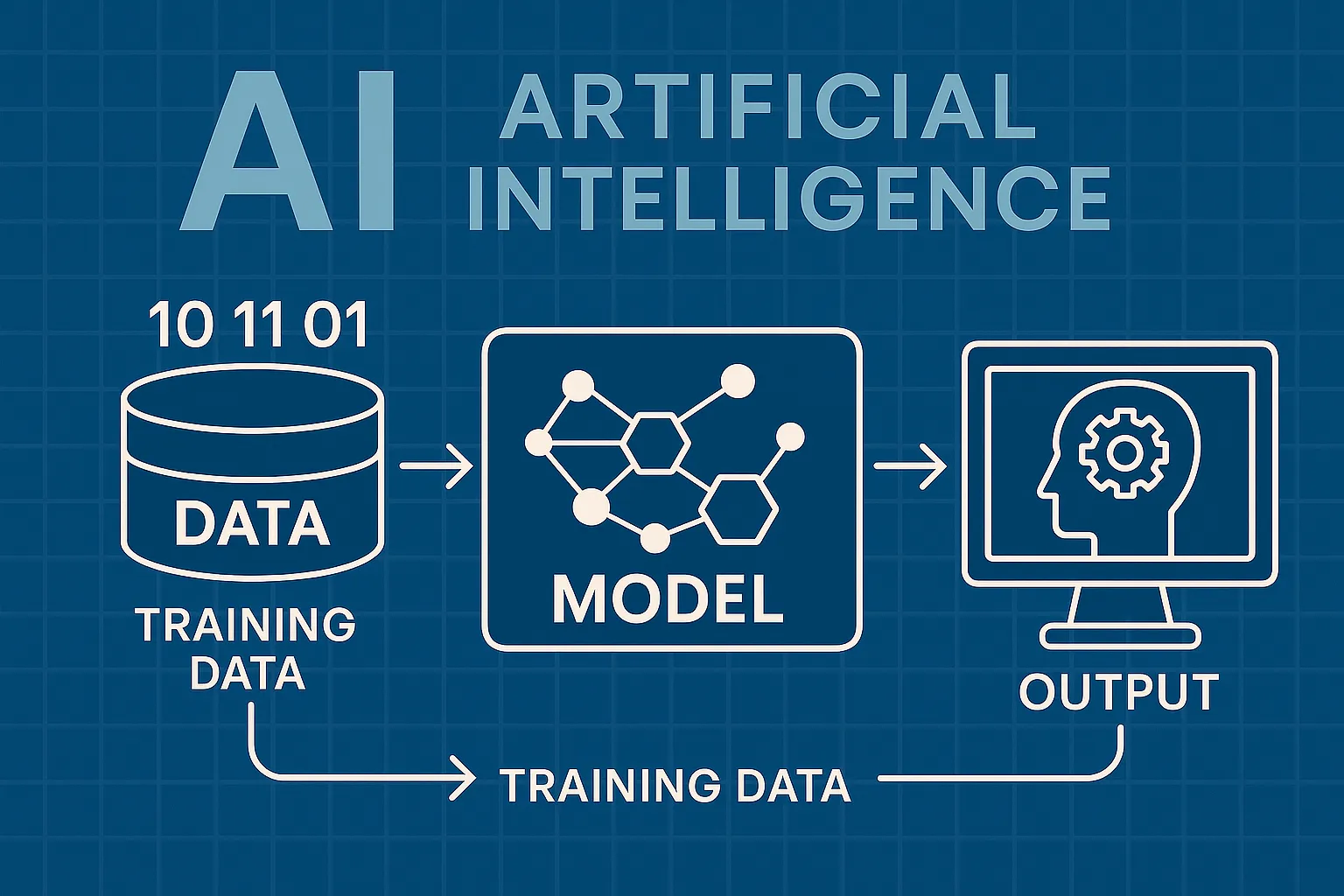
How AI Actually Works
Understand the basics of how AI systems learn, make decisions, and power tools like chatbots, image generators, and virtual assistants.
What Is Vibe Coding?
Discover the rise of vibe coding — an intuitive, aesthetic-first approach to building websites and digital experiences with help from AI tools.
7 Common Myths About AI
Think AI is conscious, infallible, or coming for every job? This post debunks the most widespread misconceptions about artificial intelligence today.
The Future of AI
From generative agents to real-world robotics, discover how AI might reshape society, creativity, and communication in the years ahead.
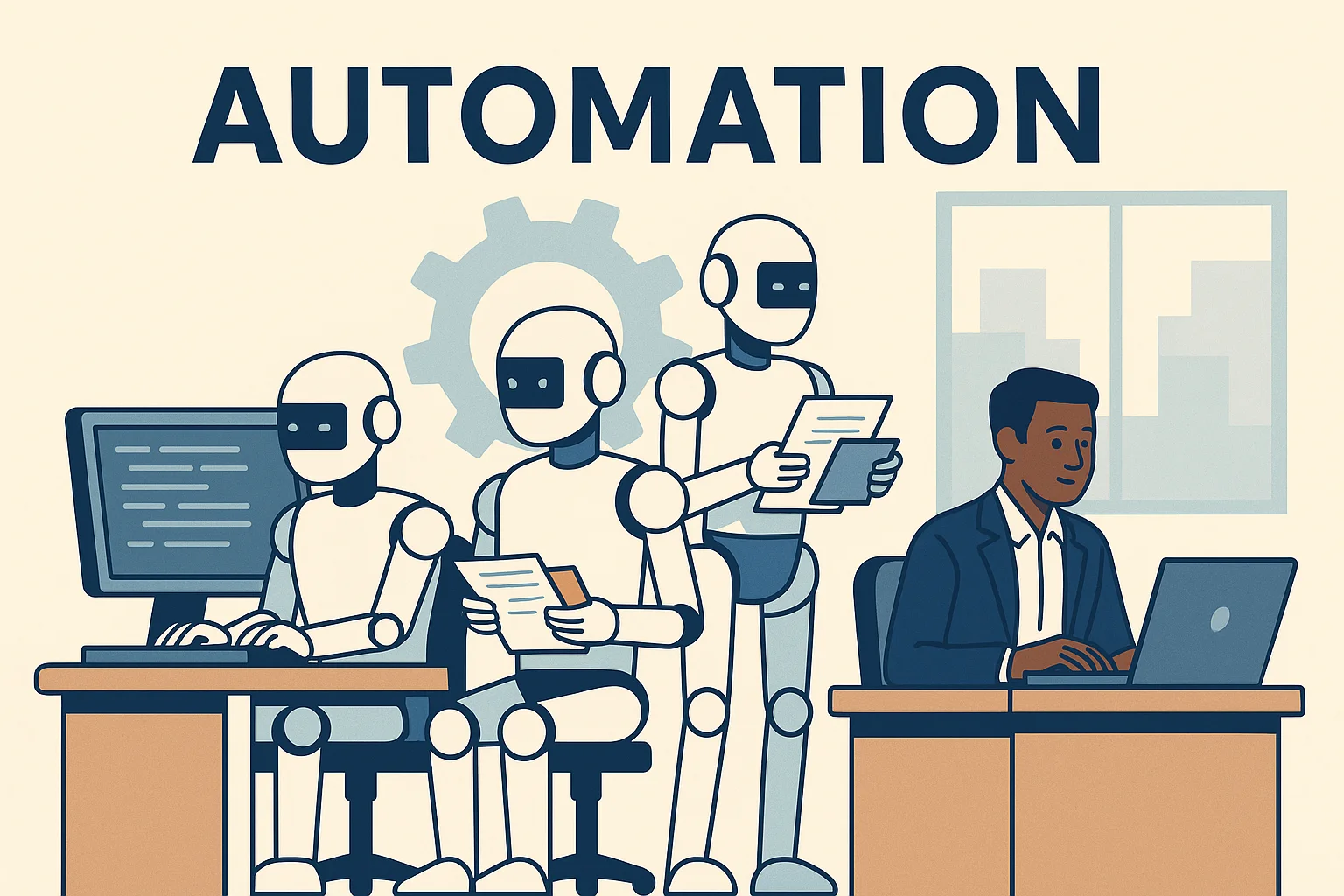
How AI Is Changing the Job Market
Will AI replace your job — or create new ones? Explore which careers are evolving, vanishing, or emerging in the AI-driven economy.

Common Issues with AI
Hallucinations, bias, privacy risks — learn about the most pressing problems in current AI systems and what causes them.