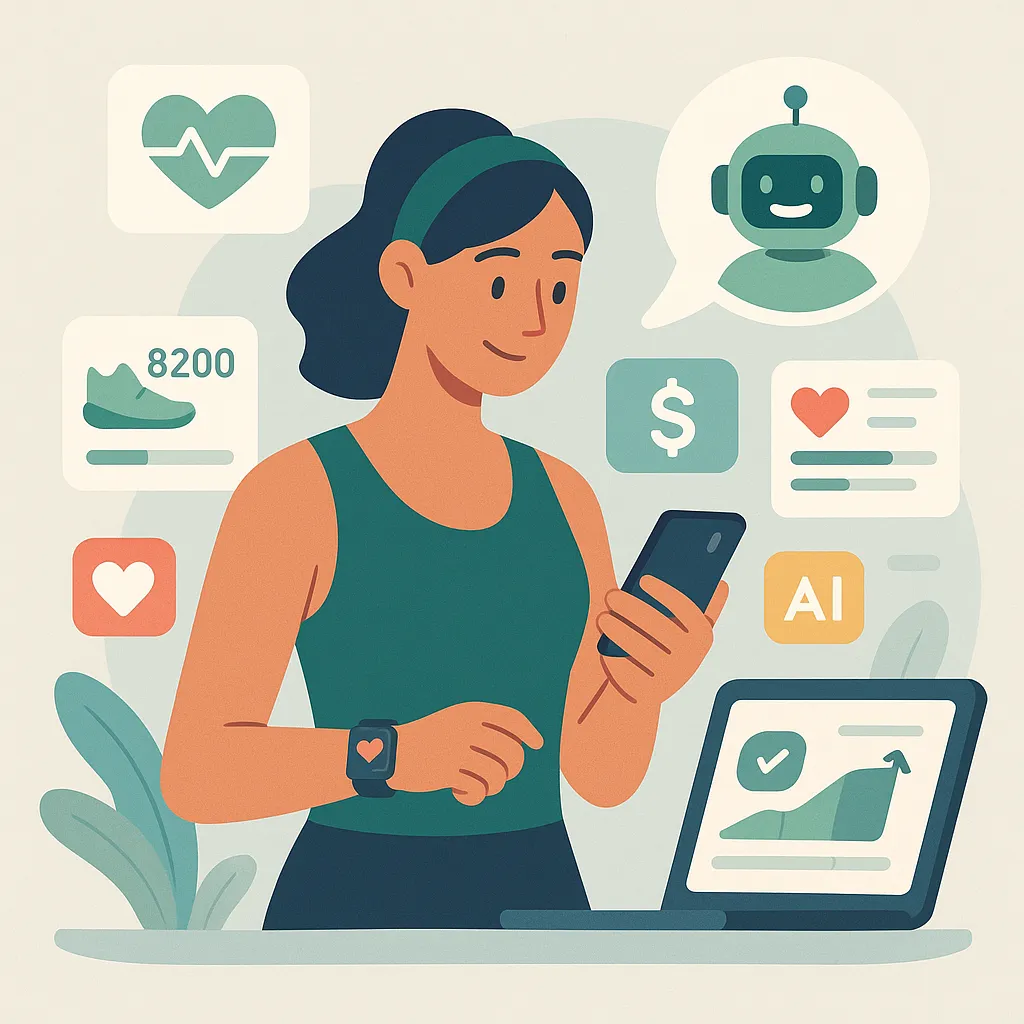
AI is transforming fitness and physical health by offering personalized coaching, intelligent workout planning, and real-time feedback that adapts to your goals and progress. Whether you're exercising at home, training at the gym, or managing your nutrition, AI tools can help you stay consistent, avoid injuries, and optimize your results. These platforms analyze everything from movement patterns and recovery time to sleep quality, readiness scores, meal preferences, and daily routines—then translate it into practical guidance you can actually follow. Many also integrate with wearables and fitness trackers to deliver deeper insights and accountability across training, stress, and recovery, not just workouts. From beginner-friendly training apps to premium coaching experiences and data-rich recovery platforms, there’s an AI solution for every fitness level and goal. In this guide, we’ve ranked the top free and paid AI tools for physical health in 2026—each chosen for its impact, usability, and innovation. Whether you're aiming to lose weight, gain strength, improve sleep, or simply build healthier habits, these tools can empower you to take control of your wellness journey with confidence and precision.
Top Paid AI Fitness & Health Tools
| Rank | Tool | Key Strength | Price | Best Use Case |
|---|---|---|---|---|
| #1 | Future | High-touch coaching with AI-assisted programming | $199/month | Serious training with accountability |
| #2 | WHOOP | AI-powered recovery, strain, and sleep insights | From $239/year | Optimizing performance & recovery |
| #3 | Oura Ring | Readiness + sleep coaching with trend detection | $5.99/month membership (ring sold separately) | Sleep, recovery, and habit improvement |
| #4 | Fitbod | Adaptive strength training plans & auto-progression | $15.99/month | Weightlifting + muscle building |
| #5 | Freeletics Coach | AI-driven training plans for home, gym, or running | Varies by plan | Structured training on a budget |
Future
Future is one of the strongest premium options for people who want real coaching—without going in person. You’re matched with a certified trainer who builds a personalized plan, checks in frequently, and adjusts your program based on how workouts feel, what equipment you have, and how your schedule changes. The “AI” advantage shows up in how consistently the system translates your training history, goals, and constraints into a week-to-week plan that evolves quickly, rather than forcing you to follow a static template. If you’re the kind of person who knows what to do but struggles to stay consistent, Future’s combination of structure, accountability, and ongoing adjustments makes it especially effective. It’s pricey, but for many users it replaces the need for a traditional personal trainer—while still keeping the experience flexible for home, gym, or travel training.
WHOOP
WHOOP is built for recovery-first fitness: it continuously tracks strain, sleep, and physiological signals to generate daily guidance on how hard to train and when to prioritize rest. Its AI-driven insights help you spot patterns—like how late meals impact sleep quality, how travel affects recovery, or how training intensity correlates with next-day readiness—so you can make smarter decisions without guesswork. This is especially valuable for athletes, lifters, endurance runners, and busy professionals who want to avoid burnout while still progressing. WHOOP’s strength is not workout videos or exercise demos; it’s helping you manage training load and lifestyle choices with data-backed feedback. If you’re already active and want better results with fewer setbacks, WHOOP’s recovery and strain ecosystem can become the “control center” for your training consistency.
Oura Ring
Oura Ring is a top-tier option for sleep and readiness tracking, turning raw biometric data into simple, actionable guidance you can use daily. The platform excels at identifying trends over time—sleep consistency, recovery patterns, stress signals, and lifestyle habits—then translating them into readiness scores and recommendations. For people who want fitness improvements that start with better sleep, Oura is a smart investment because it supports the foundation: recovery, routine, and long-term habit change. It’s especially useful for anyone juggling training with work stress, inconsistent sleep schedules, or frequent travel. While the ring hardware is a separate cost, the membership is what unlocks the deeper insights, coaching, and longitudinal analytics that make Oura feel genuinely “AI-powered” rather than just another tracker.
Fitbod
Fitbod remains one of the best AI-driven strength training apps because it adapts your workouts based on performance, equipment availability, and recovery—without making you micromanage programming details. The app automatically progresses sets, reps, and intensity over time, helping you build muscle and strength with a structured plan that stays flexible. It’s great for gym-goers who want the benefits of intelligent programming but don’t want to spend hours planning sessions or building spreadsheets. Fitbod works well whether you’re training at a fully equipped gym, a hotel gym, or at home with dumbbells—because it can generate effective routines from whatever you have available. If your goal is consistent strength progress with minimal decision fatigue, Fitbod is one of the most reliable “set it and follow it” options in 2026.
Freeletics Coach
Freeletics Coach is a strong pick for people who want structured training plans—without paying premium coaching prices. The app uses adaptive programming to build routines around your goals (fat loss, strength, endurance), schedule, and equipment, then adjusts difficulty and training focus as you progress. It’s especially useful for at-home fitness, travel workouts, and busy schedules because sessions can be short, intense, and easy to start without extra setup. Freeletics also supports multiple training styles (bodyweight, gym, running), making it a flexible option if your routine changes throughout the year. While pricing varies depending on plan and promos, the real value is getting a plan that feels personalized and progressive—rather than a random list of workouts that doesn’t evolve with you.
Top Free AI Fitness & Health Tools
| Rank | Tool | Key Strength | Limitations | Best Use |
|---|---|---|---|---|
| #1 | ChatGPT (Free) | Custom workout + meal planning ideas | No live tracking | Planning + motivation |
| #2 | Nike Training Club | High-quality free workouts and programs | Limited adaptive personalization | Beginner-to-intermediate training |
| #3 | FitOn | Free workout library + easy scheduling | Premium unlocks deeper personalization | At-home workouts |
| #4 | MyFitnessPal (Free) | Fast food logging with smart tools | Advanced insights locked behind premium | Nutrition tracking |
| #5 | Strong | Simple workout logging + progress tracking | No adaptive programming in free tier | Weightlifting tracking |
ChatGPT (Free)
ChatGPT can act as your on-demand fitness planner when you want ideas, structure, or clarity—fast. Tell it your goal, time available, equipment, injuries, and experience level, and it can propose weekly workout splits, simple progressions, warm-ups, and recovery routines. It’s also useful for nutrition planning: grocery-friendly meal ideas, macro targets, high-protein snack lists, and “what do I eat if…” troubleshooting when your schedule is chaotic. What it can’t do is automatically track your workouts, measure recovery, or validate form in real time—so it works best as the thinking partner behind your plan rather than the tracker itself. For beginners, it’s a great way to reduce confusion and decision fatigue; for experienced lifters, it’s a quick brainstorming tool for new routines and plateaus.
Nike Training Club
Nike Training Club (NTC) is one of the best free workout apps available, offering a large library of guided sessions across strength, conditioning, mobility, yoga, and recovery. The biggest advantage is quality: workouts are well-produced, easy to follow, and designed to be effective without needing fancy equipment. While NTC isn’t as “adaptive” as premium AI coaching systems, it’s excellent for building consistency and exploring different training styles until you find what you actually enjoy. If you’re starting from scratch, coming back after time off, or just want a reliable free program that doesn’t feel low-effort, NTC is a strong foundation. It pairs especially well with a planner tool (like ChatGPT) if you want help organizing workouts into a weekly routine.
FitOn
FitOn is a popular free fitness app built for people who want variety and convenience: open the app, pick a workout, and go. You get a broad mix of training styles—HIIT, strength, Pilates, yoga, stretching, and more—making it easy to stay consistent even when motivation dips. FitOn’s free tier is genuinely usable, especially for at-home training, and the interface makes it simple to schedule sessions and keep momentum. The tradeoff is personalization: deeper coaching features and some premium perks are gated behind upgrades. Still, if your main goal is “I need a solid free workout library that I’ll actually use,” FitOn is one of the most practical options in 2026 for building a routine without overthinking it.
MyFitnessPal (Free)
MyFitnessPal is a long-standing favorite for nutrition tracking because it makes food logging quick, searchable, and habit-friendly. The free tier covers the essentials: logging meals, tracking calories, monitoring macros, and reviewing trends over time so you can actually connect what you eat with how you perform and recover. While it isn’t a full “AI coach” in the same way as premium platforms, its smart logging tools and large database reduce friction—especially for busy users who want consistency more than complexity. It’s a great fit for anyone trying to lose weight, gain muscle, or improve energy levels by tightening nutrition habits. Pairing MyFitnessPal with a workout app (NTC, FitOn, or Strong) creates a simple system that covers both training and nutrition without needing expensive tools.
Strong
Strong is a clean, no-nonsense workout tracker that shines when you want to log lifting sessions and see progress over weeks and months. It’s ideal for people who prefer controlling their own programming rather than relying on an app to generate workouts. Strong makes it easy to track sets, reps, weights, rest timers, and PRs—then review trends that keep you motivated (and honest). The free tier doesn’t provide adaptive programming or AI-driven recommendations, but it does deliver what many lifters actually need: simple logging, consistency, and clear evidence that you’re improving. If you like building your own routine (or following a plan from a coach) and just need a reliable tracker, Strong is one of the best free options available.
Rankings
Chatbots
AI chatbots have quickly evolved from simple assistants into powerful, multi-purpose tools used by millions of people every day...
Image Generators
AI image generators are revolutionizing the way creatives, marketers, and developers produce visual content by transforming text prompts into detailed, customized...
Writing Assistants
AI writing assistants have become indispensable tools for anyone who writes — from students and bloggers to business professionals and marketers...
Deepfake Detection
As deepfake technology becomes more advanced and accessible, detecting AI-manipulated content is now a critical challenge across journalism, education, law, and...
Productivity & Calendar
AI productivity and calendar tools have become essential for professionals, entrepreneurs, and students looking to make the most of their time without getting overwhelmed...
Natural Language To Code
Natural language to code tools are transforming software development by enabling users to build apps, websites, and workflows without needing advanced programming...
Blog
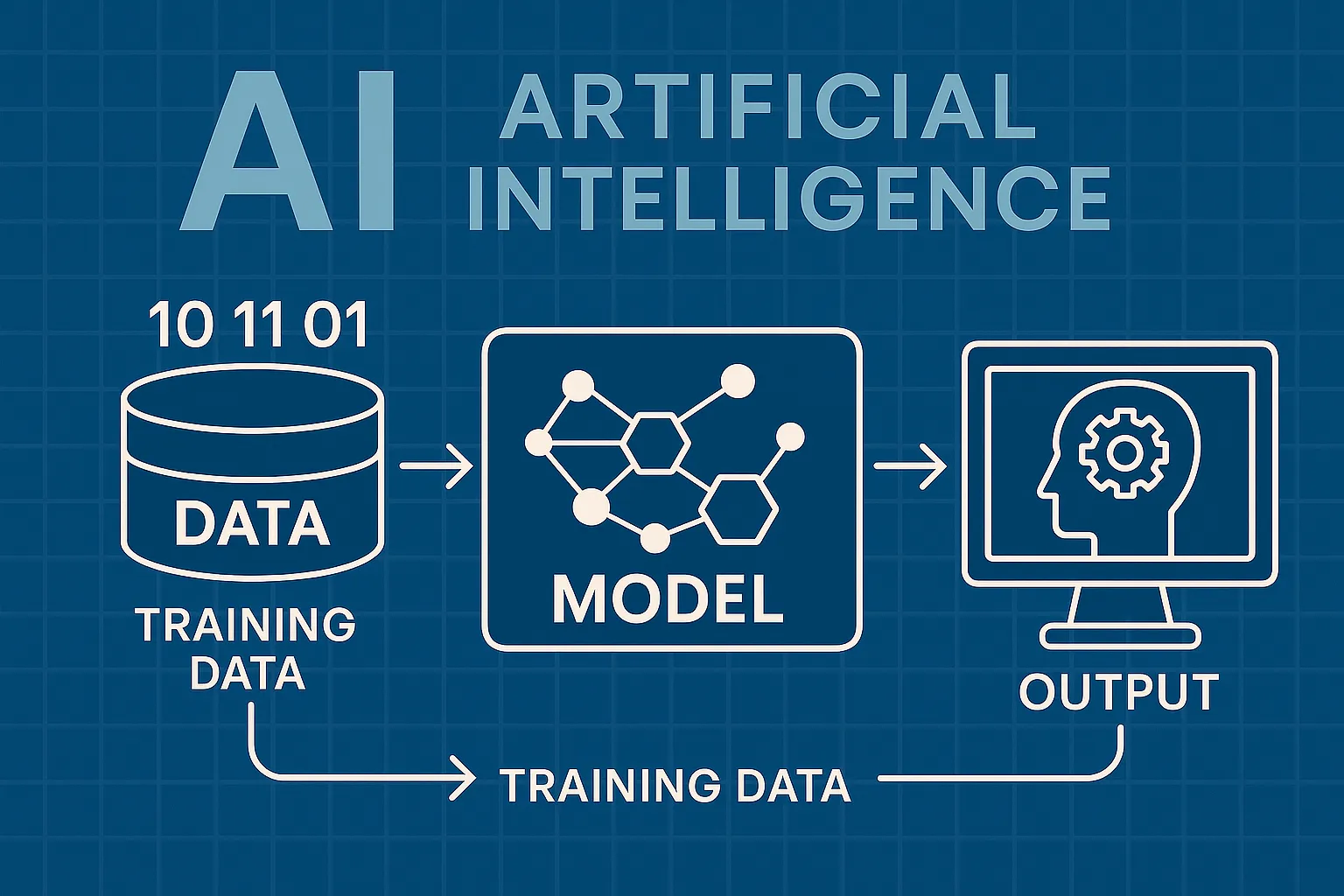
How AI Actually Works
Understand the basics of how AI systems learn, make decisions, and power tools like chatbots, image generators, and virtual assistants.

What Is Vibe Coding?
Discover the rise of vibe coding — an intuitive, aesthetic-first approach to building websites and digital experiences with help from AI tools.
7 Common Myths About AI
Think AI is conscious, infallible, or coming for every job? This post debunks the most widespread misconceptions about artificial intelligence today.

The Future of AI
From generative agents to real-world robotics, discover how AI might reshape society, creativity, and communication in the years ahead.
How AI Is Changing the Job Market
Will AI replace your job — or create new ones? Explore which careers are evolving, vanishing, or emerging in the AI-driven economy.
Common Issues with AI
Hallucinations, bias, privacy risks — learn about the most pressing problems in current AI systems and what causes them.