AI-powered CRM tools with built-in lead scoring are transforming how businesses prioritize and manage their sales efforts. These platforms go far beyond contact databases—by analyzing user behavior, past interactions, and engagement patterns, they help teams identify the most promising leads automatically. This reduces manual guesswork and allows sales reps to focus their time on high-conversion opportunities. With predictive scoring, pipeline automation, and integrated communication features, AI CRMs bring speed, structure, and intelligence to the sales process. Whether you're a startup trying to scale outreach or an enterprise seeking deeper insights across teams, these tools enhance decision-making at every stage of the customer journey. In this guide, we highlight the best AI CRMs that combine intelligent lead scoring with streamlined workflows—so you can close more deals, faster, with less effort and more accuracy.
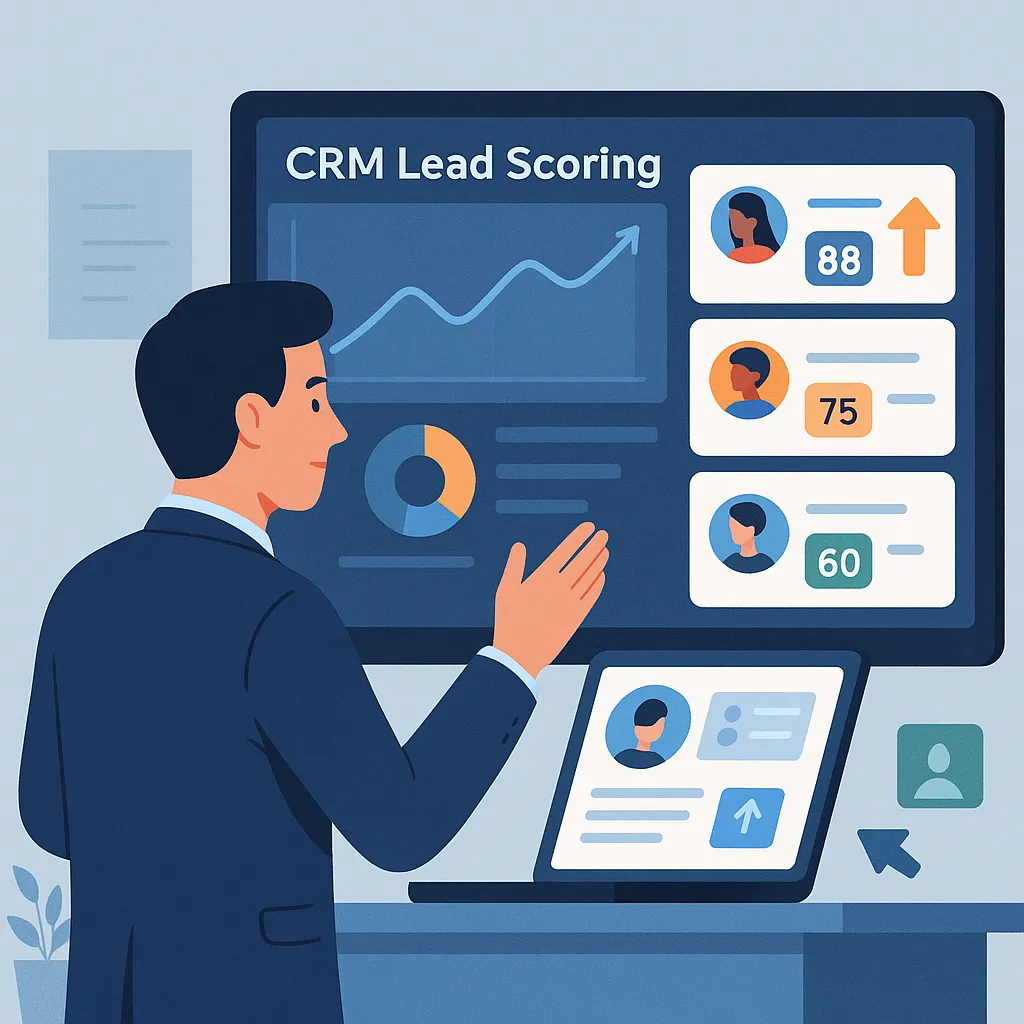
Top Paid AI CRM & Lead Scoring Tools
| Rank | Tool | Key Strength | Price | Best Use Case |
|---|---|---|---|---|
| #1 | HubSpot Sales Hub | AI-assisted lead scoring + automation workflows | From $20/month (Starter) • Pro from ~$90/seat/month | Scaling teams that want an all-in-one growth stack |
| #2 | Salesforce Sales Cloud | Einstein scoring, forecasting, enterprise reporting | From $25/user/month (entry tiers) • AI features vary by edition/add-ons | Enterprise sales teams and complex pipelines |
| #3 | Microsoft Dynamics 365 Sales | AI-driven insights with deep Microsoft ecosystem integration | From ~$65/user/month | Microsoft-first organizations needing scalable CRM intelligence |
| #4 | Zoho CRM | Predictive insights with Zia + strong automation value | From $14/user/month • Zia tiers typically higher | SMBs that want strong features without enterprise pricing |
| #5 | Freshsales | Freddy AI scoring + fast, modern sales workflows | From $9/user/month (paid tiers) | SMBs that want AI lead scoring with minimal setup |
HubSpot Sales Hub
HubSpot Sales Hub is a top-tier CRM option for teams that want lead scoring, automation, and reporting in a clean interface that’s easy to adopt. Its scoring tools can combine engagement signals (email opens, site activity, form submissions) with fit signals (company size, role, lifecycle stage) so reps can focus on leads that are both interested and qualified. HubSpot also shines for workflow automation—automatically assigning leads, updating deal stages, triggering follow-ups, and syncing activities across marketing and sales. The real advantage is ecosystem alignment: Sales Hub connects smoothly with HubSpot’s marketing and service tools, which makes it ideal for growth teams that want one shared source of truth. For many businesses, HubSpot becomes the “command center” that turns lead scoring from a spreadsheet exercise into a repeatable revenue workflow.
Salesforce Sales Cloud
Salesforce Sales Cloud is the gold standard for enterprises that need advanced customization, deep analytics, and AI features that scale across large organizations. With Einstein capabilities (which vary by edition and add-ons), teams can prioritize leads and opportunities using historical outcomes and buyer signals, then layer that into forecasting and pipeline insights for leadership. Salesforce’s strength is its flexibility: you can tailor objects, fields, dashboards, automations, and integrations to match nearly any sales process—from multi-region account teams to complex B2B deal cycles. It also has one of the strongest integration ecosystems in the CRM world, making it easier to connect scoring logic with marketing automation, data warehouses, and sales engagement tools. If you’re running a serious sales operation and want lead scoring tied into a highly customizable platform, Salesforce remains a premium option.
Microsoft Dynamics 365 Sales
Microsoft Dynamics 365 Sales is a powerful AI CRM for organizations that live inside Microsoft tools like Outlook, Teams, and Excel. It’s designed to streamline the selling process while providing contextual insights that help reps prioritize the right leads and opportunities. Dynamics can support scoring and sales intelligence workflows that feel natural for Microsoft-first teams: emails, meetings, notes, and collaboration can feed into a unified sales view, reducing manual data entry and making follow-up faster. It’s especially strong for larger organizations that need advanced customization, role-based security, and reporting that connects smoothly to Power BI and broader Microsoft data infrastructure. If your business already runs on Microsoft, Dynamics 365 Sales is one of the most practical ways to add AI scoring and sales intelligence without forcing a completely separate ecosystem.
Zoho CRM
Zoho CRM is an excellent value pick for teams that want strong automation, customization, and lead scoring options without enterprise-level costs. Even at lower tiers, Zoho supports scoring rules and workflow automation that can help teams build consistent qualification processes (for example: scoring leads based on email engagement, form source, industry, or deal behaviors). For more advanced intelligence, Zoho’s AI assistant (Zia) can add predictive insights and recommendations depending on the plan tier. Zoho also benefits from a broad suite ecosystem: teams can expand into helpdesk, email marketing, analytics, and other business apps as they grow. For SMBs that need real CRM structure plus lead scoring logic—without paying “big CRM” pricing—Zoho is one of the strongest long-term platforms.
Freshsales
Freshsales is built for sales teams that want modern CRM workflows with quick setup, a clean UI, and AI features that don’t feel overwhelming. Its Freddy AI capabilities (available depending on plan and add-ons) can help identify high-potential leads using engagement and behavioral signals, while the CRM itself offers strong day-to-day sales tooling like pipelines, tasks, email tracking, and automation. Freshsales is especially effective for SMBs and mid-market teams that need scoring plus execution—meaning the tool not only ranks leads, but also helps reps move fast with built-in communication, activity tracking, and lightweight reporting. If you want lead scoring and automation without enterprise complexity, Freshsales is one of the most user-friendly options available today.
Top Free AI CRM & Lead Scoring Tools
| Rank | Tool | Key Strength | Limitations | Best Use |
|---|---|---|---|---|
| #1 | HubSpot CRM (Free) | Best free CRM foundation with strong sales tools | Advanced lead scoring is in higher tiers | Startups + solopreneurs building a real pipeline |
| #2 | Zoho CRM (Free) | Free CRM for small teams with scalable upgrades | Free edition is limited (commonly up to 3 users) | Small teams that want a long-term CRM platform |
| #3 | Freshsales (Free Plan) | Simple CRM setup with a modern pipeline UI | AI scoring and deeper automation are paid features | New sales teams that want speed and clarity |
| #4 | Bitrix24 (Free) | Free CRM suite with automation and broad collaboration tools | UI can feel busy; advanced sales intelligence varies by tier | Teams that want CRM + tasks + comms in one place |
| #5 | Apollo (Free) | Lead scoring + prospecting with CRM sync options | Free plan has usage caps; full scoring depth is paid | Outbound teams scoring prospects before pushing to CRM |
HubSpot CRM (Free)
HubSpot’s free CRM is still one of the best starting points for building a real sales pipeline without paying upfront. You get contact and deal management, activity tracking, meeting scheduling, basic reporting, and a clean pipeline view that makes it easy to keep sales work organized. While advanced lead scoring typically lives in higher-tier subscriptions, the free plan is strong enough to run an early-stage sales process and begin capturing engagement signals that later feed into scoring. It’s especially useful for founders and small teams because it helps create structure quickly: track deals, log outreach, and keep lead data centralized instead of scattered across notes and spreadsheets. If you want a free CRM that doesn’t feel “lite,” HubSpot is one of the most practical choices on the market.
Zoho CRM (Free)
Zoho CRM’s free edition is a solid entry point for small teams that want a legitimate CRM system with room to scale. It supports core basics like lead and contact management, mobile apps, and foundational CRM workflows—making it a good option for teams that want to set up a system now and upgrade later when they need more automation or AI features. While predictive AI scoring (Zia) is typically tied to higher tiers, Zoho still gives you a structured place to manage leads, track pipeline progress, and standardize follow-up. The long-term benefit is ecosystem flexibility: as you grow, you can expand into Zoho’s broader suite (marketing, support, analytics, and more) without rebuilding everything from scratch.
Freshsales (Free Plan)
Freshsales offers a free plan that’s great for getting a pipeline running quickly—especially if you value a modern interface and straightforward setup. It’s designed for sales teams that want less CRM complexity and more day-to-day clarity: manage contacts, track deals, log activities, and keep the sales process moving. While Freddy AI lead scoring and more advanced automation typically require paid tiers or add-ons, the free plan still provides an excellent “foundation layer” for collecting the data that scoring models need (engagement, stage movement, and consistent activity logging). For startups and small teams that want a clean CRM experience and a natural upgrade path into AI scoring later, Freshsales is a smart pick.
Bitrix24 (Free)
Bitrix24 is a popular free option for teams that want more than just a CRM—because it bundles sales features with collaboration tools like tasks, chat, file sharing, calendars, and basic automation. That makes it useful for organizations where sales work overlaps heavily with project work and internal coordination. Depending on your setup, Bitrix24 can help capture leads, move them through a pipeline, and coordinate follow-ups with assigned tasks and reminders, which can function like “lightweight scoring” by forcing consistent qualification steps. The main trade-off is that Bitrix24’s interface can feel busy compared to minimalist CRMs, and more advanced intelligence features can vary by plan. Still, if you want a free CRM suite that can run a lot of the business alongside sales, Bitrix24 is one of the strongest all-in-one options.
Apollo (Free)
Apollo isn’t a traditional CRM-first platform, but it’s extremely useful for lead scoring and prioritization—especially for outbound sales teams. The free tier is often used to test prospecting, basic enrichment, and early scoring workflows before pushing qualified leads into a primary CRM like HubSpot or Salesforce. This makes Apollo a strong companion tool: you score and filter prospects before they hit your pipeline, keeping the CRM cleaner and reducing time wasted on low-fit leads. For founders and SDR-style outbound teams, Apollo can act like a “pre-CRM scoring layer” that helps you target the right accounts and contacts, then sync the best opportunities into your deal flow. The limitation is that usage caps apply on the free plan, and deeper scoring/filters are typically reserved for paid tiers.
Rankings

Chatbots
AI chatbots have quickly evolved from simple assistants into powerful, multi-purpose tools used by millions of people every day...

Image Generators
AI image generators are revolutionizing the way creatives, marketers, and developers produce visual content by transforming text prompts into detailed, customized...

Writing Assistants
AI writing assistants have become indispensable tools for anyone who writes — from students and bloggers to business professionals and marketers...

Deepfake Detection
As deepfake technology becomes more advanced and accessible, detecting AI-manipulated content is now a critical challenge across journalism, education, law, and...

Productivity & Calendar
AI productivity and calendar tools have become essential for professionals, entrepreneurs, and students looking to make the most of their time without getting overwhelmed...
Natural Language To Code
Natural language to code tools are transforming software development by enabling users to build apps, websites, and workflows without needing advanced programming...
Blog
How AI Actually Works
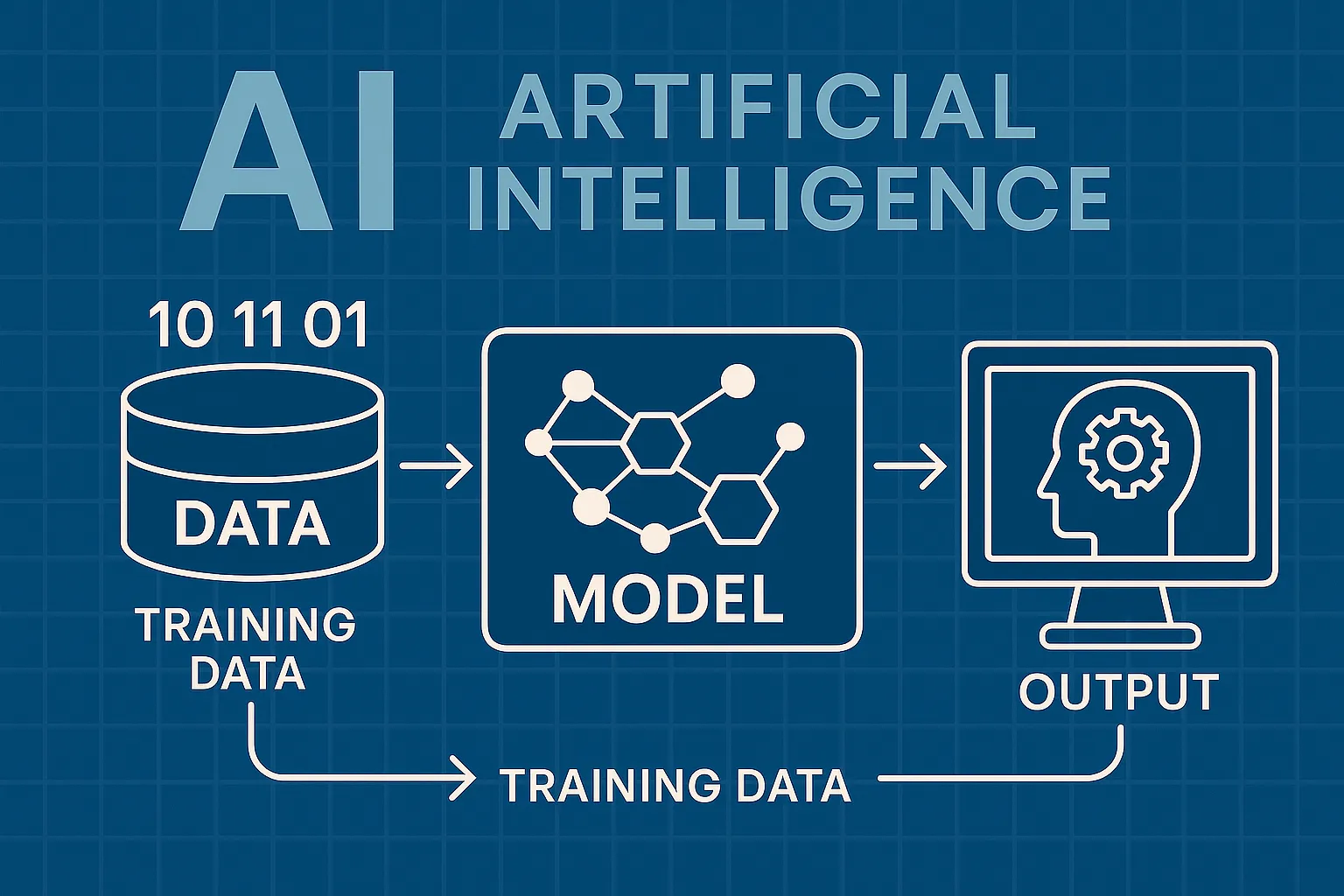
Understand the basics of how AI systems learn, make decisions, and power tools like chatbots, image generators, and virtual assistants.

What Is Vibe Coding?
Discover the rise of vibe coding — an intuitive, aesthetic-first approach to building websites and digital experiences with help from AI tools.

7 Common Myths About AI
Think AI is conscious, infallible, or coming for every job? This post debunks the most widespread misconceptions about artificial intelligence today.

The Future of AI
From generative agents to real-world robotics, discover how AI might reshape society, creativity, and communication in the years ahead.

How AI Is Changing the Job Market
Will AI replace your job — or create new ones? Explore which careers are evolving, vanishing, or emerging in the AI-driven economy.

Common Issues with AI
Hallucinations, bias, privacy risks — learn about the most pressing problems in current AI systems and what causes them.