Creative AI tools are opening up new frontiers for artists, writers, musicians, and innovators by transforming simple ideas into striking digital creations. These platforms leverage powerful machine learning models to generate original artwork, music, stories, and even complex animations—often from just a short prompt. Whether you're experimenting with surreal visuals, composing royalty-free background music, or crafting fictional worlds for games and novels, AI offers a flexible partner in the creative process. For professionals, these tools can accelerate content production and unlock novel design pathways, while for hobbyists, they offer endless inspiration and playful exploration. As AI continues to evolve, it’s helping creators push boundaries, test new styles, and produce high-quality content faster and more affordably. This page showcases the most imaginative AI tools available today, ranked by their expressive capabilities, innovation, and ease of use—helping you discover the perfect platform to spark your next big idea or artistic project.
Top Paid Creative AI Tools
| Rank | Tool | Strength | Price | Limits |
|---|---|---|---|---|
| #1 | Midjourney | Elite artistic image generation and style control | $10–$120/month | Plan-based fast GPU time / concurrency |
| #2 | Runway | Text-to-video, video editing, and generative VFX | $15–$95/user/month | Credits, export tiers, and render queues |
| #3 | Adobe Firefly | Commercial-friendly creative AI across Adobe apps | $9.99–$199.99/month | Generative credits vary by plan and features |
| #4 | Canva Pro | Fast brand design with AI-assisted layouts & visuals | ~$15/month | Some AI features/exports are credit or plan gated |
| #5 | Soundraw | Royalty-free AI music you can customize and license | $16.99–$50/month | Plan-based licensing scope and downloads |
Midjourney
Midjourney remains one of the most consistently “creative” image generators on the market, especially for creators chasing a distinct, high-end aesthetic rather than generic stock-style outputs. It shines at stylized illustration, cinematic concept art, surreal compositions, fashion/editorial looks, and dramatic lighting that feels intentionally art-directed. For professional workflows, it’s often used for mood boards, character and environment exploration, poster/key art drafts, and early-stage product/brand visual direction. Its prompt-driven approach encourages experimentation—iterate variations, remix compositions, and push into new visual styles quickly. The main trade-off is that output capacity and generation speed depend on your plan’s fast GPU time and concurrency, which matters if you generate heavily or work under deadlines.
Runway
Runway is a creative AI toolkit built for modern video workflows—ideal for creators who want to go beyond static images into motion, editing, and generative effects. It’s widely used for text-to-video experimentation, background removal, object tracking, stylized transformations, and fast iteration on short clips for ads, social content, and concept trailers. What makes Runway particularly valuable is its “creative editing” feel: you can iterate quickly, test multiple looks, and assemble results in a workflow that’s approachable for non-experts while still powerful for experienced editors. Like most video-first AI platforms, usage is governed by credits and export tiers, so heavy production work tends to push users toward higher plans for better throughput and fewer constraints.
Adobe Firefly
Adobe Firefly is a strong pick for creators who want AI features embedded directly into professional design software and production pipelines. Rather than being “just” an image generator, Firefly’s value is how it integrates into the broader Adobe ecosystem—making it easier to generate, edit, expand, and refine creative assets without jumping between separate tools. It’s especially useful for commercial and brand work where you care about consistent typography, layout polish, and fast iteration across many deliverables. Firefly plans are typically tied to generative credits, meaning your monthly capacity depends on your subscription level and which premium generation features you use. For teams already using Adobe tools, Firefly often becomes a productivity multiplier: faster ideation, cleaner production, and smoother asset handoff into final design.
Canva Pro
Canva Pro is one of the most practical “creative AI” subscriptions because it’s built for output—social posts, ads, thumbnails, landing graphics, pitch decks, and brand kits—rather than purely experimental art. Its AI features help users generate design variations, quickly draft visuals, and speed up common creative tasks like resizing, background removal, and brand-consistent template work. For solo creators and small teams, the biggest benefit is how quickly you can go from idea to publish-ready asset without needing advanced design skills. It’s also a solid companion to more “art-first” tools like Midjourney: generate concepts elsewhere, then assemble polished marketing assets in Canva. Depending on region and plan, some AI features can be credit-based or gated behind premium functionality, so it’s best viewed as a high-speed production studio rather than an unlimited AI playground.
Soundraw
Soundraw is a standout for creators who need music that feels custom—without the licensing headaches of traditional stock libraries. You can generate tracks by selecting mood, genre, and tempo, then fine-tune the arrangement by adjusting sections and instrumentation to fit your edit. This is especially useful for YouTube videos, podcasts, ads, game prototypes, and short films where pacing matters and you want music that matches scene transitions. Soundraw’s strength is the balance of speed and control: it’s quick enough for rapid experimentation but flexible enough to shape tracks into something that feels intentional. Licensing and download options vary by plan, so creators who monetize broadly or need higher-quality exports often choose a tier that matches their distribution needs.
Top Free Creative AI Tools
| Rank | Tool | Strength | Limitations |
|---|---|---|---|
| #1 | Adobe Express | Quick design + content creation with AI features | Premium assets, advanced tools, and some AI features are gated |
| #2 | Leonardo AI | High-quality image generation with daily free tokens | Daily token cap, queue priority, and model access limits |
| #3 | Pika | Fast text-to-video creativity for short clips and concepts | Free plan typically has credits, watermarks, and lower priority |
| #4 | Luma Dream Machine | Cinematic AI video generation for mood and motion tests | Limited draft videos, watermarks, and non-commercial restrictions |
| #5 | ChatGPT | Creative writing, brainstorming, prompts, and story scaffolding | Usage caps and you still need to format/export manually |
Adobe Express
Adobe Express is a highly accessible creative workspace for turning ideas into finished content quickly—social posts, flyers, thumbnails, short videos, and brand assets—without a steep learning curve. The free plan is genuinely useful for day-to-day creation, especially if you want a clean editor with strong templates and easy exports. For creators, it’s often the “last mile” tool: after you generate images or copy elsewhere, you can assemble a polished design, add typography, and produce platform-ready sizes fast. Adobe’s ecosystem also makes it easier to move between tools if you later upgrade. The main limitation is that premium templates, advanced features, and some AI capabilities can be restricted on the free plan, but for quick creative output, it’s one of the most practical free options available.
Leonardo AI
Leonardo AI is a favorite for visual creators because it offers strong image generation quality while still providing a meaningful free tier through daily tokens. It’s particularly useful for concept art, character and item design, environment exploration, and stylized illustrations for games, books, and social content. Many creators use it to iterate quickly on consistent looks—testing prompts, styles, and variations until they find something that fits their project’s vibe. Since the free tier is token-based, you’ll get the best results by planning your experiments and saving your strongest prompts for iterative refinement. Limits typically show up as daily caps, slower queues during busy periods, and certain advanced models/features reserved for paid plans.
Pika
Pika is a fun and surprisingly powerful free starting point for AI video generation—especially if you’re experimenting with short clips, motion concepts, stylized scenes, or quick “what if” ideas for ads and social videos. It’s popular among creators who want to prototype visual stories without investing hours into traditional animation or editing. You can explore everything from simple text-to-video prompts to playful transformations that feel tailor-made for short-form platforms. Like most free video generators, the biggest constraints are credits, priority in the processing queue, and watermarks on exports. Still, for ideation and creative exploration, Pika is one of the most entertaining ways to turn imagination into motion quickly.
Luma Dream Machine
Luma Dream Machine is geared toward creators who want cinematic motion tests and striking short video generations that feel more like “concept shots” than simple animations. It’s especially useful for brainstorming scenes, exploring camera movement ideas, and building visual mood for projects like music videos, indie film concepts, or stylized brand pieces. The free tier makes it easy to experiment, but it typically comes with clear constraints—limited generations, draft output, watermarks, and restrictions on commercial usage depending on the plan terms. Even with those limits, it’s an excellent tool for pre-visualization: generate a scene, evaluate the vibe, then decide whether it’s worth refining with paid credits or a different workflow.
ChatGPT
ChatGPT is a creative force multiplier for ideation and writing—great for turning vague concepts into structured prompts, story outlines, character backstories, dialogue drafts, lyrics concepts, brand voice explorations, and worldbuilding details. Many creators use it as the “director” for their creative workflow: generate prompt variants for image/video tools, brainstorm theme ideas, or develop consistent lore and tone across a project. It’s also excellent for rewriting and expanding drafts in different styles (cinematic, comedic, minimal, poetic) and for generating creative constraints that spark better output. The biggest limitation is that you still need to do some manual formatting and exporting to fit your final medium (blog, script, game document, storyboard), and free usage can be capped depending on demand and features.
Rankings

Chatbots
AI chatbots have quickly evolved from simple assistants into powerful, multi-purpose tools used by millions of people every day...
Image Generators
AI image generators are revolutionizing the way creatives, marketers, and developers produce visual content by transforming text prompts into detailed, customized...
Writing Assistants
AI writing assistants have become indispensable tools for anyone who writes — from students and bloggers to business professionals and marketers...

Deepfake Detection
As deepfake technology becomes more advanced and accessible, detecting AI-manipulated content is now a critical challenge across journalism, education, law, and...
Productivity & Calendar
AI productivity and calendar tools have become essential for professionals, entrepreneurs, and students looking to make the most of their time without getting overwhelmed...
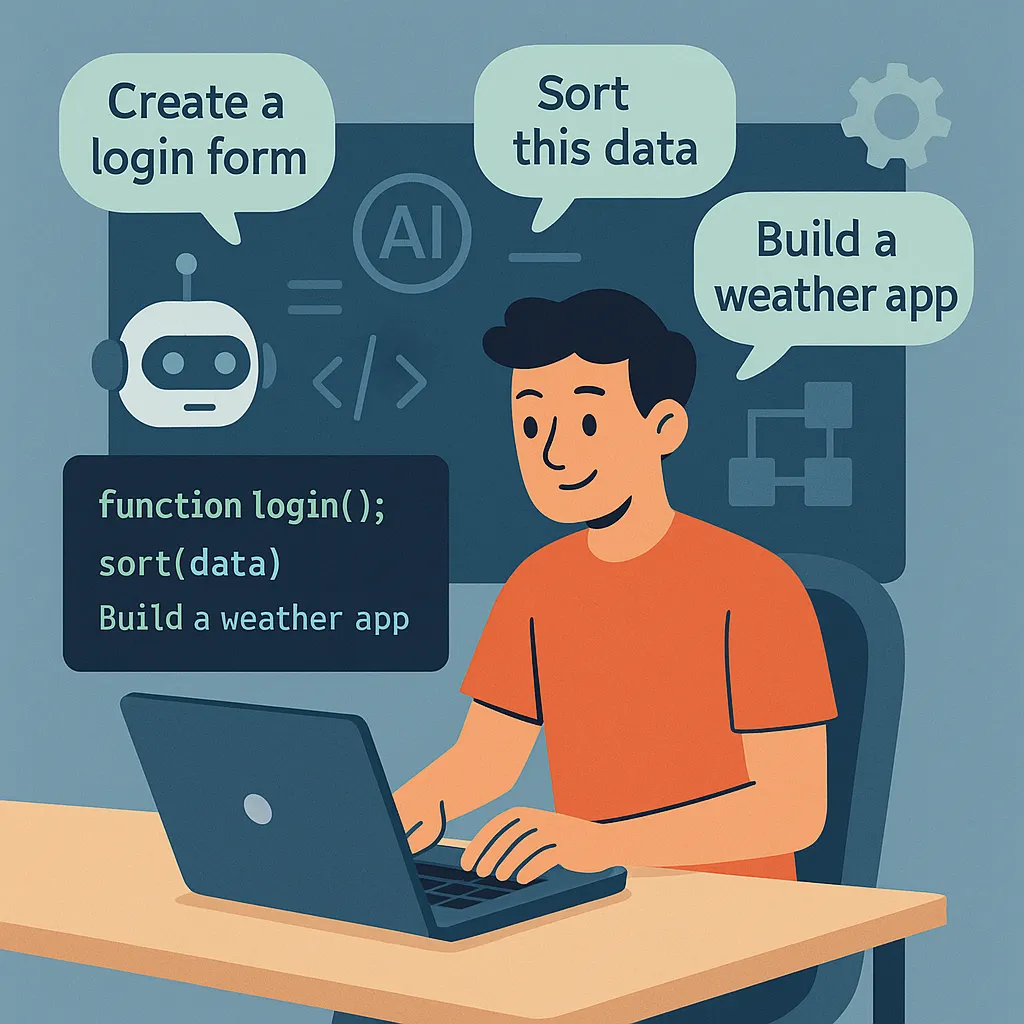
Natural Language To Code
Natural language to code tools are transforming software development by enabling users to build apps, websites, and workflows without needing advanced programming...
Blog
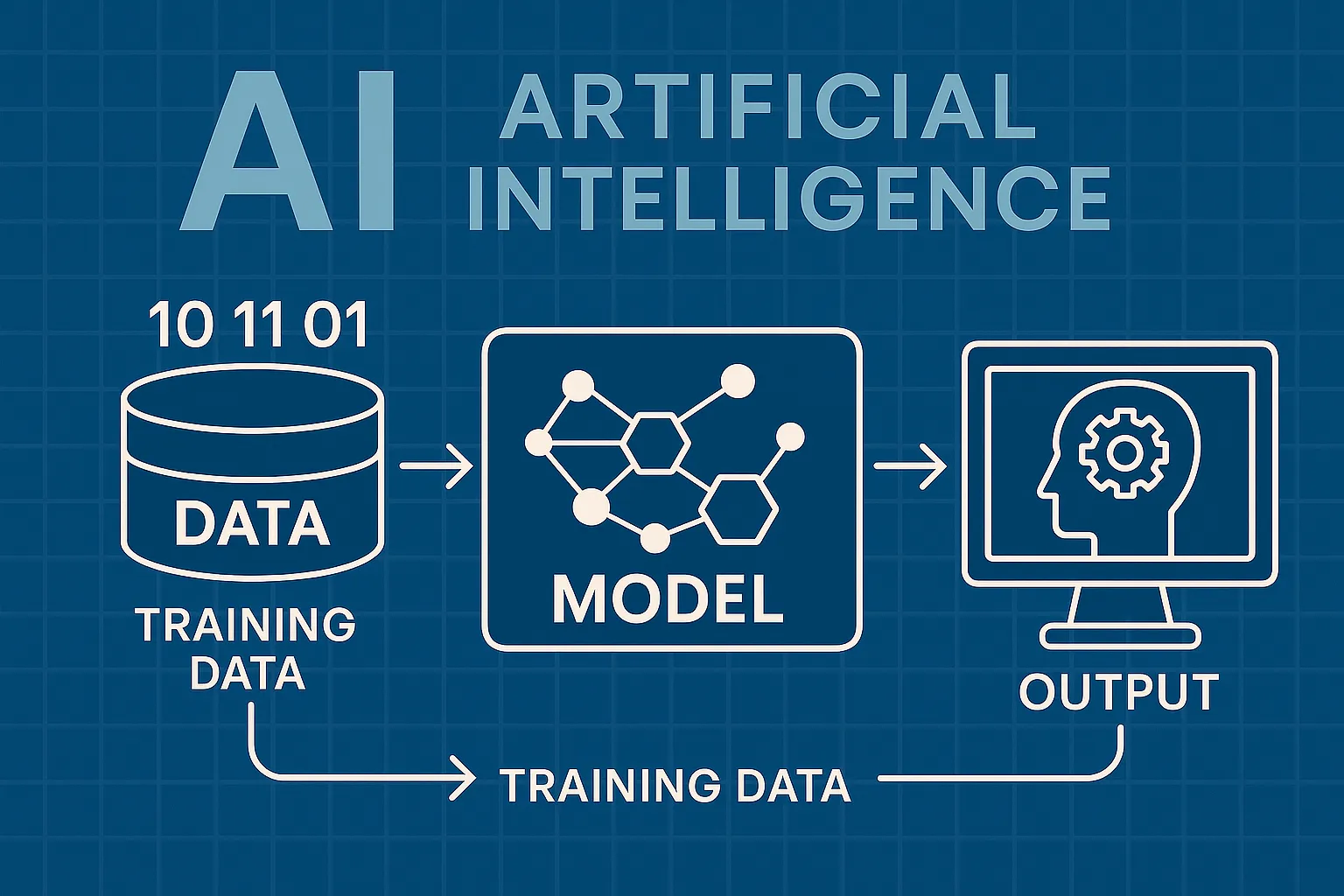
How AI Actually Works
Understand the basics of how AI systems learn, make decisions, and power tools like chatbots, image generators, and virtual assistants.
What Is Vibe Coding?
Discover the rise of vibe coding — an intuitive, aesthetic-first approach to building websites and digital experiences with help from AI tools.
7 Common Myths About AI
Think AI is conscious, infallible, or coming for every job? This post debunks the most widespread misconceptions about artificial intelligence today.
The Future of AI
From generative agents to real-world robotics, discover how AI might reshape society, creativity, and communication in the years ahead.
How AI Is Changing the Job Market
Will AI replace your job — or create new ones? Explore which careers are evolving, vanishing, or emerging in the AI-driven economy.
Common Issues with AI
Hallucinations, bias, privacy risks — learn about the most pressing problems in current AI systems and what causes them.