Content creation is evolving rapidly, and AI is now at the center of that transformation. Whether you're a YouTuber, blogger, podcaster, or multi-platform creator, AI tools can dramatically streamline your workflow, boost productivity, and enhance your creative output. These intelligent assistants help generate ideas, write scripts, edit audio and video, design visuals, and repurpose content for different formats and platforms. With the right tools, creators can maintain a steady flow of high-quality content without needing a large production team or advanced technical skills. Many AI platforms also support brand consistency, voice customization, and batch content creation—key advantages for building an engaged audience and monetizing your content. This guide highlights the best AI tools available for content creators in 2026, focusing on those that deliver powerful features, intuitive design, and maximum value. Whether you’re working solo or managing a content team, these tools can help you grow faster, reach broader audiences, and stay ahead in today’s competitive digital landscape—especially as short-form video, multi-language content, and creator-first automation continue to dominate.

Best Paid AI Tools for Content Creators
| Rank | Tool | Strength | Price | Limits |
|---|---|---|---|---|
| #1 | Adobe Creative Cloud | Pro editing + generative AI across photo, video, and design | From $54.99–$69.99/month | Subscription cost; generative credits vary by plan |
| #2 | Descript | AI video/audio editing, clips, captions, and cleanup | From $24/month | Monthly media hours and AI credits |
| #3 | Runway | AI video generation, advanced editing, and visual effects | From $12/month | Credit-based usage for generation and exports |
| #4 | OpusClip | Repurpose long videos into viral short-form clips | From $15/month | Credits per month; advanced features on higher tiers |
| #5 | Midjourney | High-quality AI images for thumbnails, brand art, and visuals | From $10/month | No permanent free tier; usage depends on plan limits |
Adobe Creative Cloud
Adobe Creative Cloud remains the most complete “all-in-one” ecosystem for serious creators, combining industry-standard tools (Photoshop, Premiere Pro, After Effects, Illustrator, Lightroom, and more) with increasingly useful AI features across the suite. For content creators, the biggest advantage is how AI is integrated directly into professional workflows—helping you remove backgrounds, generate or extend visuals, create faster rough cuts, speed up design iterations, and maintain brand consistency without bouncing between a dozen separate apps. Adobe’s Firefly-powered generation and generative editing can reduce repetitive work (like cleanup, variations, and asset prep) while keeping you in control of the final polish. If you publish across multiple platforms and care about quality, brand safety, and pro-level output, Creative Cloud is still the best long-term investment—especially for creators who want one subscription that covers photo, video, audio touch-ups, and design under one roof.
Descript
Descript is one of the most creator-friendly editors because it lets you edit audio and video like a document—delete words from the transcript, and the timeline updates automatically. In 2026, it’s especially valuable for creators who want to move fast: you can clean up audio, remove filler words, improve clarity, generate captions, and create short clips for TikTok/Reels/Shorts without needing advanced editing skills. Descript also includes strong creator-focused AI features like screen recording, studio sound enhancement, and tools that help turn long recordings into publishable assets quickly. For podcasters, YouTubers, streamers, educators, and solo creators, it acts like a lightweight production studio that speeds up editing and repurposing while still producing professional results.
Runway
Runway is a top choice for creators who want next-level visuals, AI video generation, and modern post-production tools without learning complex VFX pipelines. It’s widely used for creating short-form visuals, stylized transitions, background replacement, motion effects, and AI-generated clips that can enhance storytelling—especially for ads, music content, trailers, or high-impact social videos. Runway’s credit-based model makes it flexible: casual creators can experiment and scale up when needed, while frequent creators can use it as a core part of their production workflow. If your content relies on unique visuals, fast iteration, and “wow factor” edits, Runway is one of the most powerful creator-focused AI platforms available right now.
OpusClip
OpusClip is built for the modern creator workflow: take one long video and turn it into a week (or month) of short-form content. It uses AI to find compelling moments, reframe for vertical, add captions, and generate multiple clip options—making it ideal for podcasts, interviews, tutorials, livestream highlights, and talking-head content. Features like virality scoring and auto-captioning help creators prioritize what to post, while brand templates and automation reduce the repetitive parts of short-form editing. If your growth strategy depends on Shorts/Reels/TikTok, OpusClip can save hours per week and make consistent posting realistic—even for a solo creator with limited editing time.
Midjourney
Midjourney is one of the best tools for creators who want striking, scroll-stopping visuals—especially for thumbnails, channel branding, product mockups, concept art, and stylized assets. Compared to many “quick” image generators, Midjourney is known for strong aesthetics and creative composition, which makes it particularly useful for creators who care about visual identity. You can generate background plates for videos, unique blog headers, cover art for podcasts, mood boards for content series, and consistent brand visuals with the right prompting approach. While it’s not a full design suite on its own, it pairs extremely well with editing tools like Photoshop/Canva, and it can quickly produce visual ideas that would normally take a designer hours to explore.
Best Free AI Tools for Content Creators
| Rank | Tool | Strength | Limitations |
|---|---|---|---|
| #1 | ChatGPT (Free) | Ideas, scripts, hooks, captions, and content planning | Feature access and limits vary; fewer tools than paid tiers |
| #2 | Canva (Free) | Thumbnails, brand kits, templates, and fast social graphics | Many premium templates and AI features are Pro-only |
| #3 | CapCut (Free) | Short-form video editing with beginner-friendly AI features | Some effects/tools and exports may be limited or gated |
| #4 | Descript (Free) | Text-based editing, captions, and quick creator workflow testing | Limited monthly minutes; watermarks and export restrictions |
| #5 | OpusClip (Free) | Auto-clipping and captions for repurposing long videos | Watermark, limited credits, and limited editing on free tier |
ChatGPT (Free)
ChatGPT is a versatile assistant for creators who need help brainstorming ideas, writing hooks, drafting scripts, generating captions, outlining videos, or building a content calendar. It’s especially useful for speeding up the “blank page” stage—turning rough topics into structured outlines, punchier intros, and platform-specific variations (like a YouTube description plus a Shorts caption set). Creators can also use it to workshop titles, tighten storytelling, rewrite awkward segments, and repurpose a single idea into multiple formats. While the free experience has fewer features than paid tiers and usage limits can vary, it’s still one of the best zero-cost tools for creators who want faster planning and more consistent publishing.
Canva (Free)
Canva’s free tier is a creator staple for thumbnails, banners, social posts, simple animations, and fast brand-consistent visuals. It’s ideal for creators who want professional-looking graphics without learning complex design tools. With drag-and-drop templates, quick resizing options (on supported features), and a huge library of assets, Canva helps you produce content at scale—especially when you’re posting across multiple platforms. While many advanced AI tools and premium templates are gated behind Pro, the free version is still powerful enough for consistent thumbnail creation, simple brand systems, and polished social assets that make your content look more professional.
CapCut (Free)
CapCut is one of the most popular choices for short-form creators because it makes editing fast, approachable, and optimized for vertical video platforms. Even on the free tier, creators can cut clips quickly, add captions, apply effects, sync edits to music, and polish content for TikTok, Reels, and Shorts. It’s particularly useful for creators who want speed over complexity—turning raw footage into publishable content with minimal friction. Some advanced features, premium effects, and certain export options may be limited or gated, but for most creators, the free version is still a practical daily driver for consistent short-form output.
Descript (Free)
Descript’s free plan is a great way to test a modern creator workflow without committing to a subscription. You can experience the core “edit like text” approach, explore transcription-based editing, and try creator-friendly features that reduce tedious timeline work. It’s particularly helpful for experimenting with podcast-style content, YouTube talking-head edits, and quick caption workflows. The free tier is limited in monthly minutes and may include watermarks or export restrictions, but it’s still excellent for creators who want to validate whether Descript’s approach fits their workflow before upgrading.
OpusClip (Free)
OpusClip’s free tier makes it easy to try AI-powered repurposing: upload a longer video, let the tool identify key moments, and generate short-form clips with captions and reframing. This is especially valuable if you’re building a Shorts/Reels/TikTok pipeline and want to save time on the repetitive parts of clipping and formatting. On the free plan, you’ll typically have limited credits, watermarking, and reduced editing control—but it’s still a strong option for creators who want to post more consistently and see what “AI clipping” can do before moving to a paid tier.
Rankings

Chatbots
AI chatbots have quickly evolved from simple assistants into powerful, multi-purpose tools used by millions of people every day...

Image Generators
AI image generators are revolutionizing the way creatives, marketers, and developers produce visual content by transforming text prompts into detailed, customized...

Writing Assistants
AI writing assistants have become indispensable tools for anyone who writes — from students and bloggers to business professionals and marketers...

Deepfake Detection
As deepfake technology becomes more advanced and accessible, detecting AI-manipulated content is now a critical challenge across journalism, education, law, and...
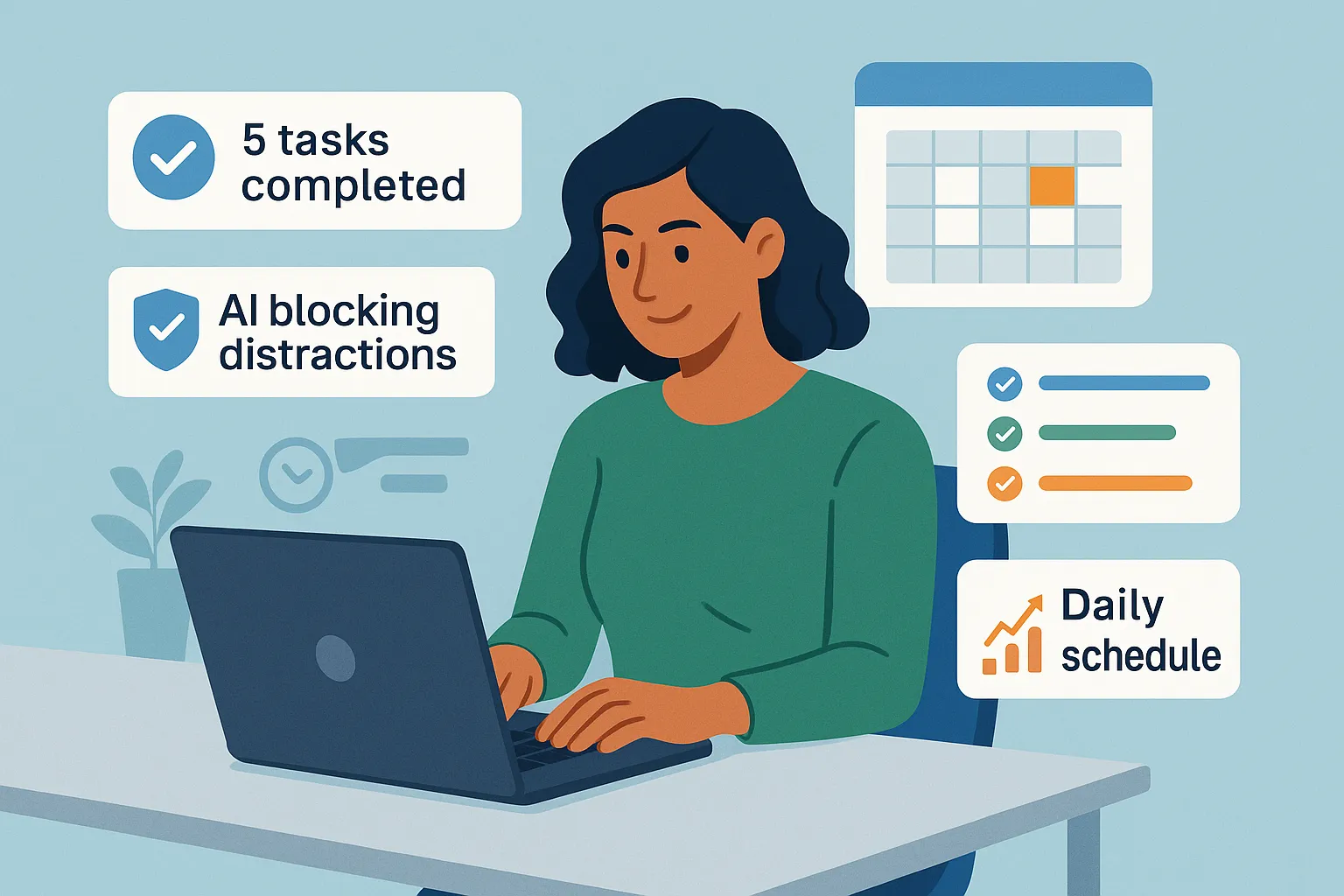
Productivity & Calendar
AI productivity and calendar tools have become essential for professionals, entrepreneurs, and students looking to make the most of their time without getting overwhelmed...
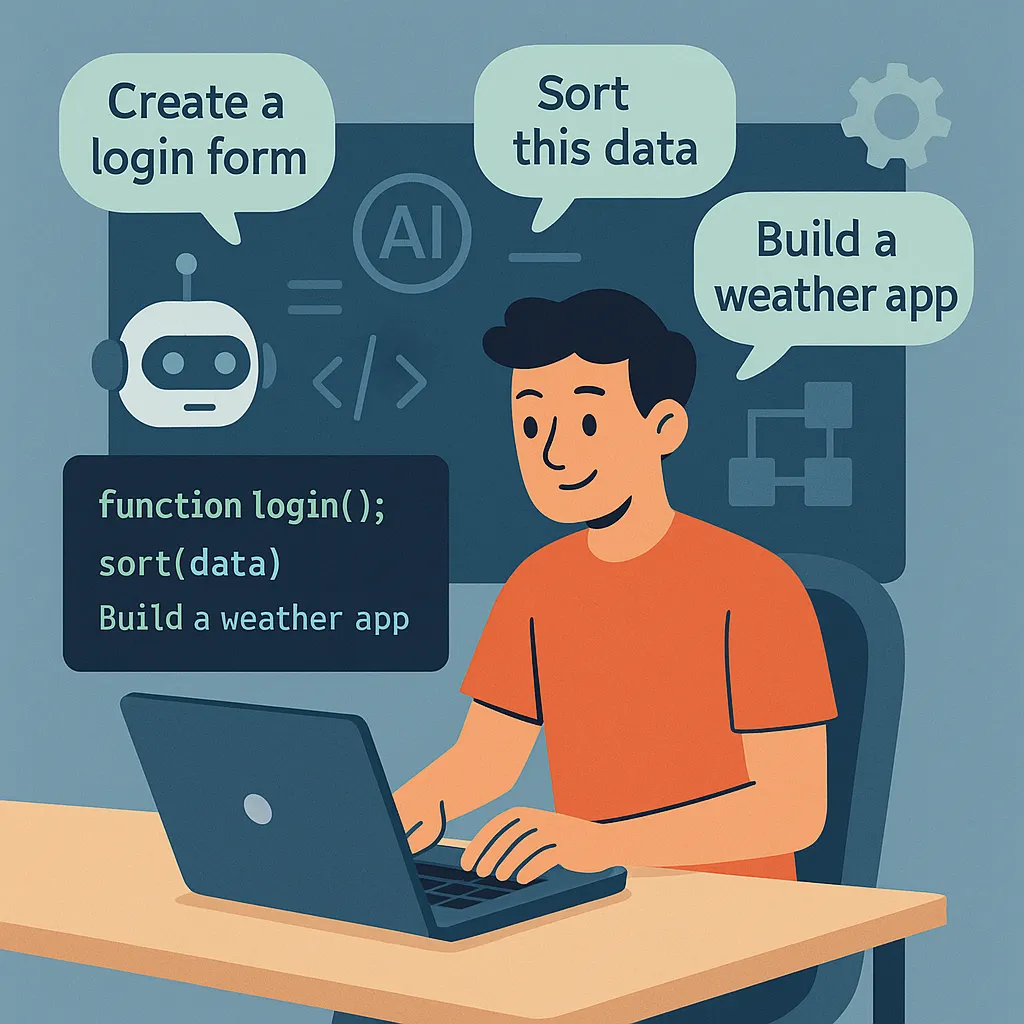
Natural Language To Code
Natural language to code tools are transforming software development by enabling users to build apps, websites, and workflows without needing advanced programming...
Blog
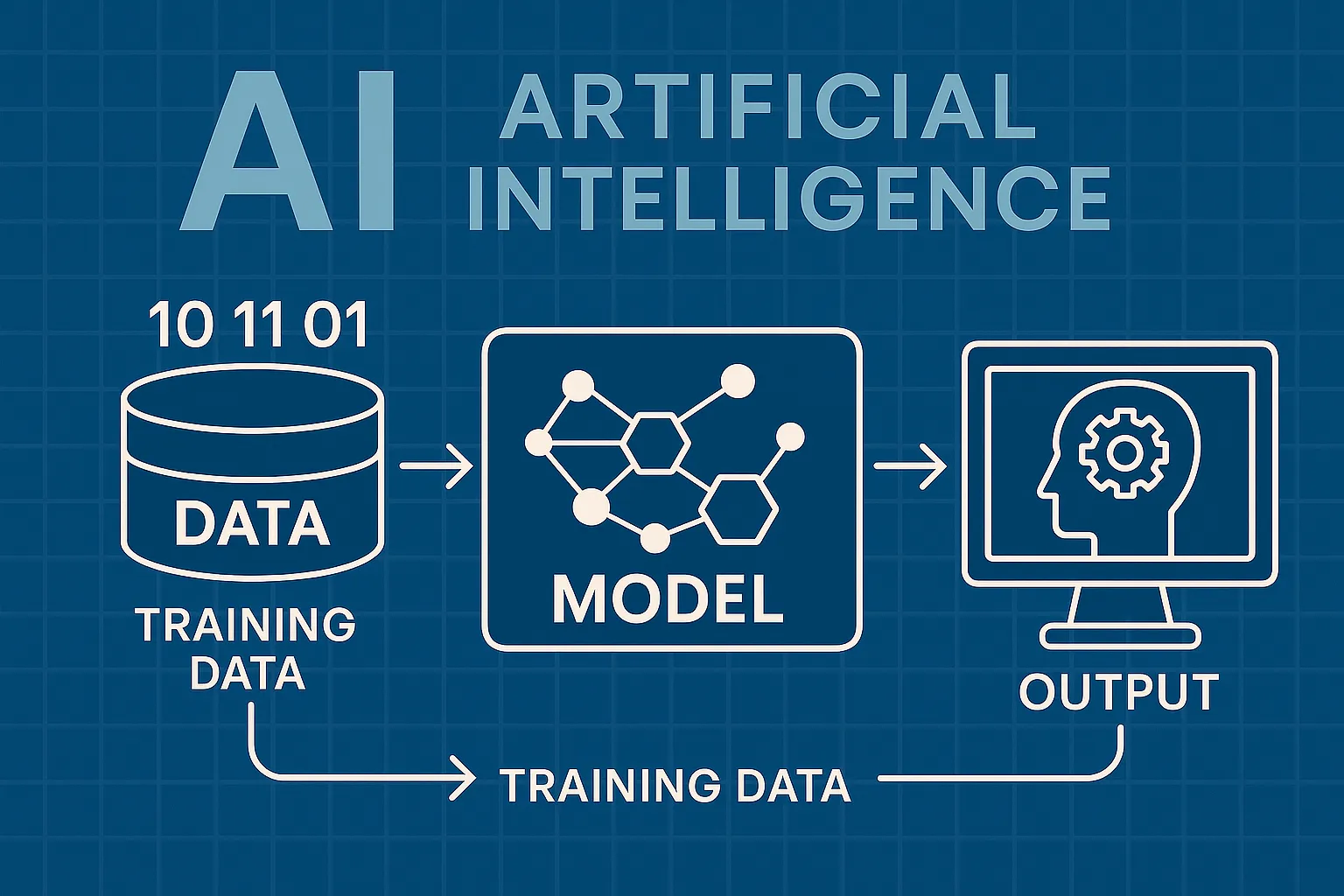
How AI Actually Works
Understand the basics of how AI systems learn, make decisions, and power tools like chatbots, image generators, and virtual assistants.

What Is Vibe Coding?
Discover the rise of vibe coding — an intuitive, aesthetic-first approach to building websites and digital experiences with help from AI tools.
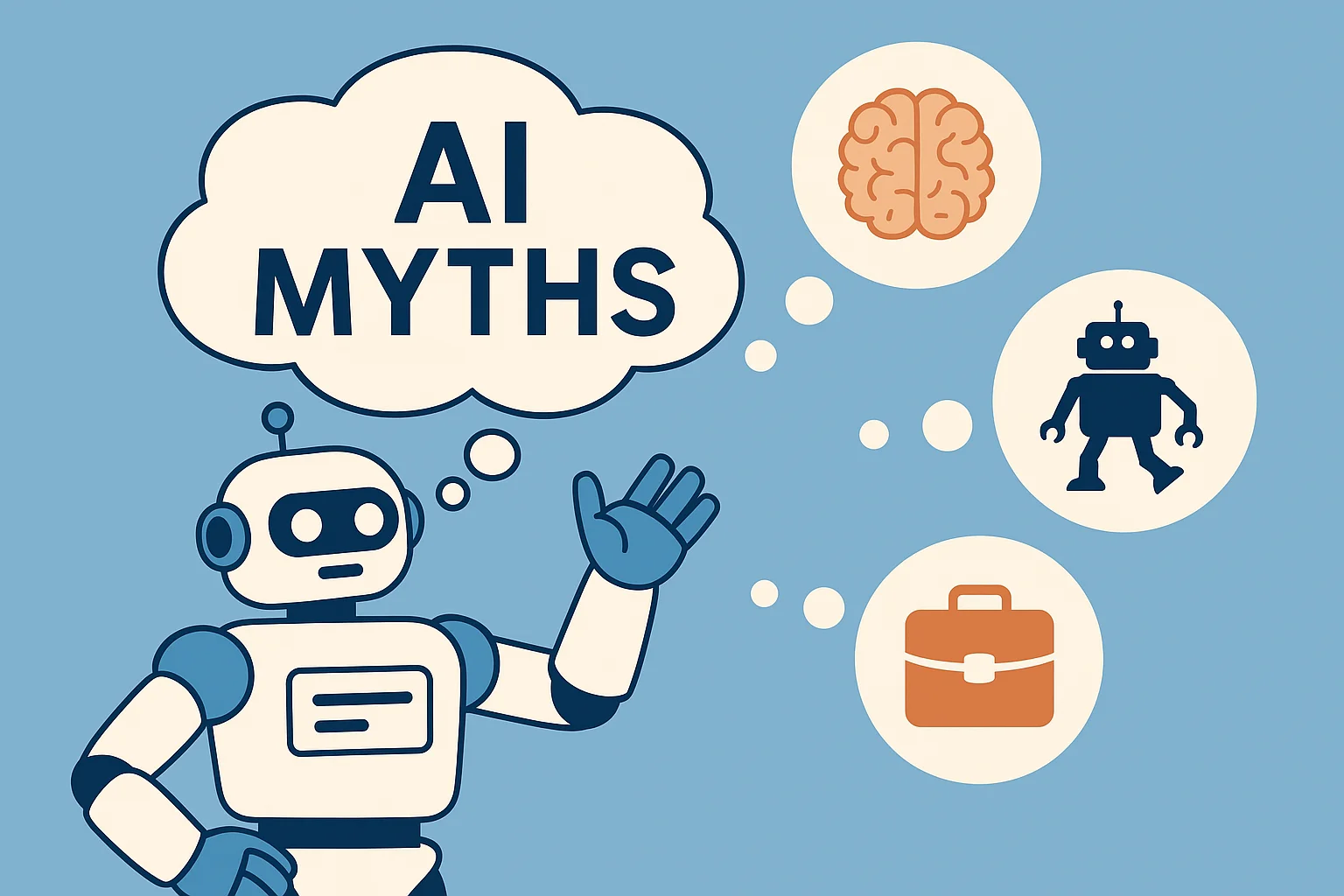
7 Common Myths About AI
Think AI is conscious, infallible, or coming for every job? This post debunks the most widespread misconceptions about artificial intelligence today.

The Future of AI
From generative agents to real-world robotics, discover how AI might reshape society, creativity, and communication in the years ahead.
How AI Is Changing the Job Market
Will AI replace your job — or create new ones? Explore which careers are evolving, vanishing, or emerging in the AI-driven economy.

Common Issues with AI
Hallucinations, bias, privacy risks — learn about the most pressing problems in current AI systems and what causes them.