Artificial intelligence is now a practical tool for everyday consumers, offering smart solutions to simplify tasks, save time, and improve quality of life. From writing and design to budgeting, trip planning, shopping research, and personal productivity, AI-powered apps are making once-complicated tasks faster and more accessible. Whether you’re drafting a personal email, organizing your day, summarizing documents, planning meals, or managing your household, there’s a user-friendly AI tool designed to help. Many of today’s top platforms are easy to use with no technical background required, and they work across devices to seamlessly fit into your daily routine. With both free and affordable paid options, AI tools for consumers are no longer niche products—they’re becoming essential digital companions that enhance convenience and efficiency across countless personal activities. This guide explores the best AI tools available in February 2026 for consumers looking to get more done with less effort, helping you make smarter decisions, express yourself clearly, and stay organized in an increasingly fast-paced world.

Top Paid AI Tools for Consumers
| Rank | Tool | Best For | Price | Limitations |
|---|---|---|---|---|
| #1 | ChatGPT Plus | All-purpose help: writing, planning, learning, and daily problem-solving | $20/month | Usage limits still apply; advanced features vary by region |
| #2 | Google AI Pro (Gemini) | Google-integrated AI for research, productivity, and multimodal assistance | $19.99/month | Best experience in Google ecosystem; feature limits depend on plan |
| #3 | Microsoft 365 Premium | Copilot built into Word/Excel/Outlook for personal productivity | $19.99/month | AI benefits mainly for the subscription owner; ecosystem lock-in |
| #4 | Canva Pro | Design, social graphics, documents, and quick creative tasks | From $12.99/month | Some AI features/stock assets vary by licensing and plan limits |
| #5 | Grammarly Pro | Polished writing, rewrites, tone, clarity, and everyday proofreading | From $12/month (annual) | Best features require desktop/browser integration; monthly plans cost more |
ChatGPT Plus
ChatGPT Plus is one of the most practical “daily driver” AI upgrades for consumers because it’s useful across almost every routine task: writing emails, creating meal plans, organizing a schedule, comparing options before a purchase, learning new skills, and brainstorming ideas quickly. Compared to most single-purpose apps, it shines as an all-in-one assistant that can switch contexts instantly—from helping you craft a polite message to generating a travel checklist or summarizing a long article into key takeaways. It’s also helpful for translating, tutoring, and step-by-step guidance when you’re stuck on something at home, at work, or in school. While it still has usage limits and features can vary over time, Plus is best for people who use AI frequently and want a faster, more capable experience than typical free tiers.
Google AI Pro (Gemini)
Google AI Pro is a strong option for consumers who live in the Google ecosystem and want an AI assistant that feels naturally connected to the tools they already use. Gemini can help with research-style questions, personal planning, drafting messages, and “think it through” tasks like comparing products, building routines, or outlining a project. It’s especially convenient when your daily life already runs through Google services—Gmail, Docs, Drive, Calendar, and Chrome—because the experience tends to be smoother when your files, notes, and browsing habits are in one place. For consumers, the value is speed and convenience: fewer tabs, quicker summaries, and faster decision-making. The main tradeoff is that it’s best when you commit to Google’s ecosystem, and the exact limits and perks depend on the subscription tier.
Microsoft 365 Premium
Microsoft 365 Premium is ideal for consumers who rely on Word, Excel, PowerPoint, and Outlook and want AI support built directly into those apps instead of switching between separate tools. It’s great for real-world personal productivity: rewriting and responding to emails, turning notes into structured documents, generating checklists, summarizing long content, and even getting help with spreadsheets and budgeting templates. Copilot’s biggest advantage is workflow acceleration—doing more inside the apps you already use rather than copy-pasting content across multiple sites. For families and home users, it can be especially useful for planning, schoolwork support, and personal finances. The key limitation is that the richest AI benefits are typically tied to the subscription owner, and it’s most valuable if you’re already committed to Microsoft’s ecosystem.
Canva Pro
Canva Pro is a consumer-friendly upgrade for anyone who wants to create better-looking visuals without becoming a designer. It’s perfect for personal projects like invitations, resumes, social posts, flyers, presentations, and simple brand assets for side hustles. The Pro tier unlocks a larger library of premium templates and assets and typically offers more powerful creative tools, which can save time when you want something that looks polished fast. For everyday consumers, the “win” is convenience: you can design, edit, and export high-quality graphics in minutes, even on a phone. If you frequently create content—whether for personal events, school, or a small business—Canva Pro becomes a practical productivity tool, not just a creative one. The main limitation is that certain AI features and stock assets can depend on licensing and plan rules, so it’s best for regular creators rather than occasional users.
Grammarly Pro
Grammarly Pro is a high-impact consumer tool because writing shows up everywhere: emails, job applications, schoolwork, messages, and social posts. Pro goes beyond basic spellcheck by improving clarity, tone, and readability, and it can suggest stronger wording that still sounds like you. That matters for everyday life—writing a sensitive message, sounding confident in a professional email, or making your resume bullet points more compelling. It’s also useful for people who write quickly and want an “always-on” safety net that catches mistakes and awkward phrasing before you hit send. Grammarly works best when you install the browser extension or desktop app, since that brings suggestions into the places you already type. The main drawback is that the best value is often on annual billing, and the full feature set is strongest when you use it consistently across devices.
Top Free AI Tools for Consumers
| Rank | Tool | Best For | Limitations |
|---|---|---|---|
| #1 | ChatGPT (Free) | Everyday help: questions, writing, planning, and quick learning | Lower limits and fewer advanced tools than paid tiers |
| #2 | Google Gemini (Free) | Fast answers, drafts, and Google-connected assistance | Lower model access and quotas vs Google AI Pro/Ultra |
| #3 | Microsoft Copilot (Free) | Daily productivity prompts, summaries, and quick drafting | Less integration and fewer premium features than Microsoft 365 Premium |
| #4 | Canva (Free) | Designing simple graphics, documents, and personal projects | Many premium templates/assets and some advanced tools are locked |
| #5 | QuillBot (Free) | Rewriting, basic grammar fixes, and quick summarizing | Strict word caps and limited modes on the free plan |
ChatGPT (Free)
ChatGPT is a flexible, conversational AI that can help with virtually anything—writing a message, brainstorming gift ideas, organizing a routine, explaining a confusing topic, or turning a messy thought into a clean plan. For consumers, it’s especially valuable because it doesn’t require technical skills: you just type what you need in plain language and refine from there. It’s useful for everyday tasks like creating packing lists, planning meals, comparing options before a purchase, and summarizing long content into key points. The free version is still powerful for day-to-day assistance, but it typically comes with lower usage limits and fewer advanced features than paid tiers. Even so, it’s one of the best “first AI tools” to try because it’s simple, fast, and helpful across a wide range of personal needs.
Google Gemini (Free)
Google Gemini (Free) is a convenient AI assistant for consumers who want quick drafts, summaries, and research-style answers with a smooth, modern interface. It’s useful for everyday planning—like outlining a workout routine, drafting a friendly email, or getting a quick breakdown of a topic—without spending money upfront. Gemini can also be handy when you’re already using Google services in your daily life, since it fits naturally into that workflow for many users. As with most free AI tools, the tradeoff is access: you may get lower quotas, fewer premium features, and reduced model capability compared to paid subscriptions. Still, for casual use and quick help, Gemini is a strong free option for staying productive and informed.
Microsoft Copilot (Free)
Microsoft Copilot (Free) is a practical choice for consumers who want a straightforward AI assistant for drafting, summarizing, and quick idea generation—especially if they already use Microsoft products. It can help you write cleaner emails, turn long text into bullet points, generate simple outlines, and get quick explanations when you’re learning something new. For daily life, it’s also useful for planning tasks: creating a weekly schedule, drafting a budget template, or organizing a to-do list with clear steps. The free version is typically best for lightweight use, while deeper integrations and higher limits are more common in paid Microsoft plans. Even so, Copilot is a strong free pick if you want quick, reliable assistance without overthinking settings or complex features.
Canva (Free)
Canva is a drag-and-drop design platform that makes it easy for consumers to create everything from greeting cards and birthday invites to resumes, school posters, and social graphics—no design experience required. The free plan includes a huge selection of templates and simple editing tools for text, images, and layouts, which is why Canva has become a go-to for personal creativity and everyday projects. It’s also great for “life admin” tasks like building a clean-looking document, flyer, or checklist you actually want to use. The biggest limitation is that many premium templates, stock assets, and advanced tools are locked behind Pro. Still, if you only need solid designs quickly and occasionally, the free plan is more than enough.
QuillBot (Free)
QuillBot is a handy free tool for consumers who want quick rewrites, cleaner phrasing, and shorter summaries without starting from scratch. It’s especially useful when you have “almost good” writing—like a cover letter paragraph, a personal email, or a school response—that needs to sound smoother, clearer, or more natural. QuillBot can also help break down long content into digestible summaries, which is great when you’re trying to understand something quickly or turn a dense page into key takeaways. The main downside is that the free plan has strict word caps and limited modes, so heavy users may hit limits fast. For light consumer use, though, it’s a simple and effective productivity booster.
Rankings

Chatbots
AI chatbots have quickly evolved from simple assistants into powerful, multi-purpose tools used by millions of people every day...

Image Generators
AI image generators are revolutionizing the way creatives, marketers, and developers produce visual content by transforming text prompts into detailed, customized...

Writing Assistants
AI writing assistants have become indispensable tools for anyone who writes — from students and bloggers to business professionals and marketers...

Deepfake Detection
As deepfake technology becomes more advanced and accessible, detecting AI-manipulated content is now a critical challenge across journalism, education, law, and...
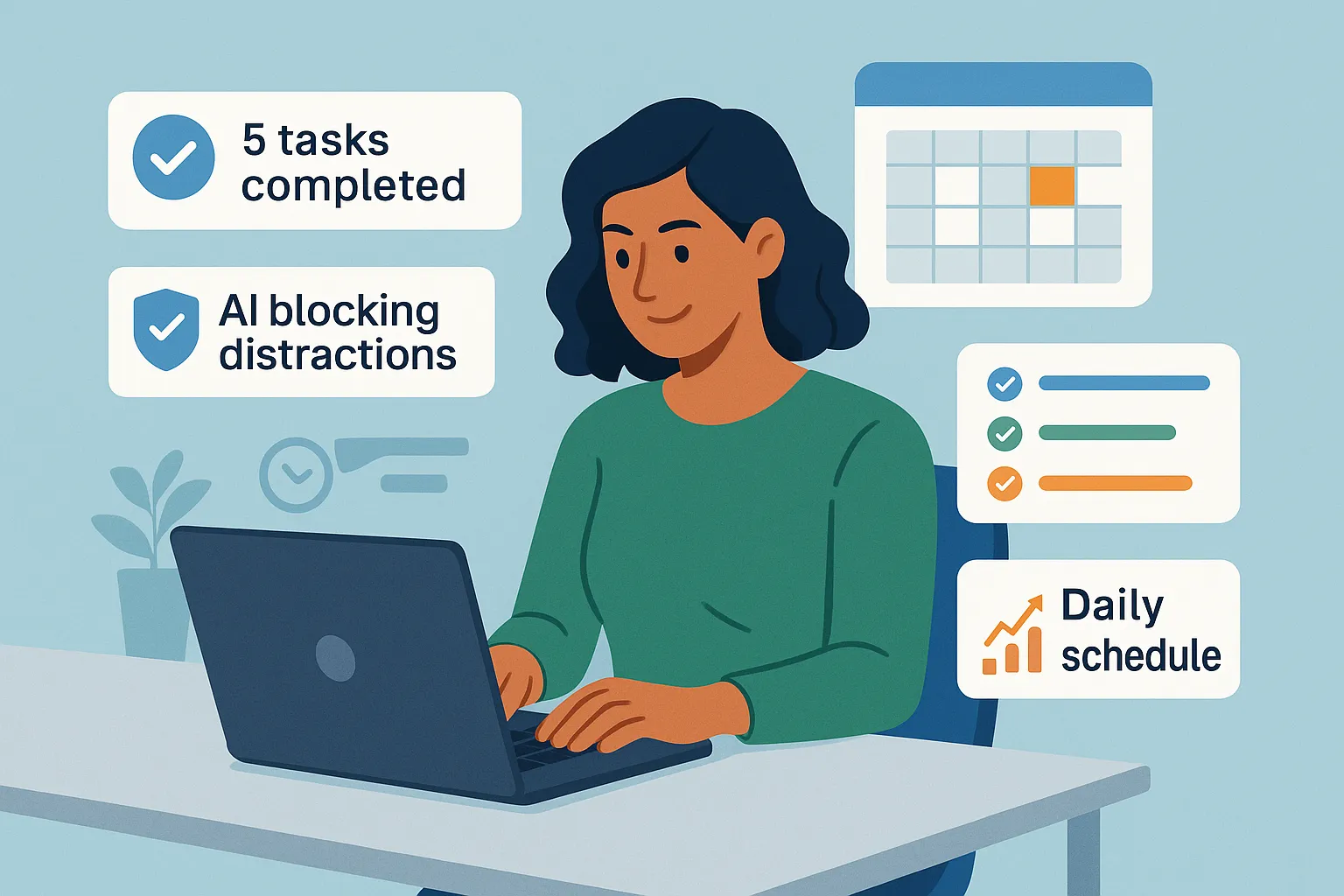
Productivity & Calendar
AI productivity and calendar tools have become essential for professionals, entrepreneurs, and students looking to make the most of their time without getting overwhelmed...
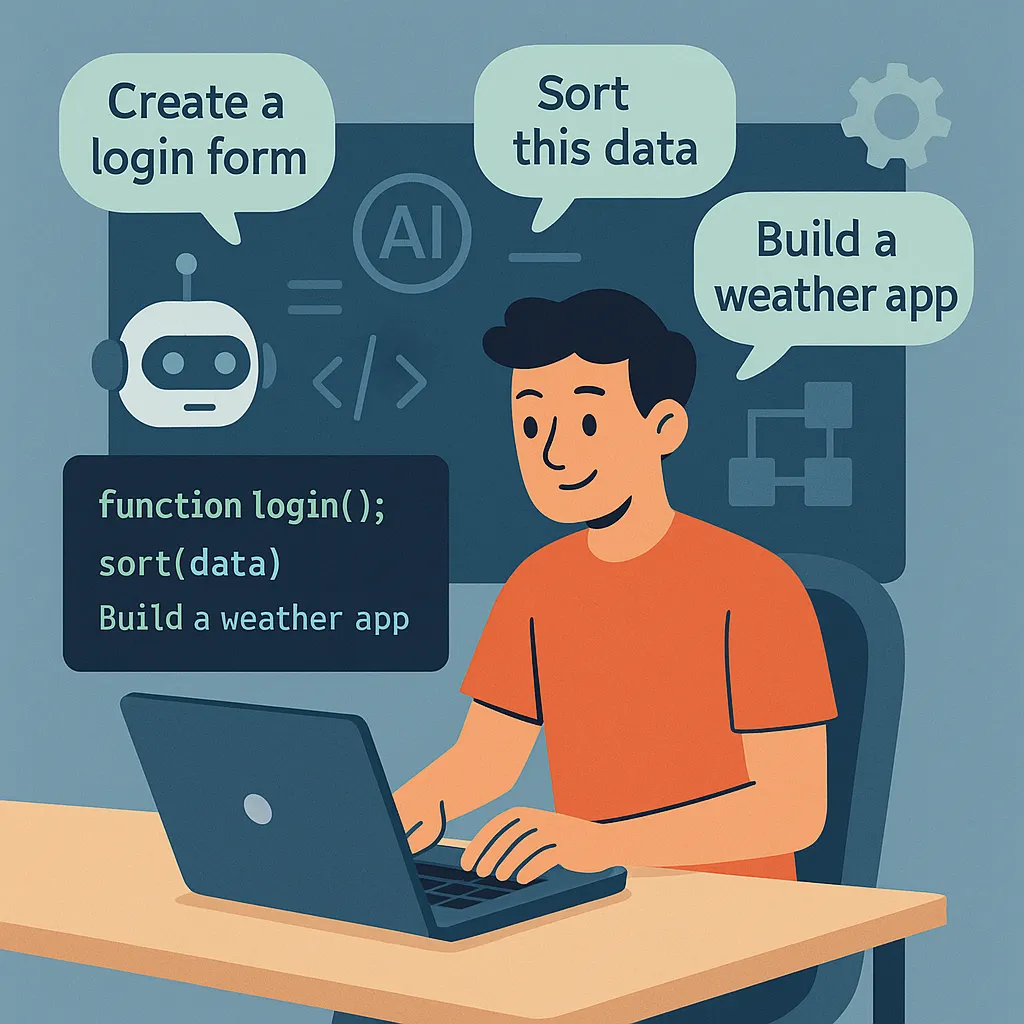
Natural Language To Code
Natural language to code tools are transforming software development by enabling users to build apps, websites, and workflows without needing advanced programming...
Blog
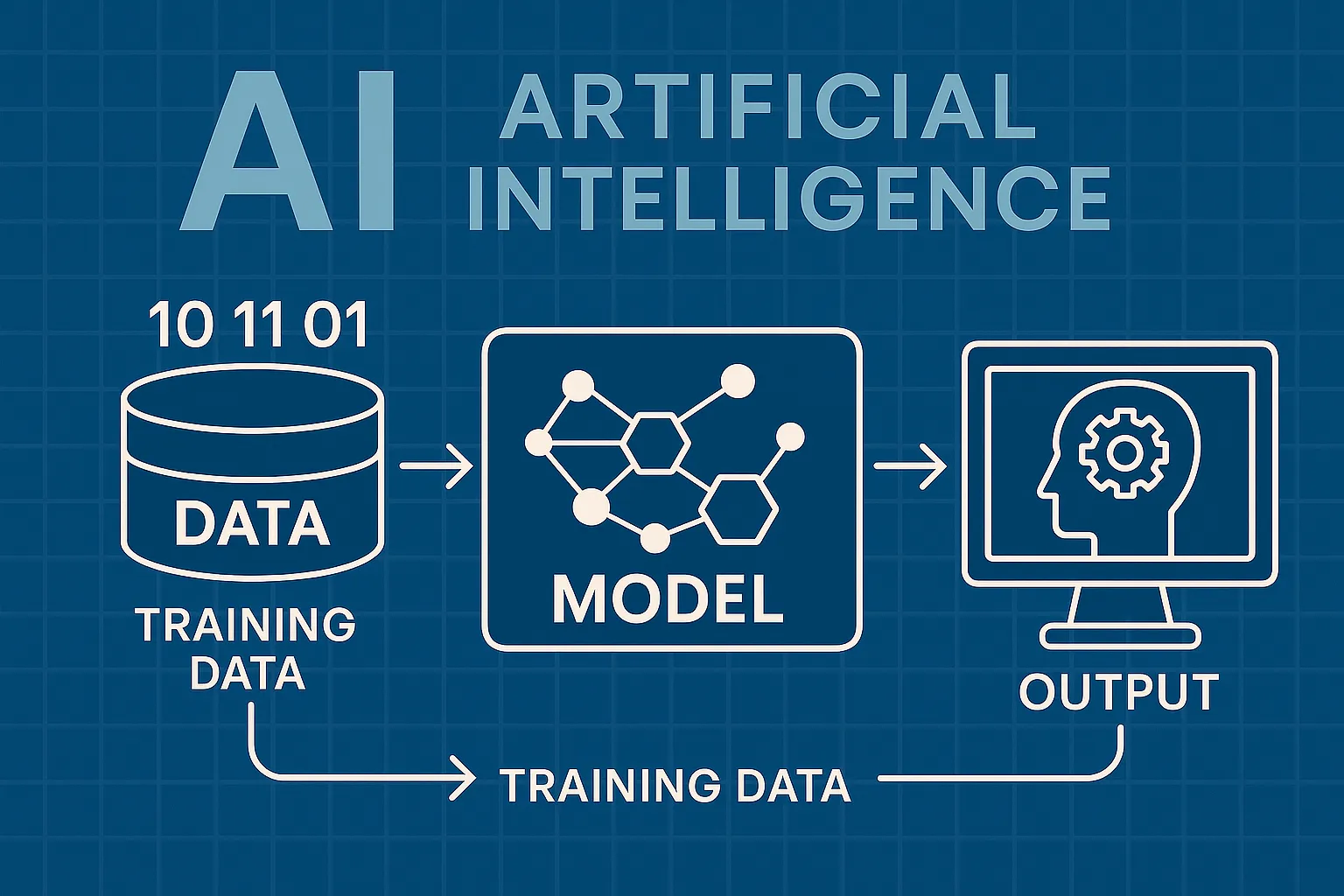
How AI Actually Works
Understand the basics of how AI systems learn, make decisions, and power tools like chatbots, image generators, and virtual assistants.

What Is Vibe Coding?
Discover the rise of vibe coding — an intuitive, aesthetic-first approach to building websites and digital experiences with help from AI tools.
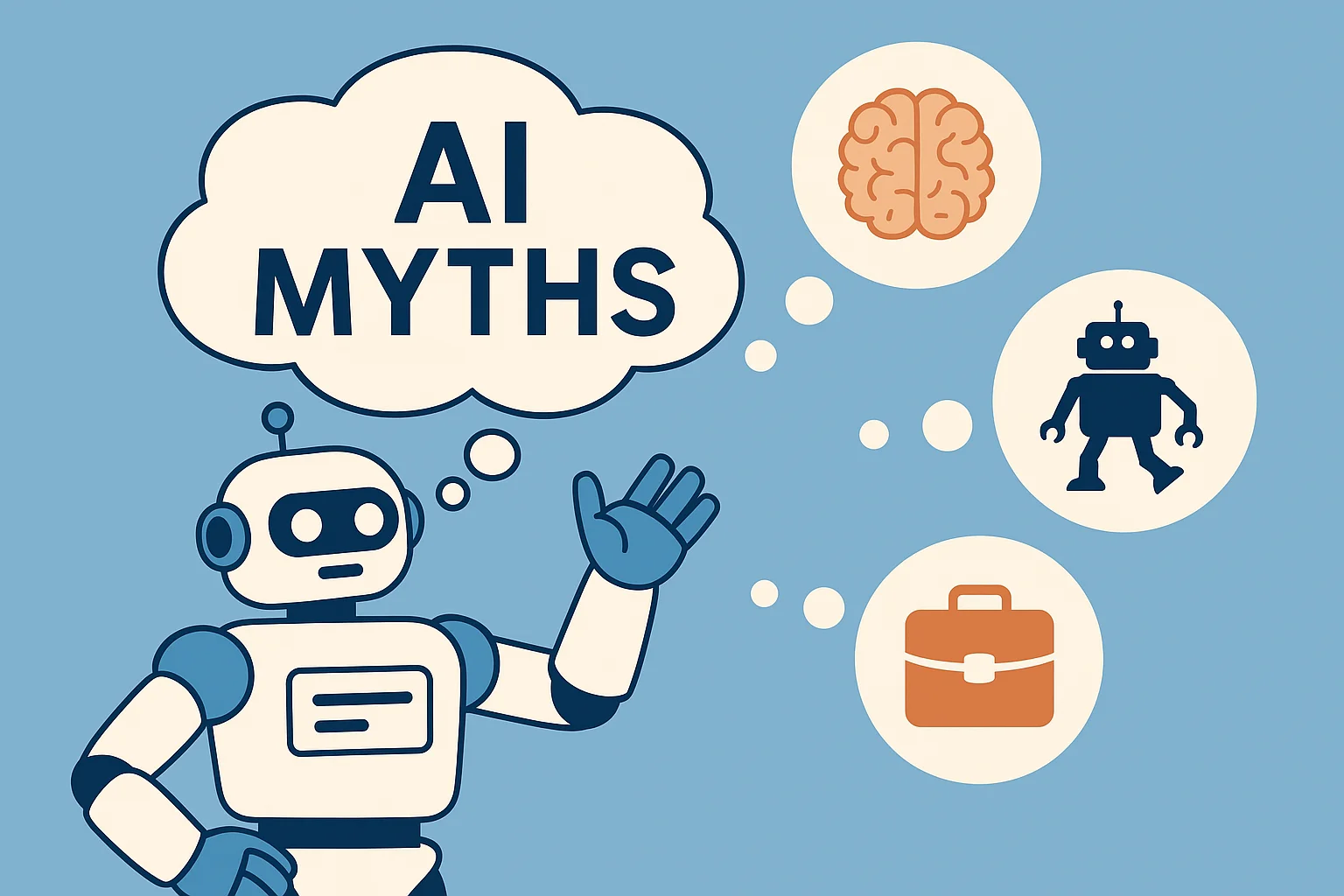
7 Common Myths About AI
Think AI is conscious, infallible, or coming for every job? This post debunks the most widespread misconceptions about artificial intelligence today.

The Future of AI
From generative agents to real-world robotics, discover how AI might reshape society, creativity, and communication in the years ahead.
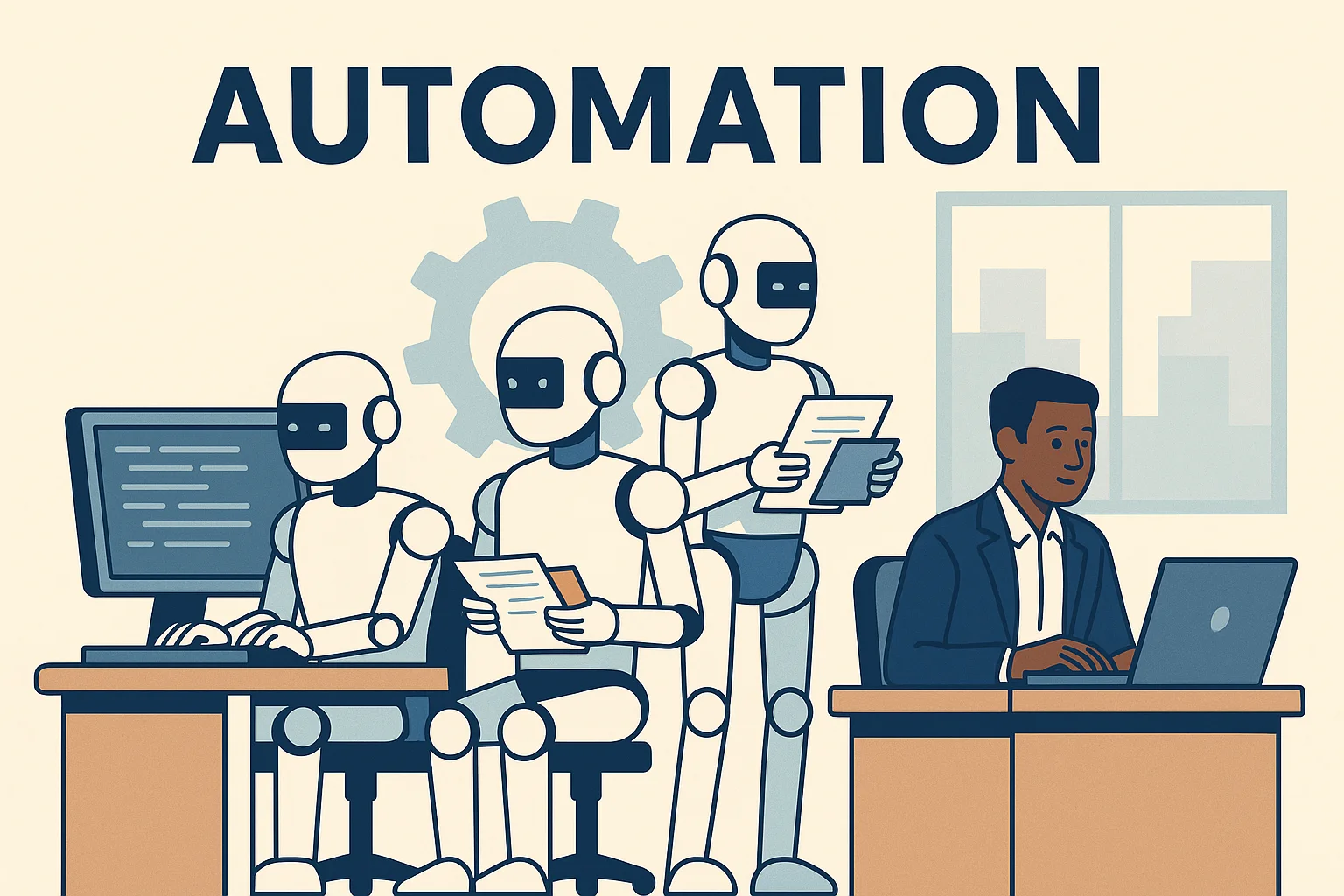
How AI Is Changing the Job Market
Will AI replace your job — or create new ones? Explore which careers are evolving, vanishing, or emerging in the AI-driven economy.

Common Issues with AI
Hallucinations, bias, privacy risks — learn about the most pressing problems in current AI systems and what causes them.