AI code review tools are revolutionizing how developers maintain code quality, enforce standards, and detect bugs—without waiting for manual feedback. These tools leverage machine learning and static analysis to catch potential issues early, suggest refactors, and even explain complex logic, all within your workflow. Whether you're working on solo projects, contributing to open-source, or managing a large team, AI reviewers can dramatically reduce review cycles and boost software reliability. They're particularly valuable in continuous integration environments, where time is critical and consistency is key. By automating many parts of the review process, these tools help streamline collaboration, prevent regressions, and uphold clean code principles across languages and platforms. Some are tailored for pull request review, while others offer in-editor suggestions, security-focused scanning, and historical code quality tracking. In this guide, we’ve compiled the best AI-powered and hybrid static analysis tools available in February 2026, both free and paid, so you can choose the right solution for faster, smarter, and more consistent code reviews.

Best Paid AI Code Review Tools
| Rank | Tool | Strength | Price | Limits |
|---|---|---|---|---|
| #1 | CodeRabbit | AI pull request reviews with line-by-line feedback | $24–$30/user/month | Seat-based; best value on annual billing |
| #2 | Qodo | Context-aware PR review + IDE + CLI quality workflows | $30/user/month | Credit limits for IDE/CLI usage; enterprise features separate |
| #3 | DeepSource | Automated code reviews + SAST + autofix in CI | From $24/user/month | Advanced autofix/AI features vary by plan |
| #4 | Codacy | Quality gates + security rules with PR checks | From $15/month | Plan limits vary by private projects / contributors |
| #5 | Snyk Code | AI-assisted code security scanning with fix guidance | From $25/month | Test limits on lower tiers; full platform often priced per product |
CodeRabbit
CodeRabbit is one of the most popular AI-first pull request reviewers for GitHub-style workflows, built to shorten review cycles without sacrificing rigor. It generates clear PR summaries, leaves line-by-line comments, highlights risky changes, and suggests improvements in readability, correctness, and maintainability. Because it runs inside the PR context, teams can use it as a consistent “always-on reviewer” that catches overlooked edge cases, naming/style issues, missing tests, and suspicious logic before humans spend time on the same feedback. It’s especially useful for busy teams handling many PRs per week, since the tool can handle routine review notes while your senior reviewers focus on architecture, product intent, and tricky business logic.
Qodo
Qodo is a full AI code review platform designed for teams that want more than basic suggestions. It combines PR-based review with optional IDE and CLI workflows, so developers can catch issues before opening a pull request and maintain a strong quality loop during development. Qodo’s strength is context: it’s designed to understand larger codebases, reduce noisy feedback, and surface higher-signal issues such as flawed assumptions, incomplete changes, and unsafe patterns. It also supports governance-style workflows—helping teams enforce standards and reduce regressions across multiple contributors. If you want an AI reviewer that fits both individual developer flow and team-wide review processes, Qodo is a strong “platform” option rather than a single-feature add-on.
DeepSource
DeepSource blends AI-assisted review with robust static analysis and security scanning, making it ideal for CI/CD pipelines where consistency is everything. It automatically scans code for bugs, security issues, anti-patterns, performance pitfalls, and formatting problems—then reports results directly on pull requests and dashboards. For teams maintaining long-lived repositories, DeepSource helps reduce technical debt by preventing regressions and enforcing standards across contributors. It’s particularly valuable if you want code review automation that goes beyond “style comments,” including security-focused SAST checks and developer-friendly fixes that can be applied quickly.
Codacy
Codacy is a widely used code quality and security platform that focuses on measurable standards, quality gates, and repeatable enforcement across repositories. It scans code against thousands of rules, tracks issues over time, and integrates into pull requests so teams can block merges when quality thresholds aren’t met. While not positioned as a pure “LLM reviewer,” Codacy is extremely effective at keeping codebases clean, consistent, and secure—especially in organizations where many developers contribute and consistency matters more than subjective feedback. If you want a reliable guardrail system that supports multi-repo teams, CI checks, and continuous improvement, Codacy is a strong choice for professional workflows.
Snyk Code
Snyk Code is built for teams that want code review automation with a strong security angle. It performs code scanning (SAST) and uses AI-assisted guidance to help developers understand issues and fix them faster—often directly from the IDE or within pull requests. This is especially useful for preventing security regressions introduced by rushed changes, copy/paste code, or AI-generated snippets that look correct but contain risky patterns. Snyk Code works best when paired with broader “secure SDLC” habits, giving teams earlier visibility into vulnerabilities and clear remediation steps so security becomes part of everyday development rather than a late-stage audit.
Best Free AI Code Review Tools
| Rank | Tool | Strength | Limitations |
|---|---|---|---|
| #1 | SonarQube Cloud (OSS Plan) | Top-tier code quality & security analysis for public repos | OSS/public-only on the free OSS plan |
| #2 | Sourcery (GitHub Action) | Automated PR feedback for Python refactors & readability | Best for Python; private repos typically require paid tier |
| #3 | Code Review GPT (Shippie) | LLM-based PR reviews via GitHub Action | Requires model/API key; results depend on prompts and context |
| #4 | ReviewGPT (GitHub App) | Quick PR summaries and automated review-style comments | Feature depth and accuracy vary by repo size and configuration |
| #5 | CodeQL (GitHub Code Scanning) | Industry-leading semantic analysis for security and bugs | Not an LLM reviewer; requires setup and tuning for best results |
SonarQube Cloud (OSS Plan)
SonarQube Cloud’s OSS plan is one of the strongest “free code review” options for public repositories because it provides professional-grade quality and security analysis without charging open-source teams. It flags bugs, vulnerabilities, security hotspots, and maintainability issues, then reports them directly on pull requests with clean dashboards that help you track code health over time. While it isn’t a conversational AI reviewer, it acts as a highly consistent automated reviewer that enforces standards on every PR—making it especially useful for open-source projects, student repos, and public libraries where many contributors submit changes. If you want dependable guardrails that run continuously, SonarQube Cloud is hard to beat.
Sourcery (GitHub Action)
Sourcery is a Python-focused reviewer that shines at improving readability, simplifying logic, and reducing code complexity. As a GitHub Action, it can automatically review pull requests and suggest refactors that make functions clearer and more maintainable—often catching nested logic, repetitive patterns, and “hard to read” sections before they become long-term technical debt. For Python developers, it’s like having an opinionated reviewer that constantly nudges your code toward clean, idiomatic patterns. The main limitation is scope: it’s best when your project is Python-heavy, and more advanced usage (especially for private repos) may require a paid subscription.
Code Review GPT (Shippie)
Code Review GPT is a practical option if you want LLM-style feedback in pull requests without committing to a dedicated SaaS reviewer. It runs as a GitHub Action, posts review comments, and can be tuned via prompts to focus on the things you care about—like missing edge cases, potential null handling issues, unclear naming, performance traps, or test coverage gaps. This makes it useful for small teams and solo developers who want a lightweight “second set of eyes” that fits into CI. The tradeoff is that you typically need to supply your own model/API key, and output quality depends heavily on repository context, diff size, and how well you configure prompts and permissions.
ReviewGPT (GitHub App)
ReviewGPT is a GitHub App designed to speed up PR understanding by generating summaries and review-style feedback automatically. For many teams, the biggest hidden cost in review is simply getting context—what changed, why it changed, and what risks the change introduces. ReviewGPT helps reduce that overhead by providing quick, readable guidance that reviewers can use as a starting point. It’s best for routine PRs where you want faster triage and consistent baseline comments, especially in busy repos where reviewers are frequently switching between contexts. Like most automated reviewers, it works best when paired with human review for product logic and architecture decisions.
CodeQL (GitHub Code Scanning)
CodeQL is GitHub’s semantic code analysis engine and remains one of the most powerful free tools for catching security vulnerabilities and bug patterns—especially in open-source projects. It treats code like data, enabling deep analysis that goes far beyond simple linting or regex-based checks. In practice, CodeQL can identify entire classes of vulnerabilities across a repository and help teams prevent repeats by using community-maintained or custom queries. While it isn’t an “AI reviewer” that writes conversational comments, it is one of the highest-signal automated reviewers you can add to CI, particularly for security-sensitive codebases. If your priority is preventing serious vulnerabilities and enforcing secure patterns, CodeQL is an excellent baseline tool.
Rankings

Chatbots
AI chatbots have quickly evolved from simple assistants into powerful, multi-purpose tools used by millions of people every day...

Image Generators
AI image generators are revolutionizing the way creatives, marketers, and developers produce visual content by transforming text prompts into detailed, customized...

Writing Assistants
AI writing assistants have become indispensable tools for anyone who writes — from students and bloggers to business professionals and marketers...
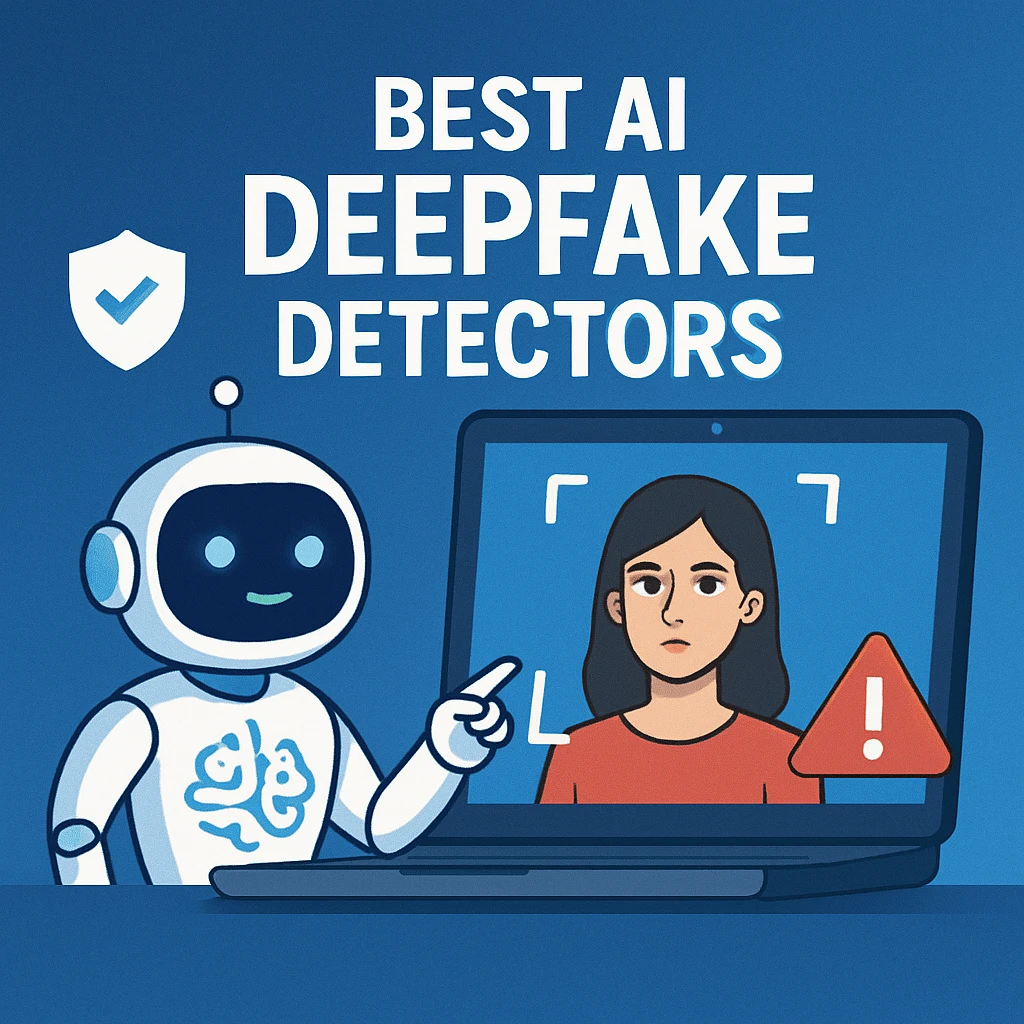
Deepfake Detection
As deepfake technology becomes more advanced and accessible, detecting AI-manipulated content is now a critical challenge across journalism, education, law, and...

Productivity & Calendar
AI productivity and calendar tools have become essential for professionals, entrepreneurs, and students looking to make the most of their time without getting overwhelmed...
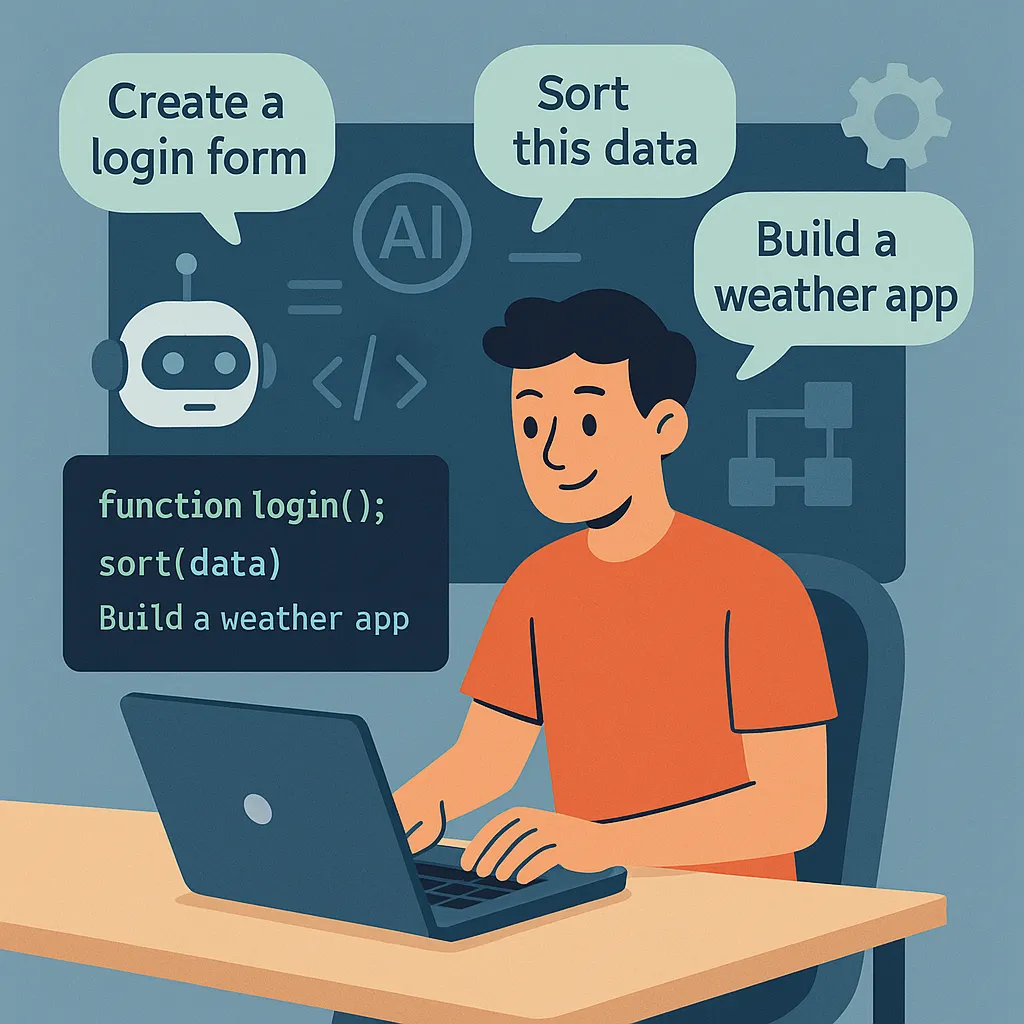
Natural Language To Code
Natural language to code tools are transforming software development by enabling users to build apps, websites, and workflows without needing advanced programming...
Blog
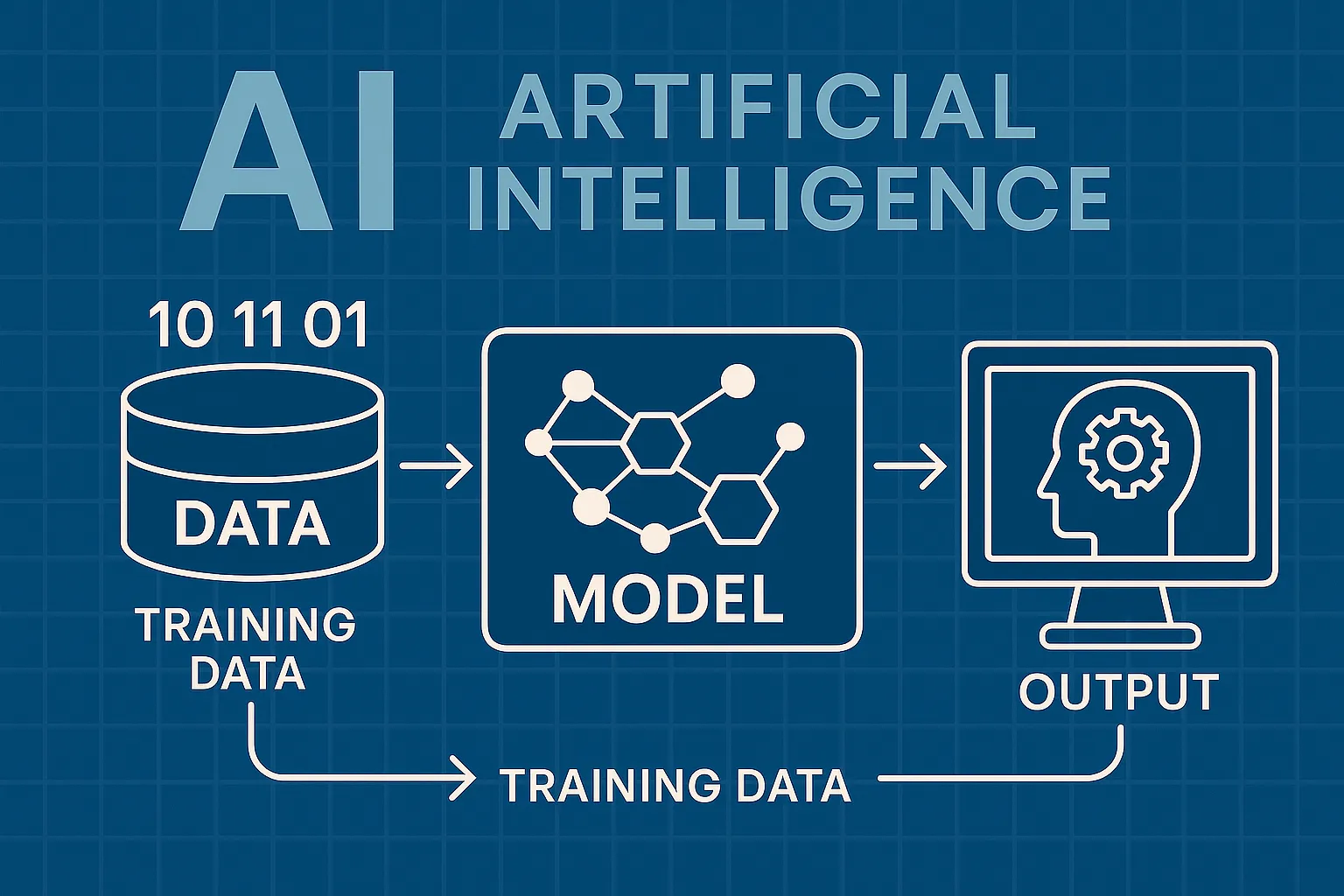
How AI Actually Works
Understand the basics of how AI systems learn, make decisions, and power tools like chatbots, image generators, and virtual assistants.

What Is Vibe Coding?
Discover the rise of vibe coding — an intuitive, aesthetic-first approach to building websites and digital experiences with help from AI tools.

7 Common Myths About AI
Think AI is conscious, infallible, or coming for every job? This post debunks the most widespread misconceptions about artificial intelligence today.

The Future of AI
From generative agents to real-world robotics, discover how AI might reshape society, creativity, and communication in the years ahead.
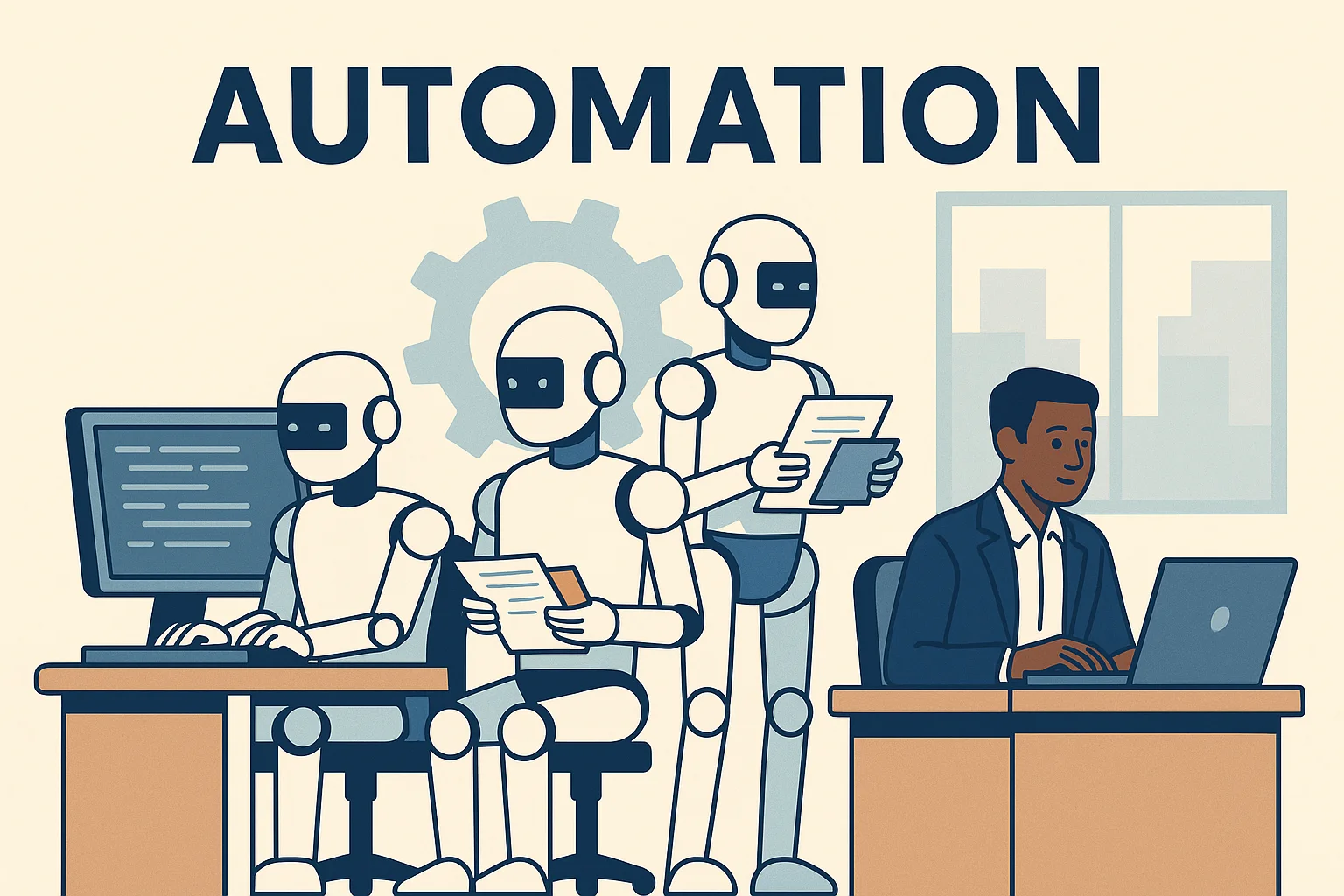
How AI Is Changing the Job Market
Will AI replace your job — or create new ones? Explore which careers are evolving, vanishing, or emerging in the AI-driven economy.

Common Issues with AI
Hallucinations, bias, privacy risks — learn about the most pressing problems in current AI systems and what causes them.