Whether you’re running a niche site, building an audience, or managing content for a brand, today’s bloggers need more than just writing skills. From keyword research and SEO optimization to generating outlines and editing drafts, blogging has become a multi-step process — and AI can now assist with nearly every stage. The best AI tools for bloggers streamline workflows, improve consistency, and boost output without sacrificing quality. These tools are especially valuable for solo creators or small teams aiming to scale their content efforts efficiently. Whether you're trying to overcome writer’s block, improve search rankings, or just publish more often, the right AI assistant can give you a serious edge. On this page, we highlight top-rated AI tools designed to support bloggers at every experience level. Each option has been evaluated for its ability to enhance writing, save time, and support content strategies — making it easier for you to focus on what matters most: growing your blog and engaging your readers.

Top Paid AI Tools for Bloggers
| Rank | Tool | Key Strength | Price | Best Use Case |
|---|---|---|---|---|
| #1 | Jasper | Brand-safe long-form writing workflows | From $69/month | Pro bloggers + content teams |
| #2 | Surfer | On-page SEO guidance while you write | From $49/month | Ranking-focused writers |
| #3 | Clearscope | Premium content optimization + AI drafts | $129/month | Serious SEO blogs + agencies |
| #4 | Frase | Research + briefs + optimization in one | From $49/month | Content briefs + refreshes |
| #5 | Semrush Content Toolkit | AI article generation with SEO workflow | $60/month | Scaling blog output efficiently |
Jasper
Jasper remains one of the strongest all-in-one AI writing platforms for bloggers who want polished drafts fast, without sacrificing control. It’s built around guided workflows that help you move from idea to outline to full article, with brand voice features that keep tone consistent across posts. For bloggers who publish frequently, the “campaign” and project-style organization is a big win — you can keep research notes, supporting angles, and multiple draft variations in one place. Jasper is also a solid option for affiliate and product-led blogs because it can quickly produce introductions, comparisons, FAQs, and call-to-action sections that still feel structured and readable. If you want a professional blogging tool that feels like a real writing workspace (not just a prompt box), Jasper is an easy top pick.
Surfer
Surfer is one of the most practical AI SEO tools for bloggers because it gives you clear, real-time guidance while you write. Instead of guessing what to include, you get suggestions around keywords, headings, coverage, and structure so your article aligns with what’s already ranking. This is especially valuable for bloggers trying to grow organic traffic, where small improvements in relevance can make a major difference over time. Surfer’s workflow is friendly for both new and experienced writers: you can start from a brief, draft with AI help, and then optimize your content score as you refine. If your blogging strategy is “rank and compound,” Surfer fits perfectly into a publish-and-update process.
Clearscope
Clearscope is a premium optimization platform built for bloggers who treat SEO like a serious growth channel. It’s known for producing clear, actionable content recommendations — helping you cover the right topics, match search intent, and improve overall completeness without stuffing keywords. The UI is simple, clean, and built around making edits efficiently: you can see grading, term suggestions, and improvement opportunities at a glance. Clearscope is especially useful for content refresh projects, where you update older posts to regain rankings and lift traffic. If you’re running a high-value niche site or a content business where each ranking matters, Clearscope can pay for itself by helping posts perform better over the long term.
Frase
Frase is a strong choice for bloggers who want faster research and smarter structure before they write. It shines at turning a keyword or topic into a usable content brief, pulling in angles, questions, and coverage ideas that help your article feel complete. From there, you can draft, optimize, and update content in the same environment — which makes it excellent for solo bloggers who want a streamlined workflow. Frase also works well for “content refresh” strategies because it’s designed to identify what you’re missing versus competing pages and helps you close those gaps efficiently. If you like writing yourself but want AI to handle the heavy lifting in research and planning, Frase is a great fit.
Semrush Content Toolkit
Semrush Content Toolkit is a practical option for bloggers who want to scale content output while staying anchored to SEO fundamentals. It’s designed to support the full pipeline — idea discovery, brief creation, AI drafting, and optimization — in a workflow that’s easier than stitching together multiple tools. For bloggers who publish regularly (especially niche and affiliate sites), this “one dashboard” approach helps reduce friction and keeps content production consistent. Semrush is also helpful if you already rely on SEO data for keywords and competition research, since it aligns writing tasks with a broader strategy. If your goal is to publish more often without losing direction, Semrush Content Toolkit is a strong paid platform to consider.
Top Free AI Tools for Bloggers
| Rank | Tool | Key Strength | Limitations | Best Use |
|---|---|---|---|---|
| #1 | ChatGPT (Free) | Drafts, rewrites, outlines, ideation | Limits vary by model & demand | All-purpose writing help |
| #2 | Perplexity (Free) | Research with citations + fast summaries | Limited advanced searches/models | Fact-finding + sources |
| #3 | Google Gemini (Free) | Brainstorming + writing assistance | Feature limits on free tier | Ideas, drafts, planning |
| #4 | Grammarly (Free) | Editing, clarity, and basic suggestions | Advanced rewrites require upgrade | Polishing blog drafts |
| #5 | Canva (Free) | Blog graphics + thumbnails with templates | Some AI tools are Pro only | Visuals for posts |
ChatGPT (Free)
ChatGPT (Free) is one of the easiest ways for bloggers to speed up writing without adopting a complex new workflow. You can use it to brainstorm topics, generate outlines, rewrite sections for clarity, draft introductions, or create alternative headlines for A/B testing. It’s especially useful for overcoming writer’s block — when you already know what you want to say, but need momentum to get a first draft on the page. While the free tier may have usage limits depending on demand and the model available, it’s still a strong “daily driver” tool for ideation and drafting. For bloggers who want a simple, flexible assistant that works for almost any niche, ChatGPT is a reliable starting point.
Perplexity (Free)
Perplexity is a blogger’s best friend for research because it’s designed to deliver fast answers with sources. Instead of opening ten tabs, you can ask a question and get a structured summary, plus links you can verify and cite. This is valuable for informational blog posts, product roundups, and any topic where credibility matters. Perplexity can also help you build article sections by pulling key points, definitions, comparisons, and “people also ask” style questions into one place. The free tier includes enough capability for everyday research, but advanced features and heavier usage typically require an upgrade. For bloggers who want speed without losing accuracy, Perplexity is a standout free tool.
Google Gemini (Free)
Google Gemini (Free) is a strong option for bloggers who want quick help with planning and writing, especially when you’re shaping a post from rough ideas. It’s useful for brainstorming angles, building structured outlines, turning bullet points into readable paragraphs, and generating alternative hooks based on different audience intent. Gemini’s interface is straightforward and beginner-friendly, which makes it easy to use as a lightweight assistant alongside your normal writing tools. While some higher-capability features and larger limits are reserved for paid plans, the free tier is still valuable for day-to-day blog creation. If you want a quick writing companion that helps you move faster from idea to draft, Gemini is worth keeping in your toolbox.
Grammarly (Free)
Grammarly’s free plan is a simple but effective upgrade for bloggers who want cleaner writing with less effort. It catches grammar and punctuation issues, highlights awkward phrasing, and helps improve readability — which matters a lot for keeping visitors engaged. Even if you draft with AI, Grammarly is excellent as a “final pass” tool to make your content feel more natural and professional. While advanced rewrites and deeper style controls are typically part of paid tiers, the free version covers the essentials most bloggers need for everyday publishing. If you want your posts to read smoother without spending extra time editing, Grammarly is an easy win.
Canva (Free)
Canva is one of the best free tools for bloggers who want their site to look more professional without learning design software. With drag-and-drop editing, tons of templates, and easy exporting, you can quickly create featured images, Pinterest graphics, social previews, and simple diagrams that improve click-through and on-page engagement. Canva’s template-first workflow is ideal for busy creators: you pick a style, swap in your text and branding, and you’re done. Some AI features are locked behind Canva Pro, but the free plan still offers plenty for most blogging workflows. If you want consistent visuals that make your posts feel “real” and shareable, Canva is a must-have.
Rankings

Chatbots
AI chatbots have quickly evolved from simple assistants into powerful, multi-purpose tools used by millions of people every day...

Image Generators
AI image generators are revolutionizing the way creatives, marketers, and developers produce visual content by transforming text prompts into detailed, customized...

Writing Assistants
AI writing assistants have become indispensable tools for anyone who writes — from students and bloggers to business professionals and marketers...

Deepfake Detection
As deepfake technology becomes more advanced and accessible, detecting AI-manipulated content is now a critical challenge across journalism, education, law, and...

Productivity & Calendar
AI productivity and calendar tools have become essential for professionals, entrepreneurs, and students looking to make the most of their time without getting overwhelmed...
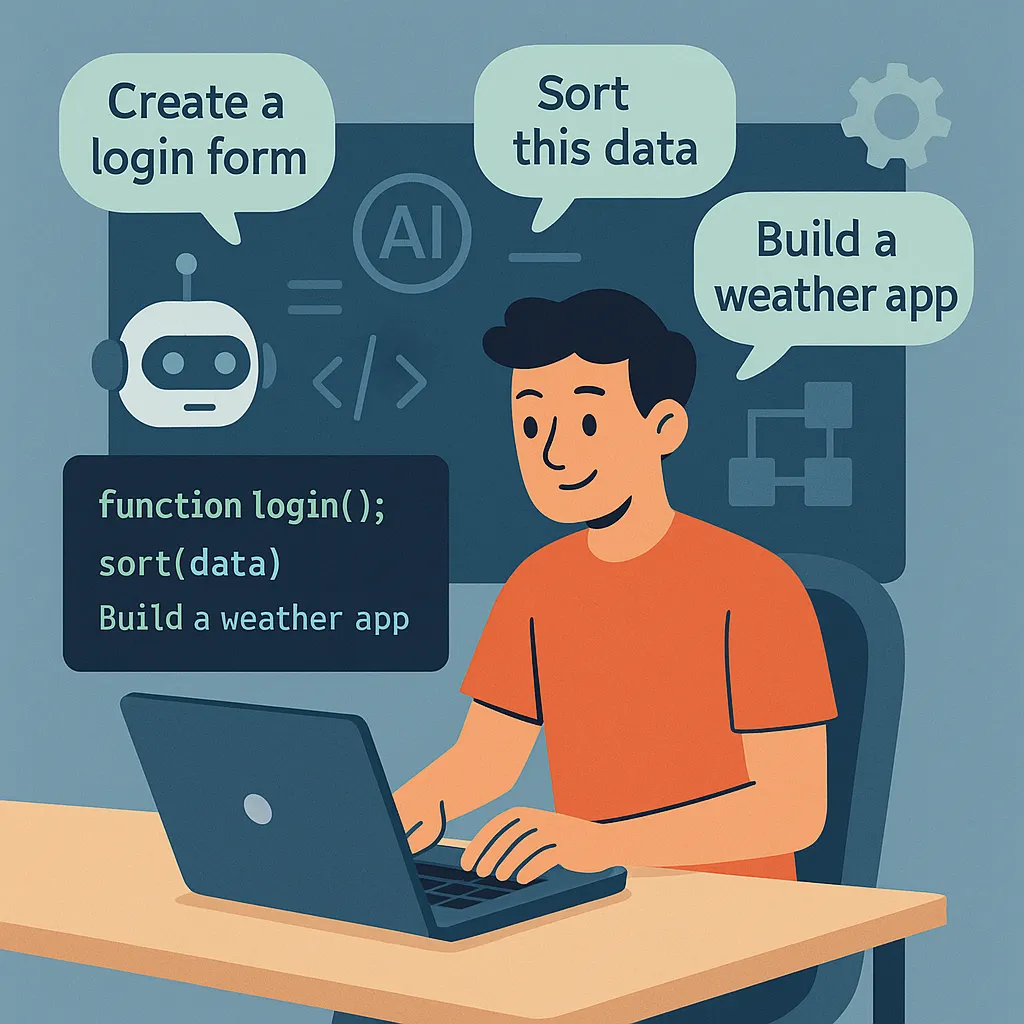
Natural Language To Code
Natural language to code tools are transforming software development by enabling users to build apps, websites, and workflows without needing advanced programming...
Blog

How AI Actually Works
Understand the basics of how AI systems learn, make decisions, and power tools like chatbots, image generators, and virtual assistants.

What Is Vibe Coding?
Discover the rise of vibe coding — an intuitive, aesthetic-first approach to building websites and digital experiences with help from AI tools.

7 Common Myths About AI
Think AI is conscious, infallible, or coming for every job? This post debunks the most widespread misconceptions about artificial intelligence today.

The Future of AI
From generative agents to real-world robotics, discover how AI might reshape society, creativity, and communication in the years ahead.

How AI Is Changing the Job Market
Will AI replace your job — or create new ones? Explore which careers are evolving, vanishing, or emerging in the AI-driven economy.

Common Issues with AI
Hallucinations, bias, privacy risks — learn about the most pressing problems in current AI systems and what causes them.