When it comes to AI tools, a smooth and intuitive user experience can make all the difference. A thoughtfully designed interface allows users to navigate features effortlessly, stay focused on their goals, and unlock the full potential of AI without the frustration of clunky menus or confusing layouts. The best AI platforms combine visual clarity with seamless workflows, responsive design, and a clean, modern aesthetic that appeals to users at every level. Whether you’re creating content, editing media, or managing tasks, these tools prioritize usability and engagement. A great UI/UX doesn’t just look good—it empowers users to be more productive and creative, making advanced technology feel accessible and even enjoyable. In this guide, we highlight AI tools that set the standard for interface design, helping users achieve results quickly and efficiently. Whether you're new to AI or an experienced user, these platforms make the journey smoother from the very first click.

Top Paid AI Tools with Great UI
| Rank | Tool | Strength | Price | Limits |
|---|---|---|---|---|
| #1 | ChatGPT Plus | Fast, polished chat UI with premium features | $20/month | Message limits vary by model |
| #2 | Notion (with Notion AI) | Minimalist workspace with AI built into the flow | $10/member/month + AI add-on | AI trial/plan-based limits |
| #3 | Canva Pro | Best-in-class drag-and-drop UI + AI design tools | From $15/month | Some AI features credit-limited |
| #4 | Descript | Edit video/audio like a doc with a clean UI | From $16/month | Transcription/AI minutes vary by plan |
| #5 | Runway | Beautiful creative dashboard for generative video | From $15/month | Credit-based rendering & generations |
ChatGPT Plus
ChatGPT Plus pairs a clean, fast interface with a premium experience that feels “finished” compared to many AI dashboards. The layout stays focused: a simple chat input, clear message formatting, and easy navigation between conversations. Power features are presented without clutter—so you can switch tasks quickly (brainstorming, drafting, summarizing, planning) without feeling lost in settings. For beginners, it’s one of the lowest-friction ways to work with advanced AI because the UI encourages experimentation: type naturally, refine, and iterate. For experienced users, the workflow remains efficient thanks to quick reuse of chats, smooth performance, and a consistent design language that makes the tool feel dependable day-to-day.
Notion (with Notion AI)
Notion’s UI is famous for its calm, minimalist design—and its AI features fit that philosophy instead of fighting it. Rather than sending you to a separate “AI page,” Notion brings AI into the exact place you’re already working: a doc, a database, a meeting note, a task list, or a wiki page. That context-first experience is what makes the UI/UX feel premium: you can brainstorm, summarize, rewrite, or generate structured content without breaking flow or learning a new interface. The result is a workspace that feels flexible but not messy, with strong typography, sensible spacing, and predictable controls that make even complex knowledge bases feel easy to maintain.
Canva Pro
Canva Pro is a standout example of UI/UX done right: the entire platform is built around clarity, previews, and drag-and-drop creation that never feels intimidating. Templates, assets, layouts, and AI-powered tools are all discoverable through a consistent sidebar experience, so beginners can produce polished designs quickly while advanced users can scale branded content efficiently. Canva’s UI also shines in the “micro-moments”—fast search, instant previews, easy resizing, and smooth editing controls—so you spend less time hunting through menus and more time creating. If you care about design quality, speed, and a modern interface that’s easy to learn, Canva Pro remains one of the most satisfying AI-enhanced platforms to use.
Descript
Descript earns its reputation by making video and audio editing feel simple, largely because its UI centers around text. You edit a transcript like a document, and the media updates automatically—an approach that removes much of the traditional timeline complexity that overwhelms new editors. The interface stays clean and purposeful, with clear labels, helpful panels, and quick previews that make it easy to understand what will happen before you commit changes. It’s an excellent example of “UI that teaches you” because the workflow is intuitive: record, transcribe, edit, enhance, then export—all in one cohesive space. For creators who want professional results without a steep learning curve, Descript’s UI/UX is hard to beat.
Runway
Runway is one of the most visually polished AI creative suites available, and its interface is designed to make advanced generative video tools feel approachable. The dashboard is organized around clear project flows, with generation tools presented in a way that encourages experimentation while keeping controls understandable. Even when you’re using complex effects—like image-to-video, style changes, or background manipulation—the UI stays modern and responsive, with progress indicators and previews that reduce guesswork. For creators who care about aesthetics, speed, and a “studio-grade” feel, Runway’s UI/UX is a big part of why it continues to stand out in the generative media space.
Top Free AI Tools with Great UI
| Rank | Tool | Strength | Limitations |
|---|---|---|---|
| #1 | ChatGPT (Free) | Minimal, beginner-friendly chat interface | Fewer features + stricter limits |
| #2 | Canva (Free) | Drag-and-drop design UI with AI starter tools | Pro assets/AI features locked |
| #3 | Notion (Free) | Clean docs + databases with smooth navigation | AI is limited/trial-based |
| #4 | Perplexity (Free) | Sleek AI search UI with clear sourcing | Advanced models/features require Pro |
| #5 | Descript (Free) | Modern editing UI with an easy learning curve | Free tier limits + export restrictions |
ChatGPT (Free)
ChatGPT’s free experience is one of the cleanest introductions to AI you can find. The interface stays laser-focused on conversation, with a simple input box, readable responses, and an organized chat history that makes it easy to return to ideas later. Beginners benefit because there’s no setup friction: open the page, ask a question, and iterate. The UI is responsive, quick to navigate, and designed to keep cognitive load low—so the tool feels helpful instead of overwhelming. While the free tier comes with stricter limits and fewer premium capabilities, the overall UI/UX remains top-tier for everyday tasks like brainstorming, rewriting, learning, and planning.
Canva (Free)
Canva’s free plan is proof that great UI/UX doesn’t need to be complicated. Everything is built around previews and discoverability: templates are easy to browse, edits are visible instantly, and drag-and-drop controls feel natural even if you’ve never used a design tool before. Canva also does a great job guiding new users with clear labels, suggested layouts, and simple export flows, which makes the platform feel approachable from day one. While some AI features and premium assets are locked behind Pro, the free version still delivers a smooth, modern design experience that’s miles ahead of most alternatives.
Notion (Free)
Notion’s free version offers one of the most polished workspace interfaces on the internet—clean pages, consistent formatting, and a navigation structure that scales from simple notes to full personal knowledge systems. The UI is intentionally uncluttered, which helps beginners build habits without feeling pressured to “set everything up perfectly.” You can create docs, to-do lists, and lightweight databases with a few clicks, and the platform stays responsive as you expand. AI features are limited on the free tier, but even without heavy AI usage, Notion’s UI/UX is a standout for organizing ideas and keeping information usable over time.
Perplexity (Free)
Perplexity feels like the “modern search UI” many people wish the web had: clean answers, clear citations, and a layout that keeps sources readable instead of buried. The experience is fast and streamlined—type a question, get a structured response, and explore follow-up prompts without juggling tabs. Its UI is especially beginner-friendly because it reduces noise and makes it obvious where information is coming from, while still feeling smooth and premium. The free tier does have limitations compared to Pro (especially for advanced models and heavier usage), but as a daily research interface, Perplexity’s UI/UX is one of the best available.
Descript (Free)
Descript’s free tier is a great way to experience one of the most user-friendly editing interfaces in video and audio. The design keeps the workflow approachable by centering edits around text and simple controls, so you’re not thrown into a complex timeline on day one. Even if you’re new to content creation, the UI encourages quick wins: record something, transcribe it, make edits like a document, and see the results instantly. The free plan comes with usage limits and export restrictions, but the interface itself remains sleek and intuitive—making it an excellent starting point for creators who care about a smooth editing experience.
Rankings

Chatbots
AI chatbots have quickly evolved from simple assistants into powerful, multi-purpose tools used by millions of people every day...
Image Generators
AI image generators are revolutionizing the way creatives, marketers, and developers produce visual content by transforming text prompts into detailed, customized...
Writing Assistants
AI writing assistants have become indispensable tools for anyone who writes — from students and bloggers to business professionals and marketers...

Deepfake Detection
As deepfake technology becomes more advanced and accessible, detecting AI-manipulated content is now a critical challenge across journalism, education, law, and...
Productivity & Calendar
AI productivity and calendar tools have become essential for professionals, entrepreneurs, and students looking to make the most of their time without getting overwhelmed...
Natural Language To Code
Natural language to code tools are transforming software development by enabling users to build apps, websites, and workflows without needing advanced programming...
Blog
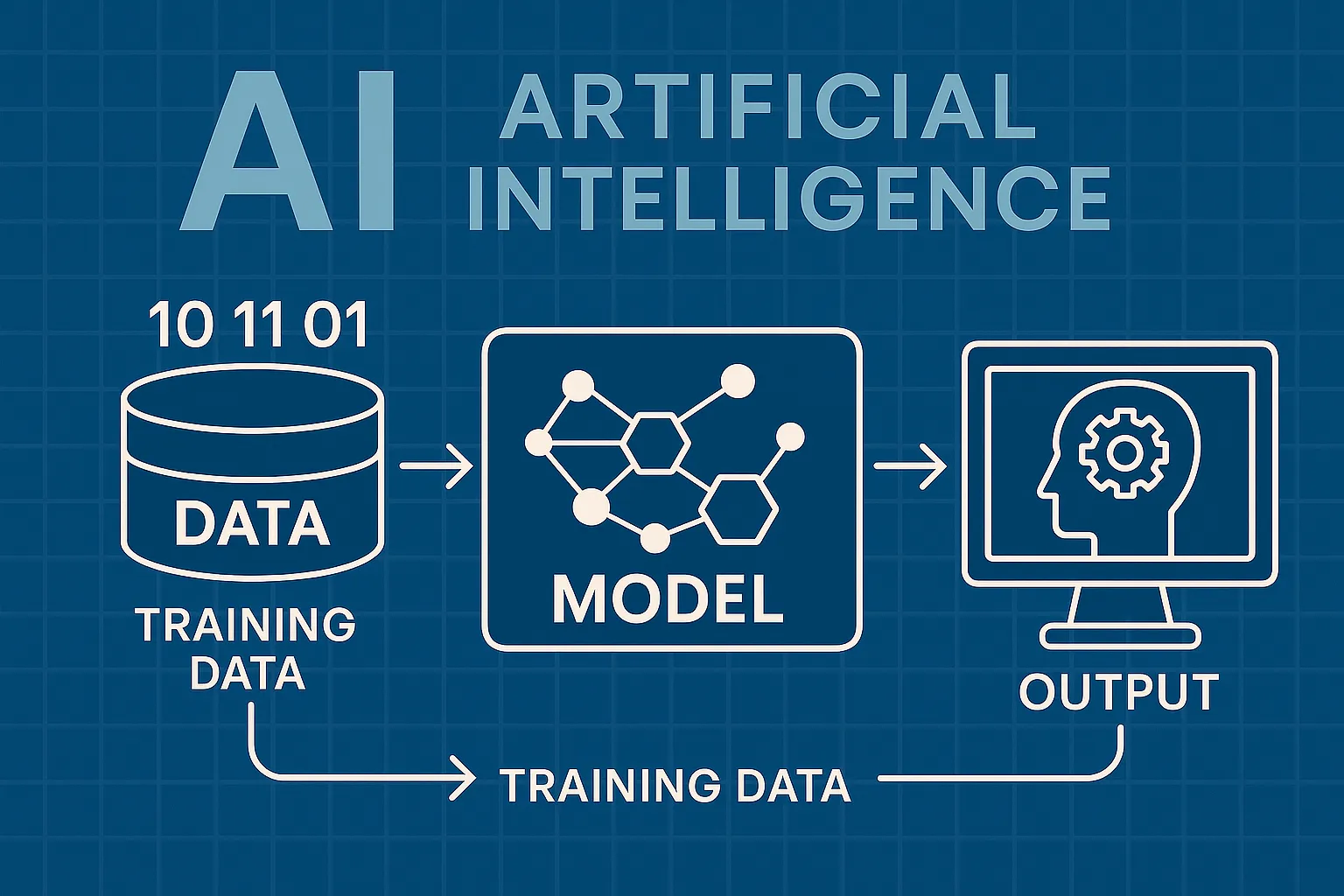
How AI Actually Works
Understand the basics of how AI systems learn, make decisions, and power tools like chatbots, image generators, and virtual assistants.

What Is Vibe Coding?
Discover the rise of vibe coding — an intuitive, aesthetic-first approach to building websites and digital experiences with help from AI tools.
7 Common Myths About AI
Think AI is conscious, infallible, or coming for every job? This post debunks the most widespread misconceptions about artificial intelligence today.

The Future of AI
From generative agents to real-world robotics, discover how AI might reshape society, creativity, and communication in the years ahead.
How AI Is Changing the Job Market
Will AI replace your job — or create new ones? Explore which careers are evolving, vanishing, or emerging in the AI-driven economy.

Common Issues with AI
Hallucinations, bias, privacy risks — learn about the most pressing problems in current AI systems and what causes them.