Getting started with AI can feel intimidating, but the right beginner-friendly tools make the journey smooth, accessible, and even fun. Today’s best AI platforms are built with ease-of-use in mind, offering simple interfaces, guided workflows, and helpful templates that empower new users to generate content, design graphics, automate tasks, or explore creative ideas without any technical background. These tools are designed to remove complexity and boost confidence, whether you're a student experimenting with AI for the first time or a professional looking to streamline your daily work. With free and paid options available, there’s never been a better time to dive into the world of artificial intelligence. This guide highlights the top AI tools that cater specifically to beginners—tools that prioritize usability, support, and clear results—so you can explore what AI has to offer at your own pace and grow your skills over time.
Top Paid AI Tools for Beginners
| Rank | Tool | Strength | Price | Limits |
|---|---|---|---|---|
| #1 | ChatGPT Plus | Best “do-anything” AI for new users | $20/month | Higher caps, still usage-limited |
| #2 | Microsoft 365 Premium (with Copilot) | AI inside Word, Excel, PowerPoint, Outlook | $19.99/month | Best features tied to subscription |
| #3 | Canva Pro | Beginner-friendly design + AI templates | $15/month | AI credits/stock access by plan |
| #4 | Grammarly Pro | Writing improvement with 1-click rewrites | $12/month | Best price billed annually |
| #5 | Adobe Express Premium | Fast content creation + easy AI image tools | $9.99/month | Monthly generative credit limits |
ChatGPT Plus
ChatGPT Plus is one of the easiest “start here” paid AI upgrades for beginners because it removes a lot of the friction that new users run into on free tiers. You get a faster experience, higher usage caps, and broader access to advanced features that make AI feel more helpful and more consistent across everyday tasks. For beginners, the biggest advantage is flexibility: you can ask questions, brainstorm ideas, rewrite text, plan projects, summarize long material, and get step-by-step guidance without needing specialized software. It’s also great for learning how to communicate with AI—because you can iterate quickly, ask follow-up questions, and refine outputs in plain English. If you want one paid tool that covers writing, studying, productivity, and creative exploration in a single interface, ChatGPT Plus is a top pick.
Microsoft 365 Premium (with Copilot)
Microsoft 365 Premium with Copilot is a beginner-friendly choice for people who already live in Word, Excel, PowerPoint, and Outlook and want AI built directly into tools they recognize. Instead of learning a new workflow, you can draft emails, summarize documents, generate outlines, create slides, and get help analyzing information without jumping between apps. For beginners, that familiarity is a big deal: you’re not “doing AI,” you’re simply getting smarter assistance inside the same place you already write and organize your work. It’s especially useful for students and professionals who want simple prompts like “rewrite this more clearly,” “turn these notes into a presentation,” or “summarize this thread into action items.” If you want a guided, productivity-first AI experience, this bundle is one of the smoothest ramps into AI.
Canva Pro
Canva Pro is ideal for beginners because it makes design feel approachable, even if you’ve never created a graphic in your life. You get a massive template library for social posts, posters, presentations, and brand visuals—plus simple AI-assisted features that help you write copy, generate layouts, resize designs for different platforms, and speed up repetitive edits. The interface is clean and intuitive, with drag-and-drop controls and clear menus that don’t overwhelm new users. Canva Pro also shines for people learning content creation: it supports quick iterations, consistent branding, and easy exporting for the web. If your goal is to start creating polished visuals quickly (without learning complex design software), Canva Pro is one of the best beginner-friendly upgrades available.
Grammarly Pro
Grammarly Pro is a perfect “confidence booster” for beginners who want their writing to sound clearer, more professional, and more natural with minimal effort. It goes beyond basic spellcheck by offering tone guidance, sentence rewrites, clarity suggestions, and helpful explanations that teach you why a change improves your message. For beginners, the main benefit is how easy it is: you don’t need to learn prompts or workflows—just write normally, then accept the best suggestions with a click. It works especially well for students, job seekers, and anyone writing emails, reports, proposals, or social content. If you’re new to AI and want improvements you can trust without a steep learning curve, Grammarly Pro is one of the simplest and most practical paid tools to start with.
Adobe Express Premium
Adobe Express Premium is designed for beginners who want fast, good-looking content without spending hours learning design tools. It focuses on simple creation workflows: start from a template, make quick edits, and publish. The Premium plan adds more templates, premium assets, and higher access to AI-powered features like quick image edits, background removal, resizing, and creative generation tools that help you turn ideas into visuals quickly. For beginners, Adobe Express is especially appealing because it feels guided and “safe” — it’s hard to get lost, and easy to produce content that looks professional. If you want a straightforward, all-in-one content tool for posts, flyers, short videos, and simple branding, Adobe Express Premium is a strong paid option.
Top Free AI Tools for Beginners
| Rank | Tool | Strength | Limitations |
|---|---|---|---|
| #1 | ChatGPT (Free) | Best beginner AI for everyday help | Lower caps and fewer features |
| #2 | Microsoft Copilot (Free) | Fast answers + web-style assistance | Features vary by region/account |
| #3 | Canva (Free) | Simple design templates for beginners | Premium assets/AI are limited |
| #4 | Grammarly (Free) | Clean grammar fixes and clarity boosts | Advanced rewrites are Pro |
| #5 | Google Gemini (Free) | Great for brainstorming and planning | Requires Google account; usage caps |
ChatGPT (Free)
ChatGPT (Free) remains one of the easiest ways for beginners to experience AI in a practical, low-pressure way. You can ask questions, get explanations, improve writing, brainstorm ideas, and work through step-by-step tasks using simple conversational prompts. The interface is intentionally minimal—type what you need, then refine the result with follow-up questions—so you don’t need any technical background to get value quickly. It’s especially helpful for learning, because it can act like a tutor: you can request examples, ask for simplified explanations, or get practice problems. While the free plan has lower usage caps and fewer premium features than paid tiers, it’s still an excellent entry point for anyone who wants to explore AI safely and build confidence before upgrading.
Microsoft Copilot (Free)
Microsoft Copilot (Free) is a strong beginner option if you want AI help that feels close to search, browsing, and quick problem-solving. It’s great for drafting short text, getting straightforward explanations, generating ideas, and summarizing topics without feeling like you need to “learn prompts.” The experience is generally fast and approachable, making it easy to use for everyday tasks like planning, quick writing assistance, and simplifying complex questions. Copilot also works nicely alongside the Microsoft ecosystem, which can feel familiar to many new users. Keep in mind that features can vary depending on region, device, and account type, but as a free starting point, it’s one of the most accessible AI assistants for beginners.
Canva
Canva’s free plan is one of the best beginner-friendly ways to start creating visuals, even if you’ve never designed anything before. The drag-and-drop editor, large template library, and easy exporting make it simple to build social posts, thumbnails, flyers, and basic presentations in minutes. Canva also introduces AI-powered features in a way that doesn’t overwhelm new users, with guided options that help with writing, layout suggestions, and quick edits. The free tier is generous for casual creation and learning, but some premium templates, assets, and advanced AI tools are locked behind Pro. Still, for beginners exploring design and content creation, Canva is an ideal place to start.
Grammarly
Grammarly (Free) is a beginner-friendly writing assistant that improves your text in real time without changing how you work. It catches spelling and grammar issues, suggests clarity improvements, and helps you avoid common mistakes that can make writing feel stressful—especially for students, job seekers, and new professionals. Because it integrates into browsers and many writing environments, you can benefit from it while writing emails, resumes, documents, or posts. The free tier is best for accuracy and clean writing, while advanced rewrites, tone transformations, and deeper AI features are generally reserved for Pro. If you want an easy “set it and forget it” AI helper for writing, Grammarly is a solid free choice.
Google Gemini (Free)
Google Gemini (Free) is a beginner-friendly AI assistant that’s especially useful for brainstorming, planning, and turning messy ideas into clearer next steps. Beginners can use it to outline essays, generate study notes, come up with content ideas, plan trips, and ask for quick explanations—without needing any special setup beyond signing in with a Google account. It’s also a great tool for “thinking out loud,” where you start with a rough prompt and refine it together through follow-ups. Like most free AI assistants, Gemini has usage caps and feature differences depending on region and rollout, but it remains a helpful, low-friction way for new users to explore AI for everyday productivity and creativity.
Rankings

Chatbots
AI chatbots have quickly evolved from simple assistants into powerful, multi-purpose tools used by millions of people every day...

Image Generators
AI image generators are revolutionizing the way creatives, marketers, and developers produce visual content by transforming text prompts into detailed, customized...
Writing Assistants
AI writing assistants have become indispensable tools for anyone who writes — from students and bloggers to business professionals and marketers...

Deepfake Detection
As deepfake technology becomes more advanced and accessible, detecting AI-manipulated content is now a critical challenge across journalism, education, law, and...
Productivity & Calendar
AI productivity and calendar tools have become essential for professionals, entrepreneurs, and students looking to make the most of their time without getting overwhelmed...
Natural Language To Code
Natural language to code tools are transforming software development by enabling users to build apps, websites, and workflows without needing advanced programming...
Blog
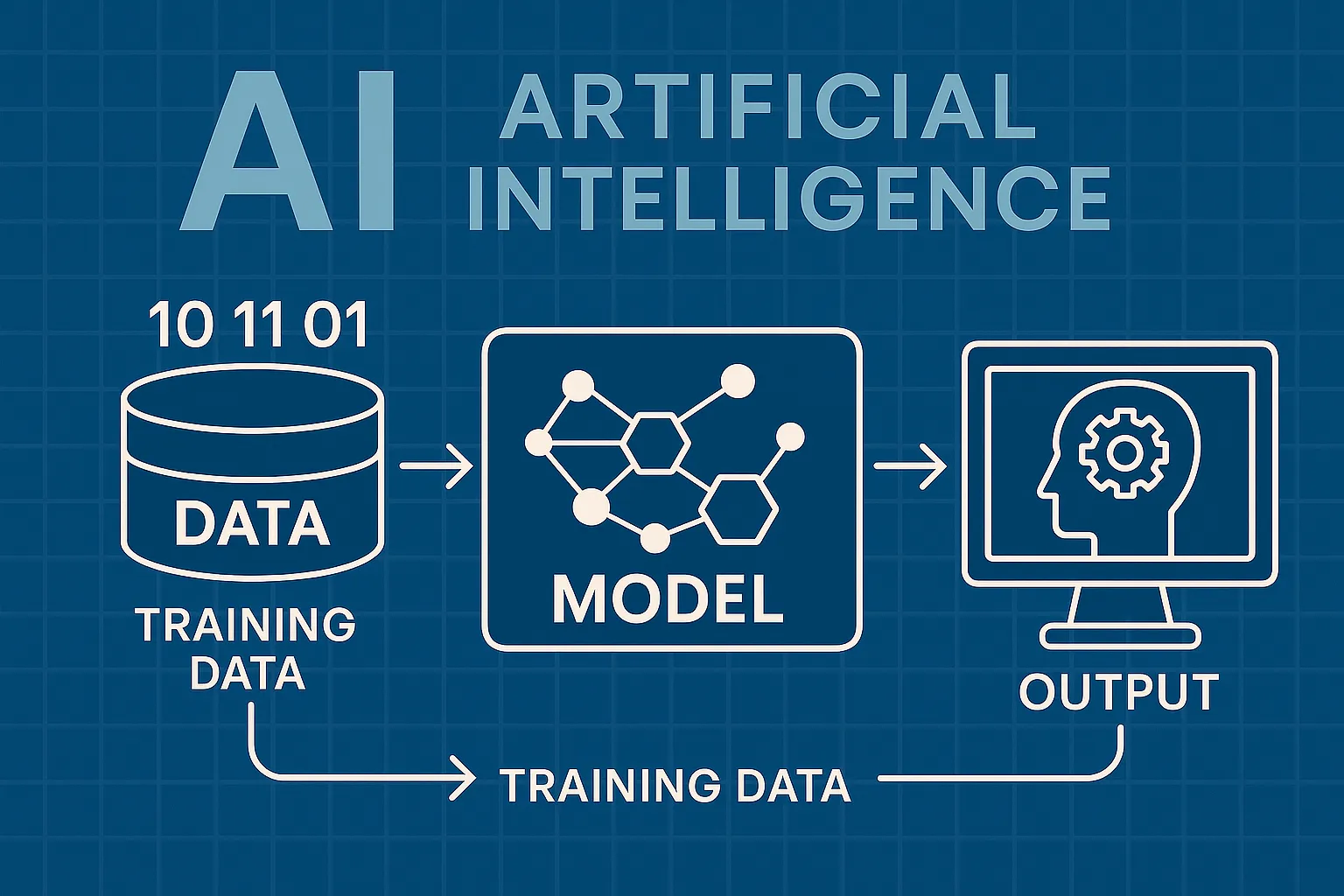
How AI Actually Works
Understand the basics of how AI systems learn, make decisions, and power tools like chatbots, image generators, and virtual assistants.

What Is Vibe Coding?
Discover the rise of vibe coding — an intuitive, aesthetic-first approach to building websites and digital experiences with help from AI tools.
7 Common Myths About AI
Think AI is conscious, infallible, or coming for every job? This post debunks the most widespread misconceptions about artificial intelligence today.

The Future of AI
From generative agents to real-world robotics, discover how AI might reshape society, creativity, and communication in the years ahead.
How AI Is Changing the Job Market
Will AI replace your job — or create new ones? Explore which careers are evolving, vanishing, or emerging in the AI-driven economy.

Common Issues with AI
Hallucinations, bias, privacy risks — learn about the most pressing problems in current AI systems and what causes them.