Creating an app no longer requires deep coding knowledge or a large development team—thanks to AI, the process has become faster, smarter, and more accessible than ever. In 2025, AI tools are transforming how apps are ideated, built, tested, and launched. From no-code platforms to intelligent code assistants, these tools help entrepreneurs, startups, and developers turn ideas into working applications with minimal manual effort. Whether you’re building mobile apps, web platforms, or backend services, AI can assist with design, logic, integration, and optimization. These solutions are especially valuable for early-stage creators, solo founders, and small teams looking to prototype quickly, automate workflows, or bring full-featured products to market. This guide compares the top AI-powered platforms that simplify app development across both paid and free tiers. If you're ready to build something functional, scalable, and polished without starting from scratch, these AI app creation tools offer a powerful head start in today’s fast-moving tech landscape.

Top Paid AI Tools for App Creation
| Rank | Tool | Key Strength | Price | Best Use Case |
|---|---|---|---|---|
| #1 | Bubble | Full-stack no-code apps (web + mobile) | From $59/month | SaaS products + marketplaces |
| #2 | FlutterFlow | Visual mobile app builder with AI generation | From $39/month | iOS & Android apps with real UI control |
| #3 | WeWeb | Production web apps + AI + code export | From $16/month | Web apps with Supabase/Xano backends |
| #4 | Glide | Spreadsheet-to-app speed with polished UI | From $25/month | Internal tools + client portals + MVPs |
| #5 | Softr | No-code portals, workflows, and database apps | From $49/month | Member portals + business dashboards |
Bubble
Bubble remains one of the most capable “build-the-whole-product” platforms for app creation, especially for founders who want full-stack power without managing a traditional codebase. You can design responsive interfaces, create complex workflows (including recurring automation), manage data with a built-in database, and connect virtually any external service using APIs. In 2026, Bubble is particularly strong for SaaS-style products, marketplaces, and membership platforms where you need real logic, user accounts, payments, and admin tooling. Bubble also supports modern build patterns like version control features, staging workflows, and scalable hosting options, which makes it feel less like a prototype tool and more like a serious product platform. If you want the most “do everything” no-code builder and you’re willing to learn its way of thinking, Bubble is often the best long-term bet.
FlutterFlow
FlutterFlow is a top pick for mobile app creation because it gives you unusually strong control over real app UI while still keeping the workflow visual and beginner-friendly. It’s built around Flutter, which means you can create smooth interfaces, manage navigation and state, and connect to data sources like Firebase and APIs without manually wiring everything in code. The AI-assisted generation features help speed up layout building, screen scaffolding, and repetitive UI tasks, making it easier to iterate quickly when you’re validating an idea. FlutterFlow is especially useful for teams that want to launch to iOS and Android with a professional look and feel, and for creators who plan to grow beyond MVP stage. If you care about mobile polish and want a platform that bridges no-code speed with “real app” structure, FlutterFlow is a strong choice.
WeWeb
WeWeb is built for people who want modern, production-grade web apps with the flexibility to connect serious backends (like Supabase, Xano, and custom APIs) while still building the frontend visually. Its AI features help accelerate common steps like layout generation, component setup, and content scaffolding, while the overall platform focuses on shipping apps that feel fast, clean, and scalable. A major advantage is the path to “less lock-in”: teams often choose WeWeb because they can structure apps in a more developer-friendly way and, depending on plan, use features like code export and GitHub workflows for better long-term maintainability. WeWeb is ideal when you want a real web application (not just a basic form or portal), but you don’t want to start from scratch with a full custom framework. It’s a great fit for SaaS frontends, customer portals, and dashboard-heavy products.
Glide
Glide is still one of the fastest ways to turn structured data into an app that actually looks and feels polished. It’s perfect for internal tools, client portals, lightweight CRMs, and MVPs where your “database” starts as a spreadsheet (or a simple table) and your goal is to launch something functional quickly. Glide shines in the small details: clean components, strong mobile-friendly layout, fast iteration, and a workflow that doesn’t overwhelm non-technical builders. In 2026, Glide continues to be a strong choice for teams who want to automate operations and deliver usable apps to internal users without a big learning curve. If your app is mainly “data + actions + permissions” (rather than a highly custom consumer product), Glide often gets you to launch faster than almost anything else.
Softr
Softr is an excellent option for building business-facing apps like member portals, dashboards, directory-style products, and internal tools that sit on top of existing data. It integrates well with popular data sources and can be used to create structured, multi-page experiences with authentication, user roles, and workflow-style interactions. In 2026, Softr is especially attractive to small businesses and agencies because it’s a straightforward way to ship “real outcomes” apps—client portals, onboarding flows, internal hubs—without over-engineering the build. Its AI and automation-oriented features help speed up content creation and certain repetitive build tasks, while its template-driven approach makes it easier to stay consistent across pages and user roles. If you want a clean, practical app that supports real business workflows (and you value speed over deep custom logic), Softr is a strong pick.
Top Free AI Tools for App Creation
| Rank | Tool | Key Strength | Limitations | Best Use |
|---|---|---|---|---|
| #1 | Bolt (Free) | AI-generated full-stack apps in the browser | Token caps + branding on free tier | Rapid prototypes from a text prompt |
| #2 | Bubble (Free) | Build complex apps to validate product ideas | No live deployment on free plan | Learning + building an MVP before launch |
| #3 | FlutterFlow (Free) | Visual mobile app builder to start fast | Plan limits (projects/features/export) | Mobile UI prototyping & screen design |
| #4 | WeWeb (Free) | Web app frontend prototyping with AI help | Usage limits on hosting and AI credits | Frontend proofs-of-concept + dashboards |
| #5 | v0 (Free) | Generate app UI/components from prompts | Primarily UI (backend not included) | Shipping a UI faster with a dev workflow |
Bolt (Free)
Bolt is one of the fastest ways to go from “idea in your head” to a working prototype in a browser-based environment. You describe what you want, and Bolt can generate a functional app structure, produce front-end screens, and scaffold backend logic depending on your project. This makes it especially useful for solo founders who want to test multiple product angles quickly, or for creators building small utilities and micro-SaaS concepts without a full engineering setup. The free plan is genuinely usable for experimentation, but it comes with token-based limits and typically includes branding, so it’s best treated as a prototyping and validation tool rather than a final production environment. If your goal is to iterate quickly, learn what “good” app structure looks like, and get a demo working in hours (not weeks), Bolt is one of the best free starting points in 2026.
Bubble (Free)
Bubble’s free plan is a powerful way to learn no-code app building and validate an idea before you spend money on hosting or advanced features. You can design full user flows, build database structures, create workflows and automation, and test real interactions end-to-end in a development environment. This is ideal if you’re still figuring out your product requirements: user roles, onboarding steps, dashboards, payments, admin panels, and integrations. The main limitation is that the free plan isn’t meant for a real public launch—you generally can’t fully deploy a production app the way you would on a paid tier. Still, for MVP planning and “does this app concept actually work?” testing, Bubble’s free tier is one of the strongest options available because it lets you build something genuinely complex before committing to a paid plan.
FlutterFlow (Free)
FlutterFlow’s free plan is a practical entry point for anyone who wants to explore mobile app creation with a real UI builder and a modern app structure. You can prototype screens, create navigation flows, and start wiring data connections in a way that feels much closer to “real app development” than many traditional no-code tools. This is especially useful for founders and designers who want to validate a mobile-first concept: app layout, feature flow, onboarding, and basic interactivity. While advanced features (and certain export/publishing workflows) are typically gated behind paid plans, the free tier still gives you a strong environment to design and iterate quickly. If your biggest challenge is turning a mobile idea into a tangible demo you can show users, teammates, or investors, FlutterFlow is a solid free starting point in 2026.
WeWeb (Free)
WeWeb’s free tier is a great way to prototype a modern web app frontend with the flexibility to connect real backends when you’re ready. It’s particularly strong for dashboard-style apps, portals, and products where the UI must feel responsive and “production-grade” from the start. With AI-assisted building features and a visual approach to structuring pages and components, WeWeb helps you move faster than a fully manual dev workflow—without forcing you into a rigid template-only experience. The free plan is best for proofs-of-concept and early prototypes because hosting/usage and AI credits are limited, but it’s still enough to validate whether WeWeb matches your preferred building style. If you’re planning a Supabase/Xano/API-backed app and want a strong frontend foundation, WeWeb is one of the better free tools to test in 2026.
v0 (Free)
v0 is a highly effective free tool for accelerating the UI side of app creation. Instead of starting with blank components, you can describe what you want—pages, layouts, forms, dashboards, navigation, and common UI patterns—and v0 generates clean, modern building blocks you can refine. It’s best used alongside a typical developer workflow (where you’ll still connect your backend and data layer separately), but it saves a ton of time on the “first draft” of interface construction. The key limitation is that v0 is primarily focused on UI generation rather than being a complete no-code platform with a built-in database and workflows. Still, if your bottleneck is design and front-end scaffolding, v0 is one of the fastest free ways to make real progress and ship a better-looking app earlier in the build cycle.
Rankings

Chatbots
AI chatbots have quickly evolved from simple assistants into powerful, multi-purpose tools used by millions of people every day...

Image Generators
AI image generators are revolutionizing the way creatives, marketers, and developers produce visual content by transforming text prompts into detailed, customized...

Writing Assistants
AI writing assistants have become indispensable tools for anyone who writes — from students and bloggers to business professionals and marketers...

Deepfake Detection
As deepfake technology becomes more advanced and accessible, detecting AI-manipulated content is now a critical challenge across journalism, education, law, and...
Productivity & Calendar
AI productivity and calendar tools have become essential for professionals, entrepreneurs, and students looking to make the most of their time without getting overwhelmed...
Natural Language To Code
Natural language to code tools are transforming software development by enabling users to build apps, websites, and workflows without needing advanced programming...
Blog
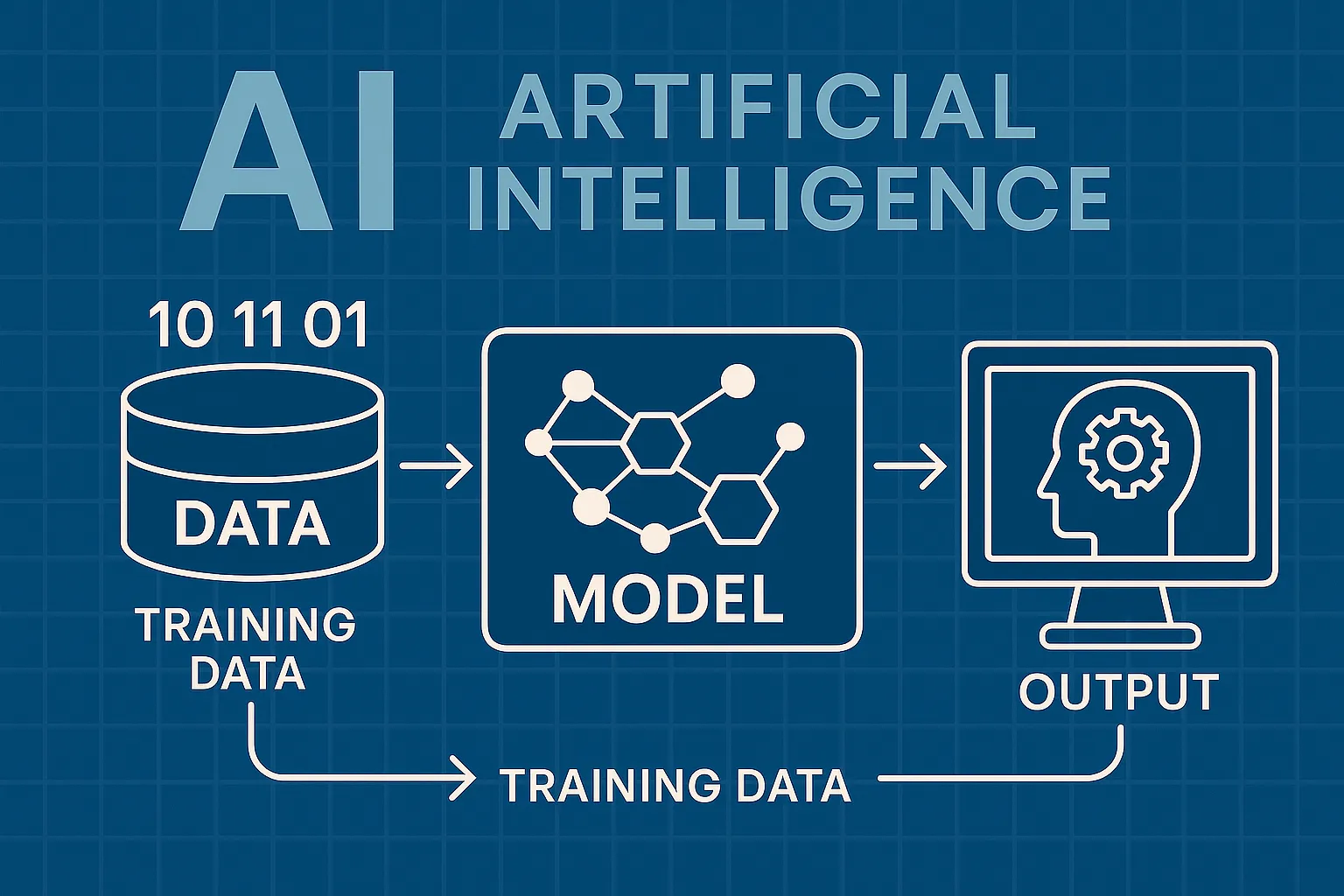
How AI Actually Works
Understand the basics of how AI systems learn, make decisions, and power tools like chatbots, image generators, and virtual assistants.

What Is Vibe Coding?
Discover the rise of vibe coding — an intuitive, aesthetic-first approach to building websites and digital experiences with help from AI tools.

7 Common Myths About AI
Think AI is conscious, infallible, or coming for every job? This post debunks the most widespread misconceptions about artificial intelligence today.

The Future of AI
From generative agents to real-world robotics, discover how AI might reshape society, creativity, and communication in the years ahead.

How AI Is Changing the Job Market
Will AI replace your job — or create new ones? Explore which careers are evolving, vanishing, or emerging in the AI-driven economy.

Common Issues with AI
Hallucinations, bias, privacy risks — learn about the most pressing problems in current AI systems and what causes them.