Strong internal communication is the foundation of effective teamwork, and in 2025, AI tools are taking collaboration to the next level. From generating meeting summaries and action items to refining written messages for tone and clarity, these tools help teams communicate more efficiently across departments, time zones, and platforms. AI can automate repetitive communication tasks, reduce misunderstandings, and improve documentation—whether you're on a small remote team or part of a growing organization. Many platforms now integrate directly with tools like Slack, Zoom, Notion, and CRMs to create a seamless digital workflow. Asynchronous updates, real-time transcription, and context-aware writing assistance all contribute to faster decision-making and improved alignment. This page compares the best free and paid AI tools designed specifically to enhance internal team communication. Whether you’re managing projects, running meetings, or just keeping your team informed, the right AI assistant can streamline how your organization connects, collaborates, and stays on the same page every day.

Top Paid AI Tools for Team Communication
| Rank | Tool | Key Strength | Price / Limitations | Best Use Case |
|---|---|---|---|---|
| #1 | Slack Business+ (AI) | AI summaries inside threads & huddles | Paid plan required; advanced AI varies by plan | Async alignment in busy channels |
| #2 | Zoom AI Companion | Meeting summaries + action items | Included with eligible paid Zoom plans | Meeting notes & follow-ups |
| #3 | Microsoft 365 Copilot | Teams recaps + drafting across M365 | Requires eligible Microsoft 365 licensing | Enterprise comms + documentation |
| #4 | Otter Business | Live transcription + shared notes | From ~$19.99/user/month | Meeting-heavy organizations |
| #5 | Loom Business + AI | Async video updates with AI summaries | Paid tier for AI features | Remote updates without meetings |
Slack Business+ (AI)
Slack is still the center of gravity for internal team communication, and by February 2026 its AI features have become much more integrated into paid plans than the old “separate add-on” era. For teams drowning in channels, threads, and huddles, AI-powered summaries are the difference between “I missed everything” and “I’m caught up in 30 seconds.” Slack’s strength is not just chatting—it’s making communication searchable, actionable, and easy to hand off across time zones. With AI summaries, teams can condense long threads into a quick recap, pull key decisions, and reduce repetitive questions like “what did we decide?” or “can someone summarize?” If your org uses Slack as a source of truth for daily updates, launches, and operational status, Slack Business+ is one of the most practical upgrades you can make for faster alignment and cleaner async communication.
Zoom AI Companion
Zoom AI Companion is built for teams that still rely on real-time meetings but want better outcomes and less admin work afterward. Instead of someone manually writing minutes, you can generate structured meeting summaries, highlight key discussion points, and turn decisions into clear next steps. That’s huge for internal communication because the “meeting-to-action” gap is where alignment often breaks down—people interpret decisions differently, miss context, or forget action items. Zoom AI Companion helps standardize what happened and what needs to happen next, which makes follow-ups in Slack, email, and docs much cleaner. It’s especially useful for recurring meetings like standups, weekly planning, retros, and stakeholder check-ins—where consistent summaries keep everyone aligned, including people who couldn’t attend live.
Microsoft 365 Copilot
Microsoft 365 Copilot is a top-tier choice for internal communication when your company already lives inside Microsoft Teams, Outlook, Word, and SharePoint. Its biggest advantage is workflow continuity: you can go from a Teams conversation to a meeting recap to a follow-up email to a structured Word document without constantly switching tools or copy-pasting between apps. For managers and project owners, that means faster clarity—turning messy chats into clean summaries, converting meeting discussions into action lists, and drafting internal announcements that match your organization’s tone. In larger organizations, Copilot can also reduce the time spent chasing context across threads and documents, helping teams communicate with fewer misunderstandings and better documentation. If your company is Microsoft-first, Copilot is one of the most direct ways to make communication more consistent and less time-consuming.
Otter Business
Otter Business is designed for teams that run on meetings—sales calls, project syncs, internal planning, stakeholder updates—and need reliable notes that don’t depend on someone being the “designated scribe.” It captures real-time transcription, creates summaries, and supports collaborative workflows where teammates can review, highlight, and align on what was said. This matters for internal communication because meeting outcomes often get lost in memory or scattered across personal notes. Otter helps centralize that information so teams can search past discussions, confirm decisions, and avoid repeated conversations. It’s especially useful when onboarding new team members, handing projects between departments, or supporting leaders who need quick context before stepping into the next meeting. If your org’s communication is meeting-heavy, Otter Business is a strong fit.
Loom Business + AI
Loom is one of the best tools for reducing internal meetings without sacrificing clarity, because it replaces “let’s hop on a call” with quick async video updates that teammates can watch on their own time. That’s especially helpful for remote teams across time zones, where scheduling is costly and slow. The AI layer makes Loom even more communication-friendly: it can generate titles, summaries, and structured chapters so viewers can skim, search, and jump to the relevant part without watching the entire recording. For team communication, that means cleaner status updates, better internal walkthroughs (product, engineering, ops), and less repetitive explaining. Loom also shines for handoffs—record a quick explanation once, share it, and let AI help turn it into reusable documentation or a message summary. If your team wants fewer meetings but stronger alignment, Loom Business + AI is a practical upgrade.
Top Free AI Tools for Team Communication
| Rank | Tool | Key Strength | Limitations | Best Use |
|---|---|---|---|---|
| #1 | ChatGPT (Free) | Drafting updates, summaries, and tone fixes | Manual copy-paste between tools | Internal announcements & message clarity |
| #2 | Google Gemini (Free) | Fast rewrites and concise team messaging | No direct workspace enforcement controls | Rewriting Slack/Teams drafts quickly |
| #3 | Fathom (Free) | Free meeting recordings + AI summaries | Team governance features are paid | Startup meetings & quick recaps |
| #4 | tl;dv (Free) | Transcription + highlights for async sharing | Advanced reporting & team features are paid | Sharing meeting takeaways across teams |
| #5 | Otter Basic (Free) | Entry-level transcription and summaries | Lower limits vs paid tiers | Lightweight notes for small teams |
ChatGPT (Free)
ChatGPT’s free tier is one of the simplest ways to improve internal communication instantly—especially for teams that struggle with unclear updates, inconsistent tone, or overly long messages. You can paste a rough draft and ask for a cleaner version, convert a messy paragraph into bullet points, rewrite a direct message to sound more professional, or turn meeting notes into a short recap that’s easy to share in Slack or email. While it doesn’t automatically integrate into your communication stack (so you’ll still copy and paste), it’s extremely useful as a “communication editor” on demand. It’s also great for managers and team leads who need to write announcements that strike the right balance: clear, confident, and not overwhelming. If your goal is faster clarity without paying upfront, ChatGPT Free is a strong starting point.
Google Gemini (Free)
Google Gemini is a strong free option for quick internal writing help—especially when you need concise updates fast. It’s useful for rewriting status updates, generating short “what changed + what’s next” summaries, and reducing long explanations into a message your team will actually read. Gemini also works well for “message optimization” tasks: making something shorter, more direct, more diplomatic, or more structured. Even without deep workspace-level controls, it still brings immediate value to daily team communication: you can create better meeting follow-ups, cleaner handoff notes, and clearer internal documentation drafts in minutes. For teams that want a fast, accessible AI assistant for day-to-day messaging, Gemini Free is a useful tool to keep in your communication workflow.
Fathom (Free)
Fathom is one of the most popular “free first” meeting assistants because it delivers real value without forcing teams into paid seats immediately. It records calls, transcribes them, and produces AI summaries that are easy to share with teammates who didn’t attend—making it perfect for internal alignment and async updates. This reduces the classic communication problem where decisions happen live, but half the team only hears about them secondhand (or not at all). For remote teams, founders, and small orgs, Fathom’s free tier can dramatically improve follow-up quality and reduce missed action items. As your organization grows, paid team features can add more shared search, admin controls, and collaboration workflows, but the free tier alone is often enough to start improving meeting documentation right away.
tl;dv (Free)
tl;dv is built for teams that want meeting content to be shareable and searchable—without requiring everyone to sit through a replay. It records meetings, creates transcripts, and lets you highlight key moments so you can send teammates the exact sections that matter. That makes internal communication more efficient: instead of “here’s the full recording,” you share a short highlight plus a quick AI recap, and everyone stays aligned faster. tl;dv is especially helpful for async organizations where team members are often offline during meetings, and for cross-functional collaboration where stakeholders just need the key outcomes. While advanced team reporting and deeper admin features typically live in paid plans, the free tier is still a powerful way to make meetings more accessible and reduce communication gaps.
Otter Basic (Free)
Otter’s free plan is a practical entry point for teams that want transcription and basic meeting summaries without committing to a paid tool immediately. It’s useful for capturing discussions, creating a searchable record, and generating a simple recap that can be posted in Slack or added to a Notion page. For internal communication, the biggest value is consistency: even if your meeting is informal, you still end with a written record and fewer misunderstandings. The free tier has tighter usage limits and fewer team controls than Otter’s paid plans, but it’s enough for lightweight needs—small teams, solo managers, or startups that just want better notes and clearer follow-ups. If you’re experimenting with AI meeting notes, Otter Basic is a solid “try it and see” option.
Rankings

Chatbots
AI chatbots have quickly evolved from simple assistants into powerful, multi-purpose tools used by millions of people every day...

Image Generators
AI image generators are revolutionizing the way creatives, marketers, and developers produce visual content by transforming text prompts into detailed, customized...

Writing Assistants
AI writing assistants have become indispensable tools for anyone who writes — from students and bloggers to business professionals and marketers...

Deepfake Detection
As deepfake technology becomes more advanced and accessible, detecting AI-manipulated content is now a critical challenge across journalism, education, law, and...
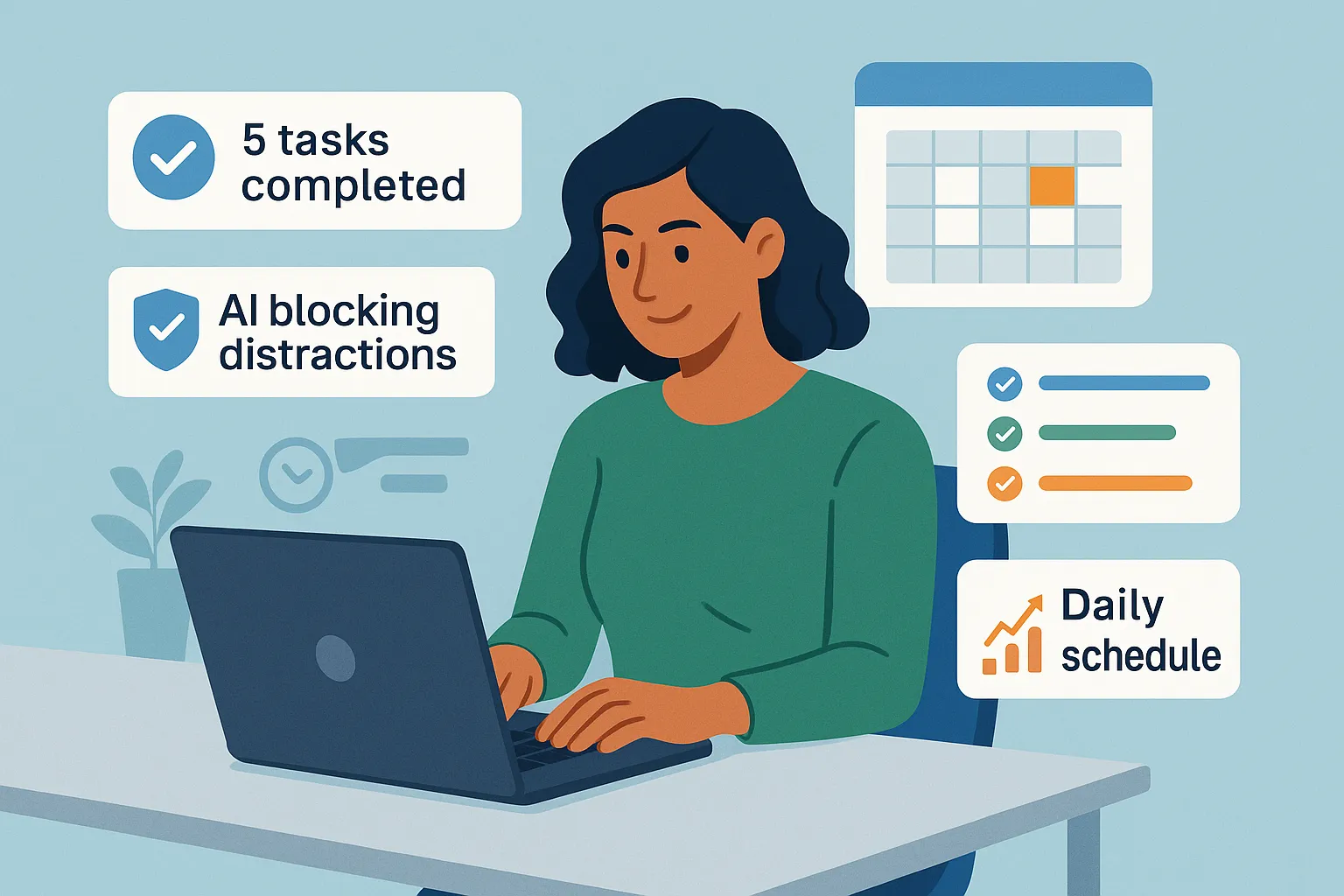
Productivity & Calendar
AI productivity and calendar tools have become essential for professionals, entrepreneurs, and students looking to make the most of their time without getting overwhelmed...
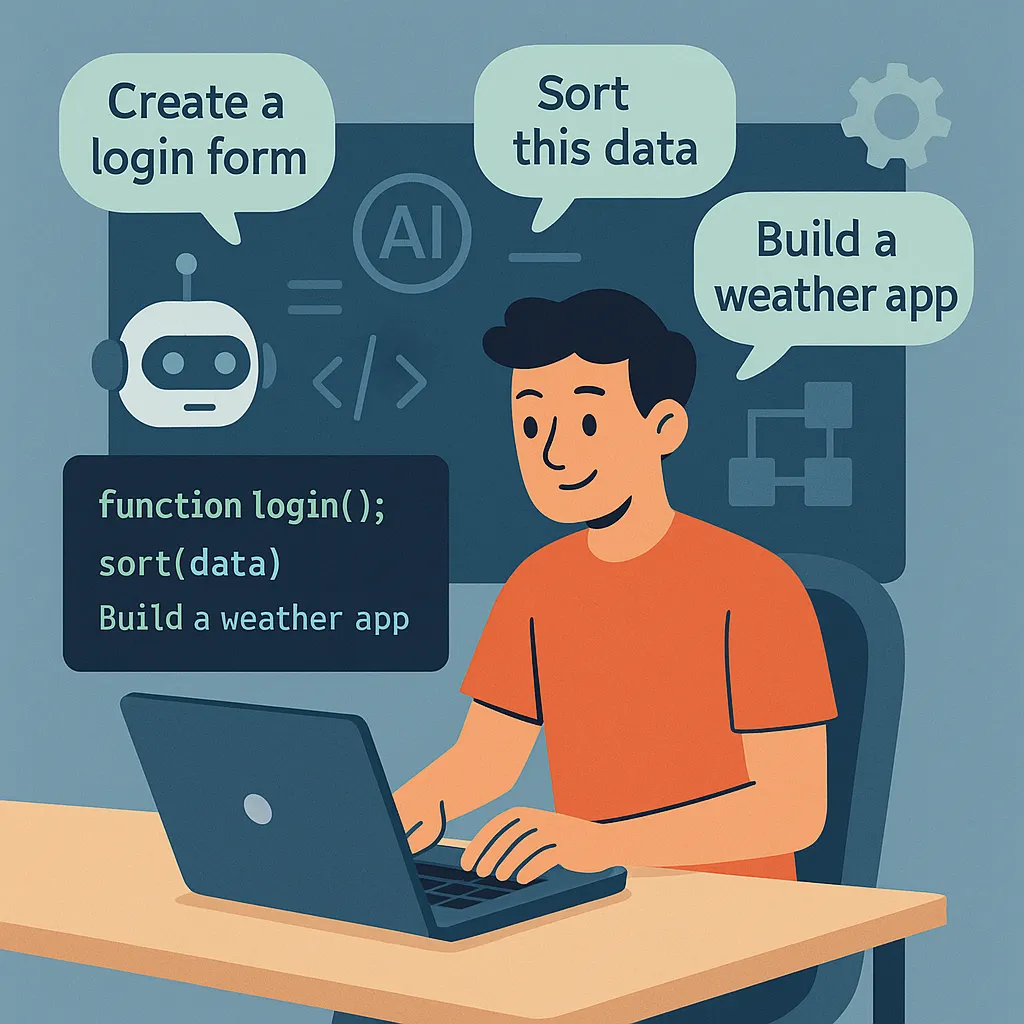
Natural Language To Code
Natural language to code tools are transforming software development by enabling users to build apps, websites, and workflows without needing advanced programming...
Blog
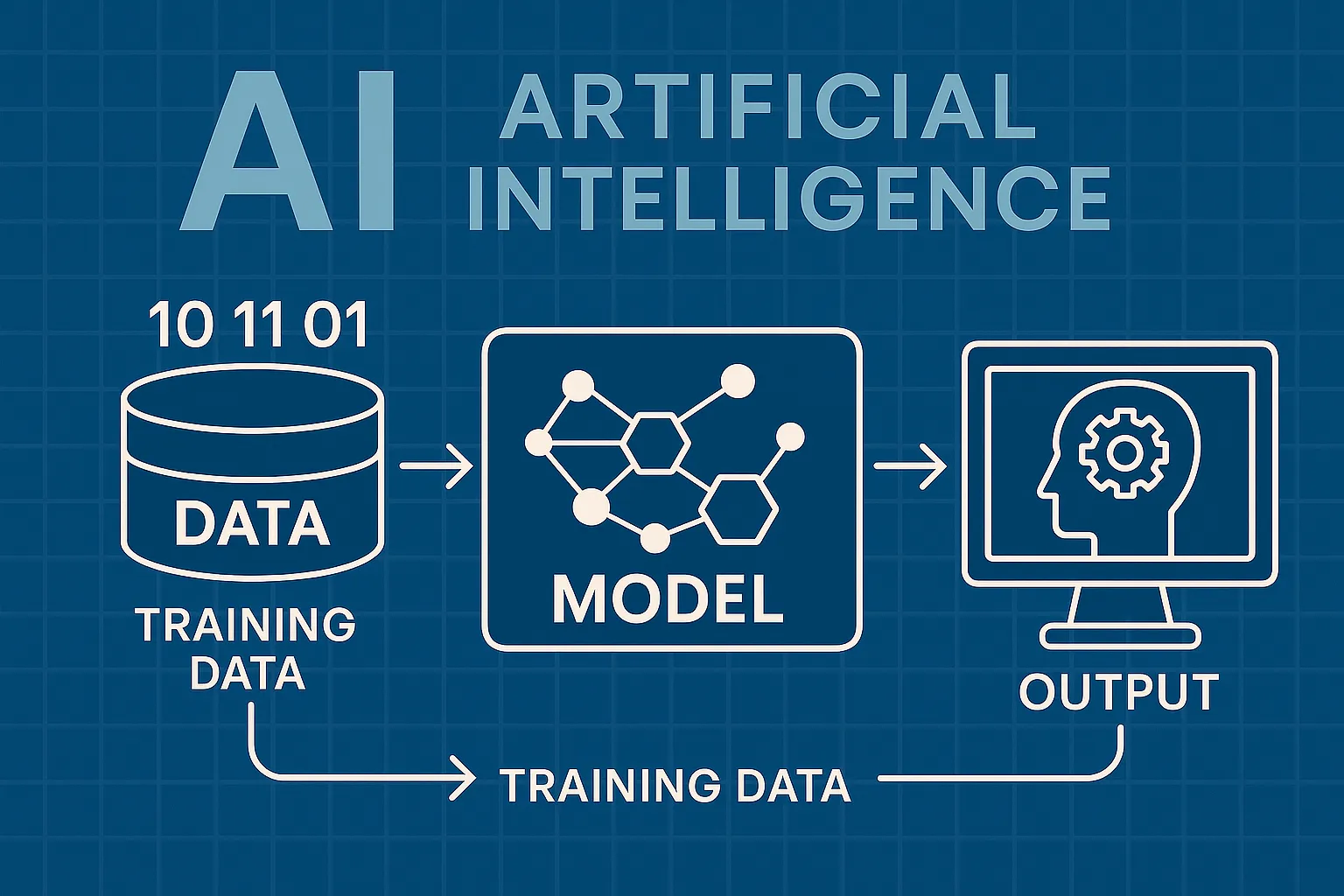
How AI Actually Works
Understand the basics of how AI systems learn, make decisions, and power tools like chatbots, image generators, and virtual assistants.

What Is Vibe Coding?
Discover the rise of vibe coding — an intuitive, aesthetic-first approach to building websites and digital experiences with help from AI tools.

7 Common Myths About AI
Think AI is conscious, infallible, or coming for every job? This post debunks the most widespread misconceptions about artificial intelligence today.

The Future of AI
From generative agents to real-world robotics, discover how AI might reshape society, creativity, and communication in the years ahead.
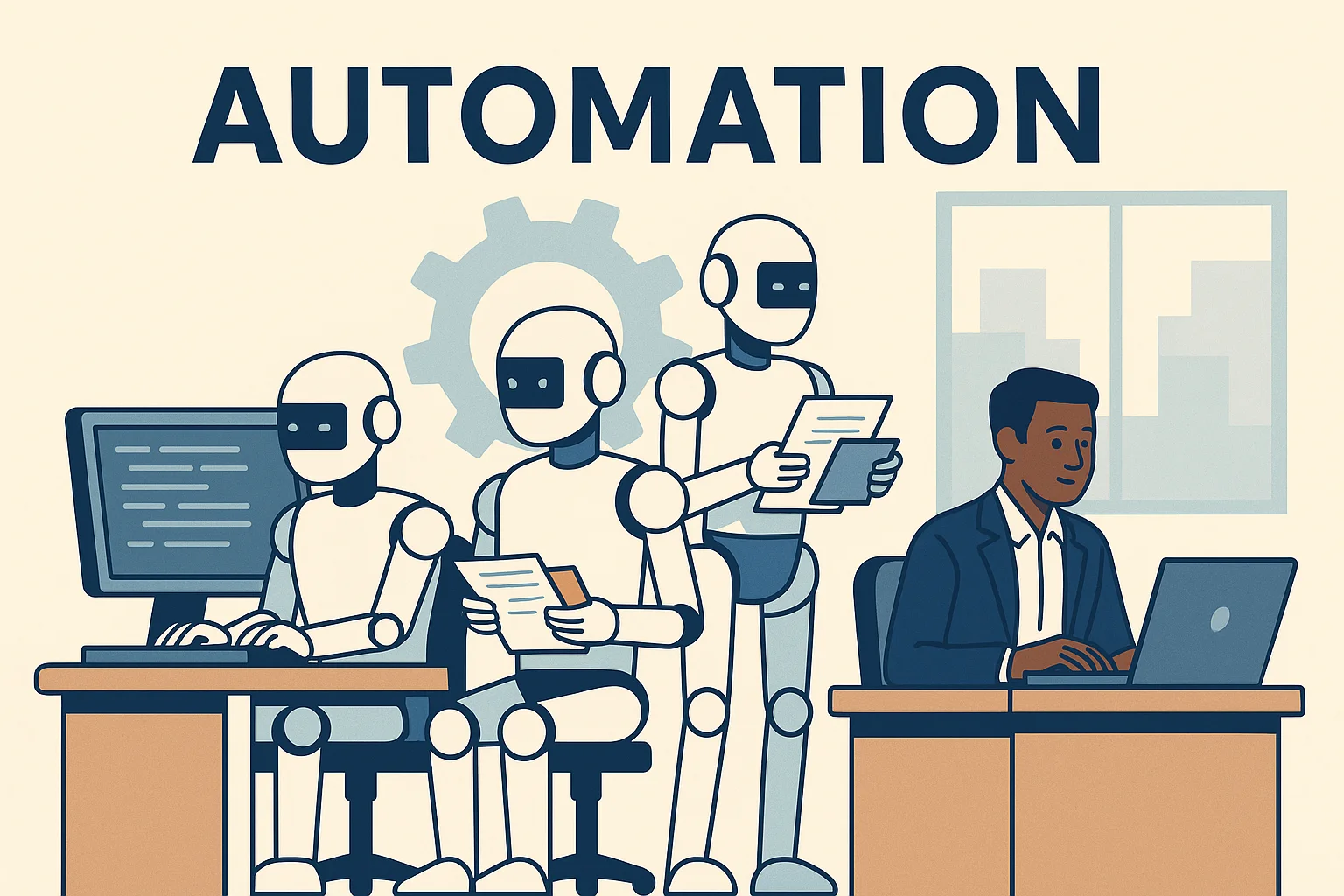
How AI Is Changing the Job Market
Will AI replace your job — or create new ones? Explore which careers are evolving, vanishing, or emerging in the AI-driven economy.

Common Issues with AI
Hallucinations, bias, privacy risks — learn about the most pressing problems in current AI systems and what causes them.