For multilingual users navigating multiple languages in daily life or work, the right AI tools can dramatically improve efficiency, clarity, and communication. In 2025, AI technology has evolved to support not just translation, but also high-quality content creation, chat-based assistance, grammar correction, and productivity across dozens of languages. Whether you're switching between English, Spanish, Mandarin, Arabic, or other language pairs, today’s top AI platforms are designed to handle diverse linguistic contexts with improved fluency and cultural sensitivity. This is especially valuable for professionals, students, marketers, and creators who need to operate confidently across language barriers. With both free and paid options available, these tools enable users to brainstorm, write, translate, and collaborate—no matter what languages they use. This guide highlights the most effective AI solutions for multilingual communication, helping you streamline your workflow and stay productive while working across global languages, audiences, and platforms.
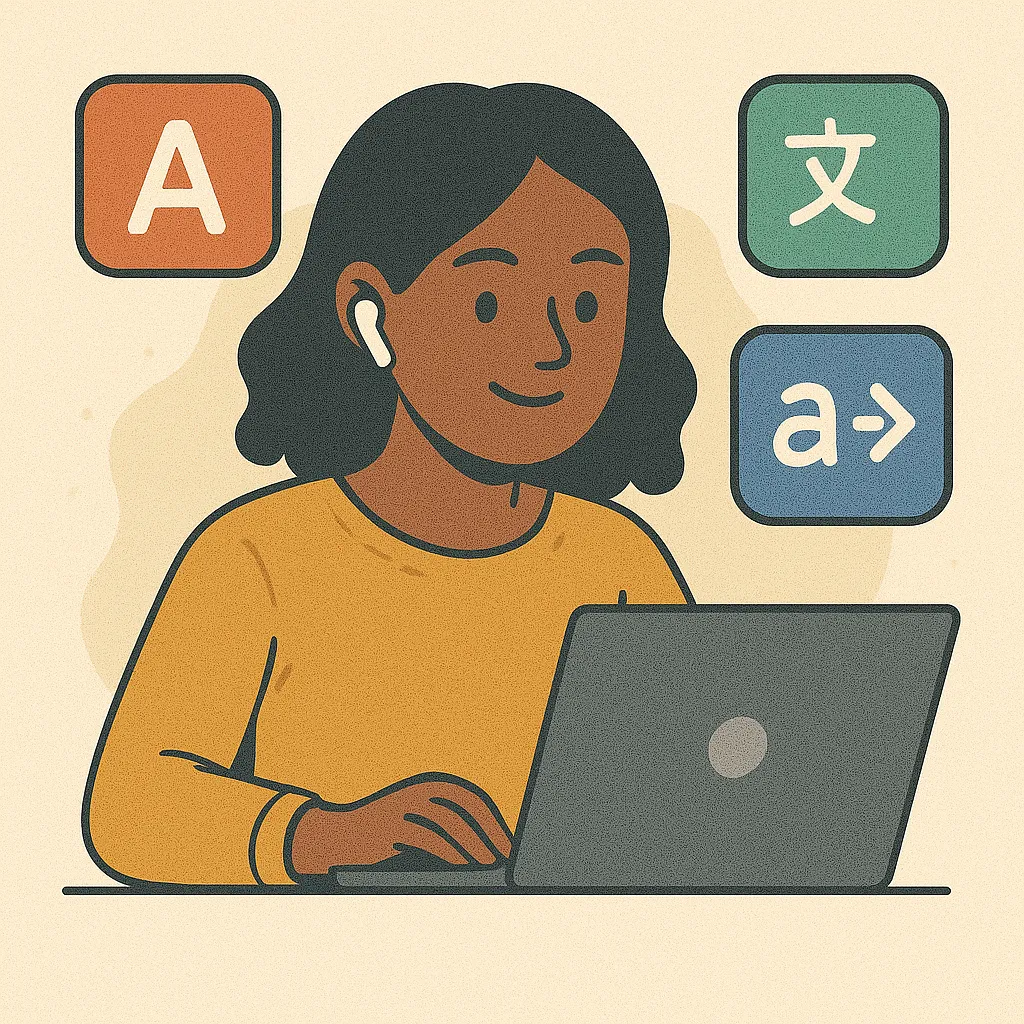
Top Paid AI Tools for Multilingual Users
| Rank | Tool | Key Strength | Price / Limitations | Best Use Case |
|---|---|---|---|---|
| #1 | DeepL Pro | Fluent, reliable translation for work | From $8.74/month (plan-dependent) | Formal documents, technical text, and business translation |
| #2 | ChatGPT Plus | Strong multilingual writing + conversation | $20/month | Drafting, rewriting, and cross-language collaboration |
| #3 | Claude Pro | High-quality multilingual reasoning and rewriting | $20/month (or less billed annually) | Polishing tone, translating nuance, and long-form multilingual work |
| #4 | Microsoft 365 Premium (Copilot) | Multilingual drafting inside Office apps | $19.99/month (plan availability varies) | Emails, documents, slides, and workplace workflows across languages |
| #5 | Lokalise AI | AI-assisted localization at scale (workflows + consistency) | Quote-based / team pricing | Product, website, and app localization for global audiences |
DeepL Pro
DeepL Pro remains one of the strongest premium options for multilingual users who need translations that sound natural and professional rather than robotic. It’s widely used for formal writing and high-stakes communication, including business documents, technical material, and client-facing content where clarity matters. Beyond simple copy-paste translation, DeepL Pro supports document translation and helps keep formatting intact, which is a big time-saver for PDFs and Word files. It also offers terminology and glossary controls for consistency, making it easier to maintain the same wording across repeated phrases, product names, or industry terms. For multilingual professionals, the real value is reliability: DeepL tends to produce fluent phrasing and better “read like a human” output than many general-purpose translators. If you translate frequently for work and want strong quality with fewer edits, DeepL Pro is a dependable upgrade.
ChatGPT Plus
ChatGPT Plus is a powerful all-in-one multilingual assistant because it goes far beyond translation. It’s ideal for users who switch languages throughout the day and need help drafting emails, rewriting text for different audiences, adapting tone and formality, generating bilingual content, and brainstorming in one language before publishing in another. Compared to basic translators, ChatGPT Plus can handle more context, which is critical for multilingual work: you can paste a full thread, explain who the audience is, and ask for multiple localized versions (formal vs casual, regional phrasing, shorter vs longer). It’s also useful for language learners and global teams because it can explain grammar choices, highlight awkward phrasing, and offer more culturally appropriate alternatives rather than literal translations. If you want a single tool that supports multilingual writing, ideation, and collaboration—not just converting text—ChatGPT Plus is one of the most flexible options available.
Claude Pro
Claude Pro is a strong pick for multilingual users who care about nuance, readability, and clean rewriting across languages. It’s especially useful when the goal isn’t just translating words, but preserving meaning, intent, and tone—like making a message sound professional in a second language, simplifying complex content for a wider audience, or rewriting something to match a region-specific style. Claude is also great for structured outputs: you can ask for multiple localized versions, provide terminology rules, and request consistent formatting (headings, bullet points, short paragraphs) for easier publishing. For longer documents or multi-step workflows, it works well as an “editor” layer—translate or draft first, then refine for clarity, polish, and cultural fit. If your multilingual work involves long-form writing, sensitive tone, or high-quality rewrites where subtle phrasing matters, Claude Pro is a premium option that can noticeably reduce manual editing time.
Microsoft 365 Premium (Copilot)
Microsoft 365 Premium (with Copilot features) is ideal for multilingual users who live inside Word, PowerPoint, Excel, and Outlook and want AI help directly where work happens. Instead of copying text between tabs, you can draft and refine multilingual emails, summarize documents, rewrite sections with a different tone, and generate polished content while keeping professional formatting intact. This is particularly valuable for global teams: you can produce multiple language versions of the same message, standardize terminology in reports, and quickly convert internal notes into clean client-ready writing. Copilot’s biggest advantage is workflow speed—because it’s built into common productivity apps, multilingual tasks become part of your normal document process rather than a separate translation step. For business users juggling meetings, emails, and deliverables in multiple languages, Microsoft’s ecosystem integration can be a practical upgrade that saves time every day.
Lokalise AI
Lokalise AI is built for multilingual work at scale—especially when you’re translating websites, apps, product interfaces, help centers, or marketing assets across many regions. Unlike general chatbots or simple translators, Lokalise is a localization platform designed for teams who need consistent terminology, repeatable workflows, and a central place to manage translations over time. The AI layer helps speed up translation while still supporting rules like glossaries, style preferences, and brand tone, which matters when you’re maintaining the same product message across languages. It’s particularly useful for companies that continuously ship updates, because localization is not a “one-time” task—new strings and content changes arrive constantly. If your multilingual needs include structured localization (not just translating a paragraph here and there), Lokalise AI can help you move faster while keeping your translated content consistent and organized across releases.
Top Free AI Tools for Multilingual Users
| Rank | Tool | Key Strength | Limitations | Best Use |
|---|---|---|---|---|
| #1 | DeepL Translator (Free) | High-quality, natural translations | Limits on length/features vs Pro | Everyday translation and quick rewrites |
| #2 | ChatGPT (Free) | Multilingual Q&A and writing help | Message limits and fewer advanced tools | Quick help in many languages |
| #3 | Google Translate | Huge language coverage + instant modes | Nuance and tone can be inconsistent | Fast phrases, signs, and lightweight translation |
| #4 | Google Gemini (Free) | Multilingual drafting and summarizing | Quality varies by language and task | Brainstorming, rewriting, and quick summaries |
| #5 | Reverso | Context-based examples + learning support | Free plan is basic and feature-limited | Language learning and context checks |
DeepL Translator (Free)
DeepL’s free translator is still one of the best no-cost options for multilingual users who want translations that read naturally. It’s especially good for everyday communication like emails, short documents, messages, and quick web text—situations where you need something fluent without spending time polishing awkward phrasing. The core translation quality is strong, and it tends to produce cleaner sentence structure than many general-purpose translators. The main tradeoff is access: the free version typically has limits on length and advanced features, and it won’t offer the same workflow tools as DeepL Pro (like deeper document handling and more professional controls). Still, for day-to-day multilingual tasks, it’s an excellent default translator to keep bookmarked—fast, simple, and surprisingly high quality for a free product.
ChatGPT (Free)
ChatGPT Free is a practical multilingual assistant for quick writing help, translation support, and everyday questions across many languages. It’s most useful when you need more than a direct translation—like rewriting a sentence to sound more natural, adjusting tone (formal vs casual), simplifying a paragraph for readability, or generating alternative phrasing options in a target language. Because it’s a chat-based tool, you can also add context (“this is for a customer email” or “this needs to be polite and professional”) and get more appropriate output than a basic translator would give. The limitation is capacity: the free plan generally comes with message limits and fewer advanced tools than paid tiers, so it’s best used for shorter tasks and quick iterations. For multilingual users, it’s a strong free “Swiss Army knife” for writing and communication.
Google Translate
Google Translate remains the most universally accessible translation tool, and it shines when speed and language coverage matter most. It supports an enormous number of languages and includes multiple input methods—typed text, voice, handwriting, and camera/image translation—which makes it especially useful on mobile for travel and real-world situations like menus, signs, and quick conversations. For simple phrases and short text, it’s often more than good enough, and it’s integrated into the broader Google ecosystem so it’s easy to reach from anywhere. The tradeoff is nuance: longer passages, professional tone, and idiomatic phrasing can still come out awkward or overly literal. Even with that limitation, Google Translate is one of the most essential free tools for multilingual users because it’s fast, flexible, and available almost everywhere.
Google Gemini (Free)
Google Gemini (Free) is a helpful option for multilingual users who want an AI assistant for drafting, rewriting, summarizing, and brainstorming in different languages. It’s useful for getting ideas out quickly in a target language, generating alternate versions of a paragraph, or summarizing information so it’s easier to translate and communicate across teams. Gemini can also help with language exploration, like suggesting more natural wording or proposing region-appropriate phrasing when your first draft feels too literal. Like most free AI tools, the experience can vary depending on the language and the complexity of the request, so it’s best used as a fast first pass—then double-check important messaging with a dedicated translator or an editor when stakes are high. As a free companion tool, Gemini is a solid addition to a multilingual workflow.
Reverso
Reverso is a great free companion for multilingual users who care about context, not just direct translation. Instead of only converting text, Reverso emphasizes real example sentences, synonyms, and usage patterns that help you understand how words and phrases are naturally used. That makes it especially valuable for language learners, bilingual writers, and professionals who want to avoid unnatural phrasing in a second language. It’s also helpful as a “sanity check” tool: if you’re unsure whether a translation sounds normal, you can search a phrase and see how it appears in real contexts. The free plan is more limited than its paid offerings, but even the no-cost version can significantly improve accuracy and fluency—particularly when you’re working between languages with tricky idioms, formality differences, or multiple valid translation options.
Rankings

Chatbots
AI chatbots have quickly evolved from simple assistants into powerful, multi-purpose tools used by millions of people every day...

Image Generators
AI image generators are revolutionizing the way creatives, marketers, and developers produce visual content by transforming text prompts into detailed, customized...

Writing Assistants
AI writing assistants have become indispensable tools for anyone who writes — from students and bloggers to business professionals and marketers...

Deepfake Detection
As deepfake technology becomes more advanced and accessible, detecting AI-manipulated content is now a critical challenge across journalism, education, law, and...
Productivity & Calendar
AI productivity and calendar tools have become essential for professionals, entrepreneurs, and students looking to make the most of their time without getting overwhelmed...
Natural Language To Code
Natural language to code tools are transforming software development by enabling users to build apps, websites, and workflows without needing advanced programming...
Blog
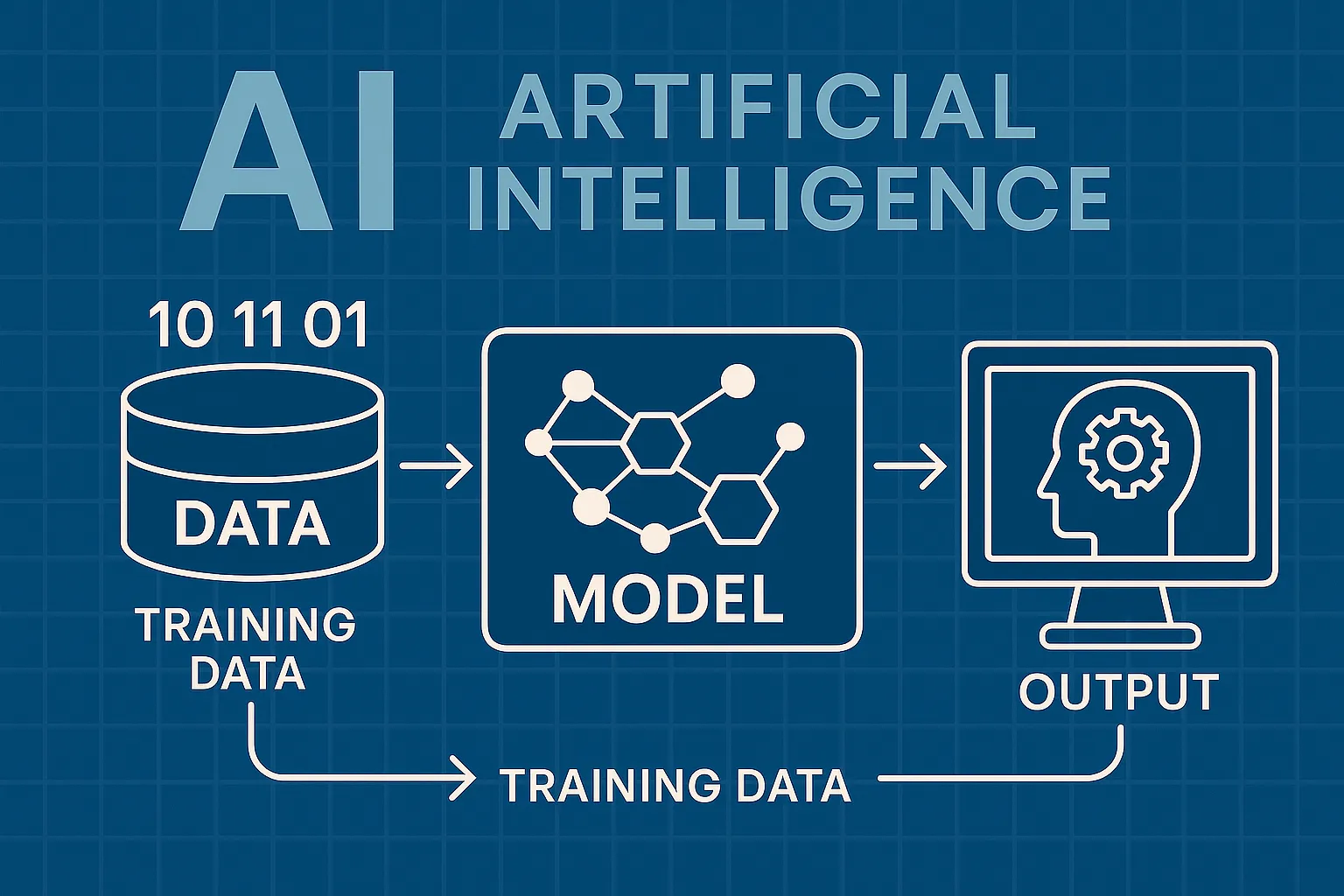
How AI Actually Works
Understand the basics of how AI systems learn, make decisions, and power tools like chatbots, image generators, and virtual assistants.

What Is Vibe Coding?
Discover the rise of vibe coding — an intuitive, aesthetic-first approach to building websites and digital experiences with help from AI tools.

7 Common Myths About AI
Think AI is conscious, infallible, or coming for every job? This post debunks the most widespread misconceptions about artificial intelligence today.

The Future of AI
From generative agents to real-world robotics, discover how AI might reshape society, creativity, and communication in the years ahead.
How AI Is Changing the Job Market
Will AI replace your job — or create new ones? Explore which careers are evolving, vanishing, or emerging in the AI-driven economy.

Common Issues with AI
Hallucinations, bias, privacy risks — learn about the most pressing problems in current AI systems and what causes them.