Japanese speakers now have access to a growing ecosystem of AI tools designed to meet their specific linguistic, cultural, and professional needs. In 2025, whether you're writing in kanji, hiragana, or romaji, the latest AI-powered platforms support natural communication, nuanced translation, and seamless content creation across industries. These tools cater to a wide range of users—from students and researchers to marketers, content creators, and business professionals—who need accurate, fluent Japanese interaction with advanced AI capabilities. With improved support for honorifics, sentence structure, and tone, modern AI platforms are better equipped than ever to handle the complexity and elegance of the Japanese language. Whether you're managing projects in Japanese, learning the language, or translating between Japanese and other languages, this guide showcases the most effective solutions available today. Explore your options to boost productivity, streamline communication, and engage more confidently in Japanese, using AI tools built for precision, speed, and real-world usability.

Top Paid AI Tools for Japanese Speakers
| Rank | Tool | Key Strength | Price / Limitations | Best Use Case |
|---|---|---|---|---|
| #1 | DeepL Pro | Best-in-class English↔Japanese translation quality and tone | From $8.74/month | Business, localization, and formal writing |
| #2 | ChatGPT Plus | Natural Japanese writing, tutoring, and structured drafting | $20/month | Writing, study help, bilingual workflows |
| #3 | Claude Pro | High-quality Japanese reasoning, rewriting, and long-form editing | $20/month (monthly) | Editing, summarizing, and polished Japanese output |
| #4 | Google AI Pro (Gemini) | Multilingual assistant with strong Japanese drafting and planning | $19.99/month | Research, outlines, and productivity in Japanese |
| #5 | Notion AI | Japanese-friendly notes, summaries, and workspace writing | Paid add-on / plan dependent | Team docs, meeting notes, and knowledge management |
DeepL Pro
DeepL Pro remains one of the strongest paid choices for English↔Japanese translation when accuracy, readability, and professional tone truly matter. It’s particularly good at producing natural Japanese phrasing that doesn’t feel like a literal word-for-word conversion, which is essential for business emails, contracts, customer support templates, and localization work. DeepL’s strength shows up in the details: handling polite language, smoothing awkward sentence structure, and preserving meaning without turning the output into unnatural “translationese.” Pro plans add features that are valuable for serious use, like document translation (while preserving formatting), glossaries for consistent terminology (great for product names and technical terms), and options designed for professional workflows. If your priority is producing clean, formal Japanese that reads like it was written by a fluent speaker, DeepL Pro is still a top-tier tool in 2026.
ChatGPT Plus
ChatGPT Plus is a highly versatile Japanese assistant because it goes beyond translation and helps with the full “thinking and writing” process in Japanese. You can use it to draft polite business messages (敬語), rewrite casual text into formal Japanese, create outlines and study notes, generate social captions, or explain grammar patterns in plain language. It’s also great for bilingual users who work in Japanese and English—paste an English brief and ask for a natural Japanese version with a specified tone (丁寧語, casual, customer-service style), or ask for multiple variants to match different audiences. For students, it’s useful as a tutor: you can request examples, corrections, and short quizzes in Japanese. Plus plans typically unlock better capability and smoother handling of longer tasks, which is why it’s a strong paid pick for everyday Japanese productivity.
Claude Pro
Claude Pro is an excellent option for Japanese users who care about clarity, nuance, and polished writing—especially in longer documents. It’s strong at rewriting and editing Japanese to sound more natural, tightening paragraphs without losing meaning, and keeping tone consistent across a full page (which is often where basic tools fall apart). Claude is also useful for work that needs careful structure: summarizing research or meeting notes into clean Japanese bullet points, turning rough drafts into a readable final version, and generating alternative phrasings that match different levels of formality. If you frequently work with long text—reports, scripts, documentation, or study materials—Claude Pro’s higher usage limits and focus on quality make it a practical upgrade. For many Japanese speakers, it works best as a “final pass” editor and clarity booster for anything you plan to publish or send professionally.
Google AI Pro (Gemini)
Google’s paid Gemini plan is a strong fit for Japanese speakers who want an assistant for planning, research-style tasks, and multilingual productivity. It’s especially useful for producing structured Japanese output—outlines, summaries, step-by-step plans, and rewritten drafts that stay organized and readable. For bilingual workflows, Gemini is great when you start with English sources (articles, notes, rough ideas) and need a natural Japanese version that matches a target tone—like formal internal documentation, customer-friendly explanations, or simplified Japanese for learners. The paid tier is typically most valuable when you rely on the assistant frequently and want higher usage access for bigger workloads. If you do a lot of ideation, drafting, and “organizing information” in Japanese, Gemini’s paid plan is a strong everyday tool to keep your writing and planning moving fast.
Notion AI
Notion AI is ideal for Japanese speakers who do their work inside documents, wikis, and project notes—because the AI help happens directly in the workspace where your content already lives. It can summarize Japanese meeting notes, rewrite paragraphs into clearer Japanese, generate action items, and turn messy brainstorms into structured documentation. That’s especially helpful for teams who work in Japanese (or mixed Japanese-English environments) and want consistent write-ups without copying content across multiple apps. Notion AI is also useful for individuals: it can clean up Japanese study notes, create templates for recurring documents, and produce quick drafts that you refine later. While it isn’t a dedicated translator like DeepL, it excels at “productivity writing” in Japanese—summaries, rephrasing, planning documents, and knowledge management—making it a great paid add-on for organized, repeatable workflows.
Top Free AI Tools for Japanese Speakers
| Rank | Tool | Key Strength | Limitations | Best Use |
|---|---|---|---|---|
| #1 | ChatGPT (Free) | Everyday Japanese Q&A, writing help, and quick rewrites | Lower usage limits and fewer advanced features than Plus | General chat, learning, and short drafts |
| #2 | Google Gemini (Free) | Solid Japanese drafting and summarization for common tasks | Quality and limits may vary by account/region | Summaries, outlines, and idea generation |
| #3 | Microsoft Copilot (Free) | Fast Japanese assistance for rewriting and quick explanations | Not a dedicated Japanese translator/localization tool | Quick edits and bilingual productivity |
| #4 | DeepL Translator (Free) | High-quality short-form English↔Japanese translation | Pro features like full docs/glossaries are limited | Everyday translation and sentence-level polish |
| #5 | Naver Papago | Useful alternative translator for Japanese with strong day-to-day results | Best results vary by language pair and context | Quick translation checks and second opinions |
ChatGPT (Free)
ChatGPT’s free tier is a great starting point for Japanese speakers who want practical help without paying upfront. It can answer questions in Japanese, help you rewrite sentences to sound more natural, explain grammar patterns, and generate short drafts like messages, captions, or study notes. It’s also useful for tone adjustments: ask it to rewrite the same content in casual Japanese, 丁寧語, or customer-service style, and you’ll often get workable variants that save time. For learners, it’s helpful as a practice partner—generate example dialogues, get corrections, and ask for simple explanations of vocabulary and kanji usage. The main tradeoff is usage limits and access: free accounts typically have fewer advanced features and lower message caps than paid plans. But for everyday Japanese support, it’s still one of the most capable free tools available.
Google Gemini (Free)
Gemini’s free version is a strong choice for Japanese users who want quick summaries, clean outlines, and draft content in readable Japanese. It works well for common tasks like turning a messy set of notes into structured bullet points, simplifying a topic into easier Japanese, or generating multiple headline options and short introductions for content creation. It’s also helpful for bilingual workflows: you can paste English content and request a natural Japanese rewrite, or ask for a Japanese version that avoids overly stiff translations. While results can vary depending on account settings and region, Gemini is generally reliable for day-to-day drafting and planning. If you want a free assistant that’s good at organization and “first drafts” in Japanese, Gemini is a great tool to keep bookmarked alongside dedicated translators.
Microsoft Copilot (Free)
Microsoft Copilot is a convenient free assistant for Japanese speakers who want quick rewrites, short explanations, and bilingual writing support without learning a complex workflow. It’s useful for polishing Japanese sentences, simplifying phrasing, and generating quick templates for messages, summaries, or outlines. Copilot is especially practical when your work naturally mixes Japanese and English—like translating key points from English materials into clear Japanese, or rewriting Japanese content to sound smoother and more professional. While it isn’t designed as a specialized Japanese translation/localization platform, it performs well as an everyday “second brain” tool for fast edits and productivity. If you want a free assistant that can help you move faster on small tasks—quick summaries, rewording, and simple drafts—Copilot is a solid option to add to your AI toolkit.
DeepL Translator (Free)
DeepL’s free translator is widely trusted for Japanese because it often produces more natural phrasing than traditional machine translation—especially for English↔Japanese. It’s ideal for translating short passages, checking sentence-level nuance, and improving the readability of Japanese drafts. Many users rely on it as a “quality check” tool: write a sentence, translate it, and see whether the meaning stays consistent and natural. DeepL can also help with tone and structure, which matters in Japanese where word choice and sentence flow strongly affect how polite or professional something feels. The free version has limits compared to Pro (for example, advanced features like large document workflows and professional tooling), but it remains one of the best no-cost options for high-quality Japanese translation. For students, travelers, and casual users, it’s an easy win.
Naver Papago
Papago is a popular translator option that many users keep as a reliable “second opinion” alongside DeepL and Google Translate—especially for everyday Japanese translation tasks. It’s fast, simple to use, and can be helpful when one translator produces phrasing that feels slightly off. In practice, Papago is useful for checking casual language, short messages, and common conversational patterns, and it’s a handy tool when you want to compare translations quickly before sending something important. As with any translator, results depend on context and language pair, so it’s best used as a quick validation layer rather than the only tool for formal documents. Still, for Japanese speakers (and learners) who want a free translator that’s easy to access and often gives strong day-to-day results, Papago is absolutely worth adding to your toolkit.
Rankings

Chatbots
AI chatbots have quickly evolved from simple assistants into powerful, multi-purpose tools used by millions of people every day...

Image Generators
AI image generators are revolutionizing the way creatives, marketers, and developers produce visual content by transforming text prompts into detailed, customized...

Writing Assistants
AI writing assistants have become indispensable tools for anyone who writes — from students and bloggers to business professionals and marketers...

Deepfake Detection
As deepfake technology becomes more advanced and accessible, detecting AI-manipulated content is now a critical challenge across journalism, education, law, and...

Productivity & Calendar
AI productivity and calendar tools have become essential for professionals, entrepreneurs, and students looking to make the most of their time without getting overwhelmed...
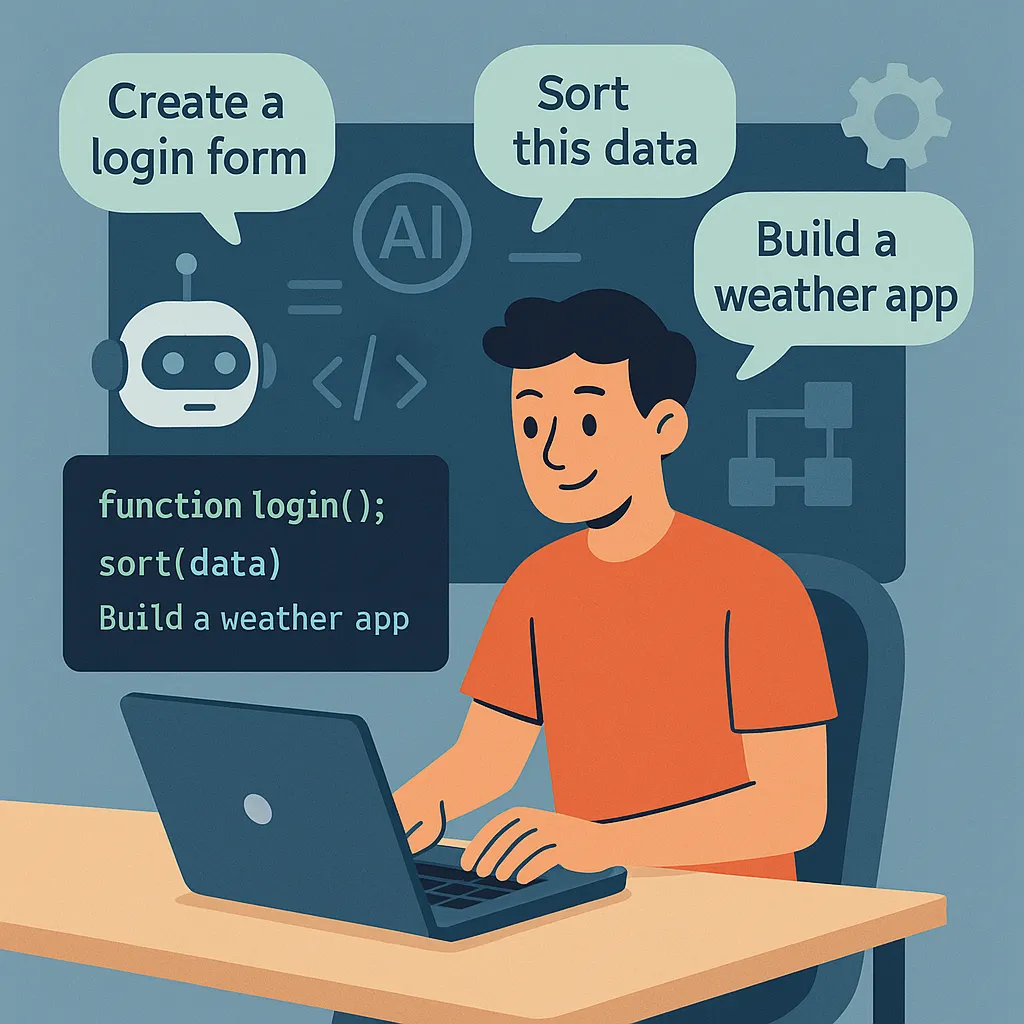
Natural Language To Code
Natural language to code tools are transforming software development by enabling users to build apps, websites, and workflows without needing advanced programming...
Blog

How AI Actually Works
Understand the basics of how AI systems learn, make decisions, and power tools like chatbots, image generators, and virtual assistants.

What Is Vibe Coding?
Discover the rise of vibe coding — an intuitive, aesthetic-first approach to building websites and digital experiences with help from AI tools.

7 Common Myths About AI
Think AI is conscious, infallible, or coming for every job? This post debunks the most widespread misconceptions about artificial intelligence today.

The Future of AI
From generative agents to real-world robotics, discover how AI might reshape society, creativity, and communication in the years ahead.

How AI Is Changing the Job Market
Will AI replace your job — or create new ones? Explore which careers are evolving, vanishing, or emerging in the AI-driven economy.

Common Issues with AI
Hallucinations, bias, privacy risks — learn about the most pressing problems in current AI systems and what causes them.