As AI technology continues to expand across global markets, Hindi speakers are now gaining greater access to intelligent tools tailored to their language and cultural context. Whether you're navigating Devanagari or Roman script (Hinglish), today's AI tools offer practical solutions for communication, education, productivity, and content creation. From real-time translation to conversational assistance and writing support, these platforms are increasingly designed to understand and respond in natural, fluent Hindi. This guide highlights the most effective AI solutions available in 2025 for native Hindi speakers, bilingual users, and anyone operating in multilingual digital spaces. Whether you're a student, content creator, business owner, or casual user, these tools can enhance how you work and communicate every day. With more developers embracing Indian language models and local dialects, Hindi users no longer need to rely solely on English-first tools. This curated comparison is your starting point for exploring AI tools that truly speak your language—whether for writing, learning, chatting, or translating.

Top Paid AI Tools for Hindi Speakers
| Rank | Tool | Key Strength | Price / Limitations | Best Use Case |
|---|---|---|---|---|
| #1 | ChatGPT Plus | High-quality Hindi + Hinglish writing, tutoring, and translation | $20/month | Study help, writing, daily productivity |
| #2 | Google AI Pro (Gemini) | Advanced multilingual assistant with strong Hindi support | Subscription (varies by region) | Research, drafting, and multilingual workflows |
| #3 | Jio Haptik | Hindi-first enterprise chat & voice agents for CX | Custom pricing | Customer support automation for Hindi audiences |
| #4 | Sarvam AI | Indian-language LLM + speech APIs (Hindi-first) | Usage-based / enterprise pricing | Hindi voice, transcription, and localized AI apps |
| #5 | Microsoft Translator (Azure) | Reliable Hindi translation at scale for apps and websites | Pay-as-you-go / subscription tiers | Production translation pipelines + business localization |
ChatGPT Plus
ChatGPT Plus is one of the most flexible “do-everything” AI tools for Hindi speakers in 2026, because it can handle natural Hindi, Hinglish, and mixed Hindi-English workflows without forcing you into rigid templates. You can ask for responses in pure Devanagari, Roman Hindi, or a bilingual style depending on your audience, and it’s strong for rewriting, summarizing, drafting, and turning rough thoughts into polished messages. It’s especially useful for students who want concept explanations in simple Hindi, creators who need captions and scripts, and professionals who need clearer emails or proposals in bilingual contexts. Plus users typically get access to more capable models, better tools (uploads and advanced features depending on your plan), and a smoother experience for longer tasks—making it a practical upgrade if Hindi is a core part of your daily writing or learning.
Google AI Pro (Gemini)
Google’s paid Gemini subscription is a strong pick for Hindi speakers who want a polished assistant for planning, research-style work, and multilingual productivity. In real use, Gemini tends to shine when you’re combining Hindi with Google’s ecosystem—drafting content, brainstorming ideas, summarizing topics, and converting English sources into clear Hindi explanations. It’s also helpful for tone control: you can request formal Hindi for professional writing, simpler Hindi for learners, or Hinglish for social media. For bilingual creators and students, the value is consistency across many tasks—outlines, study plans, rewrites, and quick translations—without constantly switching tools. If you routinely work across Google products and want a high-capability assistant that can keep Hindi output structured and readable, Gemini’s paid tier is a strong option for day-to-day use.
Jio Haptik
Jio Haptik is a Hindi-first conversational AI platform built for businesses that need to serve customers in India at scale—especially on mobile-first channels where Hindi and Hinglish are common. Unlike general chatbots, Haptik is designed for production customer experience: it supports structured flows, intent detection, handoffs to human agents, analytics, and deployments across common touchpoints (including messaging-style experiences). For Hindi-speaking audiences, the advantage is localized understanding: it’s built around real Indian usage patterns, where users might mix scripts, shorten words, or switch between Hindi and English mid-sentence. Companies typically use it for high-volume FAQs, order tracking, lead capture, appointment booking, and support triage. If your primary goal is reliable customer support automation for Hindi users, Haptik is more purpose-built than “general assistant” tools.
Sarvam AI
Sarvam AI is positioned around Indian-language capability first, which makes it especially relevant for Hindi products that need more than just basic translation. It’s commonly used as an API layer to power Hindi chat experiences, Hindi voice workflows (text-to-speech), and transcription pipelines (speech-to-text) that feel natural for Indian users. That matters if you’re building a Hindi-first app, automating call/voice processes, or creating content in Hindi where pronunciation, cadence, and region-aware language choices make a difference. The practical value is control: instead of relying entirely on generic global models, teams can use Sarvam for language-specific performance and better alignment with Indian contexts. For founders, agencies, or enterprises building Hindi interfaces—voice agents, assistants, or localized support—Sarvam is one of the most directly targeted “India-first” AI stacks available in 2026.
Microsoft Translator (Azure)
Microsoft Translator (available through Azure) is a dependable choice when you need Hindi translation integrated into a real product workflow—websites, apps, customer support systems, internal knowledge bases, or multi-language content operations. The strength here is reliability and scalability: it’s built for production usage, predictable performance, and enterprise-friendly management. For Hindi use cases, it can support everything from quick UI string translation to large-volume content localization, and it’s commonly used in business settings where consistency matters more than “creative” language. It also pairs well with Microsoft environments, which is helpful if your team already uses Microsoft tools and wants translation as part of existing pipelines. If you’re translating at scale (and need cost control, monitoring, and stability), Azure Translator is a practical paid option that many teams trust for Hindi localization.
Top Free AI Tools for Hindi Speakers
| Rank | Tool | Key Strength | Limitations | Best Use |
|---|---|---|---|---|
| #1 | ChatGPT (Free) | Fast Hindi + Hinglish help for everyday questions | Lower limits and fewer advanced features than paid plans | Learning, quick writing help, casual chat |
| #2 | Google Gemini (Free) | Multilingual assistant with solid Hindi responses | Quality and limits vary by account/region | Summaries, ideas, and Hindi drafting |
| #3 | Microsoft Copilot (Free) | Useful Hindi Q&A + bilingual writing support | Not as customizable as pro-grade writing tools | Everyday assistance and quick rewrites |
| #4 | Google Translate (Free) | Quick Hindi ↔ English translation that “just works” | May miss nuance in idioms, tone, or long documents | Instant translation and travel/communication |
| #5 | BHASHINI (Anuvaad) | India-focused language translation and accessibility tools | Experience can vary by service and language pair | Indian-language translation and public-facing access |
ChatGPT (Free)
ChatGPT’s free tier is one of the easiest entry points for Hindi speakers who want immediate help with writing, learning, translating, or simply chatting in Hindi or Hinglish. It’s great for quick tasks like fixing grammar, rewriting a message into clearer Hindi, generating captions, simplifying a topic for study, or converting English notes into easy Hindi explanations. You can also ask it to respond in Devanagari or Roman script, which is useful if you’re more comfortable reading one format over the other. The main tradeoff is access and limits: free usage typically comes with fewer advanced tools and lower message caps compared with paid plans. Still, for students, casual users, and anyone testing whether AI fits their Hindi workflow, it’s a strong everyday assistant that covers a lot without costing anything.
Google Gemini (Free)
Google Gemini’s free experience is a strong option for Hindi users who want a clean, multilingual assistant that can handle common tasks like summarizing content, brainstorming ideas, drafting posts, and rewriting sentences in clearer Hindi. It’s particularly helpful when you need structured output—headlines, bullet-point summaries, study notes, or simple explanations—without spending time formatting everything yourself. Gemini also works well for bilingual workflows, where you might paste English content and ask for a natural Hindi version (or Hinglish for social media). Limits and quality can vary depending on region and account, but for many users it’s a reliable free alternative to paid assistants. If your goal is quick Hindi content support for school, work, or everyday life, Gemini is an excellent tool to keep in your rotation.
Microsoft Copilot (Free)
Microsoft Copilot is a practical free assistant for Hindi speakers who want quick answers, writing cleanup, and bilingual drafting without a steep learning curve. It can help you rewrite a sentence into clearer Hindi, generate simple summaries, create short templates (like messages, posts, or outlines), and explain concepts in a more beginner-friendly way. Copilot is especially useful when you’re working in “mixed language mode,” where you’re thinking in Hindi but interacting with English-heavy work or school materials. While it isn’t a dedicated Hindi writing platform and won’t replace specialized localization tools, it’s fast and convenient for everyday productivity. For many users, Copilot works best as a “second opinion” tool—helping you refine wording, remove awkward phrasing, and keep your Hindi-English communication more polished.
Google Translate (Free)
Google Translate remains one of the most useful free tools for Hindi speakers because it’s instant, widely available, and supports the everyday translation situations people actually face—messages, short paragraphs, signs, web snippets, and quick back-and-forth communication. For Hindi ↔ English, it’s often the fastest way to get a workable translation when you need something immediately. It’s also helpful for learners: you can translate a sentence, then tweak wording and check meaning quickly. The main limitation is nuance—formal documents, idioms, and tone-sensitive writing can still come out slightly “machine-like,” and you may need to edit for style. But as a free tool for rapid translation and comprehension, especially on mobile, it’s still a top pick for Hindi users in 2026.
BHASHINI (Anuvaad)
BHASHINI is an India-focused language AI initiative designed to make digital services more accessible across Indian languages, and Anuvaad is one of the easiest ways to try its translation experience. For Hindi users, it’s especially relevant because it’s built with Indian language needs in mind, including common cross-language scenarios inside India (not just English-first translation). Depending on the service and language pair, BHASHINI can support translating text and improving access to multilingual content for citizens, learners, and organizations. It’s a strong complement to global tools: if you’re working with Indian-language content and want an ecosystem aimed at local language coverage, BHASHINI is worth bookmarking. While the interface and output quality can vary by feature, it’s one of the most important free resources for Hindi and other Indian-language AI accessibility.
Rankings

Chatbots
AI chatbots have quickly evolved from simple assistants into powerful, multi-purpose tools used by millions of people every day...

Image Generators
AI image generators are revolutionizing the way creatives, marketers, and developers produce visual content by transforming text prompts into detailed, customized...

Writing Assistants
AI writing assistants have become indispensable tools for anyone who writes — from students and bloggers to business professionals and marketers...

Deepfake Detection
As deepfake technology becomes more advanced and accessible, detecting AI-manipulated content is now a critical challenge across journalism, education, law, and...
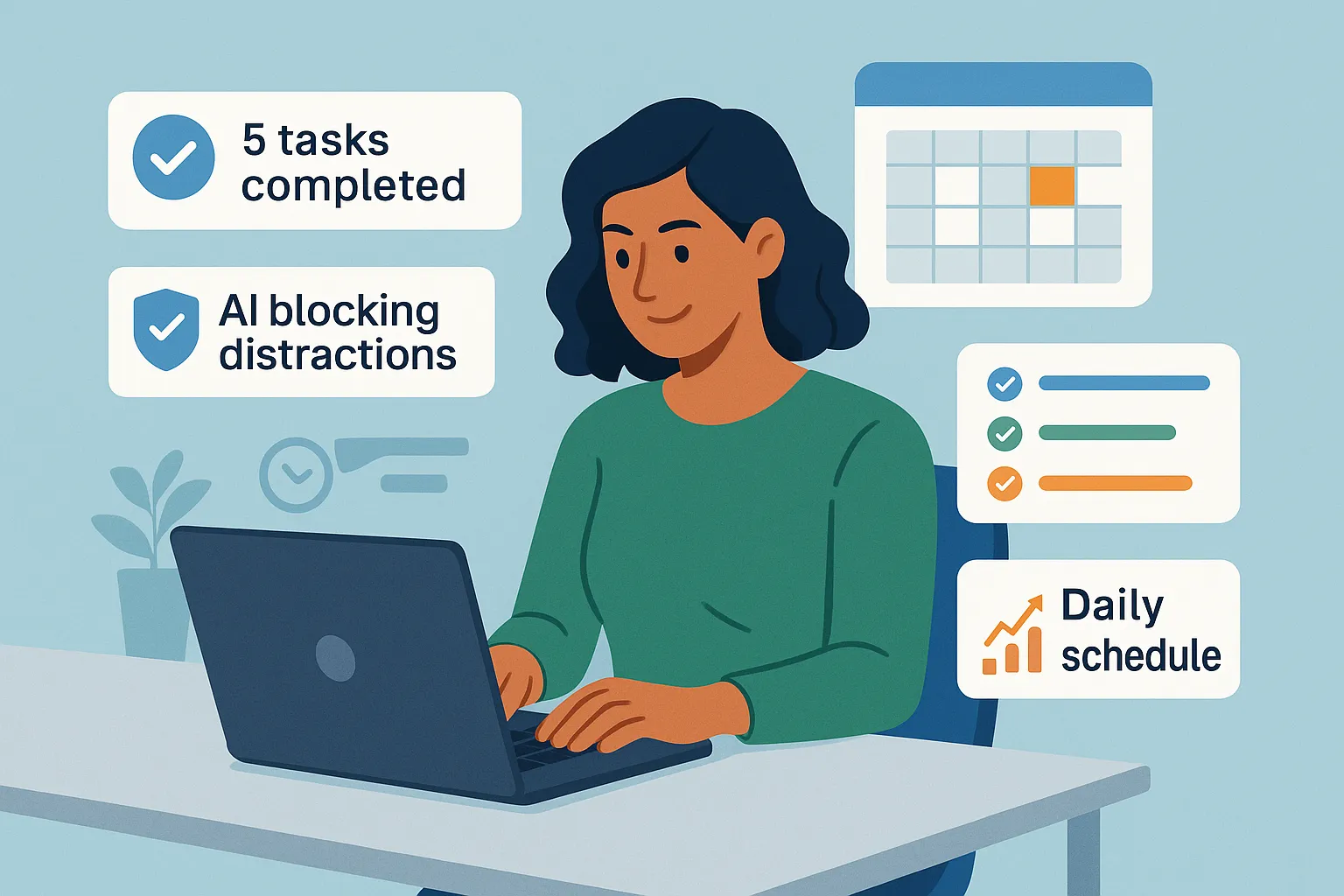
Productivity & Calendar
AI productivity and calendar tools have become essential for professionals, entrepreneurs, and students looking to make the most of their time without getting overwhelmed...
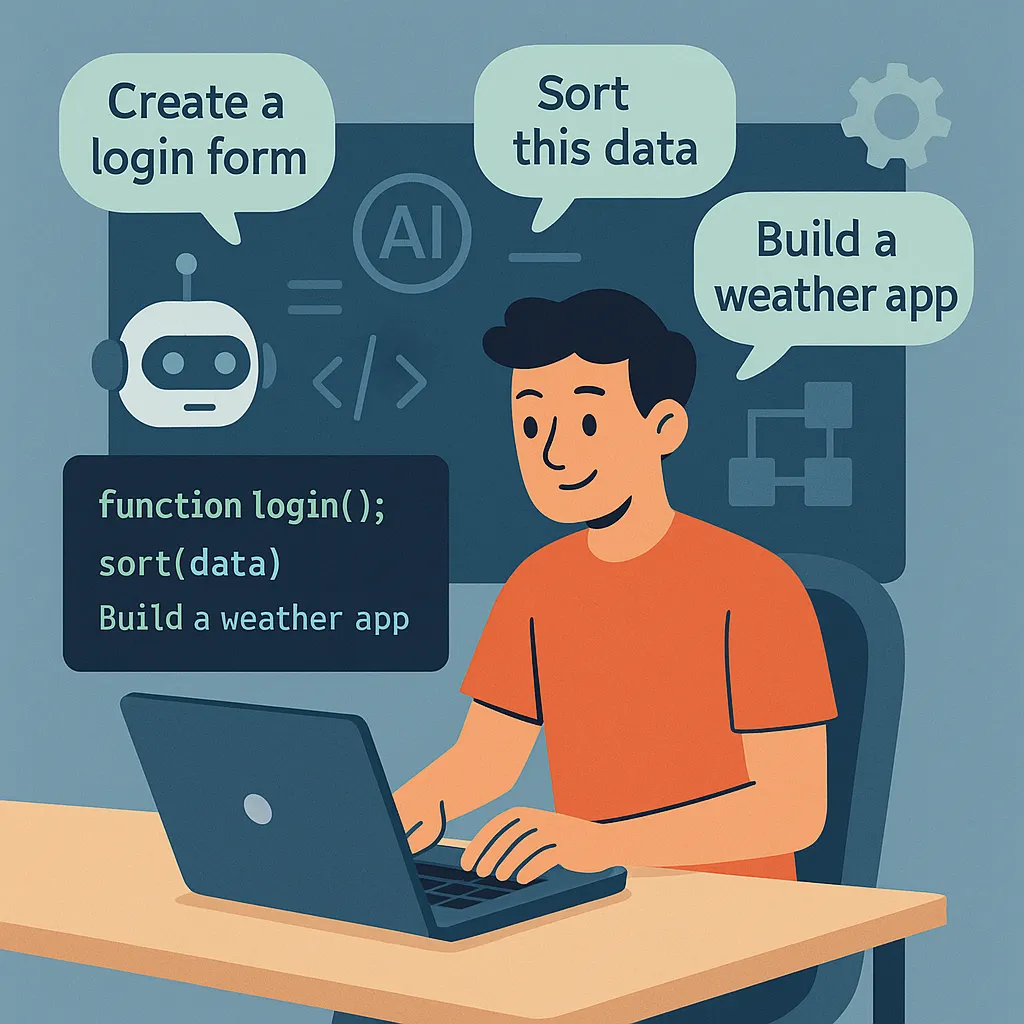
Natural Language To Code
Natural language to code tools are transforming software development by enabling users to build apps, websites, and workflows without needing advanced programming...
Blog
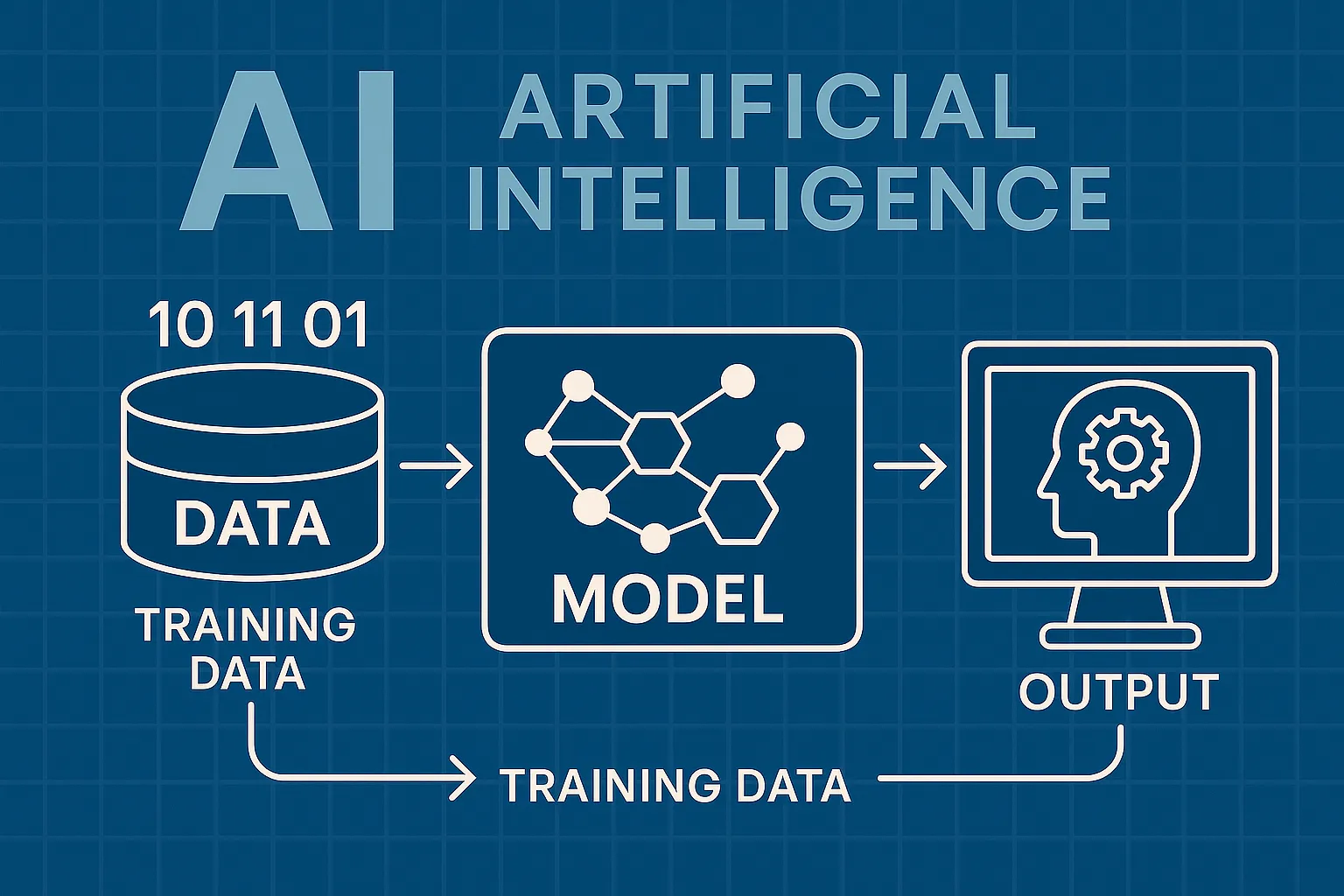
How AI Actually Works
Understand the basics of how AI systems learn, make decisions, and power tools like chatbots, image generators, and virtual assistants.

What Is Vibe Coding?
Discover the rise of vibe coding — an intuitive, aesthetic-first approach to building websites and digital experiences with help from AI tools.
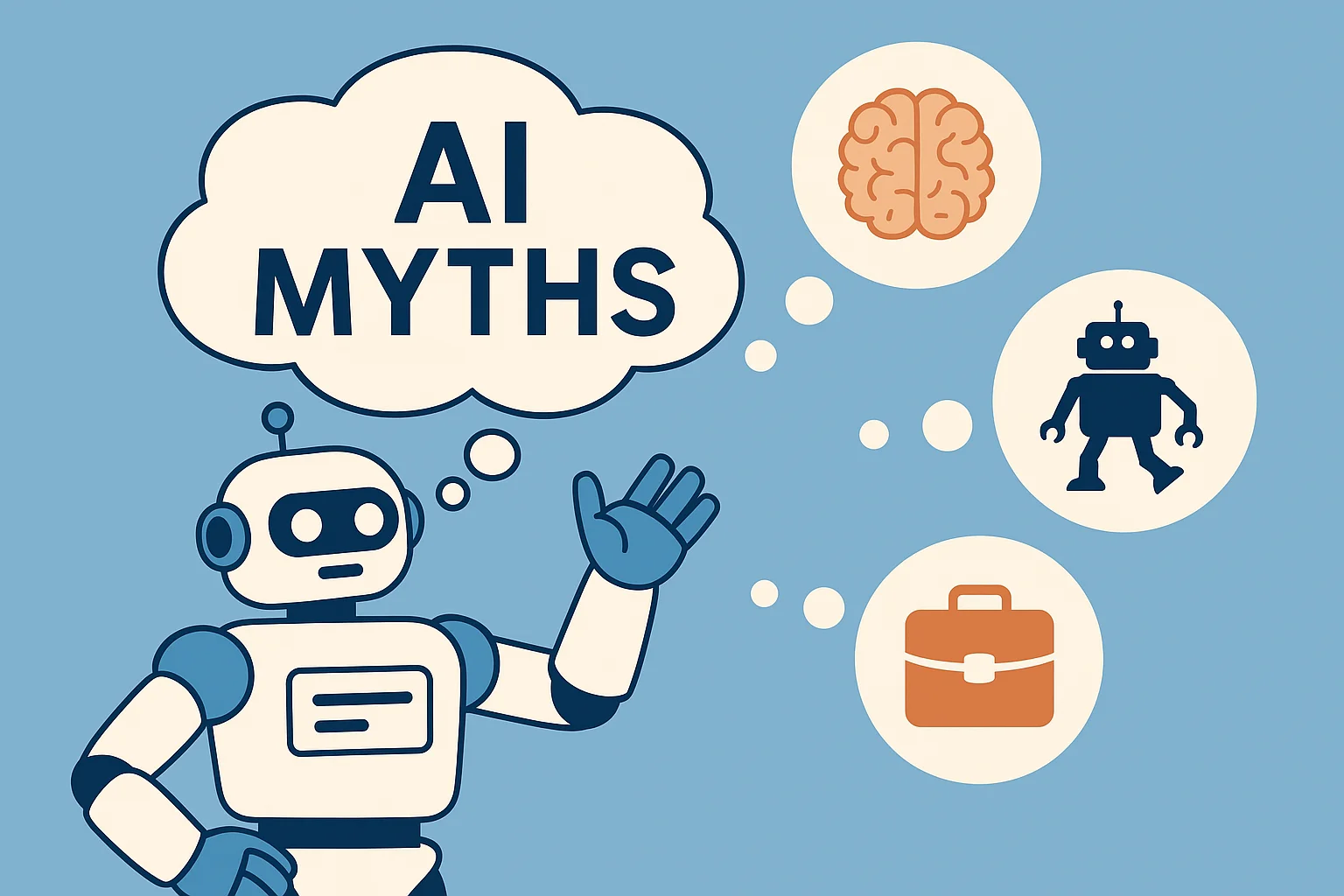
7 Common Myths About AI
Think AI is conscious, infallible, or coming for every job? This post debunks the most widespread misconceptions about artificial intelligence today.

The Future of AI
From generative agents to real-world robotics, discover how AI might reshape society, creativity, and communication in the years ahead.
How AI Is Changing the Job Market
Will AI replace your job — or create new ones? Explore which careers are evolving, vanishing, or emerging in the AI-driven economy.

Common Issues with AI
Hallucinations, bias, privacy risks — learn about the most pressing problems in current AI systems and what causes them.