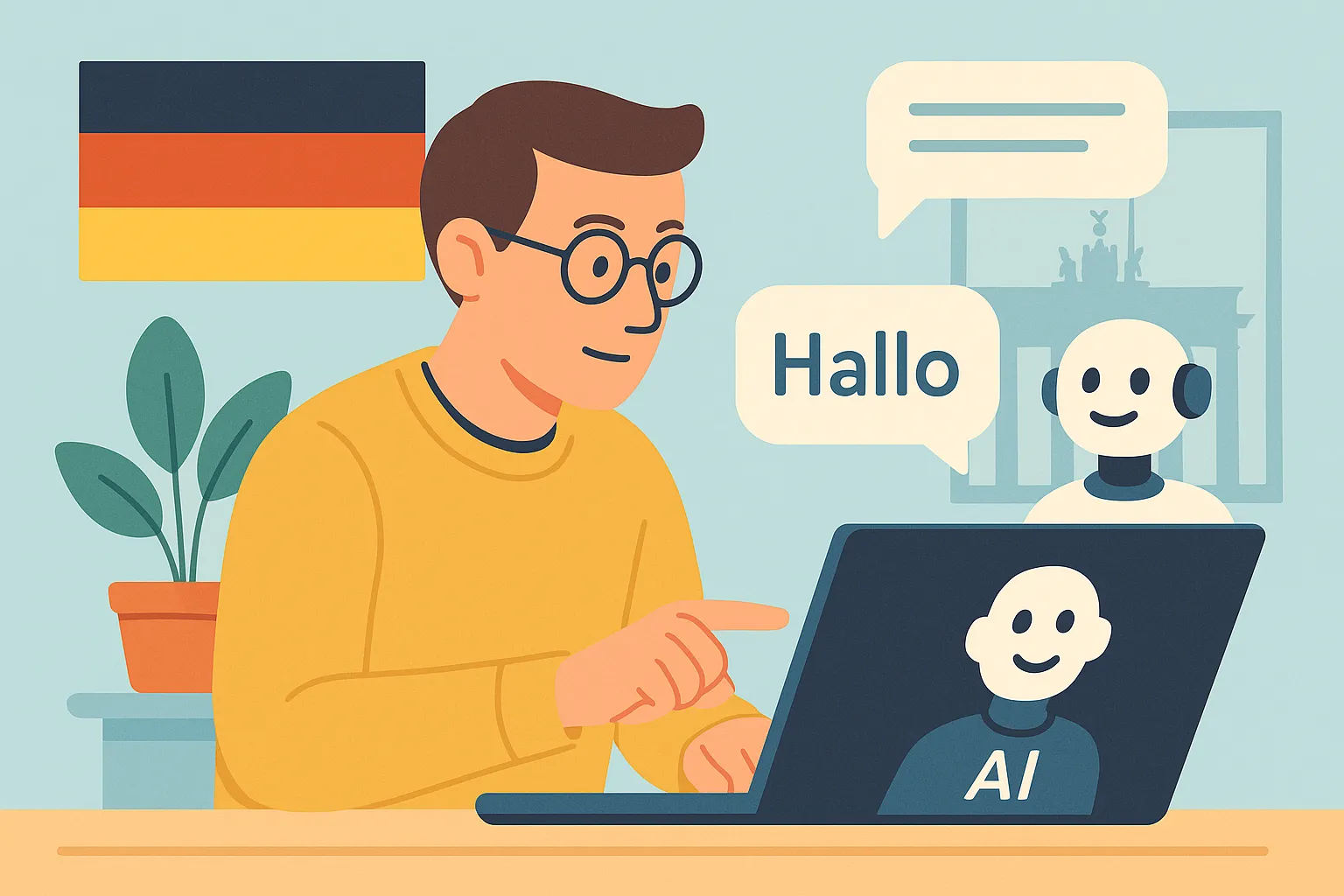
AI tools are becoming essential for German speakers looking to improve productivity, communication, and content quality across personal, academic, and professional contexts. This page features the best AI tools for German speakers in 2025, including both free and paid platforms that support fluent writing, accurate translation, grammar correction, and multilingual task management. Whether you're drafting formal documents, translating between English and German, or enhancing daily workflows in your native language, these tools offer intelligent support tailored to modern needs. We’ve evaluated each platform for language performance, usability, and value to help you find the right fit. If you're seeking AI-powered solutions that work seamlessly in German, this guide covers the most effective tools available for improving communication and productivity in one of the world’s most widely spoken languages.
Top Paid AI Tools for German Speakers
| Rank | Tool | Key Strength | Price / Limitations | Best Use Case |
|---|---|---|---|---|
| #1 | DeepL Pro | Best-in-class German↔English translation | From $8.74/month (annual billing) | Business, legal, or academic work |
| #2 | LanguageTool Premium | German-native grammar, style, and clarity | From $4.99/month (annual billing) | Proofreading German writing at scale |
| #3 | Duden Mentor (Premium) | Duden-grade correction + writing assistant | From ~$9.37/month (≈€7.95/month billed yearly) | Formal German, education, and publishing |
| #4 | ChatGPT Plus | German drafting, tutoring, and rewriting | From $20/month | Writing, learning, and daily assistance |
| #5 | Microsoft 365 Premium (Copilot) | Copilot inside Word/Excel/PowerPoint in German | $19.99/month | Work docs, email, slides, and analysis |
DeepL Pro
DeepL Pro remains one of the strongest choices for German↔English translation when accuracy, tone, and professional readability matter. For German speakers working in business, academia, or regulated industries, it’s especially valuable because it handles German syntax, compound nouns, and formal phrasing far better than most general-purpose translators. DeepL Pro supports document translation, higher usage limits, glossary and terminology controls, and privacy-focused features that fit real-world workflows. That makes it a reliable option for translating reports, contracts, research, job applications, internal documentation, and customer-facing content without constantly re-editing awkward phrasing. In practice, many users combine DeepL Pro with a German-native writing checker (like LanguageTool or Duden Mentor) to produce clean, natural text that reads like it was originally written in German. If you regularly translate between German and English and want consistent, polished results, DeepL Pro is still the safest “default pick” in 2026.
LanguageTool Premium
LanguageTool Premium is one of the best German-native writing assistants for people who want more than basic spelling corrections. It’s designed to catch real German grammar issues (cases, agreement, punctuation, separable verbs, capitalization rules, and style problems) while also improving clarity and readability. The premium tier adds more advanced checks, higher limits, and deeper suggestions that help writers clean up professional documents, academic writing, and long-form content without sounding robotic. It’s particularly strong for German speakers who write frequently across multiple contexts—emails, reports, blog posts, CVs, documentation, and customer communication—because it flags subtle mistakes and offers phrasing alternatives that still feel natural in German. LanguageTool also fits well into everyday workflows thanks to browser and app integrations, making it easy to keep quality consistent across platforms. If you want a “Grammarly-like” experience that actually focuses on German correctly, LanguageTool Premium is one of the most practical upgrades you can make.
Duden Mentor (Premium)
Duden Mentor Premium is a standout option for German speakers who care about correctness, formal tone, and authoritative language standards. Because it’s tied to the Duden ecosystem, it’s a natural fit for students, educators, publishers, and professionals who write formal German and want corrections aligned with trusted conventions. Beyond spelling and grammar, Duden Mentor Premium adds helpful writing assistance such as style tips, synonyms, and rewriting suggestions that can make dense or awkward sentences more readable—without losing the “German-native” feel. It’s particularly useful for high-stakes writing like applications, essays, official letters, policy documents, and public-facing content where small mistakes can undermine credibility. Many users treat it as a final “quality pass” after drafting, because it catches common issues that slip through casual proofreading. If you want German language support that prioritizes correctness and traditional standards, Duden Mentor Premium is one of the strongest paid tools available.
ChatGPT Plus
ChatGPT Plus is a versatile German-language assistant for drafting, rewriting, and tutoring—especially when you want an interactive workflow instead of a static checker. German speakers commonly use it to generate first drafts (emails, cover letters, reports, social posts), rephrase text for different tones (formal vs. friendly), simplify complex passages, and practice conversation or exam-style explanations. One of its biggest strengths is context handling: you can paste a paragraph, explain your goal, and ask for a cleaner or more persuasive German version while preserving meaning. It also works well for bilingual tasks such as translating content while matching a specific register (e.g., “Sie”-formality for business German). For best results, it’s smart to double-check final output with a German-native checker (LanguageTool or Duden) when the writing is high stakes, but ChatGPT Plus is still one of the fastest ways to move from rough ideas to polished German text. If you want an all-purpose German writing partner rather than a single-feature tool, this is the most flexible paid pick.
Microsoft 365 Premium (Copilot)
Microsoft 365 Premium (Copilot) is ideal for German speakers who do most of their writing and planning inside Microsoft apps. Instead of bouncing between tools, you can use Copilot directly within Word, PowerPoint, Outlook, and Excel—drafting German emails, summarizing long documents, generating meeting notes, turning outlines into polished reports, and creating slide decks from short briefs. In Excel, Copilot can help explain spreadsheets, suggest analyses, and guide you through formulas or summaries, which is especially helpful for non-technical stakeholders working in German. This “in-workflow” approach is the main advantage: it reduces copy-paste friction and makes it easier to keep your content organized in a single productivity environment. For professionals, students, and small teams that live in Office all day, Microsoft 365 Premium can be a strong alternative (or complement) to standalone AI writing tools—especially when the end goal is a finished document, email thread, or presentation in German.
Top Free AI Tools for German Speakers
| Rank | Tool | Key Strength | Limitations | Best Use |
|---|---|---|---|---|
| #1 | DeepL Translator (Free) | Excellent short German↔English translation | Character limits + fewer document features | Daily communication & drafts |
| #2 | LanguageTool (Free) | German spelling + grammar checks | Fewer advanced style/clarity suggestions | Quick proofreading in German |
| #3 | Duden Mentor (Free) | Duden-grade correction for short texts | Premium features locked + usage limits | Formal writing checks and corrections |
| #4 | ChatGPT (Free) | German brainstorming, rewriting, Q&A | Model/tools availability varies by plan | Learning, basic writing help |
| #5 | Google Translate | Fast German ↔ any language + voice/camera | Mixed accuracy with idioms and formal tone | Travel, quick lookups, everyday use |
DeepL Translator (Free)
DeepL’s free translator is still one of the best no-cost tools for German↔English translation, especially for short passages where you want natural wording rather than literal output. It handles common German structures—long sentences, subordinate clauses, and formal phrasing—better than most general translators, which is why it’s popular for email drafts, study materials, and quick bilingual communication. In day-to-day use, it’s excellent for checking how something “should sound” in German or English, and it’s often good enough to use as a first draft before a final proofreading pass. The main tradeoff is that the free tier has limits and fewer document-focused features, so it’s not ideal for long files or heavy professional workloads. Still, for casual translation and fast clarity checks, DeepL Free is one of the strongest German language tools you can use without paying.
LanguageTool (Free)
LanguageTool’s free version is a practical German proofreading tool for everyday writing. It catches common spelling and grammar issues—like case endings, punctuation mistakes, capitalization rules, and awkward phrasing—making it especially useful for students, job seekers, and professionals writing emails or short documents in German. Because it’s built for multiple languages and strongly supports German, it’s a great “first pass” checker when you want fast feedback without changing your workflow. While the free tier offers fewer advanced suggestions than Premium, it still provides meaningful improvements and helps reduce mistakes that can make writing look unprofessional. If you write German regularly and want quick corrections before sending messages or submitting documents, LanguageTool Free is one of the best starting points.
Duden Mentor (Free)
Duden Mentor’s free tier gives German speakers access to Duden-quality spelling and grammar correction without needing a subscription. It’s particularly helpful for formal German because it reflects established writing conventions and often flags issues that casual spellcheckers overlook. Many students and professionals use it to quickly validate important paragraphs, cover letters, essays, or official messages before sending them out. While the free version limits access to premium rewriting and style tools, it still provides a trustworthy correction layer—especially when your goal is correctness rather than creativity. If you want a German-first tool that feels “made for German,” Duden Mentor Free is a strong option for quick checks.
ChatGPT (Free)
ChatGPT’s free plan is a flexible German-language assistant for brainstorming, rewriting, and learning. It can help you rephrase sentences, simplify complex explanations, draft short messages, and generate study-style summaries in German—making it useful for both native speakers and learners. It’s especially effective when you provide context and constraints, such as “rewrite this in formal German,” “make this more polite,” or “explain this topic like I’m new to it.” While the free plan can vary in available features and depth compared to paid tiers, it remains a highly accessible tool for quick support across many German writing tasks. For best results in high-stakes situations, it’s smart to pair it with a German-native checker (like LanguageTool or Duden), but as a day-to-day helper, ChatGPT Free is still one of the most capable options.
Google Translate
Google Translate is a convenient free tool for German speakers who need fast translations across many languages, especially on mobile. Its biggest advantage is speed and flexibility: you can translate typed text, spoken phrases, camera scans, and quick messages—making it extremely useful for travel, everyday communication, and basic comprehension. While it’s not always as natural as DeepL for formal German or idiomatic expressions, it works well for quick lookups, signage, and casual conversations where perfect tone isn’t required. It’s also helpful when you’re working with less common language pairs or need a broad multilingual tool. For everyday German translation needs—especially when you’re on the go—Google Translate remains a practical, reliable default.
Rankings

Chatbots
AI chatbots have quickly evolved from simple assistants into powerful, multi-purpose tools used by millions of people every day...

Image Generators
AI image generators are revolutionizing the way creatives, marketers, and developers produce visual content by transforming text prompts into detailed, customized...
Writing Assistants
AI writing assistants have become indispensable tools for anyone who writes — from students and bloggers to business professionals and marketers...

Deepfake Detection
As deepfake technology becomes more advanced and accessible, detecting AI-manipulated content is now a critical challenge across journalism, education, law, and...
Productivity & Calendar
AI productivity and calendar tools have become essential for professionals, entrepreneurs, and students looking to make the most of their time without getting overwhelmed...
Natural Language To Code
Natural language to code tools are transforming software development by enabling users to build apps, websites, and workflows without needing advanced programming...
Blog
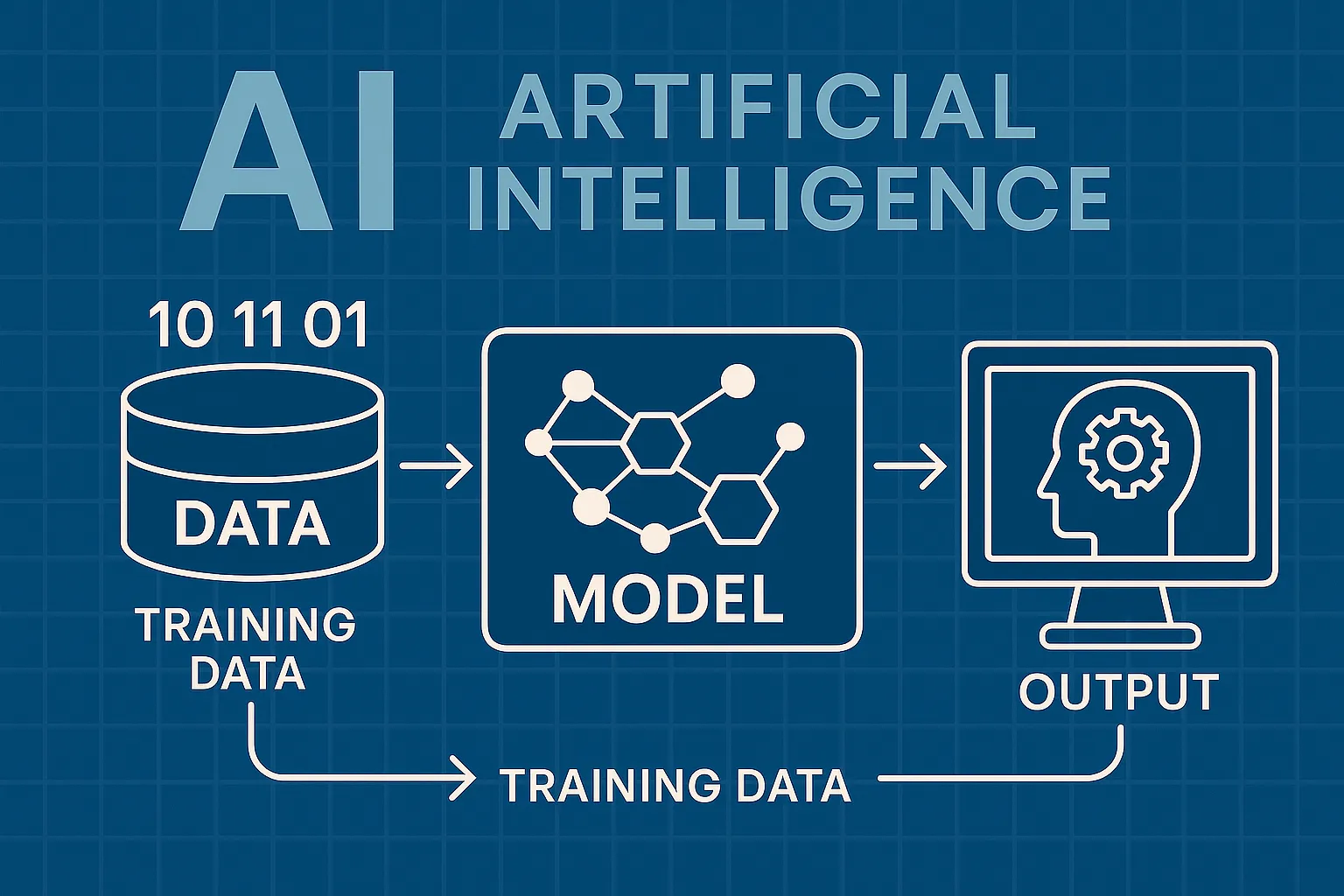
How AI Actually Works
Understand the basics of how AI systems learn, make decisions, and power tools like chatbots, image generators, and virtual assistants.

What Is Vibe Coding?
Discover the rise of vibe coding — an intuitive, aesthetic-first approach to building websites and digital experiences with help from AI tools.
7 Common Myths About AI
Think AI is conscious, infallible, or coming for every job? This post debunks the most widespread misconceptions about artificial intelligence today.

The Future of AI
From generative agents to real-world robotics, discover how AI might reshape society, creativity, and communication in the years ahead.
How AI Is Changing the Job Market
Will AI replace your job — or create new ones? Explore which careers are evolving, vanishing, or emerging in the AI-driven economy.

Common Issues with AI
Hallucinations, bias, privacy risks — learn about the most pressing problems in current AI systems and what causes them.