AI tools are transforming how French speakers communicate, work, and create—whether for personal use, education, or business. This page highlights the best AI tools for French speakers in 2025, showcasing both free and paid platforms that support seamless writing, translation, content generation, and productivity in French. From grammar correction and language learning to multilingual document creation and conversational assistance, these tools make it easier to express ideas clearly and accurately in your native language. Whether you're fluent in Parisian French, Canadian French, or a regional dialect, the tools featured here are designed to support diverse users with smart automation and intuitive features. We've evaluated each platform for usability, language accuracy, versatility, and value for money. If you're looking to enhance your workflow, write with confidence, or manage multilingual communication more effectively, this guide will help you discover the most powerful AI tools available to French-speaking users today.

Top Paid AI Tools for French Speakers
| Rank | Tool | Key Strength | Price / Limitations | Best Use Case |
|---|---|---|---|---|
| #1 | DeepL Pro | Fluent English↔French translation + tone control | From $8.74/month; limits vary by plan | Professional translation workflows |
| #2 | Antidote+ | French-native grammar, style, and dictionaries | Subscription (pricing varies); best for serious writing | Academic & professional French editing |
| #3 | ChatGPT Plus | High-quality French writing, rewriting, and tutoring | $20/month | Emails, learning, content creation, brainstorming |
| #4 | LanguageTool Premium | AI grammar + style suggestions across French variants | Subscription; strongest features require Premium | Everyday French writing across web apps |
| #5 | MerciApp | French-first correction and rewriting for teams | Plans vary (team-focused); best in business workflows | Company-wide writing quality & consistency |
DeepL Pro
DeepL Pro remains one of the strongest English↔French translation platforms in February 2026, especially for users who care about tone, nuance, and natural phrasing. It’s popular with professionals because it handles complex sentence structure, idioms, and formal writing far better than many generic translators, making it a reliable choice for client emails, reports, proposals, and multilingual content production. DeepL Pro also supports full-document translation and workflow features like glossaries, which are essential when you need consistent terminology for technical, legal, or brand language across many files. If you frequently translate between English and French—whether you’re working in Canada, France, or multilingual teams—DeepL’s accuracy and “human-like” phrasing can reduce editing time significantly. While the free translator is great for quick tasks, Pro is where DeepL becomes a repeatable, professional system for serious translation work.
Antidote+
Antidote+ is one of the most trusted, French-native writing tools available, and it’s especially valuable for users who need more than basic spellcheck. Instead of only catching surface errors, Antidote focuses on French grammar rules, conjugation, typography, clarity, and style—plus it includes rich dictionaries and language guides that help you understand why a correction is recommended. This makes it an ideal tool for students, educators, editors, and professionals writing high-stakes French documents where precision matters. Antidote is also widely used in Canadian French contexts, where stylistic norms and wording can differ from European French, and it supports workflows across common writing environments so you don’t have to copy and paste everything into a separate tool. If your goal is to write confident, polished French with fewer mistakes and better phrasing, Antidote+ is a premium option that consistently delivers.
ChatGPT Plus
ChatGPT Plus is one of the most versatile paid AI tools for French speakers because it goes far beyond translation—it’s a flexible writing and thinking partner that can adapt to your tone, audience, and goals. You can draft professional emails, rewrite text to sound more natural in French, simplify complex passages, or create bilingual versions of the same message while keeping meaning consistent. It’s also excellent for learning: you can ask it to explain grammar rules, quiz you on verb forms, generate practice dialogues, or correct your writing and explain the corrections in a way that improves your long-term skills. For creators and professionals, it can brainstorm titles, outline articles, generate social captions, and help maintain a consistent voice in French across different channels. While it’s not a replacement for a dedicated proofing tool like Antidote, ChatGPT Plus is a high-leverage upgrade for anyone who frequently writes, studies, or communicates in French.
LanguageTool Premium
LanguageTool Premium is a practical “works everywhere” writing assistant for French speakers who want consistent grammar and style checking across everyday tools. It supports French proofreading and style improvement in a wide range of writing contexts, which is ideal if you’re switching between emails, docs, project tools, and web apps all day. Premium expands the depth of suggestions, helping you catch more subtle issues like phrasing, readability, and tone, rather than only basic spelling mistakes. It’s particularly helpful for bilingual users who write in both French and English because it can keep both languages clean without forcing you into a single dedicated editor. For students, LanguageTool can help tighten essays and assignments; for professionals, it can reduce embarrassing errors in client-facing messages and internal documentation; and for creators, it can improve flow and clarity while keeping your writing sounding natural. If you want a reliable proofreading layer that integrates into daily workflows, LanguageTool Premium is one of the strongest options.
MerciApp
MerciApp is a French-first writing assistant designed to improve clarity, correctness, and consistency—especially in professional environments where many people write daily across email and collaboration tools. It’s well known in Francophone teams for focusing on French language quality and style refinement rather than treating French as a secondary language behind English. In addition to catching spelling, grammar, and typographic issues, MerciApp’s workflow is built to reduce friction: it fits into the places you already write so corrections and improvements can happen in real time. This makes it a strong pick for businesses, customer support teams, marketing groups, and operations staff who need clean French output at scale without constantly routing everything through editors. If you’re managing brand voice, writing policy docs, or communicating with customers in French, MerciApp can raise your baseline writing quality and reduce back-and-forth revisions.
Top Free AI Tools for French Speakers
| Rank | Tool | Key Strength | Limitations | Best Use |
|---|---|---|---|---|
| #1 | ChatGPT (Free) | French conversation, rewriting, and explanations | Feature and usage limits vs paid plans | Everyday writing help & language practice |
| #2 | DeepL Translator (Free) | Fast, high-quality short translations | Limits on document workflows vs Pro | Quick informal English↔French translation |
| #3 | LanguageTool (Free) | French grammar + spelling in-browser | Fewer advanced style suggestions vs Premium | Proofreading and basic style cleanup |
| #4 | Reverso Translator | Useful French translations + common phrasing | Not a full writing suite; quality varies by text type | Everyday translation and phrasing checks |
| #5 | Google Gemini | French brainstorming, summaries, and rewriting | Tone control can vary; requires Google account | Quick drafting, rephrasing, and idea generation |
ChatGPT (Free)
ChatGPT’s free plan is a strong entry point for French speakers who want an AI assistant for everyday writing, learning, and communication. You can use it to rewrite sentences so they sound more natural, correct phrasing mistakes, summarize French text, or translate ideas while preserving the intended tone. It’s also useful for learners because it can explain grammar rules, conjugation patterns, and common errors in a conversational way that feels like tutoring rather than “red pen” correction. For Quebec French vs European French, you can explicitly request regional phrasing and formality level to better match your audience. Like any general-purpose AI, it can still make occasional mistakes, so it’s best to use it as a drafting and improvement tool—then do a quick sanity check for high-stakes writing. For a free tool, it offers a surprisingly broad set of French-friendly capabilities that fit into almost any workflow.
DeepL Translator (Free)
DeepL’s free translator is one of the most popular “quick translation” tools for French speakers because it often produces phrasing that sounds more human than typical web translators. It’s especially good for short messages, email drafts, and paragraphs where you want clear, idiomatic French without spending time rewriting every line. For bilingual professionals, it’s a reliable way to sanity-check wording, compare alternatives, and avoid overly literal translations that feel unnatural. While the free experience is best for short-form tasks and doesn’t include the deeper document features available in Pro, it’s still an excellent option for fast English↔French translation and quick language clarity checks. If you want a translator you can trust for everyday communication, DeepL Free is one of the best choices available.
LanguageTool (Free)
LanguageTool’s free tier gives French speakers a lightweight proofreading layer that can catch spelling issues, punctuation problems, and common grammar mistakes quickly. It’s especially useful when you’re writing in web-based tools (emails, documents, forms, and collaboration platforms) and want an instant “clean-up pass” before sending something out. While Premium unlocks more advanced style and tone suggestions, the free version is still valuable for correcting obvious errors and improving readability with minimal effort. It also works well for bilingual users who switch between French and English regularly, because you can keep both languages polished without relying on separate tools. If you want a simple, accessible way to reduce mistakes in French writing, LanguageTool Free is one of the strongest free options available.
Reverso Translator
Reverso is a long-standing favorite among French speakers for quick translation and phrasing checks, especially when you’re trying to find the most natural way to say something rather than a purely literal translation. It’s handy for everyday text—messages, short paragraphs, and practical writing—where you want a clean French output quickly. Many users treat Reverso like a “second opinion” translator: paste your sentence, compare the result to DeepL or your own draft, and choose the phrasing that best matches your audience (formal vs casual, professional vs conversational). It’s not a full writing suite or a dedicated grammar checker, but it’s very useful in the moment when you’re stuck on wording. For French speakers who do frequent translation and rephrasing throughout the day, Reverso remains a convenient free tool to keep in your toolkit.
Google Gemini
Google Gemini is a helpful free option for French speakers who want quick brainstorming, rewriting, and summarization support. It can generate French drafts for emails, social posts, outlines, and short articles, and it’s also useful for compressing long text into clear summaries or bullet points. Gemini works well as a “first draft” engine: you give it the context, specify the audience and tone, and then iterate until the writing matches your style. While it can sometimes vary in tone control—especially across very formal French—it’s still a strong tool for productivity tasks like rephrasing, simplifying complex passages, and generating alternative wording. For students, creators, and professionals who want a fast French writing assistant inside a familiar Google ecosystem, Gemini is a solid free pick.
Rankings

Chatbots
AI chatbots have quickly evolved from simple assistants into powerful, multi-purpose tools used by millions of people every day...

Image Generators
AI image generators are revolutionizing the way creatives, marketers, and developers produce visual content by transforming text prompts into detailed, customized...
Writing Assistants
AI writing assistants have become indispensable tools for anyone who writes — from students and bloggers to business professionals and marketers...

Deepfake Detection
As deepfake technology becomes more advanced and accessible, detecting AI-manipulated content is now a critical challenge across journalism, education, law, and...
Productivity & Calendar
AI productivity and calendar tools have become essential for professionals, entrepreneurs, and students looking to make the most of their time without getting overwhelmed...
Natural Language To Code
Natural language to code tools are transforming software development by enabling users to build apps, websites, and workflows without needing advanced programming...
Blog
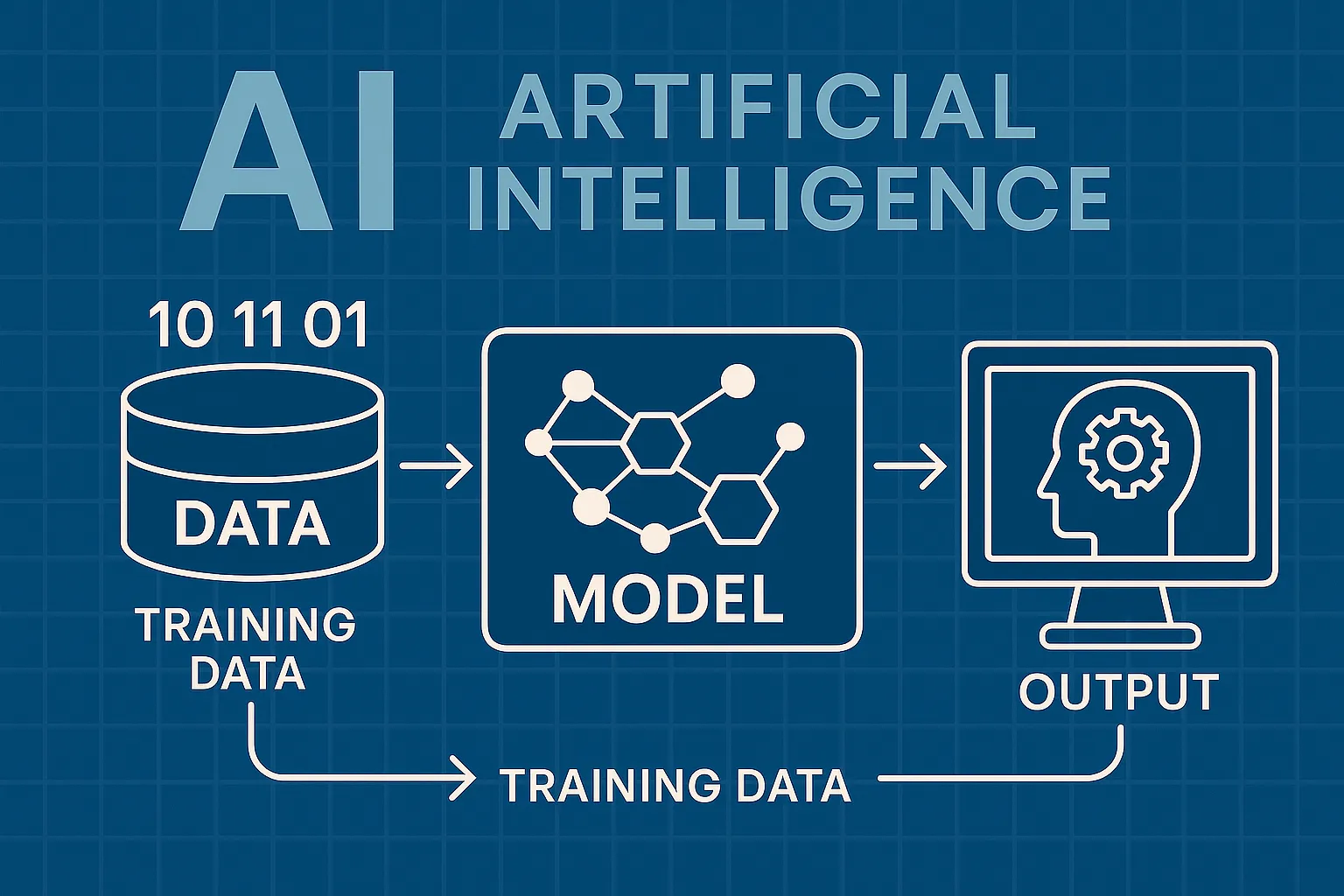
How AI Actually Works
Understand the basics of how AI systems learn, make decisions, and power tools like chatbots, image generators, and virtual assistants.

What Is Vibe Coding?
Discover the rise of vibe coding — an intuitive, aesthetic-first approach to building websites and digital experiences with help from AI tools.

7 Common Myths About AI
Think AI is conscious, infallible, or coming for every job? This post debunks the most widespread misconceptions about artificial intelligence today.

The Future of AI
From generative agents to real-world robotics, discover how AI might reshape society, creativity, and communication in the years ahead.
How AI Is Changing the Job Market
Will AI replace your job — or create new ones? Explore which careers are evolving, vanishing, or emerging in the AI-driven economy.

Common Issues with AI
Hallucinations, bias, privacy risks — learn about the most pressing problems in current AI systems and what causes them.