Preparing for high-stakes exams like the GRE, LSAT, MCAT, or SAT requires more than flashcards and guesswork—and that's where AI exam prep platforms come in. This page features the best AI tools for exam prep in 2025, comparing both free and paid options designed to improve comprehension, retention, and test performance. From adaptive learning engines to custom quiz generators and smart flashcard systems, these platforms use artificial intelligence to personalize study plans, target weak areas, and track progress over time. Whether you're preparing for grad school, law school, or standardized admissions exams, these tools offer advanced diagnostics, spaced repetition, and engaging practice formats to help you study smarter. We’ve evaluated each tool based on exam coverage, user experience, AI-driven features, and overall value. If you're looking to streamline your test prep with precision and efficiency, this guide highlights the top AI-powered solutions built specifically for ambitious test-takers in 2025.

Top Paid AI Tools for Exam Prep
| Rank | Tool | Key Strength | Price / Limitations | Best Use Case |
|---|---|---|---|---|
| #1 | UWorld | Adaptive, high-fidelity question banks | Varies by exam (generally $100+); time-limited access | MCAT-style mastery & rigorous practice |
| #2 | Magoosh (Premium + AI Tutoring) | AI tutoring + analytics-driven study guidance | Varies by course (often ~$129–$249); exam coverage depends on product | GRE/GMAT/SAT/TOEFL self-paced prep |
| #3 | Blueprint Prep AI Tools | Personalized “what to study next” recommendations | Included with Blueprint LSAT/MCAT courses; course-based pricing | LSAT & MCAT structured study plans |
| #4 | Khanmigo | Guided tutoring that prioritizes learning (not just answers) | From $4/month; not a dedicated test bank | Concept gaps, math/science fundamentals, writing practice |
| #5 | Quizlet Plus | AI study tools (practice tests, notes, guides) | From ~$44.99/year; best features behind subscription | Flashcards + rapid practice test generation |
UWorld
UWorld remains one of the most “exam-realistic” prep platforms available in February 2026, and it’s especially dominant for question-bank-driven learning where deep explanations matter. Instead of relying on generic drills, UWorld’s strength is how it turns practice into a feedback loop: you answer, you review a detailed rationale, and you build durable understanding. That makes it ideal for content-heavy, high-stakes exams where small misunderstandings compound into missed points. Its performance tracking helps you see patterns across subjects and question types, while the overall experience is built around repetition and accuracy—not just speed. For students who learn best through doing (and reviewing) large volumes of high-quality questions, UWorld delivers a premium workflow that consistently translates into measurable score improvement. The tradeoff is that access is typically time-limited and priced by exam, so it’s best for serious test-takers who plan to use it consistently during a defined prep window.
Magoosh (Premium + AI Tutoring)
Magoosh has evolved beyond “videos + questions” into a smarter, more adaptive prep experience, with personalized AI tutoring built into the platform for faster skill-building. In February 2026, its biggest advantage is how it supports independent learners: you can follow structured study plans, practice with curated questions, and then use analytics to quickly identify weak areas and prioritize what to fix next. The AI tutor layer adds targeted, on-demand guidance—helpful when you get stuck on a quant method, reading strategy, or recurring logic error—and reduces the downtime that usually comes with solo prep. Magoosh is especially strong for standardized exams where consistency and strategy matter (GRE/GMAT/SAT/TOEFL and related tracks), and it’s also friendly for busy schedules thanks to mobile-first workflows. If you want a guided path with modern AI help without paying for full tutoring, Magoosh is one of the best-value premium options.
Blueprint Prep AI Tools
Blueprint Prep’s AI Tools are built for students who don’t just need content—they need a reliable system that tells them what to do next. Rather than leaving you to guess which topics deserve attention, Blueprint’s approach uses performance data to recommend what to review, how long to spend, and which skills to reinforce, reducing the common “I studied a lot but not the right things” problem. This is especially useful for LSAT and MCAT prep, where progress comes from deliberate practice and targeted review, not random drilling. Blueprint’s broader ecosystem (courses, practice resources, scheduling tools, and instructor-led options depending on your plan) pairs well with AI-driven guidance because it helps keep your prep organized and consistent across weeks or months. The main limitation is that the AI Tools are tied to Blueprint’s course offerings, so it’s best for learners who want a structured program and are ready to commit to a coherent, course-based prep workflow.
Khanmigo
Khanmigo is one of the best “learn the concept properly” AI tutors for exam prep, especially when your score is capped by fundamentals rather than test strategy alone. Built by Khan Academy, it’s designed to guide you through reasoning instead of handing you the final answer immediately—an important distinction for high-stakes exams where understanding (not memorization) drives improvement. For math-heavy sections (algebra through more advanced topics), science concepts, and even writing practice, Khanmigo can act like a patient tutor that helps you articulate steps, correct misconceptions, and build confidence. It’s not a dedicated test bank like UWorld, and it won’t replace official-style practice for exams that require very specific question formats. But it shines as a “gap-filler” that turns confusion into clarity quickly—especially when you’re studying alone and don’t want to lose momentum every time you hit a hard concept. It’s also relatively affordable for an education-focused AI tutor.
Quizlet Plus
Quizlet Plus is a strong upgrade for test-takers who want AI-assisted studying without building everything from scratch. In February 2026, Quizlet’s AI study tools make it easier to turn messy notes, textbook chapters, or lecture content into clean study materials quickly—especially when you’re juggling multiple subjects. Instead of only using static flashcards, Plus users can unlock more advanced features like AI-generated practice tests, study guides, and smarter review flows that help you focus on what you’re most likely to forget. This is particularly valuable for vocabulary-heavy exams (GRE verbal, SAT reading/writing, language tests) and content-heavy courses where retention is the main challenge. Quizlet also works well as a “daily reps” tool: quick sessions, fast feedback, and an interface that’s easy to keep consistent. The main drawback is that the best automation is gated behind the subscription, and quality still depends on the source material you provide. Used well, it’s one of the most efficient ways to scale flashcards and practice sets.
Top Free AI Tools for Exam Prep
| Rank | Tool | Key Strength | Limitations | Best Use |
|---|---|---|---|---|
| #1 | ChatGPT (Free) | Explanations, custom practice, tutoring-style dialogue | Can make mistakes; not an official test curriculum | Concept review, problem walkthroughs, study planning |
| #2 | Quizlet (Free) | Flashcards + lighter AI features to start faster | Ads and feature limits; strongest AI features require Plus | Vocab, definitions, daily spaced repetition |
| #3 | Google NotebookLM | Turns your sources into summaries, Q&A, and study aids | Requires good source material; Google account needed | Studying from PDFs, lectures, and reading assignments |
| #4 | StudySmarter (Free) | AI-assisted flashcards, planners, and shared materials | Usage caps on some AI features; upsells to premium | Study routines, multi-subject organization, review cycles |
| #5 | Photomath | Camera-based math solving with step-by-step methods | Some advanced explanations/features are paid | Math practice, error-checking, learning solution steps |
ChatGPT (Free)
ChatGPT is one of the most flexible free study assistants available for exam prep in February 2026 because it can adapt to almost any subject, format, or learning style. You can use it as a tutor to break down tough concepts, generate targeted practice questions, explain why an answer is wrong, or rewrite notes into clearer summaries. It’s also great for strategy-based sections: you can practice reading comprehension approaches, drill logic patterns, or simulate timed question sets and then do a “post-game review” conversation to identify what went wrong. The key is to treat it like a coach, not an answer key—ask it to explain steps, show multiple methods, and quiz you rather than giving the final solution instantly. Like any AI, it can occasionally be inaccurate or overly confident, so it’s best paired with official materials (especially for final verification). Used thoughtfully, it’s a powerful free layer that can improve understanding, consistency, and study momentum.
Quizlet (Free)
Quizlet’s free tier is still one of the fastest ways to get a study system running, especially if your exam success depends on memorization, definitions, formulas, and high-volume recall. You can create flashcard sets in minutes (or pull from existing sets), then use quick practice modes to reinforce material daily. For many standardized tests, consistency is the real differentiator, and Quizlet makes consistent repetition easy—even in short sessions on a phone. While Quizlet has introduced AI-powered study tools, the free experience typically comes with ads and limits, and the most advanced automation (like deeper practice test generation and certain premium study features) is reserved for Quizlet Plus. Even so, the free version is excellent for building foundational recall, staying organized across multiple topics, and keeping your study reps going when motivation dips. If you want a lightweight tool that supports daily habit-building, Quizlet remains a top pick.
Google NotebookLM
NotebookLM is a strong free option for students who are studying from real materials—PDFs, articles, lecture notes, study guides, or even linked sources—and want AI help that stays grounded in what they upload. Instead of acting like a generic chatbot, NotebookLM is designed to analyze your sources, summarize them, and help you ask better questions about the content you’re actually responsible for. That makes it perfect for content-heavy exam prep, reading-intensive courses, and any situation where you’re overwhelmed by large documents. You can use it to pull key terms, generate quick review notes, and create comprehension checks that mirror what you’re learning. The quality of results depends heavily on the quality of your source material, so it works best when you feed it the same documents you’ll be tested on. If your biggest challenge is converting “a pile of study content” into a clean, usable study plan, NotebookLM is one of the best free tools for turning complexity into clarity.
StudySmarter (Free)
StudySmarter is built for learners who want structure, not just tools—and the free version gives you enough to run an effective routine without paying upfront. It combines core study workflows (notes, flashcards, and planners) with AI-assisted features that can speed up the most annoying part of exam prep: turning raw content into usable review material. You can create or import study sets, organize subjects, and track your progress over time, which helps prevent the common “I studied a lot but forgot everything” cycle. It’s also great if you’re preparing across multiple classes or exam sections, because the planning and organization features keep everything in one place. Some AI features and higher usage levels may be capped on the free plan, but for many students, the free tier is enough to build momentum, maintain consistency, and keep your prep from becoming chaotic. If you want an all-in-one study companion that supports long-term habits, StudySmarter is a strong free pick.
Photomath
Photomath is a go-to free tool for math-heavy exam prep because it gives immediate, step-by-step solution paths—especially helpful when you’re stuck and need to understand the method, not just the final answer. You can scan a printed or handwritten problem and quickly see the transformations, rules, and intermediate steps that get you to the solution. That makes it ideal for SAT/ACT math, GRE quant fundamentals, and any curriculum-driven exam where algebra and function manipulation show up repeatedly. Used properly, Photomath becomes a feedback tool: you attempt a problem first, compare your approach to the solution steps, and then drill the type of mistake you made. The free version covers a lot, while some enhanced explanations and advanced features may be part of a paid tier. Even with that limitation, Photomath is one of the most practical “learn the steps” tools available on a phone, and it can dramatically reduce frustration when you’re trying to rebuild confidence in math.
Rankings

Chatbots
AI chatbots have quickly evolved from simple assistants into powerful, multi-purpose tools used by millions of people every day...

Image Generators
AI image generators are revolutionizing the way creatives, marketers, and developers produce visual content by transforming text prompts into detailed, customized...

Writing Assistants
AI writing assistants have become indispensable tools for anyone who writes — from students and bloggers to business professionals and marketers...

Deepfake Detection
As deepfake technology becomes more advanced and accessible, detecting AI-manipulated content is now a critical challenge across journalism, education, law, and...
Productivity & Calendar
AI productivity and calendar tools have become essential for professionals, entrepreneurs, and students looking to make the most of their time without getting overwhelmed...
Natural Language To Code
Natural language to code tools are transforming software development by enabling users to build apps, websites, and workflows without needing advanced programming...
Blog
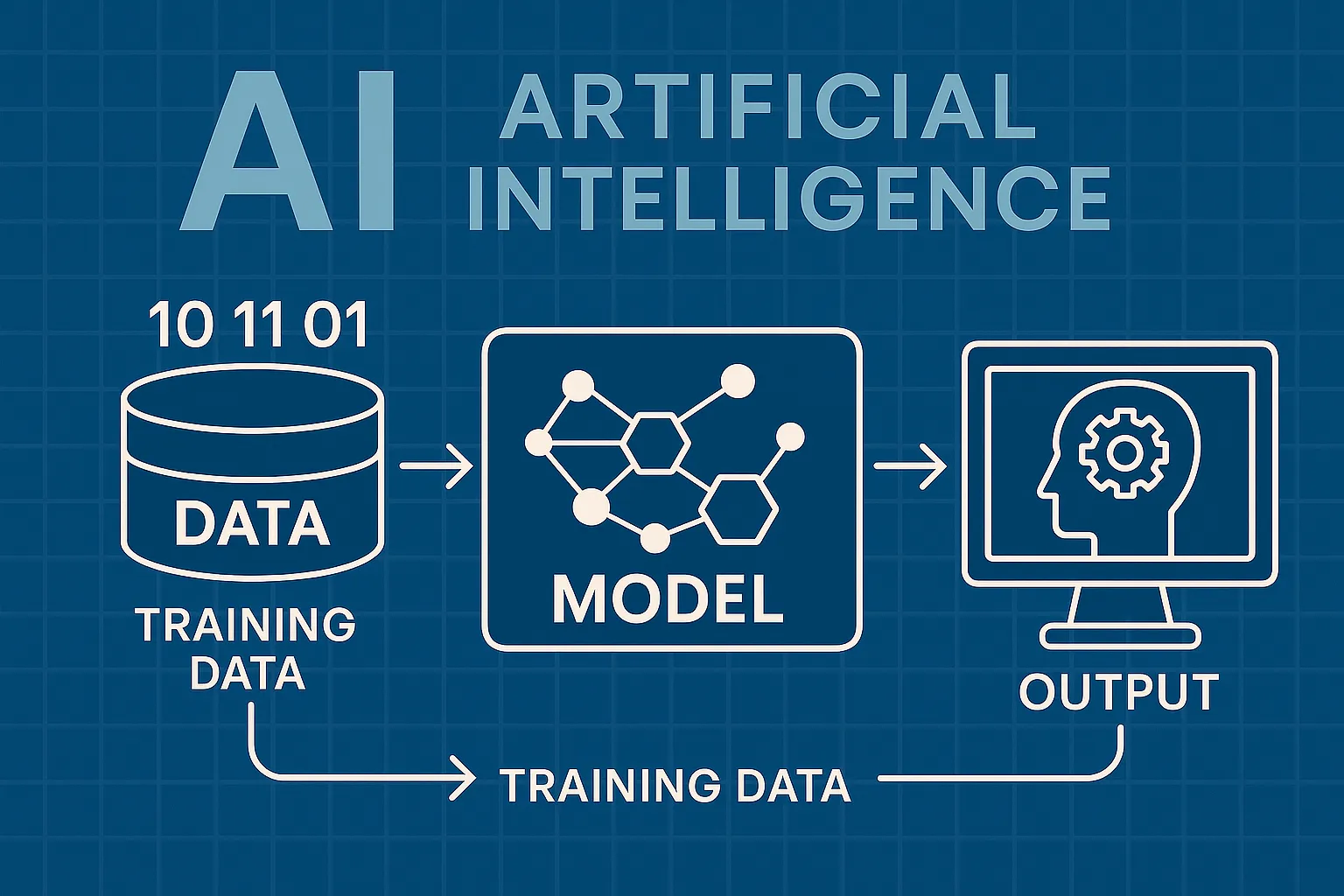
How AI Actually Works
Understand the basics of how AI systems learn, make decisions, and power tools like chatbots, image generators, and virtual assistants.

What Is Vibe Coding?
Discover the rise of vibe coding — an intuitive, aesthetic-first approach to building websites and digital experiences with help from AI tools.

7 Common Myths About AI
Think AI is conscious, infallible, or coming for every job? This post debunks the most widespread misconceptions about artificial intelligence today.

The Future of AI
From generative agents to real-world robotics, discover how AI might reshape society, creativity, and communication in the years ahead.

How AI Is Changing the Job Market
Will AI replace your job — or create new ones? Explore which careers are evolving, vanishing, or emerging in the AI-driven economy.

Common Issues with AI
Hallucinations, bias, privacy risks — learn about the most pressing problems in current AI systems and what causes them.