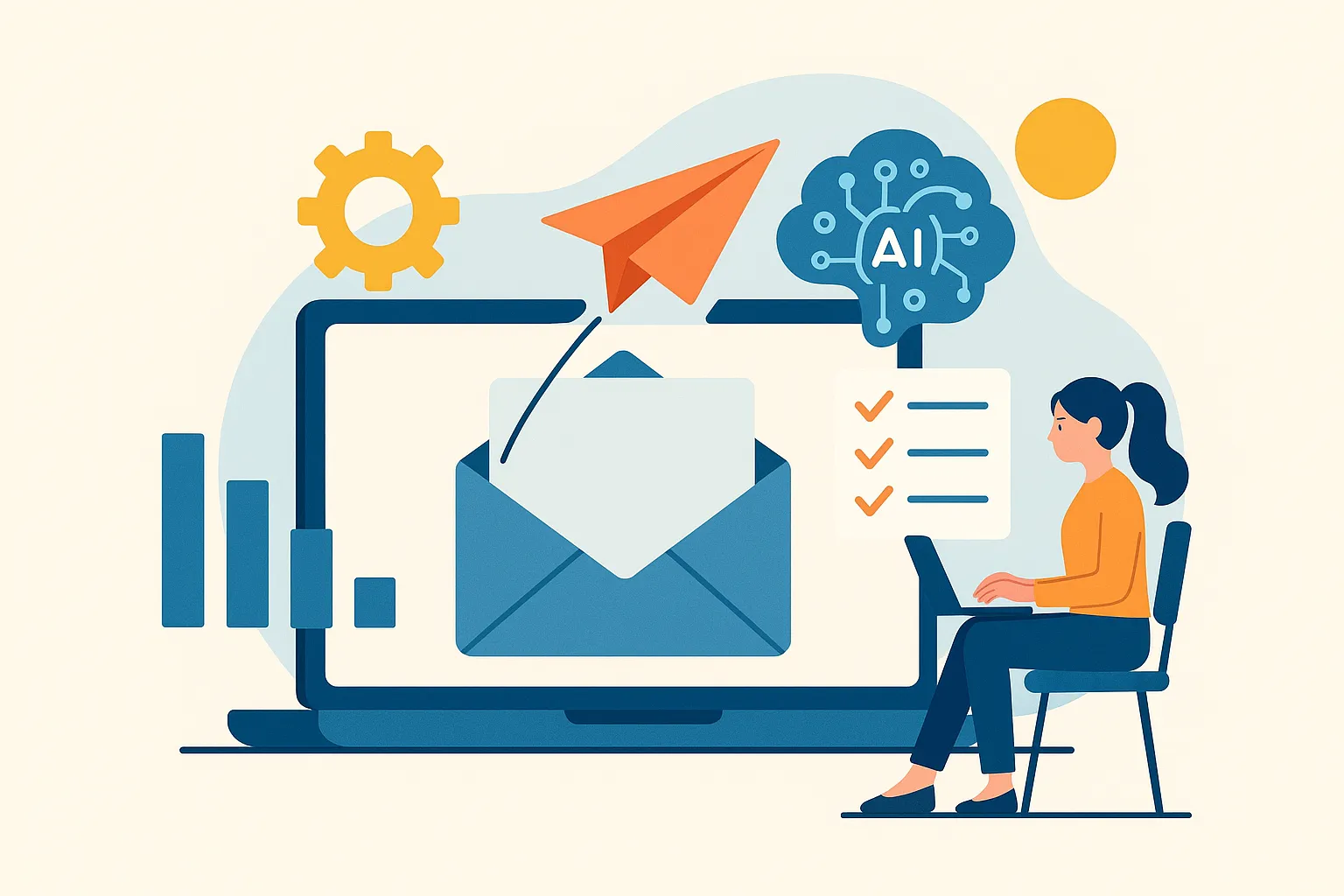
Email marketing remains one of the highest-ROI channels for driving engagement and conversions—and in 2026, AI features are becoming the “default” layer that makes campaigns faster, smarter, and more personalized. This page highlights the best AI tools for email marketing, featuring both free and paid platforms that help you craft better campaigns, personalize messaging at scale, and automate journeys based on real customer behavior. Whether you're optimizing subject lines, generating dynamic content blocks, predicting the best send time, or analyzing open and click-through rates, these tools use machine learning to improve performance while cutting busywork. Many also include segmentation, A/B testing, deliverability guidance, and deep integrations with CRMs and eCommerce platforms so data flows cleanly from lead capture to lifecycle messaging. We've evaluated each option based on campaign impact, ease of use, automation depth, and real-world scalability. If you're looking to send more targeted, higher-converting emails with less manual effort, the AI-powered solutions below are some of the strongest choices available right now.
Top Paid AI Tools for Email Marketing
| Rank | Tool | Key Strength | Price / Limitations | Best Use Case |
|---|---|---|---|---|
| #1 | Klaviyo | AI-driven segmentation + personalization | Usage-based tiers; scales with list size | eCommerce email + lifecycle automation |
| #2 | HubSpot Marketing Hub | CRM-first automation with AI assistance | Higher cost at scale; best with HubSpot stack | Lead nurturing + full-funnel marketing |
| #3 | ActiveCampaign | Powerful automations + deliverability focus | Paid plans required for advanced automation | SMB-to-midmarket workflows and journeys |
| #4 | Mailchimp (Standard/Premium) | Fast campaign creation + testing tools | Costs rise with contacts and features | Growing brands running frequent campaigns |
| #5 | Salesforce Marketing Cloud | Enterprise personalization + journey orchestration | Enterprise pricing; heavier implementation | Large teams with complex segmentation |
Klaviyo
Klaviyo is one of the strongest AI-forward email platforms for eCommerce brands because it pairs messaging with customer data in a way that’s easy to operationalize. Instead of treating email as a generic broadcast channel, Klaviyo is designed around behavior-based segmentation (browse events, purchases, churn signals, product affinity) and automation flows that update as customer intent changes. Marketers can build lifecycle journeys like abandoned browse/cart, winback, replenishment, and VIP nurture, then use AI-assisted personalization to tailor subject lines, content blocks, and product recommendations. Reporting is also built for revenue attribution, helping you see which campaigns and flows actually drive conversions. If your goal is to scale email marketing without losing relevance, Klaviyo is a top-tier paid option for modern, data-driven teams.
HubSpot Marketing Hub
HubSpot Marketing Hub is ideal for teams that want email marketing tied directly to a CRM, so every campaign can adapt to lifecycle stage, lead status, and real customer interactions. Its AI capabilities (including built-in assistants for content, segmentation help, and workflow optimization) are most valuable when you’re running multi-step funnels—lead magnets, nurture sequences, re-engagement, and handoffs to sales. Because HubSpot unifies forms, landing pages, pipelines, and email, you can build “closed-loop” reporting that shows what emails drive qualified leads and revenue, not just opens and clicks. The tradeoff is that it’s most cost-effective when you lean into the broader HubSpot ecosystem, but for businesses focused on growth marketing and lead nurturing, it’s one of the most complete AI-enabled stacks available.
ActiveCampaign
ActiveCampaign is a high-impact choice for businesses that care most about automation depth: event-triggered journeys, conditional branching, lead scoring, and personalization that evolves as contacts engage (or stop engaging). It’s widely used by SMBs and midmarket teams because it hits a sweet spot between power and usability—advanced enough for serious lifecycle marketing, but not locked behind enterprise-level complexity. AI features and deliverability-focused tooling help marketers improve timing, targeting, and inbox placement, while the automation builder makes it easy to systematize common workflows like onboarding, upsells, renewals, and winbacks. If you want to reduce manual campaign work and run smarter journeys that “self-manage” based on behavior, ActiveCampaign remains one of the best paid platforms for email-first automation.
Mailchimp (Standard/Premium)
Mailchimp remains a popular paid option for marketers who want to move fast: build attractive campaigns, test variations, and iterate using clear reporting. Its strengths are ease of use, broad integrations, and a workflow that makes it simple to launch newsletters, promos, and automated sequences without a steep learning curve. AI-assisted features support faster content creation and optimization (like generating subject line ideas and improving campaign structure), while segmentation and automation help you go beyond one-size-fits-all blasts. For teams that publish frequently—especially small brands scaling up—Mailchimp can be a practical “do-it-all” platform that balances creation, automation, and analytics. It’s not always the cheapest at scale, but it’s reliable for consistent campaign execution and continuous improvement.
Salesforce Marketing Cloud
Salesforce Marketing Cloud is built for enterprise email and lifecycle marketing where personalization, governance, and multi-team collaboration matter. It supports complex segmentation, customer journeys, and cross-channel orchestration that goes far beyond basic email blasts—especially when paired with Salesforce CRM data and broader Salesforce marketing tools. AI-driven capabilities can help teams personalize content, optimize engagement, and coordinate messaging across large audiences while maintaining compliance and control. The downside is that it typically requires more setup, strategy, and technical involvement than SMB-focused platforms. For organizations with high volume, multiple brands/business units, or sophisticated customer data needs, Marketing Cloud is a premium option that can power large-scale, highly tailored email programs.
Top Free AI Tools for Email Marketing
| Rank | Tool | Key Strength | Limitations | Best Use |
|---|---|---|---|---|
| #1 | Brevo (Free) | All-in-one email + automation starter | 300 emails/day on free plan | Small lists + early automation workflows |
| #2 | Mailchimp (Free) | Easy campaigns + basic AI assistance | Up to 250 contacts; 500 sends/month | Newsletters and simple promo campaigns |
| #3 | MailerLite (Free) | Clean editor with automation essentials | Free plan capped at 500 subscribers | Creators and small businesses starting out |
| #4 | Omnisend (Free) | Ecommerce-focused automations + AI helpers | Free tier has monthly send cap (e.g., 500 emails) | Shopify-style stores testing email revenue |
| #5 | Kit (Free) | Newsletter-first growth with simple automations | Limited automations on free plan | Newsletter creators and audience building |
Brevo (Free)
Brevo is one of the strongest free starting points for email marketing because it combines a capable campaign builder with automation, contact management, and practical marketing features that usually require an upgrade elsewhere. The free plan is especially useful for testing early retention loops: welcome sequences, basic nurturing, simple segmentation, and transactional-style messaging, all without committing to a paid subscription. Brevo also includes modern workflow tools that help you move beyond “send and hope” marketing, with options to personalize content and track performance so you can iterate quickly. The main constraint is the free plan’s daily sending limit, which makes it better for smaller lists or phased rollouts. If you’re launching a new offer, building an audience, or validating a funnel, Brevo is a reliable free platform to start learning and improving fast.
Mailchimp (Free)
Mailchimp’s free plan is still a popular entry point for email marketing because it’s straightforward: build attractive emails, send newsletters, and get enough reporting to understand what resonates. For small lists, it’s an easy way to run promotions, announce updates, and develop a consistent cadence while you learn what subject lines, CTAs, and layouts drive clicks. Mailchimp also includes helpful guidance and optimization features that make campaign creation faster for beginners, and its ecosystem of integrations makes it easy to connect signup forms, landing pages, and basic eCommerce data. The tradeoff is that the free tier is intentionally limited—especially on contacts and monthly sends—so it works best as a starter plan for early growth, not a long-term solution for high-frequency marketing.
MailerLite (Free)
MailerLite is a great free option for marketers who want a clean, modern interface without a lot of complexity. It’s particularly strong for creators and small businesses building newsletters, lead magnets, and simple automations, because the editor is quick to use and the workflow builder stays approachable even as your campaigns become more structured. You can create signup forms, landing pages, and automated sequences, then refine your messaging based on performance data as you grow. MailerLite also includes AI-assisted elements in its editing experience, helping you move faster when drafting or restructuring content. The main limitation is the free plan’s subscriber cap, which means it’s best for early-stage list building or smaller audiences. For many people, though, it’s an ideal “no-drama” platform to launch professional email marketing immediately.
Omnisend (Free)
Omnisend is designed for eCommerce email marketing, so even its free tier tends to feel more revenue-oriented than generic newsletter tools. It’s built around the automations that matter most for online stores—welcome series, abandoned cart, product follow-ups, and customer lifecycle messaging—so you can start testing real conversion workflows quickly. The platform supports segmentation based on shopping behavior and integrates tightly with common commerce stacks, making it easier to personalize what you send (and when you send it) without stitching together multiple tools. Omnisend also highlights AI-driven guidance and workflow improvements that help marketers iterate on performance rather than guessing. The free plan’s biggest constraint is its monthly sending cap, so it’s best used to validate flows, prove ROI, and then upgrade once email becomes a consistent revenue channel.
Kit (Free)
Kit (formerly ConvertKit) is an excellent free choice for newsletter creators because it focuses on simple, sustainable audience growth rather than over-complicated marketing dashboards. It’s designed around subscriber relationships: tagging, segmentation, and lightweight automations that help you send more relevant emails as your audience grows. Kit shines for creators who want to publish consistently, build trust, and guide readers into products, memberships, or paid newsletters using straightforward sequences and broadcasts. While the free plan limits how complex your automations can get, it still gives you a credible platform to build a list, test content angles, and maintain a clean brand voice without heavy setup. If your email strategy is creator-led (content, community, and long-term engagement), Kit is one of the best free platforms to start with and scale over time.
Rankings

Chatbots
AI chatbots have quickly evolved from simple assistants into powerful, multi-purpose tools used by millions of people every day...

Image Generators
AI image generators are revolutionizing the way creatives, marketers, and developers produce visual content by transforming text prompts into detailed, customized...

Writing Assistants
AI writing assistants have become indispensable tools for anyone who writes — from students and bloggers to business professionals and marketers...

Deepfake Detection
As deepfake technology becomes more advanced and accessible, detecting AI-manipulated content is now a critical challenge across journalism, education, law, and...

Productivity & Calendar
AI productivity and calendar tools have become essential for professionals, entrepreneurs, and students looking to make the most of their time without getting overwhelmed...
Natural Language To Code
Natural language to code tools are transforming software development by enabling users to build apps, websites, and workflows without needing advanced programming...
Blog
How AI Actually Works
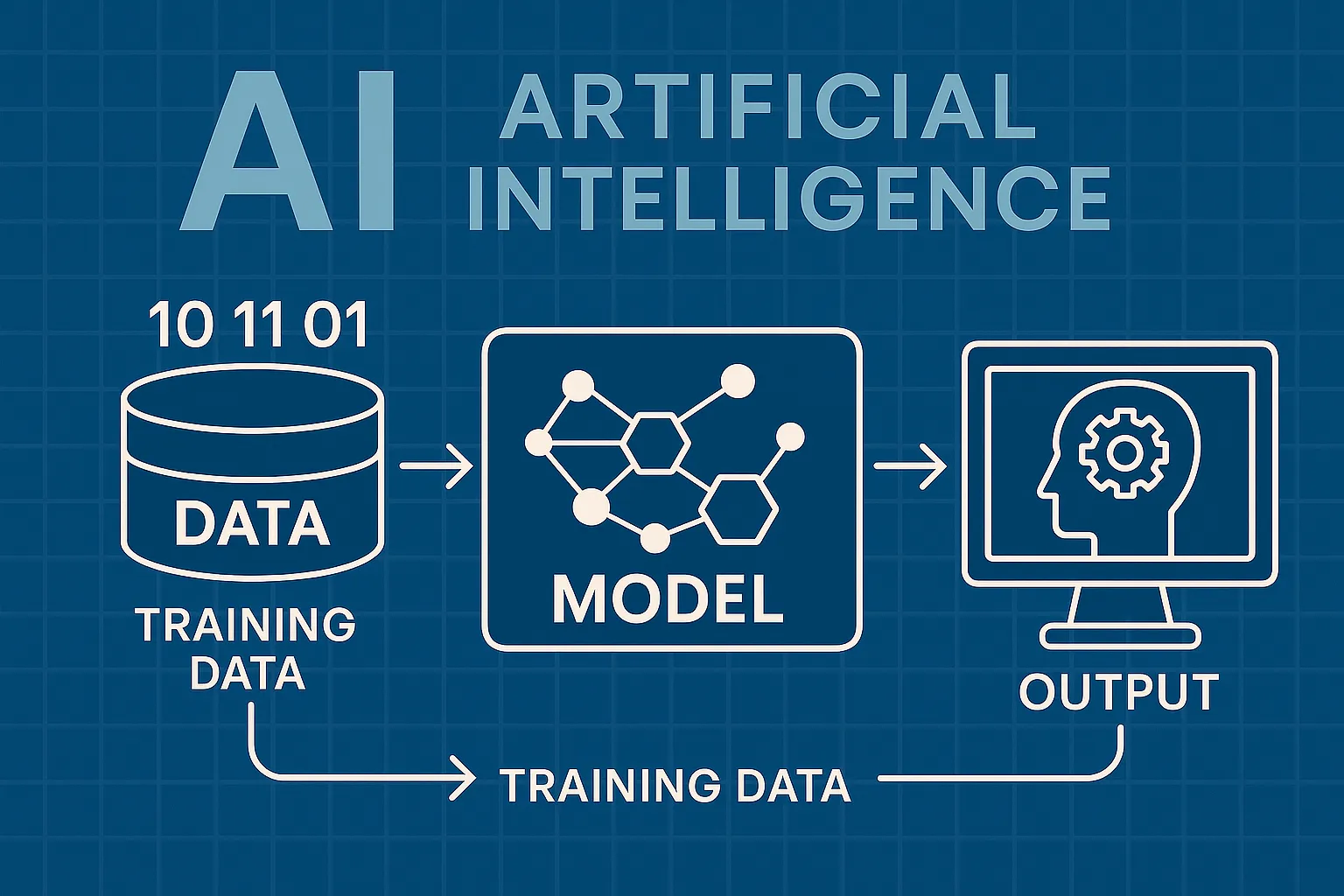
Understand the basics of how AI systems learn, make decisions, and power tools like chatbots, image generators, and virtual assistants.

What Is Vibe Coding?
Discover the rise of vibe coding — an intuitive, aesthetic-first approach to building websites and digital experiences with help from AI tools.

7 Common Myths About AI
Think AI is conscious, infallible, or coming for every job? This post debunks the most widespread misconceptions about artificial intelligence today.

The Future of AI
From generative agents to real-world robotics, discover how AI might reshape society, creativity, and communication in the years ahead.

How AI Is Changing the Job Market
Will AI replace your job — or create new ones? Explore which careers are evolving, vanishing, or emerging in the AI-driven economy.

Common Issues with AI
Hallucinations, bias, privacy risks — learn about the most pressing problems in current AI systems and what causes them.