As AI tools become more global, Chinese speakers now have access to a growing range of platforms tailored to their language and communication needs. This page highlights the best AI tools for Chinese speakers in 2026, including both free and paid options that support Simplified and Traditional Chinese for writing, translation, summarization, voice input, and chatbot interactions. Whether you're a native speaker seeking productivity tools, a student learning Chinese, or a professional working in a bilingual environment, these AI platforms can deliver better language processing with stronger cultural nuance and regional fluency than generic assistants. Some tools specialize in real-time translation or grammar refinement, while others focus on long-form content generation, document understanding, or Mandarin voice recognition. We’ve evaluated each platform based on Chinese language accuracy, usability, feature depth, and overall value at its price tier. If you're looking for AI-powered solutions that work seamlessly in Chinese—without constantly fighting awkward phrasing or tone—this guide will help you find the right tools for communication, content creation, and everyday tasks.
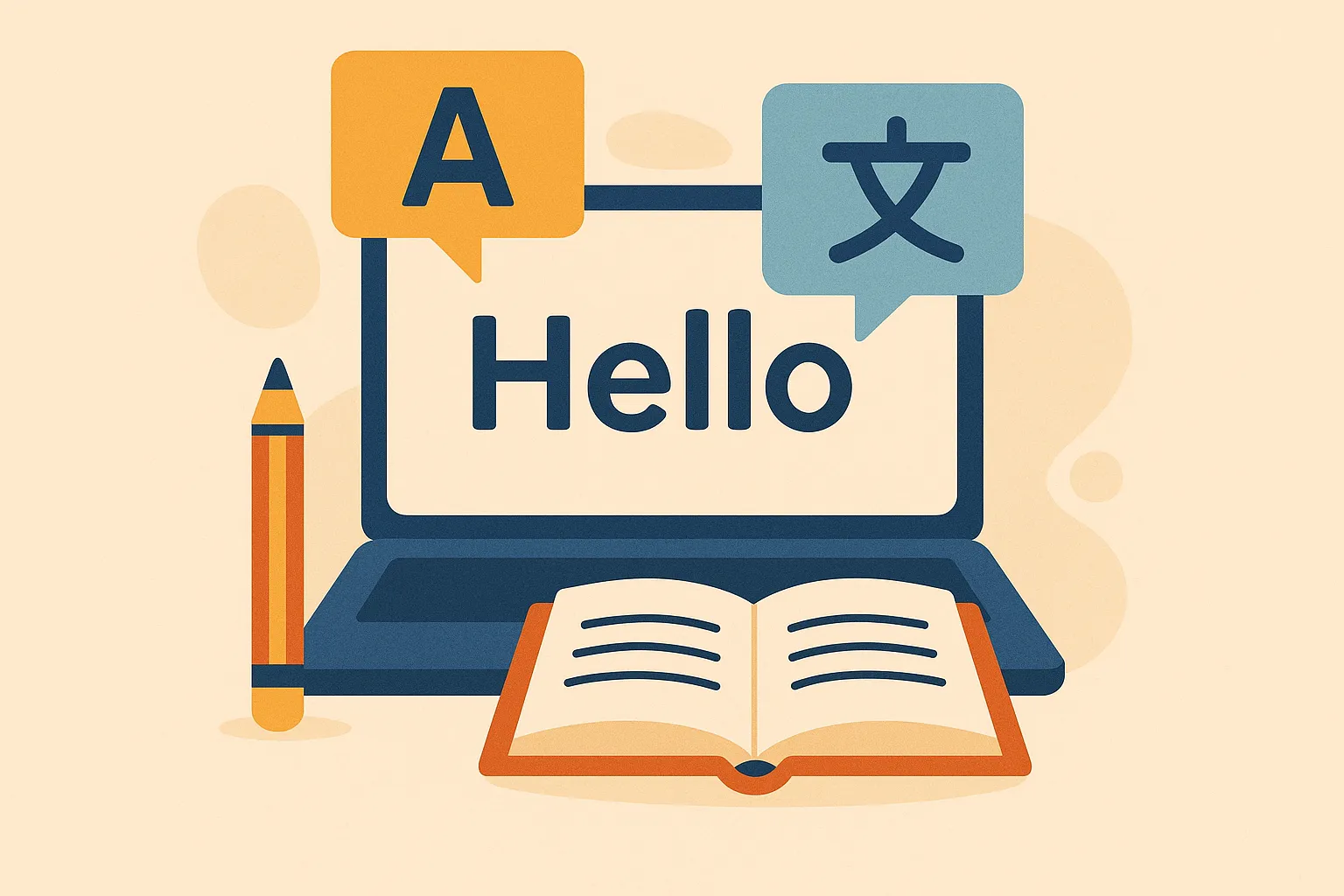
Top Paid AI Tools for Chinese Speakers
| Rank | Tool | Key Strength | Price / Limitations | Best Use Case |
|---|---|---|---|---|
| #1 | Baidu Wenxin Yiyan (ERNIE Bot) | Chinese-native chat + writing | Paid tiers for higher limits | Work writing & study help |
| #2 | iFLYTEK Spark | Mandarin fluency + voice ecosystem | Membership for advanced features | Tutoring, drafting, voice-first tasks |
| #3 | WPS AI | Office suite + Chinese AI editing | AI features in paid plans | Reports, resumes, presentations |
| #4 | Youdao Translate | Translation + localized rewrite tools | Premium for higher quotas | Bilingual writing & study support |
| #5 | ChatGPT Plus | Strong multilingual reasoning | From $20/month (USD) | Deep explanations & polished drafts |
Baidu Wenxin Yiyan (ERNIE Bot)
Baidu Wenxin Yiyan (also known as ERNIE Bot) is one of the most Chinese-native AI assistants available, built specifically for fluent Mandarin conversation, writing support, and everyday productivity. It’s especially strong at producing natural-sounding Chinese outputs that match the tone you want—whether that’s formal workplace writing, school-style explanations, or casual messaging. Beyond chat, it’s useful for summarizing Chinese articles, rewriting paragraphs with clearer structure, generating outlines, and turning rough notes into clean, readable drafts. Paid tiers are best for frequent users who want higher usage limits, faster responses, and more “heavy” tasks like longer document work. For Chinese speakers who want an assistant that feels local first (instead of translated), Wenxin Yiyan is one of the most reliable choices.
iFLYTEK Spark
iFLYTEK Spark is a Chinese-focused AI platform known for strong Mandarin understanding and tight integration with iFLYTEK’s broader voice and language ecosystem. In practice, it shines when you’re working in Chinese as your primary language—brainstorming, rewriting, tutoring, summarizing documents, and producing polished outputs that sound natural in Simplified Chinese. It’s also a great fit for users who prefer voice-driven workflows, since iFLYTEK is well established in speech and language technology. The paid membership tiers are most useful if you rely on it daily for longer writing, more frequent conversations, or “study companion” style sessions that require persistence and depth. If your goal is a Chinese-first assistant that feels comfortable for work, school, and everyday tasks, Spark is a strong premium pick.
WPS AI
WPS AI integrates directly into the WPS Office ecosystem, making it a practical choice for Chinese speakers who live in documents—reports, resumes, spreadsheets, and presentations. Instead of acting like a separate chatbot, it’s designed to support real office workflows: rewriting paragraphs for clarity, adjusting tone for business communication, summarizing long text, generating outlines, and helping with slide and document structure. For bilingual environments, it can also help with quick translation and rewrite tasks so your Chinese and English materials stay consistent in meaning and professionalism. The paid plans unlock more of the AI features and higher usage, which matters if you’re using it across many documents each week. If you want “AI inside your office suite” rather than another chat tab, WPS AI is one of the most convenient options for Chinese productivity.
Youdao Translate
Youdao Translate is a long-standing favorite among Chinese users for translation and bilingual learning, and its modern versions lean more into productivity features than simple word-for-word conversion. It’s particularly helpful for Chinese↔English writing where you need outputs that feel natural, not overly literal—useful for students, job applications, emails, and academic content. Youdao also tends to perform well with short-to-medium text, vocabulary learning, and “rewrite for clarity” workflows that help Chinese speakers express ideas more cleanly in either language. Premium tiers are best if you translate frequently, handle larger documents, or want more advanced enhancements and higher quotas. For a translation-first tool that still feels built around Chinese learners and professionals, Youdao remains a dependable pick.
ChatGPT Plus
ChatGPT Plus remains a strong paid option for Chinese speakers who want a high-quality general-purpose assistant for reasoning, structured writing, and detailed explanations. It’s useful when your tasks go beyond basic rewriting—like comparing arguments, drafting professional documents with a specific tone, building study plans, creating step-by-step tutorials, or summarizing complicated topics in clear Mandarin. ChatGPT is also excellent for bilingual workflows: you can translate, rewrite, and then ask it to explain subtle differences in meaning or tone between Chinese and English so your final output matches your intent. While China-based tools may feel more locally tuned in some contexts, ChatGPT Plus is often the best choice when you want deeper reasoning and consistent multi-step help. For Chinese speakers working internationally—or anyone who wants one assistant that can handle nearly anything—ChatGPT Plus is still one of the strongest premium upgrades.
Top Free AI Tools for Chinese Speakers
| Rank | Tool | Key Strength | Limitations | Best Use |
|---|---|---|---|---|
| #1 | DeepSeek Chat | Strong Chinese reasoning + writing | Limits can change with demand | Answers, drafting, problem solving |
| #2 | Qwen Chat | Chinese-first assistant + tools | Feature access varies by region | Writing, summaries, everyday help |
| #3 | Kimi | Long-context reading & summarizing | Free usage has quota limits | Long docs, studying, big prompts |
| #4 | Baidu Translate (Free) | Fast Chinese↔global translation | Not ideal for heavy technical docs | Everyday translation & quick checks |
| #5 | Pleco | Best-in-class Chinese dictionary | Not a full writing chatbot | Vocabulary, characters, learning |
DeepSeek Chat
DeepSeek Chat has become one of the most popular free options for Chinese speakers who want strong Mandarin performance for writing, explanations, and problem solving. It’s particularly useful when you need clean Chinese phrasing, structured answers, and practical help with tasks like rewriting paragraphs, generating outlines, summarizing content, or working through logic-heavy questions step by step. For students, it can help explain concepts in simpler terms and create practice questions in Chinese; for professionals, it can assist with drafting messages, refining tone, and producing quick summaries for meetings or reports. Free access is typically generous, but limits can fluctuate depending on demand and platform changes. If you want a capable Chinese-first assistant without paying upfront, DeepSeek is one of the best places to start.
Qwen Chat
Qwen Chat is a strong free assistant for Chinese speakers who want an AI that handles Mandarin naturally while supporting common productivity tasks. It’s well suited for writing and rewriting in Chinese, brainstorming content ideas, summarizing articles, drafting structured notes, and helping with bilingual work where you need a fast Chinese↔English rewrite that stays faithful to the original meaning. Qwen is also a good “daily driver” for casual questions because it’s designed to be approachable and practical rather than overly academic. Depending on region and account settings, certain features (like deeper tools, multimodal inputs, or heavier usage) may vary, but the core chat and writing experience remains very useful at no cost. For everyday Chinese productivity with a modern AI assistant feel, Qwen is a strong free pick.
Kimi
Kimi is an excellent free tool for Chinese speakers who deal with longer content—big documents, lengthy articles, study materials, or multi-part prompts that other tools struggle to keep consistent. It’s often used for reading and summarizing long text, extracting key points, turning messy notes into structured outlines, and producing clean Chinese drafts that are easier to share or revise. This makes it particularly helpful for students, researchers, and professionals who need to process information quickly while keeping the final output readable and coherent. Like most free AI tools, usage is typically quota-based, so heavy daily users may eventually hit limits and need to pace their workflow. If your main need is “handle more context in Chinese,” Kimi is one of the most practical free options available.
Baidu Translate (Free)
The free version of Baidu Translate remains one of the most convenient tools for Chinese speakers who need quick translation for everyday communication. It’s strong for short-to-medium text: messages, captions, quick paragraphs, travel phrases, and fast comprehension checks when reading foreign-language content. Because it’s built around Chinese users, the interface and defaults feel natural for Mandarin workflows, and it generally does a solid job preserving meaning in common Chinese↔English translation scenarios. However, for highly technical documents or specialized terminology, you may still need a dedicated professional translation workflow or a premium tool with domain controls. For fast, reliable day-to-day translation that’s easy to access, Baidu Translate is still a staple.
Pleco
Pleco is widely considered the gold standard for Chinese dictionary and language learning—especially for learners who care about characters, pronunciation, definitions, and real examples rather than just rough translation. It’s ideal for building vocabulary, checking character meanings, understanding usage in context, and studying more efficiently with powerful lookup and learning features. While it’s not a full chatbot-style writing assistant, it complements AI tools extremely well: use a chatbot to generate or rewrite Chinese, then use Pleco to verify vocabulary choices, explore synonyms, and confirm the exact meaning or tone of key words. Many users rely on it daily because it’s fast, accurate, and designed specifically for Chinese language workflows. If your goal includes learning Chinese or writing with higher confidence, Pleco is a must-have free tool to pair with AI assistants.
Rankings

Chatbots
AI chatbots have quickly evolved from simple assistants into powerful, multi-purpose tools used by millions of people every day...

Image Generators
AI image generators are revolutionizing the way creatives, marketers, and developers produce visual content by transforming text prompts into detailed, customized...

Writing Assistants
AI writing assistants have become indispensable tools for anyone who writes — from students and bloggers to business professionals and marketers...

Deepfake Detection
As deepfake technology becomes more advanced and accessible, detecting AI-manipulated content is now a critical challenge across journalism, education, law, and...

Productivity & Calendar
AI productivity and calendar tools have become essential for professionals, entrepreneurs, and students looking to make the most of their time without getting overwhelmed...
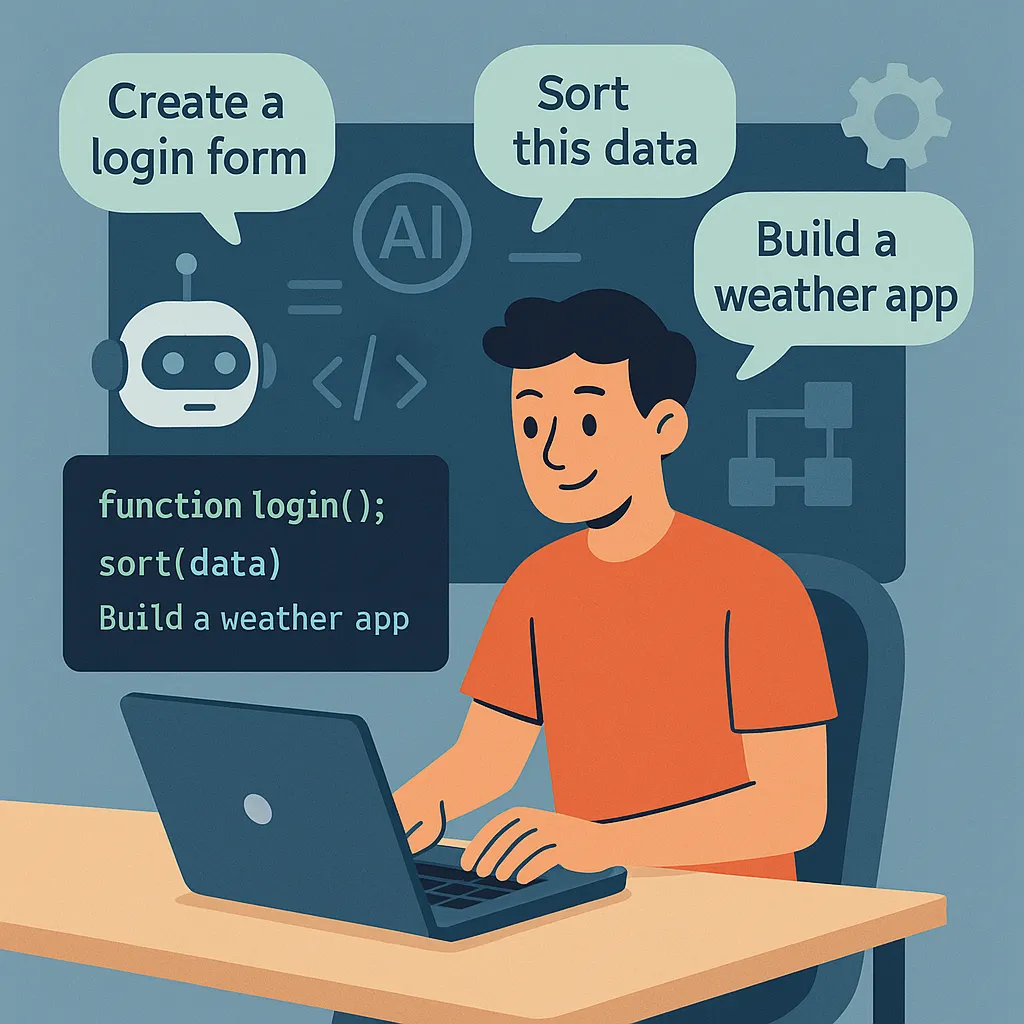
Natural Language To Code
Natural language to code tools are transforming software development by enabling users to build apps, websites, and workflows without needing advanced programming...
Blog

How AI Actually Works
Understand the basics of how AI systems learn, make decisions, and power tools like chatbots, image generators, and virtual assistants.

What Is Vibe Coding?
Discover the rise of vibe coding — an intuitive, aesthetic-first approach to building websites and digital experiences with help from AI tools.

7 Common Myths About AI
Think AI is conscious, infallible, or coming for every job? This post debunks the most widespread misconceptions about artificial intelligence today.

The Future of AI
From generative agents to real-world robotics, discover how AI might reshape society, creativity, and communication in the years ahead.
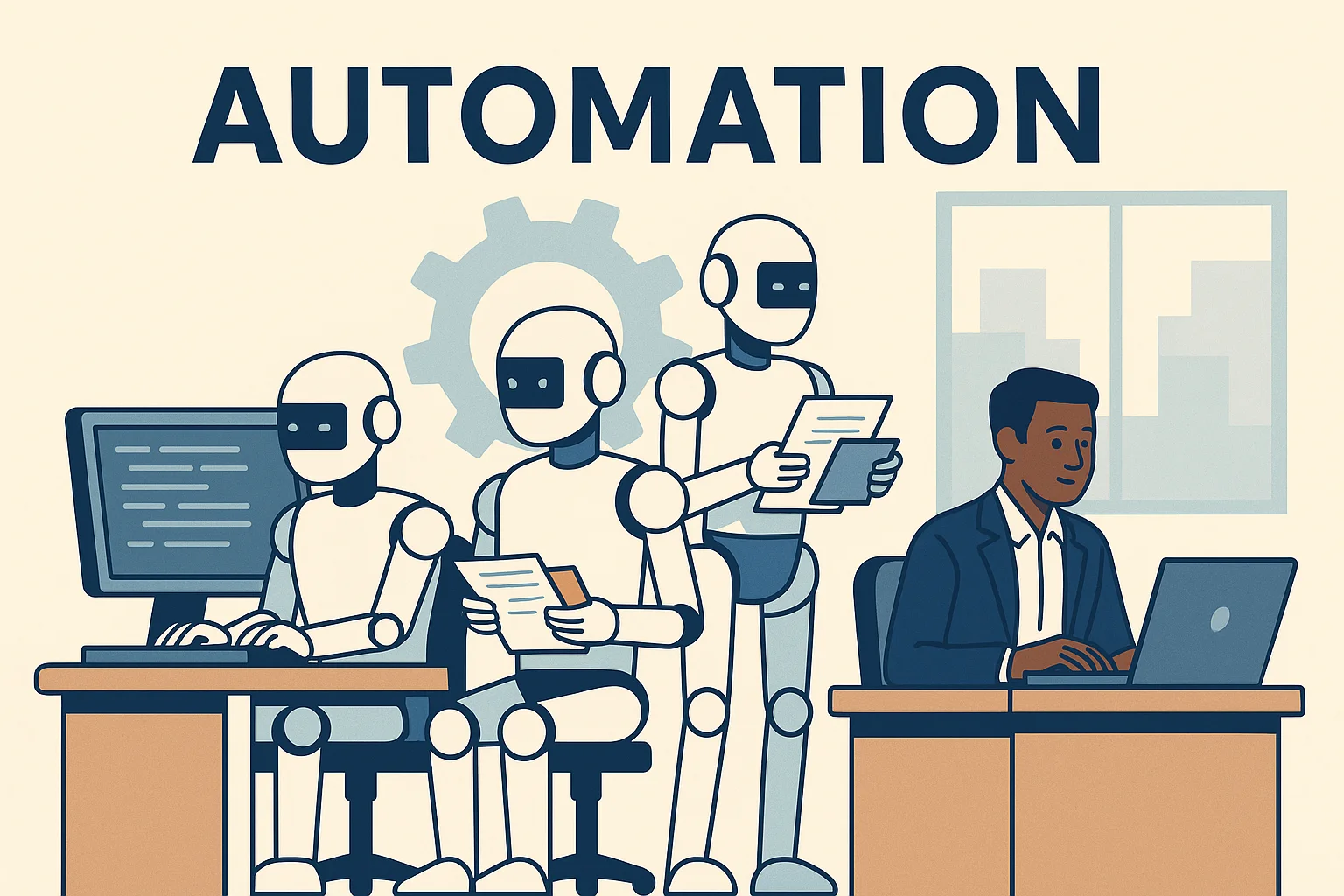
How AI Is Changing the Job Market
Will AI replace your job — or create new ones? Explore which careers are evolving, vanishing, or emerging in the AI-driven economy.

Common Issues with AI
Hallucinations, bias, privacy risks — learn about the most pressing problems in current AI systems and what causes them.