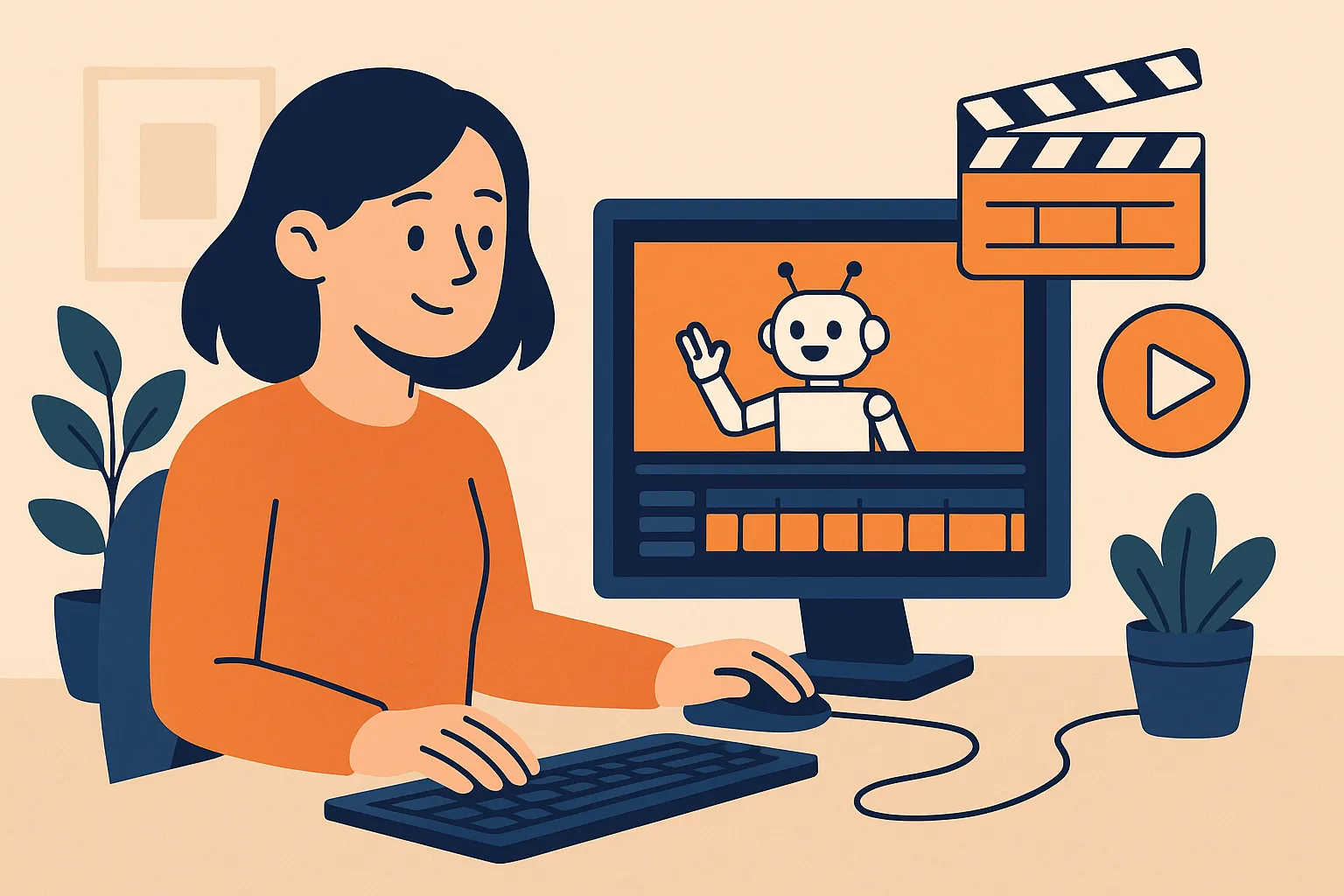
Creating animated content used to require advanced skills and expensive software—but AI is making it faster, easier, and more accessible than ever. This page highlights the best AI tools for animated content in 2026, featuring both free and paid platforms that help users generate high-quality animations with minimal effort. Whether you're producing explainer videos, social media reels, stylized motion clips, avatar-led presentations, or visual storytelling pieces, these tools use AI to automate motion, scene generation, lip-sync, editing, background design, and more. Many platforms now offer prompt-to-video workflows, drag-and-drop timelines, voice-to-animation syncing, and ready-made templates to speed up production across formats like YouTube, TikTok, and Instagram. We've evaluated each tool based on animation quality, customization options, ease of use, and pricing. If you're a creator, educator, or business looking to bring your ideas to life through engaging animation—without hiring a full animation team—these AI-powered platforms offer a powerful and cost-effective solution.
Top Paid AI Tools for Animated Content
| Rank | Tool | Key Strength | Price / Limitations | Best Use Case |
|---|---|---|---|---|
| #1 | Runway | Text-to-video + advanced motion tools | Plans from $12/month | Creators making cinematic AI videos |
| #2 | Pika | Stylized animation and looping motion | Paid plans available (credits-based) | Short-form animated content and effects |
| #3 | Luma Dream Machine | High-quality generative video with upscaling | Plans from $7.99/month | Prompt-to-video scenes and story clips |
| #4 | HeyGen | Avatar animation + lip-sync videos | Creator plan from $29/month | Talking-head style animated presenters |
| #5 | Vyond | Professional character animation + templates | Plans from $58/month (annual) | Business explainers and structured storytelling |
Runway
Runway is one of the most capable AI video platforms in 2026, combining text-to-video generation with a creator-friendly workflow for editing, iteration, and polish. It’s a strong choice for animated content because you can generate multiple shots, experiment with different styles, and refine results quickly—without needing traditional animation software. Beyond simple prompts, Runway supports production-style features that help you shape a story: generate alternate takes, adjust motion and pacing, extend clips, and build sequences that feel intentional rather than random. This makes it especially useful for social creators and marketers who want cinematic motion graphics, stylized animations, or concept-driven reels that still look professional. If your priority is pushing visual quality while keeping your workflow fast, Runway is a top-tier paid option for producing animated video content at scale.
Pika
Pika is a go-to tool for creators who want fast, stylized animation with a strong “viral-ready” look—ideal for loops, punchy short-form clips, and creative motion experiments. It shines when you want animated content that feels expressive rather than corporate: dynamic camera motion, playful transformations, and visually interesting transitions that work well in TikTok and Instagram formats. Pika is also great for concepting because it’s easy to generate multiple variations quickly, then keep iterating until the motion and vibe fit your idea. While longer, highly controlled story animations still benefit from traditional editing tools, Pika is excellent for rapid creative output: animated hooks, mood clips, reaction-style visuals, and small “micro-animations” you can layer into a broader video project. If you want a tool that prioritizes creative style and speed, Pika is one of the most relevant AI animation picks in 2026.
Luma Dream Machine
Luma Dream Machine is a powerful option for generating animated video scenes from prompts, with an emphasis on visually coherent motion and “shot-like” results that can be stitched into short stories. It’s particularly strong for creators who want cinematic movement, smooth camera behavior, and clips that feel like intentional sequences rather than disconnected frames. For animated content, Dream Machine works well as a scene generator: create a few key moments, build transitions between them, then assemble the final story in an editor. It’s useful for everything from explainer-style visual metaphors to stylized narrative clips, concept trailers, and background b-roll that adds motion to a project. If you want a high-quality prompt-to-video engine that supports both experimentation and repeatable content production, Dream Machine is one of the best paid choices available in 2026.
HeyGen
HeyGen is best known for avatar-led video creation, making it ideal when your “animated content” needs a human-like presenter without filming a real person. You can generate talking presenters, lip-sync dialogue, and produce polished videos for marketing, onboarding, product updates, or social explainers—especially useful for creators who want consistent output without setting up lights, microphones, or a camera. HeyGen is also valuable for multi-language content and scaled production: create a script once, generate multiple versions, and keep the visual style consistent across a channel or brand. While it’s not designed for cartoon-style character rigs like traditional animation software, it excels at AI-driven character presentation and motion that feels natural on-screen. If your goal is animated presenter videos that look professional and are fast to produce, HeyGen is one of the strongest paid tools in this category.
Vyond
Vyond is a proven platform for structured, character-driven animation—especially for business, education, and “explainer” style storytelling where clarity matters. Unlike pure prompt-to-video tools, Vyond is built around templates, scenes, and editable characters, giving you more control over pacing, on-screen actions, and narrative flow. This is important for training videos, onboarding content, internal communications, and educational lessons where the animation needs to match the script precisely. Vyond’s workflow is approachable even for beginners: drag-and-drop scenes, customize characters, add voiceover, and produce polished results that feel consistent across an entire series. If you want repeatable, professional animation with control and reliability—rather than experimental generative clips—Vyond remains one of the best paid platforms in 2026.
Top Free AI Tools for Animated Videos
| Rank | Tool | Key Strength | Limitations | Best Use |
|---|---|---|---|---|
| #1 | Luma Dream Machine (Free) | Free prompt-to-video generation | Limited videos, draft mode, watermarks | Testing animated scene ideas |
| #2 | Runway (Free Plan) | Try AI video tools before upgrading | Usage caps and free-plan restrictions | Experimenting with AI motion workflows |
| #3 | Pika (Free Plan) | Stylized animation loops and effects | Limited credits and feature gating | Short-form animated concepting |
| #4 | Canva (Free) | Animated templates + quick social exports | AI/video features are limited on free plan | Simple animated posts and motion graphics |
| #5 | CapCut (Free) | Easy animation-style edits and templates | Some effects/features require paid tiers | Quick reels with motion text and templates |
Luma Dream Machine (Free)
Luma Dream Machine’s free plan is one of the best ways to try modern AI animation without paying upfront. It lets you generate short prompt-to-video clips that are perfect for testing story ideas, creating quick motion “b-roll,” or experimenting with different visual styles before committing to a paid workflow. For many creators, the free tier is enough to validate a concept: generate a few key scenes, see what quality you can get, and decide if the platform fits your content style. The main trade-offs are typical for free plans—limited usage, lower priority processing, and restrictions like draft outputs or watermarks—so it’s best used for exploration and concepting rather than final production. If you want a no-cost entry point into AI-generated animated video scenes, Dream Machine is an excellent starting option in 2026.
Runway (Free Plan)
Runway’s free plan is a strong “try before you buy” option for creators who want to explore AI video generation and editing features without committing to a subscription. It’s especially useful for learning the workflow: generating short clips, testing styles, and understanding how iterative video prompting works in practice. The free plan can help you quickly answer an important question: does this tool fit your content pipeline? For animated content, you can experiment with motion-driven scenes, create a few alternate versions, and see how easily you can build a sequence. As with most free offerings, usage is capped and certain exports or higher-quality features may be restricted, so it’s not the best choice for high-volume final output. But for getting familiar with modern AI animation tools and testing creative directions, Runway’s free tier is one of the most relevant options available.
Pika (Free Plan)
Pika’s free plan is a fun, creator-friendly way to generate stylized animation clips and short motion experiments without spending money upfront. It works particularly well for short-form formats where you want fast visual impact: loops, transformations, animated cutaways, and attention-grabbing motion that can be used as hooks or transitions. Many creators use Pika as an “idea engine” to try multiple concepts quickly, then refine the best one with additional iterations or by combining it with edits in CapCut or another editor. The limitations come down to credits and feature access, so you won’t be producing unlimited high-quality outputs on the free plan. Still, for testing visual styles, generating quick animated concepts, and building a library of short motion clips, Pika remains one of the best free options in 2026 for creative animation-style content.
Canva (Free)
Canva is an excellent free option for creators who want simple animated content without dealing with complex timelines or animation software. Even on the free plan, you can build motion graphics using animated templates, apply basic transitions, animate text and elements, and export social-ready videos in common formats. This makes Canva perfect for quick explainers, promo posts, story slides, and lightweight animated content where the goal is clarity and speed rather than cinematic visuals. Canva also shines for consistency: you can create a branded template once and reuse it across an entire series, which is ideal for educators, small businesses, and social media managers. While advanced AI-driven features and higher-tier assets are often gated, the free version still offers plenty for producing clean, engaging animated posts that look professional and match your brand style.
CapCut (Free)
CapCut is a practical free tool for producing animation-like videos through templates, motion effects, and fast editing—especially for TikTok, Reels, and Shorts. While CapCut isn’t a classic “animation platform,” it’s one of the easiest ways to turn static assets into dynamic content using motion text, keyframes, transitions, cutout effects, and template-driven edits that feel animated on screen. This is incredibly useful for creators who want consistent output: you can create a repeatable format (intro hook, animated captions, quick scene switches) and batch-produce multiple videos quickly. The main limitation is that certain effects, assets, or premium features may require a paid tier, but the free version is still powerful enough for most everyday social workflows. If you’re building animated-style content for short-form platforms and want speed above everything, CapCut is one of the best free tools to keep in your stack.
Rankings

Chatbots
AI chatbots have quickly evolved from simple assistants into powerful, multi-purpose tools used by millions of people every day...

Image Generators
AI image generators are revolutionizing the way creatives, marketers, and developers produce visual content by transforming text prompts into detailed, customized...

Writing Assistants
AI writing assistants have become indispensable tools for anyone who writes — from students and bloggers to business professionals and marketers...

Deepfake Detection
As deepfake technology becomes more advanced and accessible, detecting AI-manipulated content is now a critical challenge across journalism, education, law, and...
Productivity & Calendar
AI productivity and calendar tools have become essential for professionals, entrepreneurs, and students looking to make the most of their time without getting overwhelmed...
Natural Language To Code
Natural language to code tools are transforming software development by enabling users to build apps, websites, and workflows without needing advanced programming...
Blog
How AI Actually Works
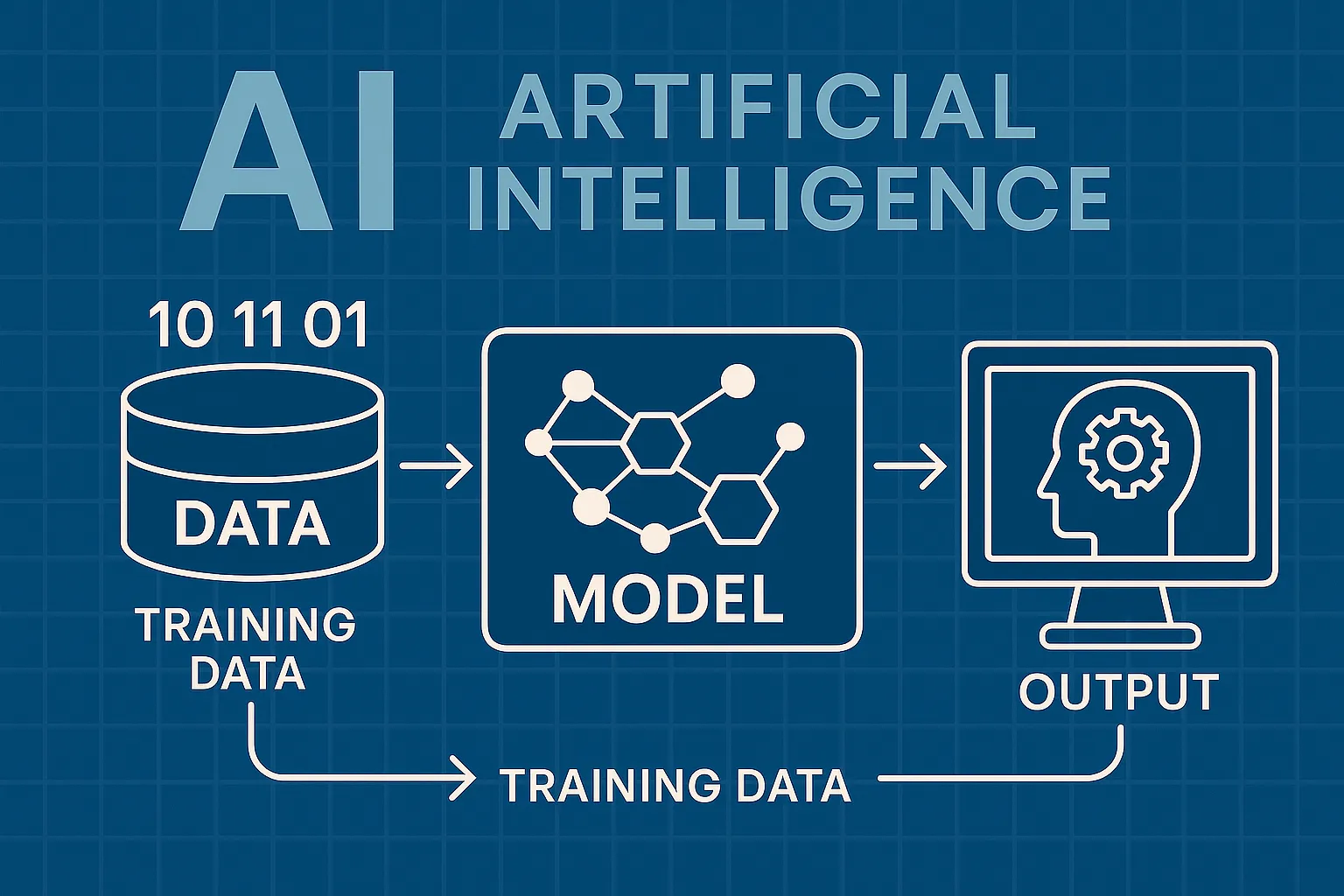
Understand the basics of how AI systems learn, make decisions, and power tools like chatbots, image generators, and virtual assistants.

What Is Vibe Coding?
Discover the rise of vibe coding — an intuitive, aesthetic-first approach to building websites and digital experiences with help from AI tools.
7 Common Myths About AI
Think AI is conscious, infallible, or coming for every job? This post debunks the most widespread misconceptions about artificial intelligence today.

The Future of AI
From generative agents to real-world robotics, discover how AI might reshape society, creativity, and communication in the years ahead.
How AI Is Changing the Job Market
Will AI replace your job — or create new ones? Explore which careers are evolving, vanishing, or emerging in the AI-driven economy.

Common Issues with AI
Hallucinations, bias, privacy risks — learn about the most pressing problems in current AI systems and what causes them.