Accounting tasks can be time-consuming and detail-heavy—but AI is changing that by automating complex processes and reducing manual workload. This page features the best AI tools for accountants in 2026, showcasing both free and paid platforms that help streamline bookkeeping, manage invoices, detect anomalies, forecast finances, and simplify month-end workflows. Whether you're an independent accountant, part of a finance department, or running your own business, these tools are designed to increase accuracy, save time, and reduce human error. Some platforms integrate directly with popular accounting systems, while others provide standalone automation powered by machine learning, OCR, and finance-focused AI assistants. We've evaluated each tool based on ease of use, automation capabilities, cost-efficiency, and relevance to real-world accounting workflows. If you're looking to modernize your accounting practice or reduce repetitive financial tasks, this guide covers some of the smartest AI solutions built for the needs of today’s accountants.

Top Paid AI Tools for Accountants
| Rank | Tool | Key Strength | Price / Limitations | Best Use Case |
|---|---|---|---|---|
| #1 | Datarails | AI-assisted FP&A in Excel | Custom quote (team/enterprise) | Budgeting, forecasting, reporting |
| #2 | Vic.ai | Autonomous AP invoice processing | Custom pricing (invoice volume) | Accounts payable automation |
| #3 | AppZen | AI expense audit + AP controls | Enterprise pricing | Fraud reduction & compliance |
| #4 | Tipalti | End-to-end AP + payments automation | Custom quote (mid-market+) | Invoice-to-payment workflows |
| #5 | Docyt | AI bookkeeping + multi-entity visibility | Plans vary (demo-based) | Ongoing bookkeeping automation |
Datarails
Datarails is a strong fit for accountants and finance teams who still rely heavily on Excel but want more control, speed, and auditability. It helps automate consolidation, reporting, budgeting, and forecasting while keeping your existing spreadsheet models in place. The platform adds structure around messy workbook ecosystems, reducing version chaos and making it easier to trace numbers back to source systems. Its AI-assisted insights can flag anomalies or unexpected variances, helping teams catch errors earlier and spend more time interpreting results instead of assembling reports. If your workflow lives in Excel and you’re juggling multiple departments, entities, or business units, Datarails can modernize the process without forcing a complete toolchain rebuild.
Vic.ai
Vic.ai is built for accounts payable teams that want to drastically reduce manual invoice handling. It ingests invoices, extracts key fields, predicts GL codes, and routes approvals with minimal human review—then improves as it learns from your organization’s historical patterns and exceptions. For accountants, the biggest win is consistency: fewer data entry mistakes, fewer duplicate payments, and cleaner audit trails across approvals and coding decisions. It’s especially valuable in environments with high invoice volume, multiple approvers, or complex vendor relationships, where small mistakes become expensive. If AP is a bottleneck in your month-end or a constant source of rework, Vic.ai is one of the most AP-focused AI platforms available.
AppZen
AppZen focuses on finance controls: auditing expenses and AP transactions at scale to catch policy violations, duplicates, and suspicious claims that humans often miss. As receipt fraud becomes easier and more convincing, automated validation is becoming a practical necessity for many organizations. AppZen’s strength is that it can review large volumes quickly and consistently, freeing accountants from line-by-line checking while still improving compliance outcomes. It typically fits best in mid-size to enterprise environments where spend volume is large, policies are strict, and mistakes are costly. For finance leaders, it acts like an always-on audit layer that helps reduce leakage, enforce rules, and create cleaner documentation for internal and external reviews.
Tipalti
Tipalti is a well-known AP automation platform that goes beyond invoice capture by connecting approvals, supplier onboarding, payment execution, and reconciliation into one workflow. Its AI-powered automation helps reduce manual touchpoints across invoice processing—especially where matching, approvals, and payment scheduling are slowing teams down. For accountants and controllers, Tipalti’s value shows up in fewer late payments, fewer errors caused by manual entry, and smoother close processes when payables data is organized and traceable. It’s a strong option for companies handling frequent vendor payments, multi-entity operations, or complex payables processes that need standardization. If you want AP automation that’s designed to scale with growth, Tipalti is a reliable shortlist pick.
Docyt
Docyt combines document handling with AI-driven bookkeeping automation, aiming to reduce the constant back-and-forth of collecting receipts, categorizing transactions, and reconciling accounts. It’s particularly attractive for businesses with multiple locations or entities that need centralized visibility and consistent categorization rules. Docyt’s automation helps keep records up to date with less manual sorting, while its reporting and workflow structure can make it easier for accountants to monitor cash flow, identify missing documentation, and close books faster. If your accounting process is slowed down by document chasing and scattered inputs, Docyt is designed to turn those messy inputs into cleaner, review-ready financials with fewer repetitive steps.
Top Free AI Tools for Accountants
| Rank | Tool | Key Strength | Limitations | Best Use |
|---|---|---|---|---|
| #1 | ChatGPT (Free) | Excel logic, checklists, finance Q&A | No built-in accounting system integration | Templates, explanations, workflows |
| #2 | Zoho Books (Free Plan) | Free accounting with core features | Usage caps (best for very small teams) | Invoicing + basic bookkeeping |
| #3 | Wave Accounting (Starter) | Free invoicing + bookkeeping basics | Advanced automation features are paid | Freelancers & micro-businesses |
| #4 | ExcelFormulaBot | Turn text into Excel formulas fast | Limited free generations | Spreadsheet automation & reporting |
| #5 | Nanonets Invoice OCR (Free Trial) | Invoice OCR and data extraction | Free tier is trial-limited | Digitizing invoices & PDFs |
ChatGPT (Free)
ChatGPT is a flexible assistant for accountants who want faster answers and better structure without adding another paid platform. It can help generate Excel formulas, explain accounting concepts in plain English, produce client-ready checklists, and draft templates for emails, invoices, reconciliations, or internal SOPs. It’s also useful for brainstorming how to automate recurring tasks (like month-end close steps) and for translating messy requirements into clear action plans for your team. While it won’t connect directly to your GL or bank feeds, it’s still one of the best free tools for improving productivity in the “thinking work” around accounting—especially when you use it to standardize repeatable processes and reduce time spent searching through forums and documentation.
Zoho Books (Free Plan)
Zoho Books offers a genuinely useful free plan for very small businesses that need a lightweight way to stay organized. You can handle core tasks like basic invoicing, expense tracking, and simple reporting without paying upfront, which makes it a strong option for freelancers or early-stage operations. For accountants supporting small clients, it can be a practical “starter system” that reduces spreadsheet chaos and creates cleaner records for tax time. The main tradeoff is that the free plan is capped, so it’s best when transaction volume is still manageable. If you want a free accounting tool that feels like real software (not a patched-together spreadsheet), Zoho Books is worth considering.
Wave Accounting (Starter)
Wave is a popular choice for freelancers and micro-businesses because its Starter plan is free and covers the basics that most people actually need: invoicing, income and expense tracking, and simple bookkeeping records. For accountants, Wave can be a convenient option for clients who need something more structured than a spreadsheet but aren’t ready for a full paid stack. It won’t replace advanced workflows like multi-entity close management, but it can dramatically reduce errors that come from manual tracking. If your goal is to keep books organized, generate invoices, and maintain clean records with minimal setup, Wave is one of the most practical free starting points.
ExcelFormulaBot
ExcelFormulaBot is a quick win for accountants who spend hours inside spreadsheets and don’t want to fight with nested formulas. You describe what you want in plain English—like “sum amounts by vendor in a date range” or “flag duplicates based on invoice number and amount”—and it generates a usable formula (often with an explanation). This is especially helpful for junior staff, freelancers, or anyone building dashboards and recurring reports under time pressure. The free tier is limited, but even a few accurate generations per month can save real time when you’re stuck debugging a spreadsheet right before a deadline.
Nanonets Invoice OCR (Free Trial)
Nanonets Invoice OCR is useful when you have a pile of invoices or PDFs that need to become structured data. Instead of manually typing vendor names, totals, line items, and dates into your system, OCR extraction can speed up the intake step and reduce transcription errors. This is especially handy for small AP teams, accountants cleaning up a client’s backlog, or anyone trying to digitize documentation for better audit readiness. The free tier is trial-limited, but it’s a strong option for testing whether OCR automation fits your workflow before committing to a paid plan. If document intake is one of your biggest time sinks, invoice OCR tools like this can be a meaningful upgrade.
Rankings

Chatbots
AI chatbots have quickly evolved from simple assistants into powerful, multi-purpose tools used by millions of people every day...

Image Generators
AI image generators are revolutionizing the way creatives, marketers, and developers produce visual content by transforming text prompts into detailed, customized...
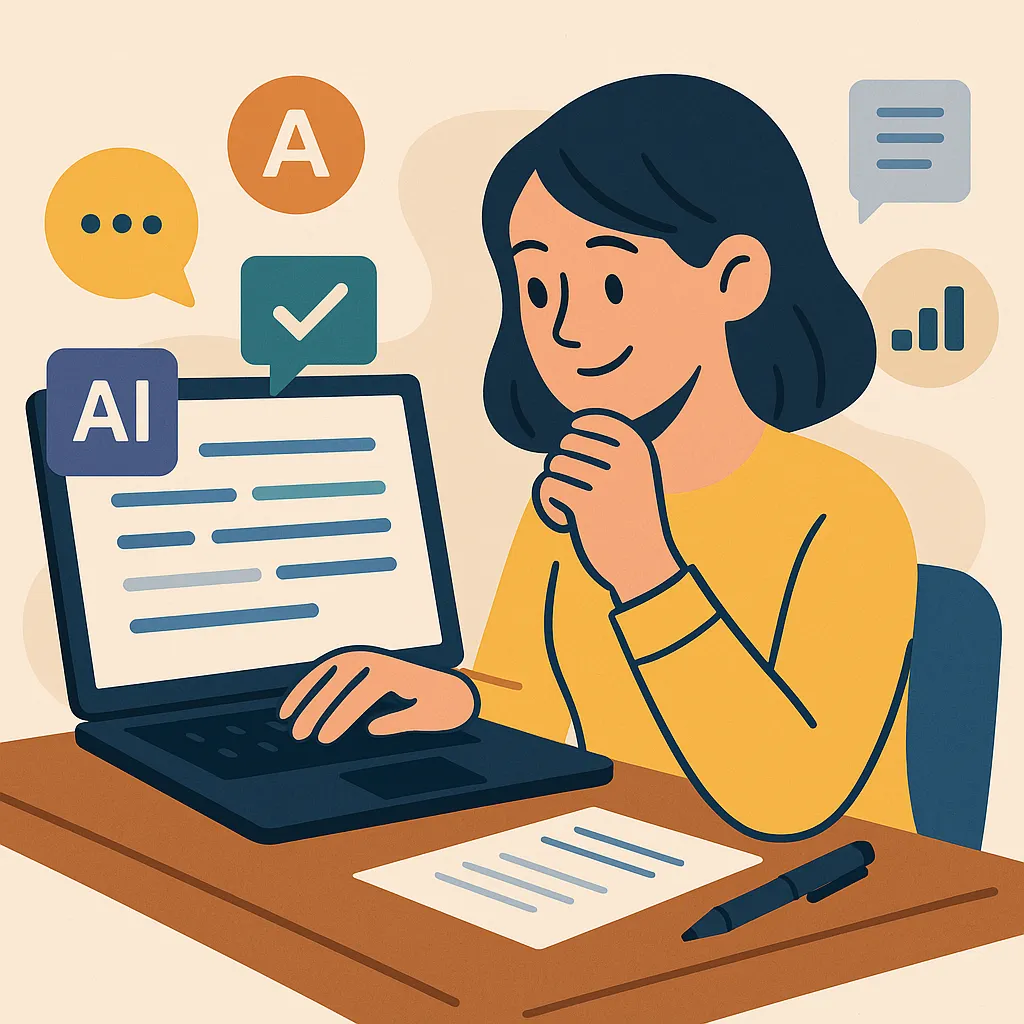
Writing Assistants
AI writing assistants have become indispensable tools for anyone who writes — from students and bloggers to business professionals and marketers...

Deepfake Detection
As deepfake technology becomes more advanced and accessible, detecting AI-manipulated content is now a critical challenge across journalism, education, law, and...
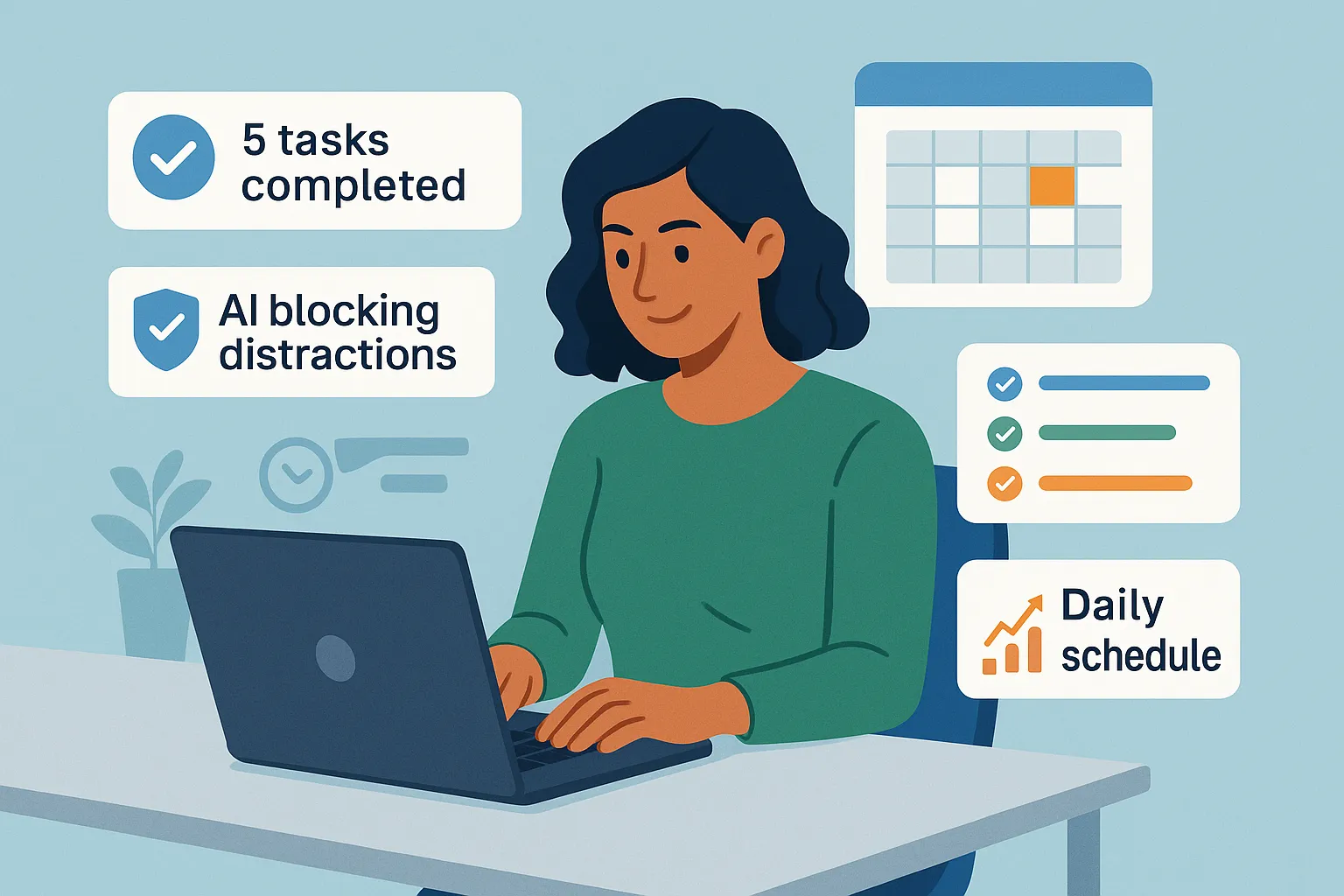
Productivity & Calendar
AI productivity and calendar tools have become essential for professionals, entrepreneurs, and students looking to make the most of their time without getting overwhelmed...
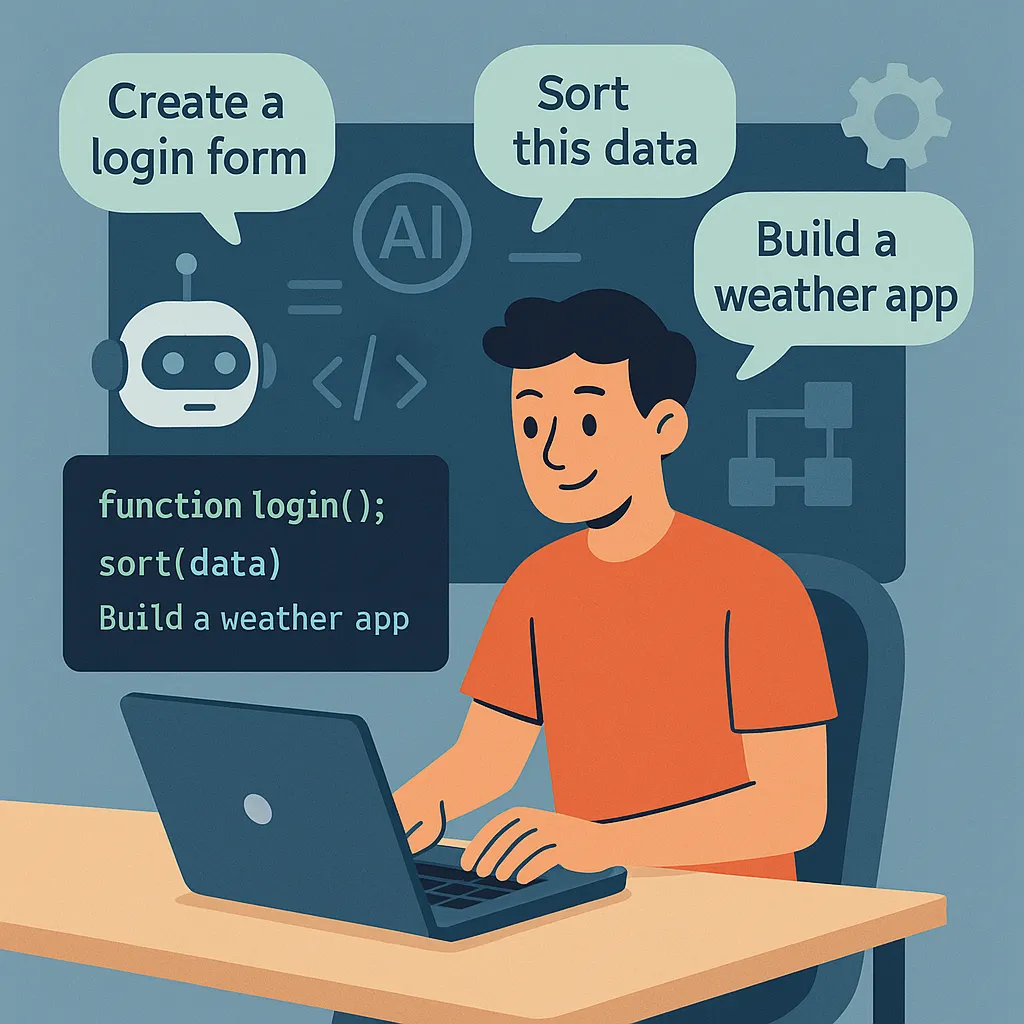
Natural Language To Code
Natural language to code tools are transforming software development by enabling users to build apps, websites, and workflows without needing advanced programming...
Blog
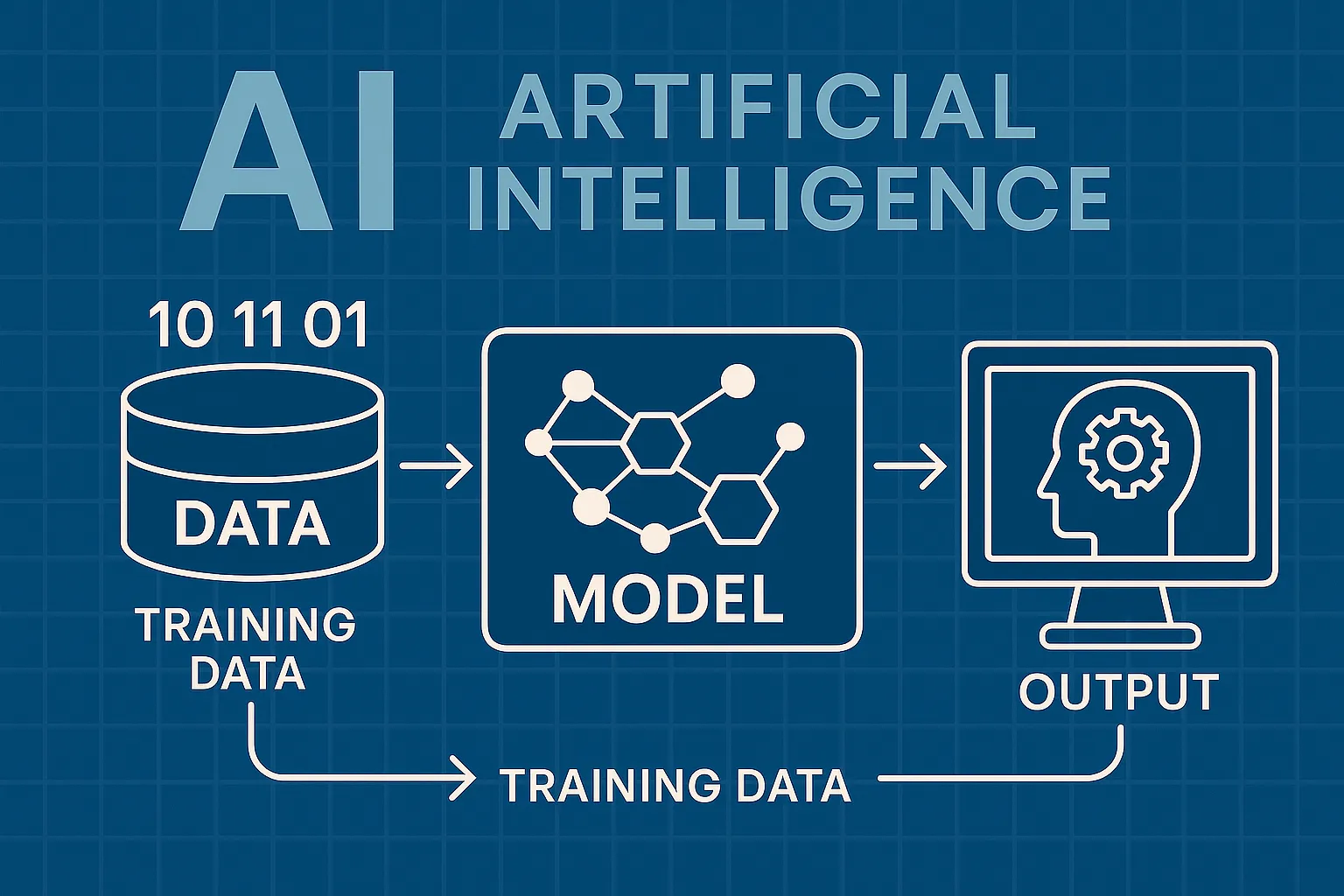
How AI Actually Works
Understand the basics of how AI systems learn, make decisions, and power tools like chatbots, image generators, and virtual assistants.

What Is Vibe Coding?
Discover the rise of vibe coding — an intuitive, aesthetic-first approach to building websites and digital experiences with help from AI tools.
7 Common Myths About AI
Think AI is conscious, infallible, or coming for every job? This post debunks the most widespread misconceptions about artificial intelligence today.

The Future of AI
From generative agents to real-world robotics, discover how AI might reshape society, creativity, and communication in the years ahead.
How AI Is Changing the Job Market
Will AI replace your job — or create new ones? Explore which careers are evolving, vanishing, or emerging in the AI-driven economy.

Common Issues with AI
Hallucinations, bias, privacy risks — learn about the most pressing problems in current AI systems and what causes them.