As AI-generated writing becomes more common, the ability to distinguish between human- and machine-written content is increasingly important. This page highlights the best AI text detectors in 2026, featuring both free and paid tools designed to analyze written material and estimate whether it was likely produced by an artificial intelligence model. Whether you're an educator checking for academic integrity, a publisher reviewing content authenticity, a hiring manager screening submissions, or a student double-checking your own work, these tools provide quick assessments with varying levels of confidence. Many platforms include probability scores, flagged sections, and paragraph-level feedback, making it easier to understand how the tool reached its conclusion. We’ve evaluated each option based on detection quality, transparency, speed, supported formats, and usability. That said, it’s worth remembering that no detector is perfect—especially on short text, heavily edited content, or non-native English writing—so the best practice is to treat results as a signal, not a verdict. If you're looking to verify originality in essays, emails, marketing copy, or any other text, this guide will help you choose a practical AI detection solution for maintaining trust and accountability in your written content.
Best Paid AI Text Detection Tools
| Rank | Tool | Strength | Price | Use Case |
|---|---|---|---|---|
| #1 | Turnitin AI Writing Detection | Institution-grade detection + reporting workflow | Institutional pricing | Schools, universities, academic integrity |
| #2 | Copyleaks AI Detector | AI + plagiarism ecosystem, sentence-level insights | From $16.99/month | Education, enterprise, compliance |
| #3 | Originality.ai | Team-friendly checks for SEO & publishing pipelines | From $14.95/month | Agencies, editors, website content teams |
| #4 | GPTZero | Education-focused UI, file scans, ESL-aware emphasis | From $12.99/month | Classrooms, instructors, student writing review |
| #5 | Winston AI | AI detection + plagiarism + shareable reports | From $10/month | Publishers, teams, professional review |
Turnitin AI Writing Detection
Turnitin’s AI writing detection is the most recognized option in higher education because it fits directly into existing academic integrity workflows. Instead of being “just a detector,” it’s typically used as part of a broader submission and review system—meaning instructors can evaluate suspected AI involvement alongside other signals (writing history, citations, assignment structure, and classroom context). The biggest strength is operational: consistent reporting, institutional controls, and educator-oriented review tools that make it easier to scale policy across large classes or entire departments. For schools and universities, Turnitin is often the practical standard because it’s designed for real classroom processes, not one-off copy/paste checks. As with all detectors, it’s best used as an indicator that prompts follow-up review rather than an automatic judgment—especially for short submissions, heavily edited writing, or ESL students.
Copyleaks AI Detector
Copyleaks is a strong paid choice when you want a more complete “content integrity” toolkit that combines AI detection with related checks like plagiarism, reporting, and workflow features. It’s particularly useful for mixed-authorship documents—where some parts may be human-written and other parts may be AI-assisted—because it can provide more granular feedback than simple “yes/no” tools. Copyleaks also supports many languages and is commonly positioned for education and enterprise use, with options that work for teams and larger organizations. If your audience cares about auditing, documentation, and repeatable processes (not just quick one-time scans), Copyleaks is an easy recommendation because it’s built to live inside real editorial and compliance workflows.
Originality.ai
Originality.ai is popular with publishers, editors, and SEO teams because it’s built for practical content review at scale. It’s designed to help agencies and editorial teams quickly screen large volumes of blog posts and web copy, then share results internally using reports and team-friendly workflows. In addition to AI detection, many users choose it because it pairs well with broader publishing operations—especially when multiple writers and editors touch the same piece of content. If your site visitors run content pipelines (freelancers, agency teams, niche site builders, or marketing departments), Originality.ai is a relevant paid pick because it’s structured around real-world publishing needs rather than academic-only workflows. It’s still wise to treat results as directional, especially if text has been heavily edited or rewritten.
GPTZero
GPTZero remains one of the most widely used AI text detectors for education and everyday checking thanks to its accessible interface and educator-friendly features. It’s a good fit for instructors and reviewers who want more than a single probability score, because it can provide highlights and explainability that helps users understand which sections may have triggered the model. GPTZero is also frequently recommended for classroom contexts where you want quick scanning and a repeatable review workflow (including file uploads and batch-style use on higher tiers). A practical way to use GPTZero is as a “triage” tool: run a scan, identify suspicious segments, and then follow up by asking for drafts, sources, or process notes. Used responsibly, it’s one of the most useful paid options for educators who need a tool that’s fast, easy, and built around academic use cases.
Winston AI
Winston AI is a strong paid option for professional review workflows where you want clean reports and consistent output for clients or internal stakeholders. It’s commonly used by publishers, agencies, and teams that need repeated checks across many documents, and it pairs AI detection with plagiarism scanning and shareable reporting features that make it easier to document decisions. Winston’s value is less about “one perfect score” and more about process: scan drafts, review flagged areas, keep reports for records, and apply a consistent standard across a team. If your audience includes content managers, editors, or agencies who want a polished tool for ongoing use, Winston AI is a solid monetizable recommendation. Like all detectors, it works best on longer text and should be paired with human review for any high-stakes decisions.
Best Free AI Text Detection Tools
| Rank | Tool | Strength | Free Limit | Notes |
|---|---|---|---|---|
| #1 | GPTZero (Free) | Most popular free detector with clear outputs | Usage limits vary | Great starting point |
| #2 | Scribbr AI Detector | Fast, student-friendly, no signup | Up to 1,200 words/submission | Unlimited checks |
| #3 | QuillBot AI Detector | Simple AI probability breakdown | Best for short-to-medium scans | No signup needed |
| #4 | Sapling AI Detector | Quick score + developer ecosystem | Best for short checks | Also offers APIs |
| #5 | ZeroGPT | Easy, lightweight web checker | Varies by usage/features | Quick copy/paste scans |
GPTZero (Free)
GPTZero’s free tier is still one of the best “first pass” options for everyday AI detection because it’s quick, widely used, and easy to understand. It’s a practical tool for educators, students, editors, and readers who want an immediate signal on whether text looks AI-generated or heavily AI-assisted. The free experience works well for spot checks—like scanning a paragraph, a short essay section, or a suspicious passage—before deciding whether you need deeper review. For best results, scan longer samples (short text is harder for any detector), and compare results across multiple tools when decisions are important. If a user needs heavier capacity, GPTZero’s paid plans add more workflow features, but the free version is still useful for rapid screening.
Scribbr AI Detector
Scribbr’s AI Detector is a strong free option for students and academic users because it’s simple, fast, and doesn’t force account creation to get started. You paste text, run a scan, and receive a clear output designed for quick interpretation—ideal for checking short assignments, discussion responses, or sections of an essay. Scribbr is especially useful as a “self-check” tool for students who want to make sure their writing doesn’t accidentally resemble typical AI patterns (for example, overly uniform structure, repetitive phrasing, or generic tone). Like all detectors, it shouldn’t be treated as proof, but it’s a convenient free checkpoint that fits into real student workflows with minimal friction.
QuillBot AI Detector
QuillBot’s AI Detector is a straightforward, no-frills checker that works well for quick scans of everyday writing: emails, short blog sections, marketing copy, or student paragraphs. It’s especially popular because it’s easy to access and produces a simple probability-style result without requiring setup. This makes it a good “second opinion” tool when you’re comparing multiple detectors, or when you want to quickly sanity-check a passage before submitting or publishing. QuillBot is best used on reasonably sized text samples, and results are most meaningful when you combine them with context—like writing process evidence, citations, or drafts—rather than relying on a single score.
Sapling AI Detector
Sapling’s AI Detector is a fast, lightweight checker that’s useful for quick verification during editing. It’s commonly used by writers and teams who want a simple score without a complicated workflow, and it’s especially handy for checking smaller segments of text as you revise. Sapling also stands out for its broader ecosystem: in addition to the web detector, it offers developer-focused options (like APIs) for teams that want to integrate detection into internal tools or editorial pipelines. As a free option, it’s best for short-to-medium spot checks and for getting another perspective alongside tools like GPTZero or Scribbr. For anything high-stakes, use multiple signals and human review.
ZeroGPT
ZeroGPT is a popular free web-based AI text detector that’s designed for simple copy/paste checks with minimal effort. It’s useful when you need a quick indicator—especially for casual review of short articles, homework passages, or draft content—without setting up an account or learning a complex interface. While it’s not the tool you’d choose for institutional policy enforcement, it’s still valuable as a fast extra scan in a multi-tool workflow. A smart approach is to run ZeroGPT alongside one or two other detectors and look for agreement; if results conflict, treat that as a sign you need more context (longer samples, drafts, citations, or manual review) rather than trying to “pick a winner” based on a single score.
Rankings

Chatbots
AI chatbots have quickly evolved from simple assistants into powerful, multi-purpose tools used by millions of people every day...

Image Generators
AI image generators are revolutionizing the way creatives, marketers, and developers produce visual content by transforming text prompts into detailed, customized...

Writing Assistants
AI writing assistants have become indispensable tools for anyone who writes — from students and bloggers to business professionals and marketers...
Deepfake Detection
As deepfake technology becomes more advanced and accessible, detecting AI-manipulated content is now a critical challenge across journalism, education, law, and...
Productivity & Calendar
AI productivity and calendar tools have become essential for professionals, entrepreneurs, and students looking to make the most of their time without getting overwhelmed...
Natural Language To Code
Natural language to code tools are transforming software development by enabling users to build apps, websites, and workflows without needing advanced programming...
Blog
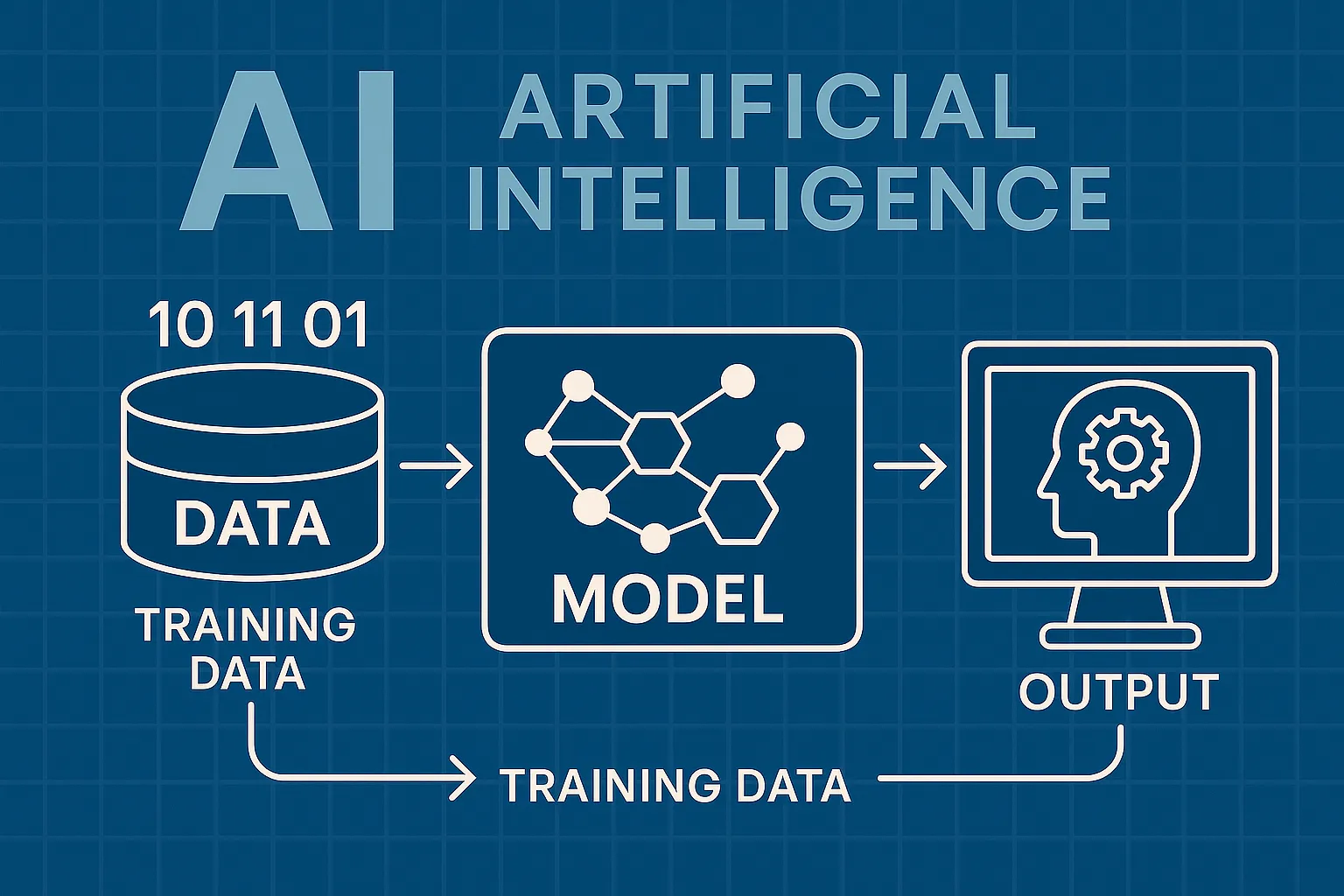
How AI Actually Works
Understand the basics of how AI systems learn, make decisions, and power tools like chatbots, image generators, and virtual assistants.

What Is Vibe Coding?
Discover the rise of vibe coding — an intuitive, aesthetic-first approach to building websites and digital experiences with help from AI tools.
7 Common Myths About AI
Think AI is conscious, infallible, or coming for every job? This post debunks the most widespread misconceptions about artificial intelligence today.

The Future of AI
From generative agents to real-world robotics, discover how AI might reshape society, creativity, and communication in the years ahead.
How AI Is Changing the Job Market
Will AI replace your job — or create new ones? Explore which careers are evolving, vanishing, or emerging in the AI-driven economy.

Common Issues with AI
Hallucinations, bias, privacy risks — learn about the most pressing problems in current AI systems and what causes them.