AI summarization tools make it easy to digest large amounts of information in a fraction of the time. This page features the best AI summarizers of 2026, comparing free and paid platforms that automatically condense long articles, research papers, reports, emails, meeting transcripts, and more into clear, concise summaries. Whether you're a student reviewing academic material, a professional managing high volumes of content, or a writer organizing research, these tools help you extract the most important points without losing context. Some allow you to paste text directly, while others support URL input, document uploads, or browser integration. We've evaluated each summarizer based on summary quality, speed, customization options, and usability. Many also include features like citation-aware summaries, highlight extraction, reading level control, multi-language support, or source-grounded outputs. If you want to stay informed and efficient without drowning in information overload, these AI-powered summarization tools offer a smart, time-saving solution for daily productivity and content management.

Best Paid AI Summarization Tools
| Rank | Tool | Strength | Price | Use Case |
|---|---|---|---|---|
| #1 | ChatGPT Plus | Best all-around summaries (files + web) | $20/month | Students, professionals, daily reading |
| #2 | Claude Pro | Long-document summarization & writing clarity | From $20/month | Reports, PDFs, research-heavy workflows |
| #3 | Google AI Pro (Gemini) | Summaries inside Google apps + multimodal input | $19.99/month | Docs/Drive users, teams in Google ecosystem |
| #4 | Readwise Reader | Best “read-it-later” summarization & highlights | From $9.99/month | Article queues, newsletters, research reading |
| #5 | Otter Pro | Meeting summaries, action items, searchable transcripts | From $8.33/user/month | Meetings, interviews, podcasts, sales calls |
ChatGPT Plus
ChatGPT Plus is one of the most versatile “summarize anything” options in 2026 because it handles the full range of inputs people actually use: pasted text, long documents, PDFs, slides, and mixed-format content. The best workflows come from combining a strong prompt (e.g., “give me a 10-bullet executive summary + risks + key numbers”) with follow-up refinement (“rewrite at a grade-10 reading level,” “turn this into meeting notes,” or “extract action items”). Plus is especially useful if you want one tool that can summarize, rewrite, and then help you act on the summary—turning notes into emails, study guides, outlines, or project plans in the same session. If your audience wants a single paid upgrade that noticeably improves quality and speed for everyday summarization, ChatGPT Plus is the safest “best overall” pick to recommend.
Claude Pro
Claude Pro is a top-tier choice for long-form summarization when you care about readability, nuance, and a “clean” final output. It’s particularly strong at turning dense writing into structured deliverables: executive summaries, one-page briefs, decision memos, and clear bullet breakdowns that preserve the author’s intent without sounding robotic. Claude is also a great fit for multi-step summarization: summarize first, then ask for contradictions, missing assumptions, key definitions, and “what I should ask next.” For professionals, it shines on internal docs, policy drafts, research notes, and technical reports where you want clarity and context—not just a compressed paragraph. If your visitors often summarize lengthy material (work reports, school readings, or PDFs), Claude Pro is an easy recommendation because it consistently produces polished, well-organized summaries that need less manual cleanup.
Google AI Pro (Gemini)
Google AI Pro is the best paid option for people who live inside Google’s ecosystem and want summarization woven into their daily workflow. Instead of “copy and paste into a separate summarizer,” AI Pro shines when your content already lives in Gmail, Docs, Drive, or the broader Google workspace—turning long threads, documents, and shared materials into quick overviews, key points, and action items. It’s also strong for multi-language summarization and mixed inputs, including media-based content in supported experiences. For teams and students, the practical advantage is speed: summarize a doc, ask follow-ups, generate a checklist, and create a clean output you can paste back into Docs with minimal friction. If your audience is already paying for Google services (or wants a single subscription that fits that environment), Google AI Pro is a highly relevant 2026 pick.
Readwise Reader
Readwise Reader is ideal if your “summarization problem” is really an information overload problem. It’s a modern read-it-later app that helps you collect articles, PDFs, newsletters, and web pages into one place, then extract key points through highlights, notes, and quick summaries. For research-heavy users, the win is organization: you’re not just generating a summary—you’re building a searchable knowledge library over time. Reader works especially well for people who read across many sources (news, blog posts, long essays, newsletters) and want a consistent workflow that turns reading into re-usable notes. The paid plan is worth it when you regularly save content and need to review it later, export highlights to tools like Notion/Obsidian, or keep a “second brain” for ongoing projects. It’s one of the best monetizable recommendations for productivity and learning audiences.
Otter Pro
Otter Pro is a standout summarizer for spoken content: meetings, interviews, lectures, sales calls, and podcasts. It automatically transcribes audio, then generates structured summaries and action items so users can get the outcome without replaying an hour-long recording. This is extremely practical for teams—especially when you need searchable history, speaker identification, and quick “what did we decide?” recaps. Otter also helps with content reuse: creators can turn a transcript into highlights, talking points, or a draft blog outline in minutes. While general chatbots can summarize transcripts if you paste them in, Otter wins because it captures the conversation in the first place and keeps everything organized as a library. If your audience deals with frequent meetings or recordings, Otter Pro is one of the most “immediately useful” paid upgrades on this list.
Best Free AI Summarization Tools
| Rank | Tool | Strength | Limitations | Notes |
|---|---|---|---|---|
| #1 | NotebookLM | Source-grounded summaries (upload your materials) | Requires Google account, usage limits | Best for study/research |
| #2 | ChatGPT (Free) | Fast general-purpose summarization | Feature & usage caps vs paid plans | Great for quick daily summaries |
| #3 | Claude (Free) | Readable summaries with strong structure | Usage limits, fewer premium features | Excellent for clean bullet summaries |
| #4 | Gemini (Free) | Free multimodal summaries + strong general quality | Lower upload & feature limits than paid tiers | Strong free alternative overall |
| #5 | Scholarcy (Free) | Academic paper summaries + flashcards | Smaller file limits, restricted exports | Students & academics |
NotebookLM
NotebookLM is one of the most useful free summarization tools in 2026 because it’s built around a simple idea: your summaries should be grounded in the sources you provide. Instead of summarizing random web text with unclear context, you upload or add your materials (PDFs, notes, web pages, and other supported sources), then ask for summaries, key points, study guides, or structured briefs. This makes it ideal for students, researchers, and professionals who want summaries they can trust and trace back to what they actually read. NotebookLM is especially effective for “synthesis” work—summarizing multiple sources into a single viewpoint, comparing arguments, or extracting repeated themes. If your visitors need free summarization for school or research, NotebookLM is the highest-quality starting point because it’s designed for long-form source-driven understanding, not just quick compression.
ChatGPT (Free)
ChatGPT’s free plan remains a strong option for everyday summarization: paste an article, a long email, a set of meeting notes, or a block of research text and ask for a summary in the format you prefer. The best results come from being specific—request bullet points, a short executive overview, key takeaways, and “what to do next.” Even on the free tier, it’s fast enough for daily use cases like summarizing news, simplifying complex explanations, generating a study outline, or condensing a long message into a reply. The main trade-off is that paid tiers offer more capacity and advanced features, but most casual users can still get high-quality summaries without spending anything. For a broad audience on AIReviewly, this is a safe free recommendation because it’s easy to use, widely available, and flexible across many summarization styles.
Claude (Free)
Claude’s free plan is a great choice when your priority is clarity. It often produces summaries that feel more like polished notes: well-structured, easy to skim, and less “robotic” than many quick summarizers. This makes it ideal for turning dense writing into readable outputs—like bullet summaries, short briefs, or a clean outline of arguments and evidence. Claude is also helpful for “second-pass summarization,” where you first ask for a normal summary, then request a version optimized for a specific goal (study notes, an executive memo, a meeting recap, or a one-minute explanation). The free plan has usage limits, but for students and professionals who only summarize a handful of documents per day, it’s a high-quality no-cost tool. If readers frequently struggle to understand what they’re reading, Claude is one of the best free options to simplify without losing meaning.
Gemini (Free)
Gemini is one of the best free AI summarization options in 2026, especially for users who want strong results without subscribing. It handles quick summaries of articles, explanations of complex material, and multi-step refinement (“summarize, then extract action items, then rewrite for a beginner”). Gemini is also a strong pick for people already using Google services, since it naturally fits into many Google-centered workflows and supports modern multimodal interactions in supported experiences. For everyday users, it’s a reliable free tool for summarizing web content, simplifying research notes, generating short study guides, or compressing long text into a clean outline. The biggest limitation is that paid tiers generally provide higher limits and more advanced integrations, but the free plan is still powerful enough for most casual summarization needs. If your audience wants a free tool that feels “premium,” Gemini is a very safe recommendation.
Scholarcy (Free)
Scholarcy is a research-first summarizer built for academic papers, reports, and technical reading. Its standout feature is how it breaks complex material into structured outputs: short summaries, key findings, definitions, and flashcard-style notes that are easy to review later. This makes it especially useful for students, academics, and professionals doing literature reviews or scanning papers for relevance. The free tier is best for lighter usage and smaller uploads (for example, free accounts have lower file-size limits), and some export or “bulk” features are typically reserved for paid plans. Even so, it’s an excellent free option when you need summarization that feels tailored to academic writing rather than generic article compression. If your readers mainly summarize papers and PDFs, Scholarcy is one of the most practical free tools to start with before upgrading.
Rankings

Chatbots
AI chatbots have quickly evolved from simple assistants into powerful, multi-purpose tools used by millions of people every day...

Image Generators
AI image generators are revolutionizing the way creatives, marketers, and developers produce visual content by transforming text prompts into detailed, customized...

Writing Assistants
AI writing assistants have become indispensable tools for anyone who writes — from students and bloggers to business professionals and marketers...

Deepfake Detection
As deepfake technology becomes more advanced and accessible, detecting AI-manipulated content is now a critical challenge across journalism, education, law, and...

Productivity & Calendar
AI productivity and calendar tools have become essential for professionals, entrepreneurs, and students looking to make the most of their time without getting overwhelmed...
Natural Language To Code
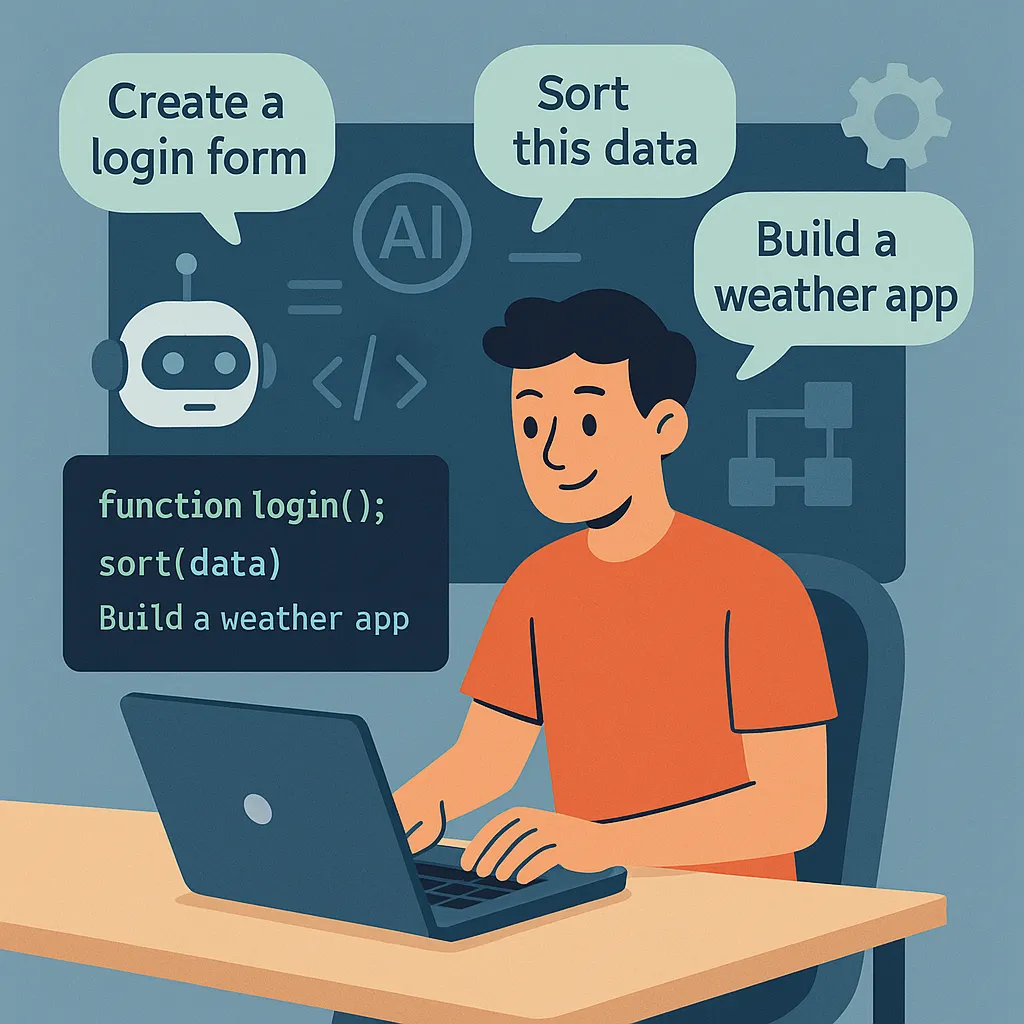
Natural language to code tools are transforming software development by enabling users to build apps, websites, and workflows without needing advanced programming...
Blog
How AI Actually Works
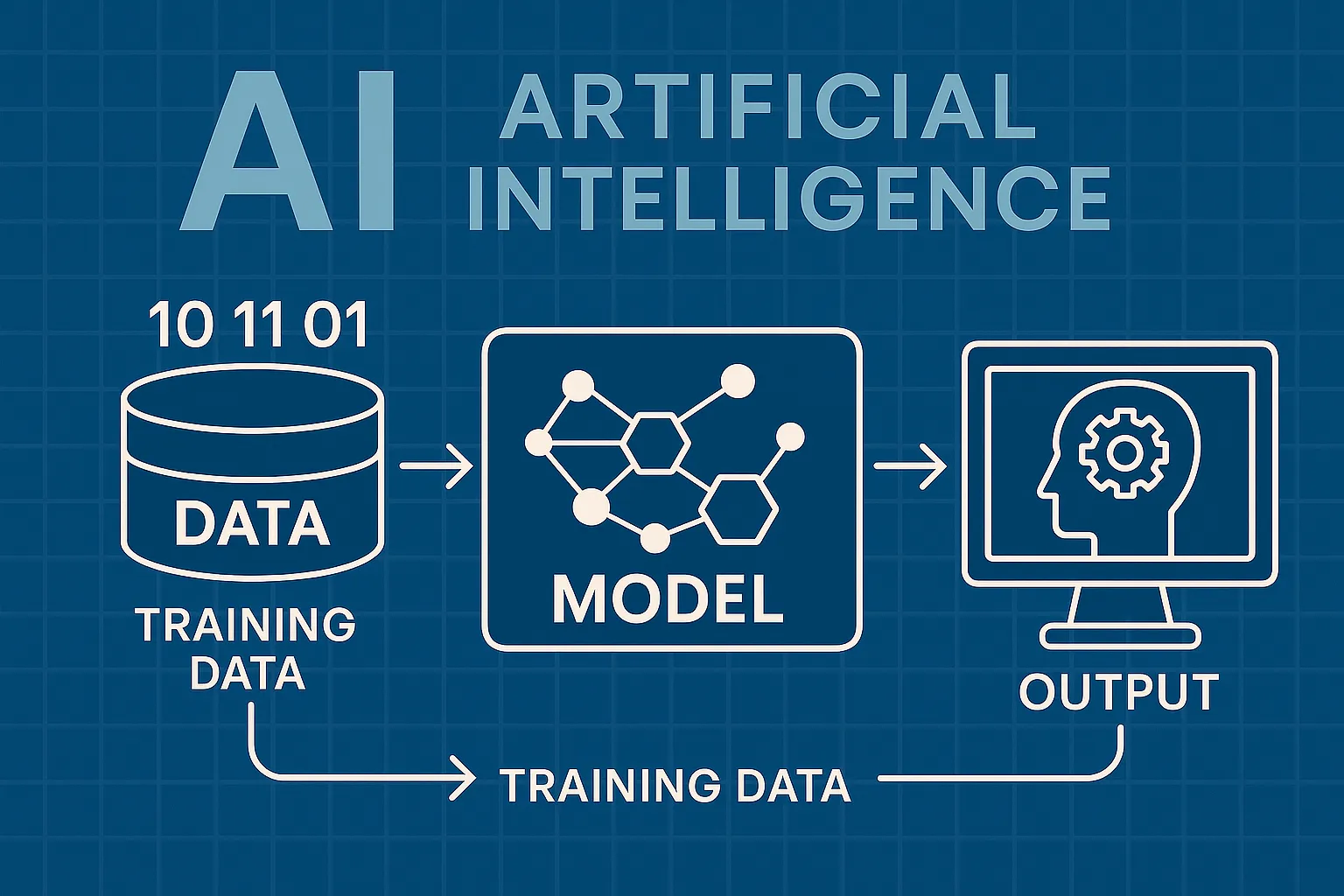
Understand the basics of how AI systems learn, make decisions, and power tools like chatbots, image generators, and virtual assistants.

What Is Vibe Coding?
Discover the rise of vibe coding — an intuitive, aesthetic-first approach to building websites and digital experiences with help from AI tools.

7 Common Myths About AI
Think AI is conscious, infallible, or coming for every job? This post debunks the most widespread misconceptions about artificial intelligence today.

The Future of AI
From generative agents to real-world robotics, discover how AI might reshape society, creativity, and communication in the years ahead.

How AI Is Changing the Job Market
Will AI replace your job — or create new ones? Explore which careers are evolving, vanishing, or emerging in the AI-driven economy.

Common Issues with AI
Hallucinations, bias, privacy risks — learn about the most pressing problems in current AI systems and what causes them.