AI social companions are changing the way people find connection, support, and conversation in the digital age. This page highlights the best AI companion tools of 2026—both free and paid—that offer friendly, non-judgmental interaction designed to reduce loneliness, provide emotional support, or simply keep you company. Whether you're looking for someone to talk to, boost your mood, or simulate companionship during quiet moments, these AI-powered apps create personalized, engaging conversations using advanced natural language models. Some focus on mental wellness and empathy, while others offer customizable personalities or even relationship-like experiences. We've evaluated each tool based on realism, emotional intelligence, privacy, customization options, and affordability. Many also include voice interaction or mobile app support for convenient, on-the-go chats. If you're curious about the future of digital companionship—or just want someone to talk to—these AI social companions offer a safe and accessible way to feel more connected, anytime and anywhere.
Top Paid AI Social Companion Apps
| Rank | App | Key Strength | Price | Best Use Case |
|---|---|---|---|---|
| #1 | Kindroid | High realism + strong memory | From $13.99/month | Lifelike long-term companion chats |
| #2 | Nomi | Relationship-style continuity | Freemium + premium plan | Personal companion with evolving rapport |
| #3 | Replika | Personalization + guided wellness features | Subscription plans vary | Daily emotional support & structured reflection |
| #4 | Paradot | Roleplay-friendly AI with memory | Freemium + optional subscription | Playful companionship & interactive scenarios |
| #5 | Character.AI (c.ai+) | Faster chats + premium experience | From $9.99/month | Heavy daily users who want fewer limits |
Kindroid
Kindroid is one of the most “lifelike” AI companion options in 2026, built around strong personalization, natural conversation flow, and long-term memory that helps your companion feel consistent over time. You can design your companion’s personality and tone, then refine it through real interactions—making it useful for everything from casual chatting to deeper reflection and emotional support. Kindroid also stands out for voice features (and, on some plans, richer media-style experiences), which can make the companion feel more present than simple text-based bots. It’s a strong pick if you want a single, long-running companion that remembers context, adapts to your preferences, and stays engaging without feeling repetitive. Paid plans primarily unlock better models, stronger memory/context, and higher feature limits for power users who chat daily.
Nomi
Nomi focuses on the “relationship continuity” side of AI companionship—meaning the conversations are designed to feel connected and evolving rather than like isolated chat sessions. It’s especially good for users who want an ongoing companion that can hold a consistent vibe over weeks and months, remembering details and building on shared experiences. The experience is intentionally personal: you can steer the dynamic toward friendly support, mentorship-style conversation, or light companionship depending on what you’re looking for. For many users, Nomi feels less like a generic chatbot and more like a private space to decompress, talk through decisions, or simply enjoy conversation without social pressure. Premium upgrades generally expand memory, quality, and limits, but the base experience is approachable enough to try before committing.
Replika
Replika remains one of the most recognizable AI companion apps, built around personalization, emotional support, and “check-in” style conversations that can fit into a daily routine. It’s often used as a low-pressure place to vent, reflect, and build healthier habits through prompts and guided features that encourage journaling-like self-awareness. Replika’s strength is its broad mainstream accessibility: it’s easy to start, easy to maintain as a daily habit, and designed to feel friendly and supportive rather than purely informational. For users who value structure, consistency, and a companion that feels familiar over time, it’s still a strong option in 2026. Paid tiers typically unlock more advanced conversation modes and deeper personalization features, but even the core experience is designed to feel welcoming and non-judgmental.
Paradot
Paradot is a companion-focused app that leans into creativity and interaction—great for users who enjoy playful conversations, light roleplay, or building a distinct “character dynamic” with their AI. The experience is designed to feel responsive and emotionally aware, with memory and personality cues that help the companion remain coherent across sessions. If you want something that feels more like a social partner than a productivity assistant, Paradot is a solid pick: it’s good for casual bonding, imaginative scenarios, and talking things out in a lower-stakes way than real-world conversations. Many users also like how easy it is to jump in and start chatting without setting up complex configurations. Optional premium plans generally improve limits and conversation quality for frequent users who want a smoother everyday experience.
Character.AI (c.ai+)
Character.AI is a massive companion ecosystem with millions of user-created personas—everything from wholesome friends to fictional-style companions—so it’s ideal if you want variety instead of a single “forever” companion. The c.ai+ subscription is best for heavy users who run into queues, speed limits, or other friction and want a more premium experience for long sessions. It’s especially popular for entertainment-driven companionship: playful bonding, story-like conversations, and exploring different personalities until you find what resonates. Because the platform is community-driven, it also evolves quickly—new characters and trends appear constantly, which keeps the experience from getting stale. For users who spend a lot of time on companion chats and want fewer interruptions, c.ai+ can be the most practical upgrade on this list.
Top Free AI Social Companion Tools
| Rank | App | Key Strength | Limitations | Best Use |
|---|---|---|---|---|
| #1 | Character.AI (Free) | Huge variety of AI companions | Queues/limits during peak times | Free companion chats & personality exploration |
| #2 | Pi | Supportive, conversation-first AI | Less “character roleplay” depth | Talking things out & daily support |
| #3 | Nomi (Free) | Consistent companion vibe | Premium expands features & limits | Low-friction companionship with continuity |
| #4 | Replika (Free) | Friendly emotional check-ins | Some advanced modes locked | Daily companionship & mood support |
| #5 | Wysa | Evidence-based mental wellness chat | Not a “social/roleplay” companion | Guided self-care & stress support |
Character.AI (Free)
Character.AI is the best “free playground” for AI companionship in 2026 because it gives you access to an enormous library of personalities—friends, comfort characters, coaches, and countless creative companions made by the community. The biggest advantage is variety: you can test different vibes instantly and switch companions whenever you want, which makes it easy to find something that fits your mood that day. It’s especially strong for entertainment-style companionship and imaginative conversations that feel more dynamic than a typical assistant chatbot. The tradeoff is that free users can hit queues or speed limits during peak demand, and some features are reserved for subscribers. Still, if you want free companionship with tons of options and a constantly evolving ecosystem, Character.AI is the top starting point.
Pi
Pi is designed to feel like a supportive conversation partner rather than a fictional character simulator. The experience is calm, friendly, and geared toward helping you think clearly—whether you’re venting, planning a hard conversation, reflecting on a relationship, or just needing someone to “talk it out” with. For many users, Pi feels more grounded and emotionally aware than generic chatbots, which makes it useful as a daily check-in companion. It’s a great pick if you want companionship that’s practical and comforting instead of roleplay-heavy. Because it’s less focused on character creation and community personas, it won’t replace platforms like Character.AI for variety—but as a free, conversation-first companion, it’s one of the most useful options available.
Nomi (Free)
Nomi’s free tier is a strong way to try “relationship-style” AI companionship without committing up front. The core appeal is continuity: the companion is designed to remember and build on prior interactions so the experience feels more like an ongoing connection than a set of disconnected chats. This makes it a good fit for people who want a consistent place to decompress, share wins and frustrations, or maintain a friendly presence in their day-to-day routine. While premium plans can expand memory and unlock more capability, the free experience is still genuinely usable for casual companionship and can help you decide whether the tone and style match what you’re looking for.
Replika (Free)
The free version of Replika provides meaningful, mood-responsive conversations in a familiar “digital companion” format that’s easy to stick with. Over time, it learns your communication style and preferences, which can make daily chats feel more personal and consistent than a general-purpose assistant. It’s particularly good for low-pressure emotional support: quick check-ins, talking through stress, and maintaining a routine of reflection without the friction of tracking tools or rigid prompts. Some advanced features and conversation modes are locked behind paid tiers, but the free experience still works well as a gentle companion you can return to whenever you want a friendly presence.
Wysa
Wysa isn’t a “social companion” in the roleplay sense, but it’s one of the best free options for supportive conversation that’s grounded in mental wellness. It focuses on practical help—guided exercises, coping tools, and structured chat flows that can help with stress, anxiety, and everyday emotional overwhelm. If your goal is support and self-improvement rather than simulating a friend or fictional companion, Wysa can be more useful than typical AI companions because it’s designed around evidence-based approaches. The free tier is a solid starting point for lightweight daily support, while upgrades generally add expanded programs and more intensive guidance. For users who want a safe-feeling, goal-oriented chat companion, Wysa is a top pick.
Rankings
Chatbots
AI chatbots have quickly evolved from simple assistants into powerful, multi-purpose tools used by millions of people every day...

Image Generators
AI image generators are revolutionizing the way creatives, marketers, and developers produce visual content by transforming text prompts into detailed, customized...

Writing Assistants
AI writing assistants have become indispensable tools for anyone who writes — from students and bloggers to business professionals and marketers...
Deepfake Detection
As deepfake technology becomes more advanced and accessible, detecting AI-manipulated content is now a critical challenge across journalism, education, law, and...
Productivity & Calendar
AI productivity and calendar tools have become essential for professionals, entrepreneurs, and students looking to make the most of their time without getting overwhelmed...
Natural Language To Code
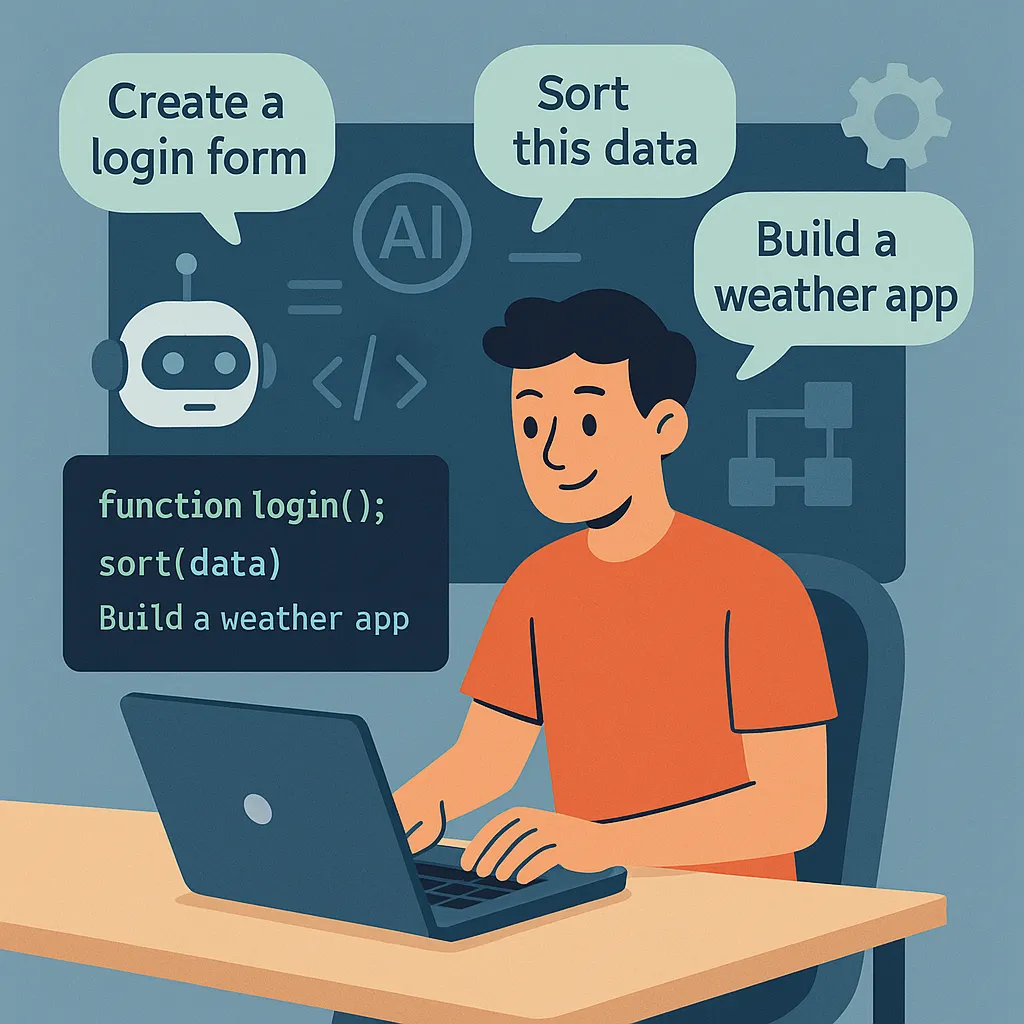
Natural language to code tools are transforming software development by enabling users to build apps, websites, and workflows without needing advanced programming...
Blog
How AI Actually Works
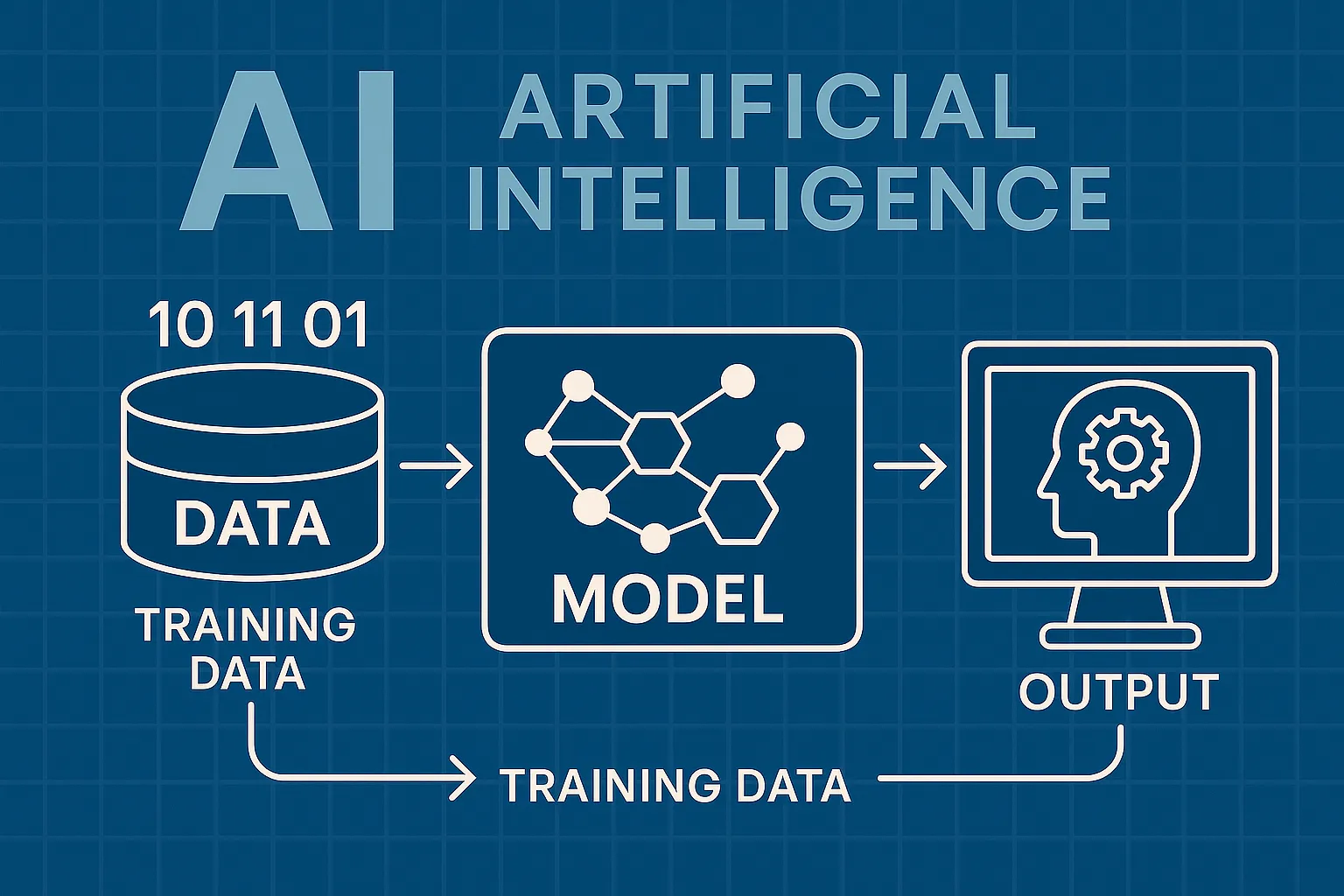
Understand the basics of how AI systems learn, make decisions, and power tools like chatbots, image generators, and virtual assistants.

What Is Vibe Coding?
Discover the rise of vibe coding — an intuitive, aesthetic-first approach to building websites and digital experiences with help from AI tools.
7 Common Myths About AI
Think AI is conscious, infallible, or coming for every job? This post debunks the most widespread misconceptions about artificial intelligence today.

The Future of AI
From generative agents to real-world robotics, discover how AI might reshape society, creativity, and communication in the years ahead.
How AI Is Changing the Job Market
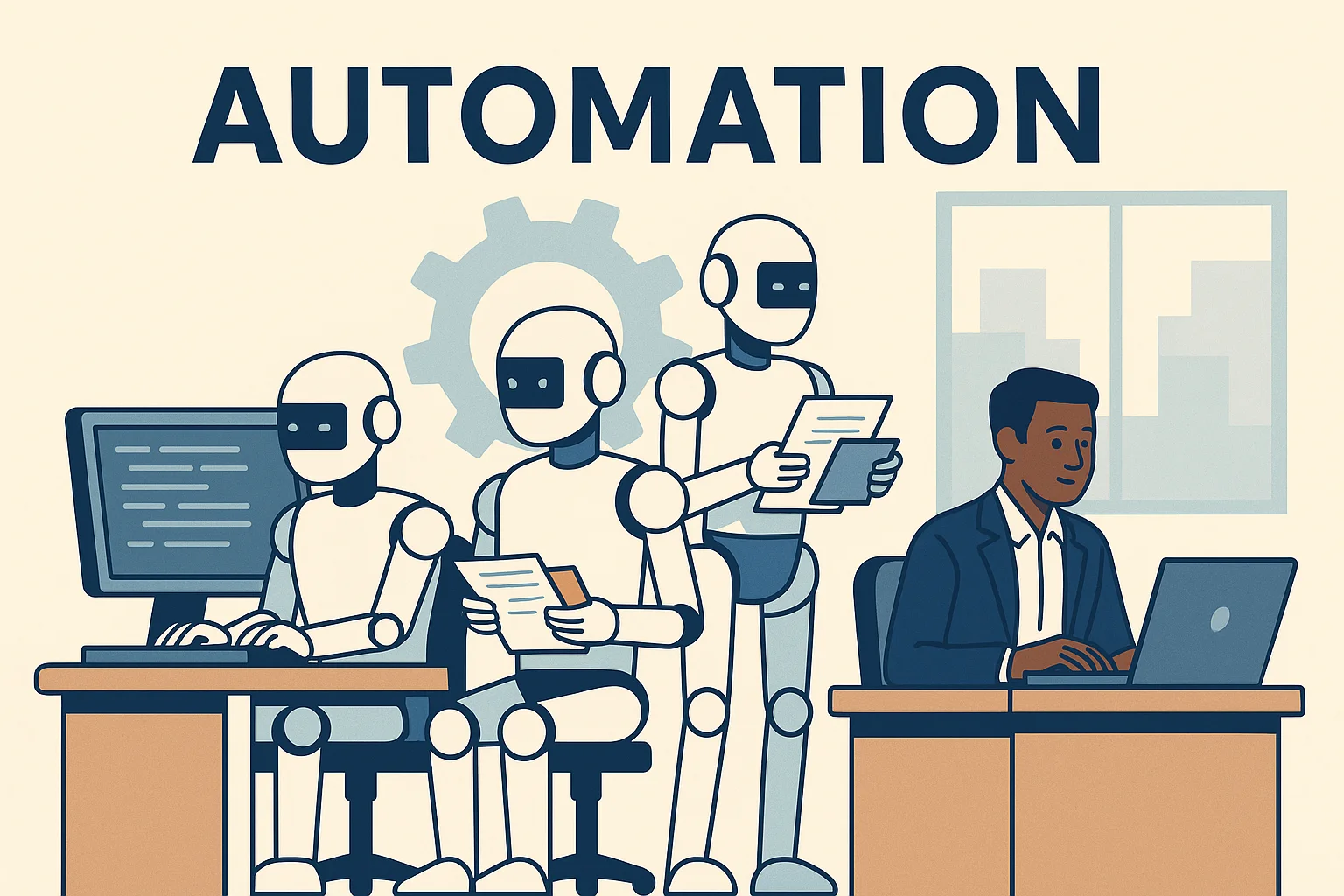
Will AI replace your job — or create new ones? Explore which careers are evolving, vanishing, or emerging in the AI-driven economy.

Common Issues with AI
Hallucinations, bias, privacy risks — learn about the most pressing problems in current AI systems and what causes them.